
Reviewed · LANGTANG VALLEY TREK
Langtang valley trek
Langtang Valley is one of those treks where you feel the pull of the Tibetan border without needing a visa, just a good pair of boots and patience on the uphill days. I love the mix of Buddhist culture and mountain life you pass through, and I also love the way the itinerary builds toward big high-altitude views like Kyanjing Ri at about 4700 m.
One thing to consider: you are driving 6 to 7 hours each way and going up to high elevations. If you’re the type who gets winded fast, you’ll want to take the pace seriously and plan for slow, steady breathing.
Key Highlights You’ll Actually Care About
- Private trek with your own group, so you can move at a pace that suits you
- Full board while trekking, with breakfast, lunch, and dinner plus tea or coffee
- Gear included, including a down jacket and a duffel bag you return after the trek
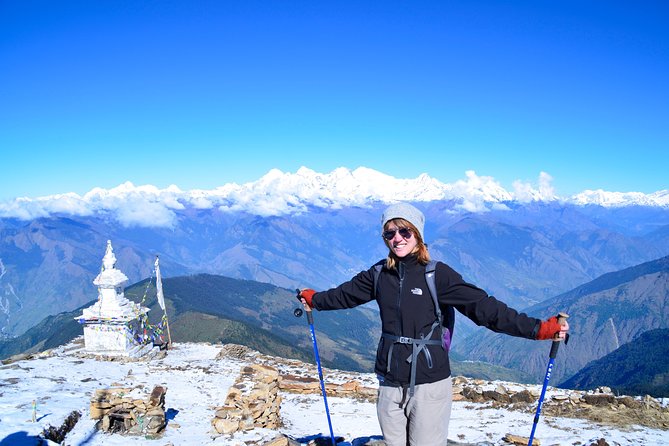
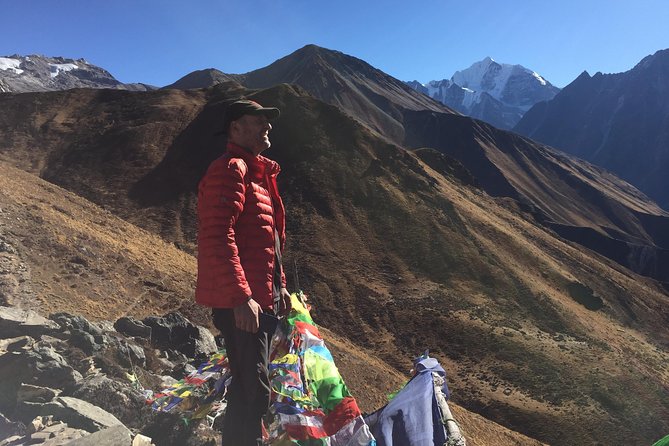
- Big mountain views on multiple days, including Langtanglirung and Ganchempuhimal
- Cultural stops with real local villages, inhabited by Tamang, Gurung, and Tibetan communities
- Day hike to Kyanjing Ri (~4700 m) for one of the clearest payoff views on the route
Why the Langtang Valley Trek Feels So Special
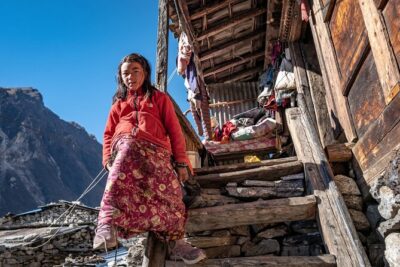
Langtang sits north of Kathmandu, and the whole region carries that quiet, borderland vibe. The trek walks through communities of Tamang, Gurung, and Tibetan people who have been living here for centuries. You’ll see Buddhist influence in everyday life, including festivals like Dumji, Loshar, Dashae, and Tihar. It’s not a museum show. It’s village routine, and it feels real.
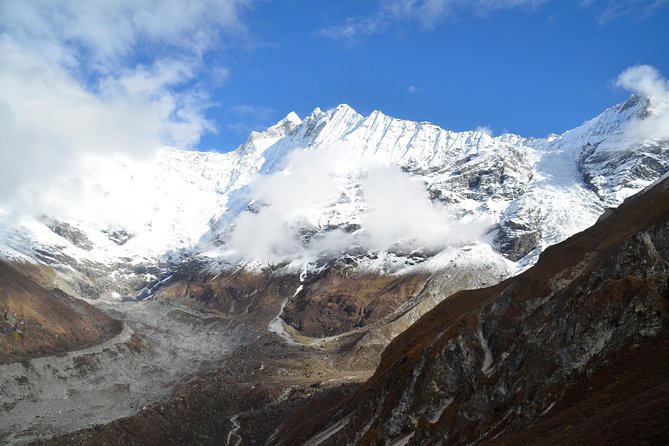
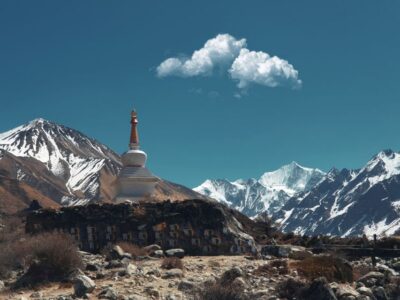
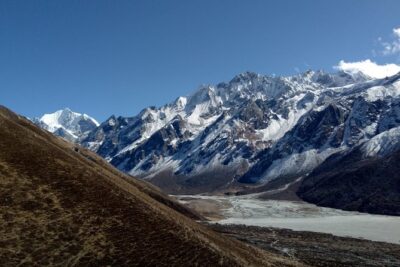
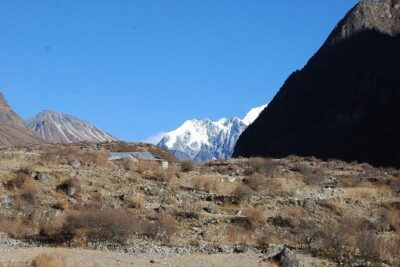
The mountains do the rest. As you gain elevation, the views get sharper, with recognizable peaks along the way like Langtanglirung (7240 m), Ganchempuhimal (7430 m), Ganjala peak (6120 m), Nyakhang (6160 m), Yala peak (5740 m), and the wider Ganesh Himal range. The payoff is not just one dramatic day. It’s a series of mountain windows as you climb and then work your way back down.
I also like how the trek is clearly built around people and places, not just altitude checkboxes. Even the “main” stops, like Lama Hotel and Langtang villages, feel like they belong to the region rather than being random waypoints.
More of the Langtang valley:
- Langtang Valley Trek
★ 5.0 · 140 reviews - Langtang Valley Trek
★ 5.0 · 61 reviews - Langtang Valley Trek
★ 5.0 · 50 reviews
Price and Logistics: What Your $660 Covers (and What It Doesn’t)
This trek is priced at $660 per person for about 8 days, and it’s positioned as a private tour. The value here is in how much is included, especially for a trekking trip that often surprises people with hidden add-ons.
What’s included:
- Private transportation: you’re picked up from Tribhuvan Airport and transferred to Kathmandu hotel, then you drive to Syabrubesi and back
- Meals while trekking: breakfast, lunch, and dinner are included
- Guide and porter support: a professional guide and a supporting porter are part of the plan
- Accommodation during the trek
- Treated drinking water
- Tea or coffee
- Fresh fruit everyday after dinner
- A small first-aid kit bag
- Basic provided gear: a T-shirt, down jacket, and duffel bag (refundable after the trek)
- Necessary trip documents
What’s not included (and you should plan for):
- International airfare
- Trekking equipment (you’ll need to bring or arrange your own)
- Cold drinks
- Personal insurance
- Wi-Fi and laundry during the trek
- Extra snacks if you buy outside the standard tea house setup
- Meals in Kathmandu outside the trek portion
- Tips for staff
My practical take: for $660, the biggest “value move” is that you’re not carrying the whole logistics burden. You’re buying a setup where food, water, sleeping, and coordination are handled. You still need to bring your own trekking essentials and handle altitude intelligently, but you’re not assembling the trip yourself at the last minute.
Getting There From Kathmandu: 7 Hours to Syabrubesi
Your day starts in Kathmandu, with the start point listed as Tribhuvan Airport at 8:00 am. First you’ll transfer to your hotel in Kathmandu after you arrive. Then you drive to Syabrubesi, about 7 hours with an altitude around 1400 m.
That drive matters more than people think. You’re traveling from the city into a trekking corridor, and the long road time is part of what shapes your first day. The good news is that the private transport reduces friction. You’re not trying to stitch together buses and shared rides while you’re still adjusting to Nepal time.
Also, Syabrubesi is your base for the trek proper. Once you reach that altitude, you’re ready for the “slow climb” feel that defines Langtang. Think of the road as your warm-up, not a vacation. You’ll feel it in your legs later if you go too hard the first day.
Day 1 to Day 2: Lama Hotel (From 1400 m to about 2400 m)
The trek typically begins from Sano Syabrubesi and moves toward Lama Hotel. You’re looking at about 4 hours of trekking, climbing from roughly 2400 m.
This stage is a useful on-ramp. It’s not the highest part of the itinerary, but it gets you into the rhythm: purposeful uphill walking, short stops, and paying attention to breathing. You’ll likely notice how the route transitions into more alpine terrain, and the vegetation starts to feel more “mountain” than “valley.”
A practical tip: keep your effort controlled here. It’s tempting to speed up because it’s the start. Resist that urge. The best trekking days feel calm, not frantic.
More to compare around Kathmandu
- Everest Base Camp Trek – 14 Days
★ 5.0 · 1,499 reviews - Everest Base Camp Trek
★ 5.0 · 842 reviews - Private Kathmandu Sightseeing Tour | UNESCO World Heritage sites
★ 5.0 · 756 reviews - Kathmandu: 7 UNESCO Sites with Lunch
★ 4.8 · 744 reviews
Day 3: Langtang Villages (Up to about 3400 m)
From Lama Hotel, the trek continues for about 5 hours to Langtang villages at around 3400 m.
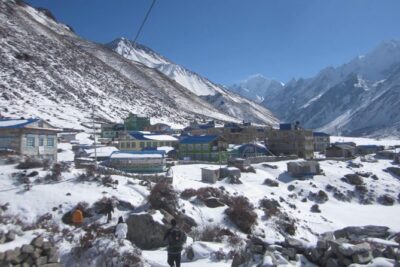
This is where the trip turns from “route” into “place.” Langtang villages are inhabited by communities with Buddhist traditions, and the culture is part of what you’re walking through. You’re not just passing through scenery. You’re seeing daily life at altitude.
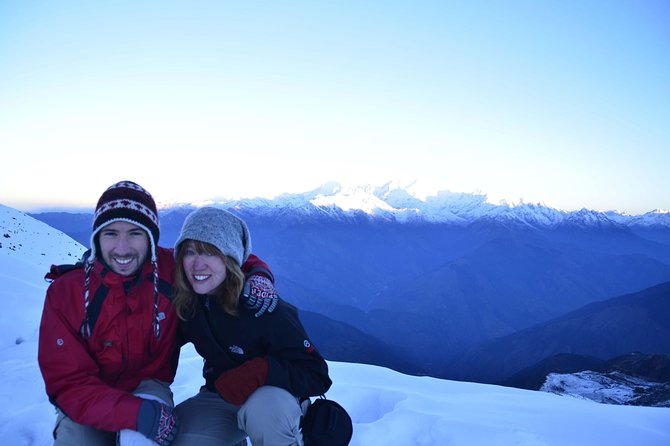
Another payoff: the views tend to broaden as you gain elevation. On many Langtang-style itineraries, the day you reach a higher village is when you start spotting major peaks more clearly. Here, you’re moving toward that future big-day view push, including the possibility of seeing major surrounding peaks like those in the Langtang and Ganesh Himal ranges.
If you’re someone who gets altitude headaches, this is when you should be extra careful. No hero pacing.
Day 4: Kyanging Gumpa (About 3700 m in 3 hours)
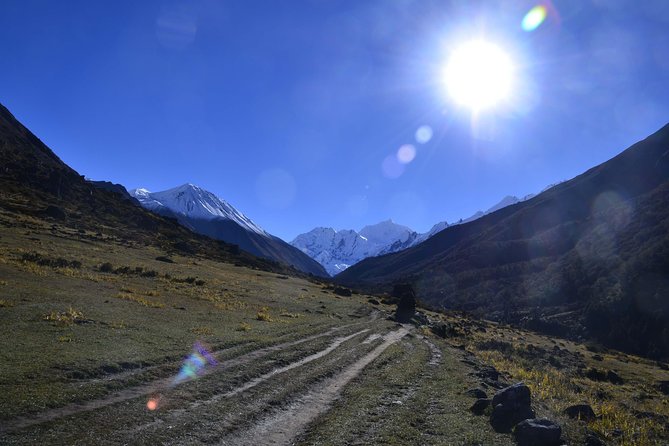
Next you trek to Kyanging Gumpa, about 3 hours, reaching roughly 3700 m.
Kyanging Gumpa is a turning point. It’s not just elevation, it’s a spiritual and visual destination. Gumpas in the region are often simple and purposeful, and they give you a chance to pause, look around, and reset before the steepest viewpoint push.
This day is relatively shorter on the clock compared to previous trekking blocks, and that’s a good thing. You’re building your altitude gradually. Shorter walking hours often helps if you’re trying to keep your body comfortable.
Day 5: Kyanjing Ri Viewpoint at about 4700 m, Then Back Toward Langtang
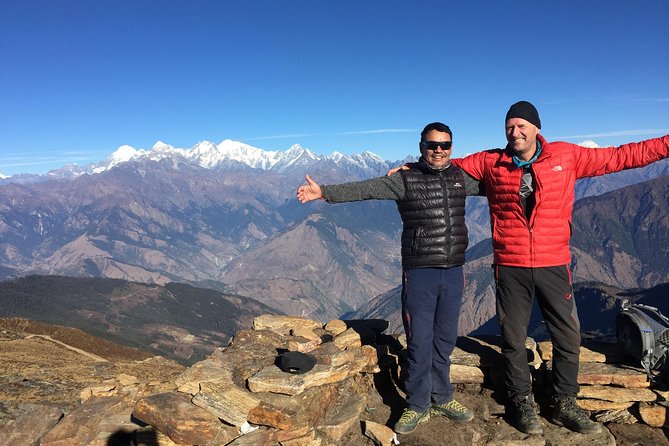
This is the big day. You hike up to the Kyanjing Ri viewpoint at around 4700 m, then you trek back to Langtang.
That viewpoint day is the classic reason people do this trek. You gain altitude enough to make the surrounding peaks feel close and sharp, with multiple famous summits in view on clear days, including the ones listed for this route like Langtanglirung (7240 m) and Ganchempuhimal (7430 m). The higher you go, the more you notice how mountains layer and overlap, creating long sightlines you can actually track across the horizon.
The trade-off: it’s altitude plus effort. Your goal should be steady movement, not speed. Take breaks when you need them, and use the guide’s input. Some of the best guidance described in prior trips was about being proactive with safety and pacing, including support when altitude sickness appeared for a couple on a similar Nature Explore agenda.
If you’ve never hiked high before, this is a good place to respect the mountain. The viewpoint is worth it, but the mountain should always set the pace.
Day 6 to Day 7: Trek Back to Syabrubesi (Down to about 1400 m)
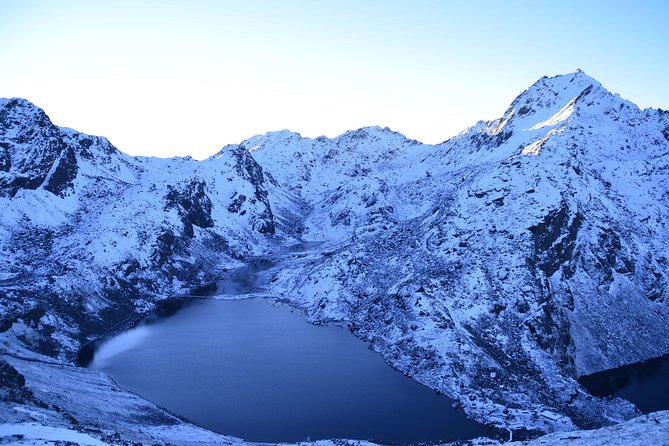
After the viewpoint and your return toward Langtang, the itinerary brings you back to Syabrubesi with a trek time of about 6 to 7 hours, descending down to around 1400 m.
Descending can feel easier mentally, but it can still wreck your knees and ankles if you walk too fast. This is where trekking poles can be a lifesaver, even if they are not mentioned in what’s provided. If you have them, bring them. If you don’t, you’ll want good boots with solid traction and a careful stride.
Also, you’re getting a different kind of payoff on the return. When you come down, you re-see the valley with a “rewind” perspective, moving past the same types of alpine terrain, rhododendrons, and bamboo forests you went through on the way up, but in a more relaxed way.
Final Day: Drive Back to Kathmandu, Then Fly
You drive back to Kathmandu for about 6 to 7 hours with an altitude around 1300 m, and your trip ends there. The next day you’re dropped at the airport based on your flight details.
This part is practical. The drive takes the edge off, but it also reminds you that this is a full trekking package, not just a hike. Plan to keep the next day light around your schedule, because you’re still processing a week of walking.
Who This Trek Best Fits
This is a private trek for people with moderate physical fitness. That description matters, because this is not a casual stroll. You’re trekking multiple days with daily uphill and a viewpoint at 4700 m.
You’ll likely love this trek if you:
- Want cultural immersion in Tamang, Gurung, and Tibetan communities
- Want a route with real mountain view payoff, not only forest walking
- Prefer a managed experience with guide and porter support
- Like the idea of doing a high viewpoint hike with a structured plan and included meals
You should think twice if you:
- Struggle with altitude, even mildly, and haven’t learned how to pace yourself
- Hate long days that include a big chunk of driving on both ends
- Want lots of modern conveniences on the trail, because Wi-Fi and laundry aren’t included
Guide, Safety, and the Small Details That Matter
In the reviews connected to this trek experience, a recurring theme is staff support that feels hands-on. Guides like Deepak and Chhabin are specifically mentioned as knowledgeable, friendly, and focused on safety. There are also examples of the team responding quickly when altitude issues came up, including helping a couple recover from altitude sickness.
That doesn’t mean altitude risk disappears. It does mean the team seems to take it seriously, and that’s a good sign. On a trek where you reach 4700 m, good pacing and quick attention to how you’re feeling are not “nice to have.” They are the difference between a hard day and a scary one.
The other details are very practical:
- Treated drinking water is included, so you’re not guessing
- Fresh fruit after dinner gives you a small morale boost
- Tea or coffee is included, which matters when your energy is low
- A first-aid kit bag is part of the support setup
- You get a down jacket and a duffel bag to manage cold nights more easily
Packing Smart: Sunscreen, Cold Nights, and Gear You Still Need
You’ll get some key gear, including a down jacket and a duffel bag. That’s helpful because cold nights can sneak up on you, even in seasons that look mild in Kathmandu.
But you still need to bring trekking basics, since trekking necessary equipment is not included. Also, keep an eye on sun protection. A practical tip tied to this trekking style is simple: bring sunscreen. Even on cloudy days, the higher you go, the more your skin pays attention.
Here’s a smart approach:
- Treat the down jacket as your cold-night insurance, but dress in layers during the hike
- Bring sunscreen because the sun at altitude is no joke
- Don’t overpack with extras, because Wi-Fi and laundry are not included and you may not want to deal with laundry anyway
And one more thought: since it’s a private group, the guide can often help you adjust the rhythm if you’re feeling off. Use that. Don’t just power through.
Best Time to Go: Feb to May, and Sep to Nov
The best seasons listed are February to May and September to November.
For most people, that means you’ll be hiking in relatively stable weather windows compared to monsoon months. If you’re sensitive to cold, the February to May window can still be chilly at higher elevations, so your down jacket support will be useful.
If you go outside these windows, you might get weather that adds stress to the itinerary. This trek also requires good weather for the experience to run as planned.
Should You Book This Langtang Valley Trek?
I think you should book it if you want a structured, private trek with a strong mix of culture and big views, and you like the idea of having meals, water, guides, and logistics handled. At $660, it’s not a budget “DIY” trek, but it is good value for what’s included, especially the guide, porter support, and full trekking meals.
Skip it or choose a different option if you are very altitude-prone, dislike long drives, or expect constant connectivity and convenience. This is a mountain week. It rewards patience.
If you’re excited by Buddhist village life in the Langtang area and you want that Kyanjing Ri viewpoint payoff, this is a solid pick. Just pace yourself, listen to your guide, and take the climb one breath at a time.
FAQ
Where does the trek start?
The start is listed as Tribhuvan Airport in Kathmandu, Nepal, with a start time of 8:00 am.
Do I get picked up in Kathmandu?
Yes, pickup is offered, and you’ll transfer to your hotel after arriving at Kathmandu TIA airport.
How long is the trek?
It’s listed as 8 days approximately.
How long is the drive to Syabrubesi from Kathmandu?
It’s about 7 hours by drive, with an altitude around 1400 m.
What trekking elevations are included?
The itinerary mentions roughly 2400 m (Lama Hotel), 3400 m (Langtang villages), 3700 m (Kyanging Gumpa), 4700 m (Kyanjing Ri viewpoint), and back down to about 1400 m (Syabrubesi).
What is the highest point on the route?
The highest point listed is the Kyanjing Ri viewpoint at about 4700 m.
Are meals and accommodation included?
Yes. Breakfast, lunch, and dinner are included, and accommodation is included as well.
What gear do I receive?
You receive a T-shirt, down jacket, and duffel bag, with the duffel bag and gear refundable after the trek.
Is Wi-Fi available during the trek?
No. Wi-Fi is not included on the trek.
Is international airfare included in the price?
No. International airfare is not included, and personal insurance is also not included.
Latest Kathmandu write-ups
- Langtang Valley Trek★ 5.0 · 3 reviews
- Khopra Danda Trek★ 5.0 · 3 reviews
- Langtang Valley Trek from Kathmandu★ 5.0 · 3 reviews
- 5 night / 6 days Kathmandu Nagarkot Chitwan Pokhara tour★ 5.0 · 3 reviews
- Nepal Highlights Tour: 5 Nights 6 Days Kathmandu & Pokhara Tour★ 5.0 · 3 reviews
- Kathmandu Valley Private Day Tour★ 5.0 · 3 reviews
- Conquer the Himalayas: The Ultimate 16-Day Annapurna Circuit Trek★ 3.5 · 3 reviews
- Kathmandu Heritage Day Tour★ 5.0 · 3 reviews
Langtang Valley Trek, compared.
7 Days Langtang Valley Private Trek From Kathmandu
Read our review →Browse the lists this tour appears in