
Reviewed · EVEREST BASE CAMP TREK
Kathmandu: 15-Day Everest Base Camp Trek with Guide
This Everest Base Camp trek is interesting because it trades generic sightseeing for real altitude time, plus Sherpa villages and Buddhist sites along the way. I especially like the small group approach, which makes it easier to keep your pace steady and talk with fellow trekkers. I also like the licensed English-speaking Sherpa guide, because you get cultural context while you’re walking, not just while you’re standing.
One key consideration: the Lukla flight can be weather sensitive. If conditions are rough, your schedule can change, including the chance you may not reach the exact end point you planned for.
Key Points Before You Go
- Small-group trekking that feels more personal than mass-tour rhythm.
- A licensed English-speaking Sherpa guide who can explain what you’re seeing on the trail.
- Built-in acclimatization with a rest day in Namche and a climb to Hotel Syangboche.
- Guest houses on the route, so you’re not carrying everything and sleeping in tents.
- Real Everest region highlights like Tengboche Monastery, Kalapathar, and the Gorakshep area.
- Good Kathmandu start with a private guided circuit covering major cultural and religious sites.
Entering the Himalaya From Kathmandu, Then Jumping to Lukla
Your trip starts in Kathmandu, then quickly turns into a mountain story. Day 1 is a private transfer from Kathmandu Airport to your hotel, and your guide gives you the practical stuff you need to walk smarter. You’ll also get a sense of what the next two weeks will ask of your body, especially at altitude.
Then comes Day 2, the classic Kathmandu orientation day by private car. You go to Kathmandu Durbar Square, Swayambhunath, Boudhanath, and Pashupatinath, the cremation temple. Even if you only have a short window, this isn’t random check-the-box. It helps you understand the spiritual backdrop you’ll keep seeing when you reach monasteries in the Khumbu region.
One of the best advantages of starting with local context is that you won’t treat the mountains like a movie set. When you later pass through Sherpa villages and religious sites, you already know what to look for and why people care.
More ways to walk to Everest Base Camp:
- Everest Base Camp Helicopter Tour landing at Everest View Hotel
★ 5.0 · 668 reviews - Gokyo to Everest Base Camp Trek
★ 5.0 · 113 reviews - Everest Base Camp Trek
★ 5.0 · 97 reviews
Kathmandu Sightseeing in a Private Car: More Than Just Photos
This portion matters more than it sounds. With a private car and a guide, you can ask questions and adjust your pace. Kathmandu Durbar Square gives you the feeling of a living city shaped by history and craft. Swayambhunath adds that hilltop sweep where the city and valley layout snaps into focus.
Boudhanath is a big moment too, with the huge stupa complex that brings Buddhism into plain view. And Pashupatinath is a scene you can’t ignore. It’s respectfully intense, and it makes the word pilgrimage feel real.
Practical tip: plan to go a bit slower than you think on this day. Your body is about to spend time at altitude, and you do not want a sore back on Day 3 after a long flight.
Day 3 Flight to Lukla, Then a Gentle Start Toward Phakding
Day 3 is the big jump. You fly from Kathmandu to Lukla, then hike to the upper region of Phakding for your first proper night on the route. Even though the flight is only part of the journey, it can set the tone, because weather can shift quickly around Lukla.
The walk into Phakding is designed to be easier. You’re not trying to break records. You’re letting your legs wake up, getting used to lodge life, and learning how your body reacts once you’re actually at trekking elevation.
The other win here is time. After you land, you don’t rush straight into the steep parts. Instead, you build confidence with short effort, steady breathing, and a routine you’ll repeat for the next week and more.
Into Sagarmatha National Park, Rhododendron Colors, and Sherpa Life
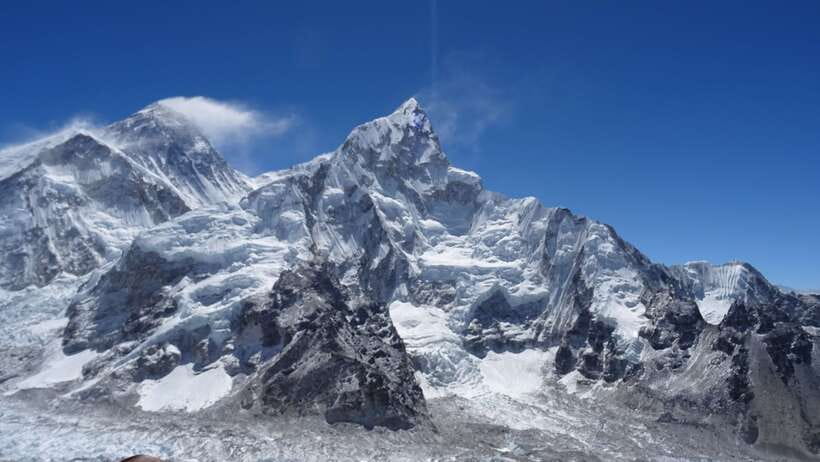
As the trek rolls forward, you spend meaningful time around Sagarmatha National Park, a World Heritage Site. You get that mix of views and culture, because the trail isn’t just about altitude, it’s about living communities.
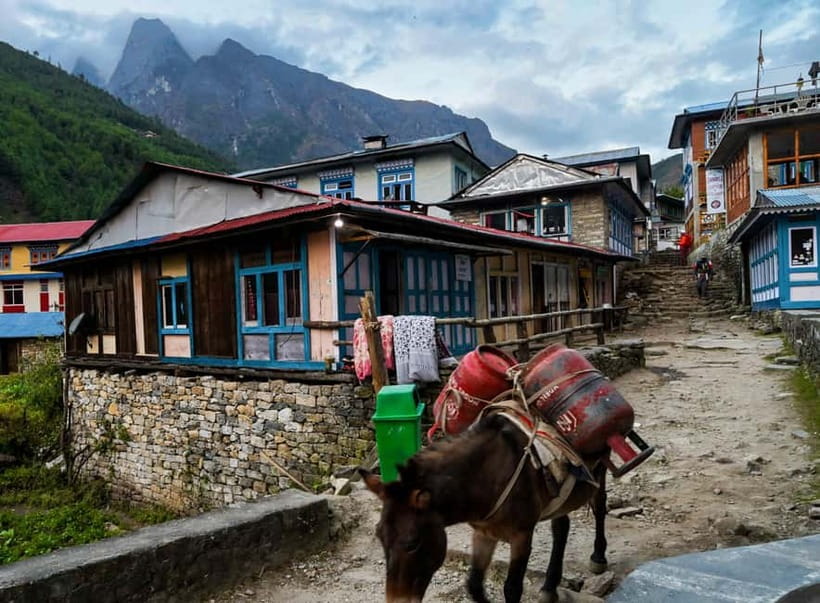
On the way, you see Buddhist monasteries and meet Sherpa people. This is where a good guide earns their money. If you learn what you’re looking at, you start noticing small details like how a prayer site sits beside daily life, or why certain trail sections carry more spiritual importance than others.
This is also where “culture” stops being a vague word. You’re not just visiting. You’re moving through the same kind of space locals move through, at a pace that lets the landscape and people stay in your awareness.
More to compare around Kathmandu
- Kathmandu: 7 UNESCO Sites with Lunch
★ 4.8 · 744 reviews - Kathmandu: Local Women-Led Nepali Cooking & Momo Class
★ 4.9 · 360 reviews - Manaslu Circuit Trek
★ 5.0 · 292 reviews - Kathmandu: Food and Drink Walking Tour
★ 4.9 · 292 reviews
Phakding to Namche Bazar: Dudh Koshi, Steep Rhythm, and First Big Panoramas
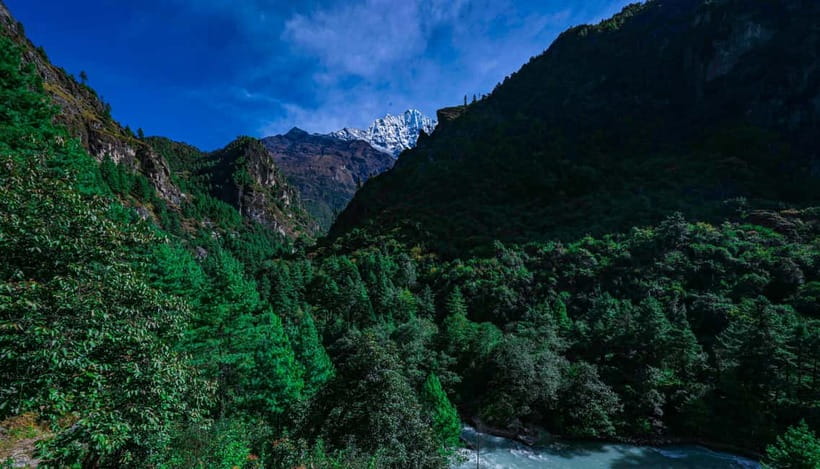
Day 4 is where the trek starts feeling like the Everest you imagined. You follow the Dudh Koshi valley and climb toward Namche Bazar. Namche is the resting spot for both tourists and local Sherpas, so it’s a hub where you can feel the exchange of worlds.
The views here can hit hard. You’ll get panoramic looks at the Everest region with rhododendron forests adding color and texture where the trail threads through hillsides. On a clear day, the peaks feel close enough to be real obstacles, not distant names on a map.
A small downside of Namche is that it can feel busy compared to the quieter villages later. But that buzz is also useful, because it’s a place to steady your routine, buy small trekking needs if you forgot something, and reset mentally before the acclimatization day.
Day 5 Acclimatization in Namche, Including Hotel Syangboche at 3,850 Meters
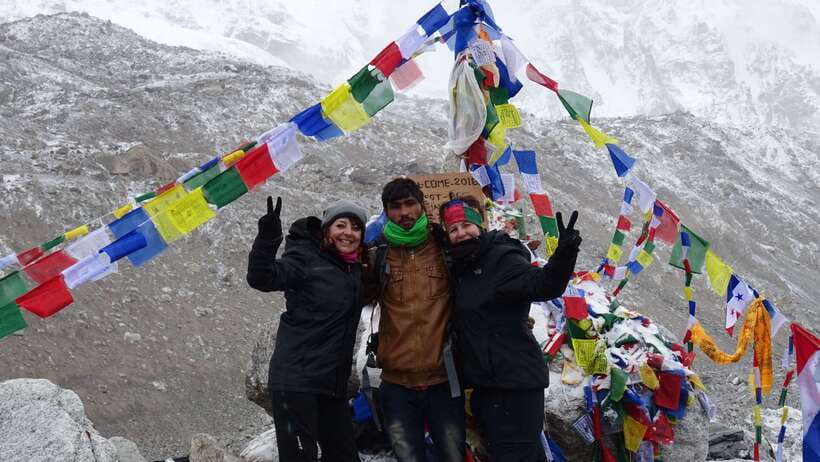
Day 5 is your acclimatization reality check, and it’s one of the smartest parts of this itinerary. You rest in Namche, then hike up to Everest view point at Hotel Syangboche, about 3,850 meters, which helps your body adjust before you go higher.
This is the kind of plan that respects altitude. Instead of pushing upward blindly, you give your body time to adapt. You’re still moving, but you’re not adding a full day of heavy climbing on top of Day 4.
What you’ll learn quickly is that acclimatization is not just a schedule. It’s how you feel while walking, how your breathing changes, and how your sleep comes in at night. If you treat Day 5 seriously, the later days feel more manageable.
Tengboche Monastery Day: The Ridge, the Altitude Chill, and Sagarmatha Views
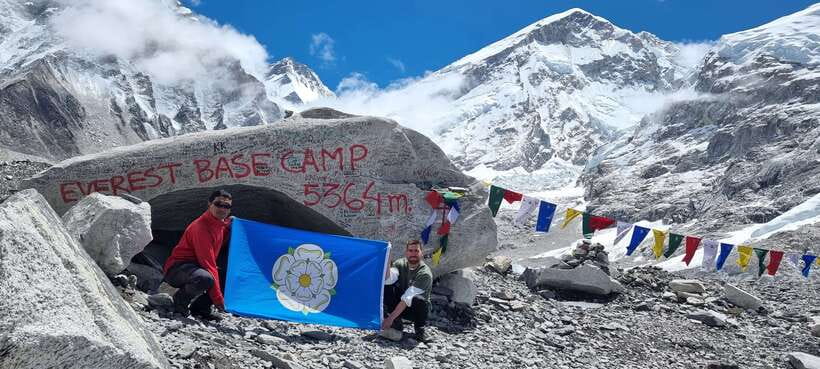
Day 6 moves from Namche toward Tengboche. You trek through high altitudes and chilly weather, and the effort comes in chunks. After about two hours of climbing, you reach Thyangboche Monastery, located around 3,867 meters on top of a ridge.
The monastery location matters. Being on a ridge gives you wide views of Sagarmatha, and the religious site gives you a pause where the mountain is framed like something you’re visiting with respect, not just conquering.
If the weather is moody, this is still a valuable day because the atmosphere changes how the peaks look. Even when visibility is reduced, you’ll usually get enough of the terrain to understand why climbers and trekkers both chase this region.
Practical note: chilly weather is not a threat, it’s a forecast. Bring layers you can adjust as you climb and cool down.
Tengboche to Dingboche: Imja Khola, Pangboche, Pheriche, and Khumbu Glacier Territory
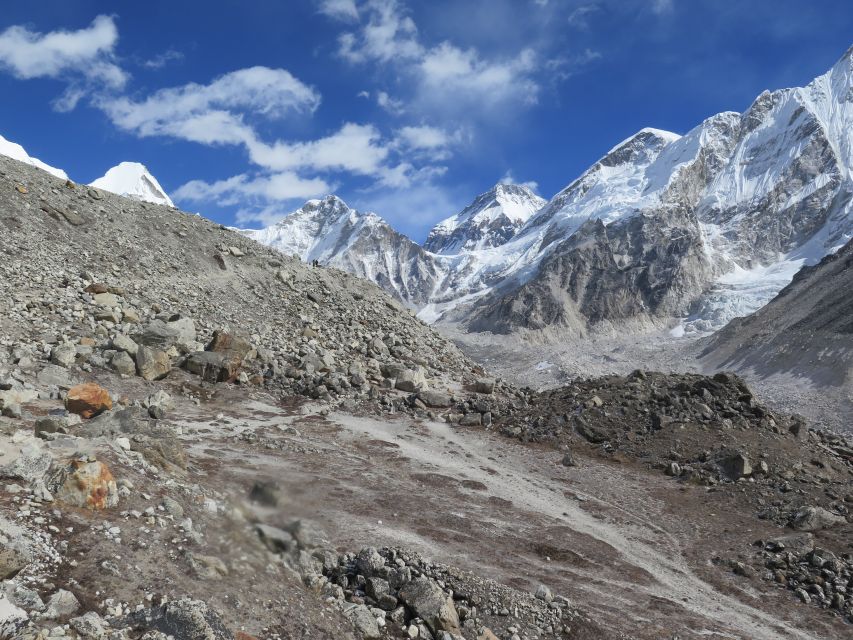
Day 7 is a classic “valley-to-high-village” day. From Tengboche, you continue toward Dingboche, passing through villages like Imja Khola, Pangboche, and Pheriche before heading toward the Khumbu glacier area.
This part of the trek gives you more than scenery. It gives you rhythm. You walk, you rest in villages, and you keep moving deeper into the Khumbu landscape where glaciers start becoming part of your daily mental map.
You also get insight into Sherpa life as you pass through these hometowns. Again, this is where a guide matters. If you ask questions, you can understand how the community survives and thrives at high altitude, including how daily routines adjust to the terrain and climate.
Day Trip to Chhukung Valley: One of the Best Walks, If Conditions Behave
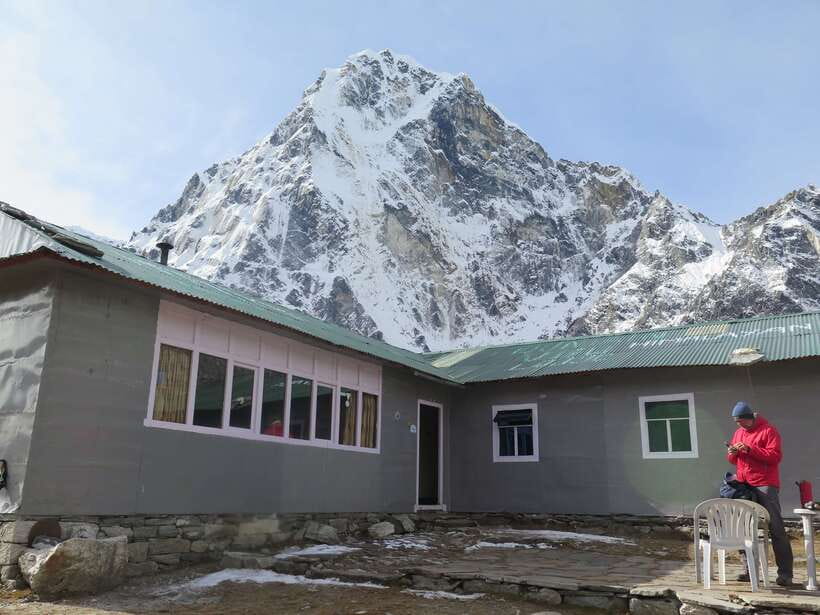
Day 8 brings a day trip to Chhukung Valley and then returns to Dingboche for the night. The itinerary calls it one of the world’s best hikes, and you can see why. Chhukung Valley is typically where the views tighten, and the terrain feels more dramatic without requiring another overnight at a much higher camp.
The risk on a day like this is straightforward: weather. In clear conditions, this day can feel like a highlight within a highlight. In cloud or rain, you may walk through a landscape that turns from scenic to simply practical.
This is also a good day to learn your own pace. You might see others push harder. If you do, you can still enjoy the valley without turning the trip into a race.
Lobuche and Gorakshep: The Trail Toward Everest Base Camp Starts to Feel Serious
Day 9 brings you to Lobuche. You rest there and admire the design of nature, which is trekking-speak for: this is where the terrain starts looking like it was built by glaciers and time, not roads and fences.
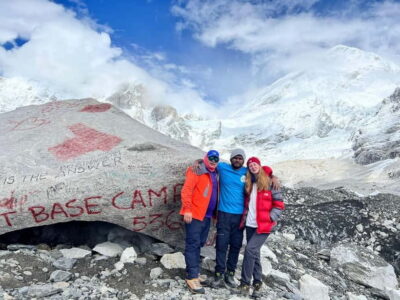
Day 10 then takes you to Gorakshep, a small settlement on the shores of a frozen lake. This is your departure point toward Everest Base Camp, and it’s where the feeling changes. Up to now, you’ve been walking toward a region. From Gorakshep, you’re walking toward a specific place.
This is also where you’ll likely feel the altitude more strongly. Your pace may slow even if your motivation stays high. That’s normal.
Practical tip: treat your sleep in Gorakshep like part of your mission. Don’t plan to wander around late or overdo snacks and hot drinks that mess with rest.
Kalapathar at Sunrise, Then Back to Pheriche: Why Early Mornings Matter
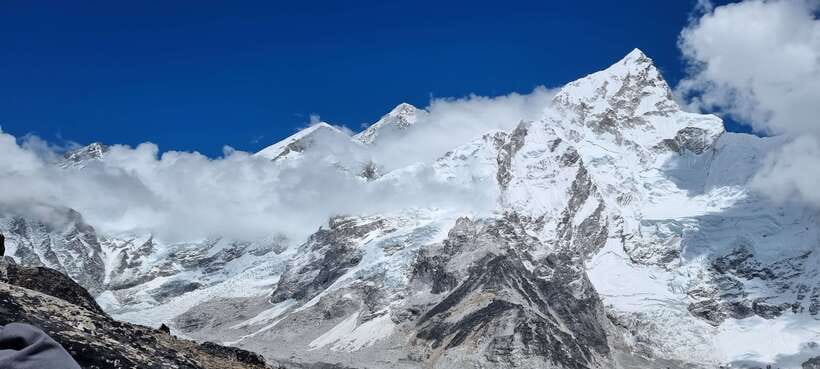
Day 11 is early morning, with a hike to Kalapathar for fantastic views, then heading back toward Pheriche. Kalapathar is famous for a reason: you’re chasing light, and you’re chasing clarity.
Even if you’ve seen Everest in photos, the first time you see it with sunrise color and the scale around it, you understand why people keep returning. It’s not just the peak. It’s the way the surrounding ridgelines frame it like a stage.
The return toward Pheriche is also smart. You come down enough to make the next travel day feel safer, and you give your body a break before the long descent toward Namche.
The Descent Back Through Namche to Lukla: Your Legs Learn Another Kind of Strength
Day 12 is the trek back to Namche Bazar. You stop again at Namche to acclimatize. This is a standard move, but don’t treat it like an afterthought. It can help you stay steady and avoid the sore-tired spiral that happens on long descents.
Day 13 takes you back to Lukla. The itinerary notes it’s a long walk, but also a pleasure because you’re completing the journey. That’s how it feels for many people: the trail is still hard, but the direction makes it different.
Then Day 14 brings the flight back to Kathmandu. After days at altitude, Kathmandu air feels like a gift, and your first real night of recovery can be surprisingly emotional. Day 15 is just your transfer to the international airport.
Price and Logistics: What $675 Covers, and What You Should Budget Anyway
At $675 per person, this trek can represent solid value, mainly because several big costs are included. Your Kathmandu hotel for 3 nights is included, plus a private guided city tour. During the trek, you get guest house accommodation, and you also get a licensed English-speaking Sherpa guide.
Permits are also covered, including Everest National Park permits and TIMS. That’s not a small expense in real life, and it matters because it keeps your planning straightforward.
You’ll also get practical comfort options: the trip includes down-filled jacket and a sleeping bag if needed. That’s useful if you don’t want to buy expensive gear before you go.
Now the not-so-fun part: airfare is not included. You’ll need separate flights for Kathmandu (Ramechhap) to Lukla and back (through Ramechhap). The operator says optional services can reserve flights on request, but you’re still responsible for the flight cost itself.
Also, breakfast, lunch, and dinner during the trek are not included. That means you should budget for meals along the way, likely including hot drinks and snacks.
If you want a porter, it’s optional and shared with two people, so you’re not guaranteed porter service unless you add it. If you’re carrying your own day pack plus extras, this can still be very doable, but you’ll want to plan weight carefully.
Finally, alcohol and hot and cold drinks are not included. Sounds obvious, but at altitude it’s the stuff people forget to budget. It adds up.
Guides and Group Size: Why the Right Support Changes Everything
This trip emphasizes tailored itineraries with small group sizes. In practice, that means you should be able to walk as a group without being forced into a single pace that punishes the slower or the cautious.
The biggest strength is the local Sherpa guidance. In actual situations, guides like Kale Prakash have been credited with strong care when someone got sick, and others like Dillisher Katuwal have been highlighted as experienced and safety-focused. Names like Gokul, Kali, Kumar, and Santos show up as well, which hints at a team that handles both logistics and day-to-day comfort.
Here’s what to watch for when choosing any Everest trek: you want a guide who plans for weather reality and altitude pacing. This itinerary builds in acclimatization and sets you up with a clear progression upward. That’s the kind of structure that helps you focus on enjoying the trek without constantly guessing what to do next.
What to Pack, What to Skip, and How to Avoid Common Mistakes
Based on what’s required for this experience, bring comfortable shoes and sunglasses. That’s the bare minimum, but you should also plan for layered cold. The trek includes chilly weather in higher sections, and you’ll likely spend time exposed to wind when visibility improves.
Good news: the trip provides down-filled jacket and sleeping bag if needed. That reduces the temptation to travel with heavy bulky gear. Still, you might want to bring your own preferred layers if you know what works for you.
Money matters too. Since meals during the trek are not included, bring cash for daily spending. Also remember that entrance fees in the city are not included.
If you’re the type who hates carrying water bottles and snacks, consider preparing to buy small essentials as you go. But keep your load light, because the main work is walking and adjusting to altitude.
Who This Trek Suits Best (and Who Might Want Another Option)
This itinerary is set up for different fitness levels, with the structure of rests, village nights, and a clear progression in elevation. It’s a good option if you want a guided experience rather than solo planning.
That said, it is not suitable for wheelchair users. If you need accessibility accommodations, you’ll need a different kind of trek and support plan than this one.
I’d also steer you toward this trip if you enjoy both sides of the Everest story: the physical challenge and the cultural sites. If you only care about summiting, you might feel the emphasis on monasteries and village life is more than you expected. If you like walking through living places, you’ll probably love the balance.
Should You Book This Everest Base Camp Trek?
If you want a guided Everest Base Camp trek that combines Kathmandu culture with real altitude acclimatization and comfortable guest house nights, I think this is a strong choice. The value is there because permits, Kathmandu accommodation, a licensed English-speaking Sherpa guide, and key gear support are included in the base price.
My main caution is also the only one that can truly derail the big dream: Lukla weather. If flights don’t cooperate, your itinerary may shift, and the end point could change. If you’re flexible and you’re willing to focus on the experience of the Khumbu region, you’ll still come away with something meaningful.
One last practical move: ask what backup plan looks like if Lukla is delayed or grounded. If you go in knowing that possibility, you’ll stay calmer, adapt faster, and enjoy the trek for what it is.
Latest Kathmandu write-ups
- 16 Days Island Peak Climbing With Everest Base Camp Private Trip★ 5.0 · 3 reviews
- 15 Days Round Annapurna Trek with Poon Hill from Pokhara★ 5.0 · 5 reviews
- Private Nepal round trip including Ghorepani Poonhill trek★ 5.0 · 3 reviews
- Everest Base Camp Trekking 16 Days★ 4.0 · 7 reviews
- 14 Days Luxury Annapurna Base Camp Trek★ 5.0 · 6 reviews
- Everest Base Camp Trek★ 5.0 · 32 reviews
- Everest Base Camp Trek★ 5.0 · 87 reviews
- 14 Days Annapurna Base Camp Trekking | Best trek for visit Nepal 2020★ 5.0 · 19 reviews
Everest Base Camp Trek, compared.
Everest Base Camp Helicopter Tour landing at Everest View Hotel
Read our review →
Everest Base Camp Trek 12 Days – Best Himalayan Adventure
Read our review →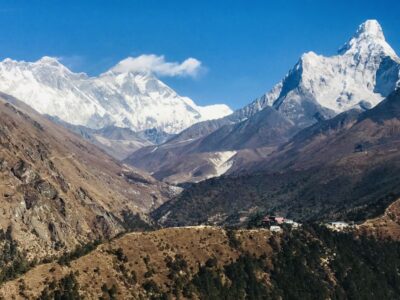
Browse the lists this tour appears in