
Reviewed · EVEREST BASE CAMP TREK
Everest Base Camp Trek
Everest Base Camp is interesting because it gets you close to the biggest name in mountains without needing a summit push. You’ll fly from Kathmandu to Lukla (Tenzing Hillary Airport), then hike into the Khumbu’s Sherpa world, with the payoff of reaching 5,380m at Everest Base Camp and getting that big “whole sky” view from Kala Patthar. I like how the route blends the iconic sights with real village life, and I really like the focus on places like Namche Bazaar, Tengboche Monastery, and Sagarmatha National Park. The main drawback to plan for is altitude strain. You should bring a moderate fitness baseline and respect the thin air, especially in the later days.
Another thing I like is the human side of the trek. This experience is run by Nepal Trekking Routes Pvt. Ltd, and you deal with a team that shows up in the details, including communication and on-the-ground guidance from locals such as Shailesh Pokharel and guides like Bishnu, Nawin, Hari, and Navien. The practical downside? This is not a “walk and forget it” stroll. Even when the scenery is unreal, you’ll still be putting in real effort day after day.
Finally, the logistics feel designed to keep stress low. You get pickup offered, mobile ticket support, and included overnight accommodation plus airport/departure tax and national park fees. Just note what is not included: WiFi on board is not part of the deal, alcohol and personal expenses are on you, and tips for guide and porter are not included.
Key highlights you will actually care about
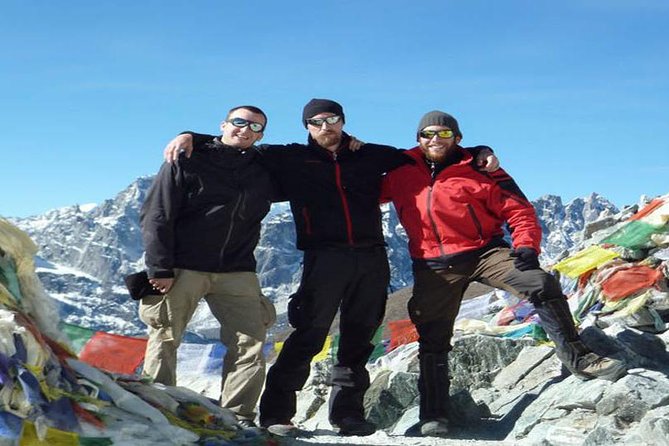
- A scenic flight into the Khumbu from Kathmandu to Lukla (Tenzing Hillary Airport) sets the whole trek in motion.
- Namche Bazaar, the Sherpa gateway and business hub, plus a Sherpa Museum visit to add context to what you’re seeing.
- Tengboche Monastery stop at the heart of the Khumbu spiritual landscape, with views anchored by Mt. Ama Dablam.
- Kala Patthar for 360-degree Everest panoramas, including Everest, Lhotse, and Cho Oyu on clear days.
- Everest Base Camp at 5,380m where you experience history in the footsteps of Hillary and Tenzing Norgay, without the summit risk.
- Small group size (max 15), which usually means you get more attention when the altitude gets real.
From Tribhuvan Airport to Lukla, the flight that makes it feel real
Your trek experience starts in Kathmandu, with Tribhuvan Airport as the start point. The meeting window listed is Monday, 6:15 AM to 6:45 PM, and pickup is offered, so you are not scrambling around town right before takeoff.
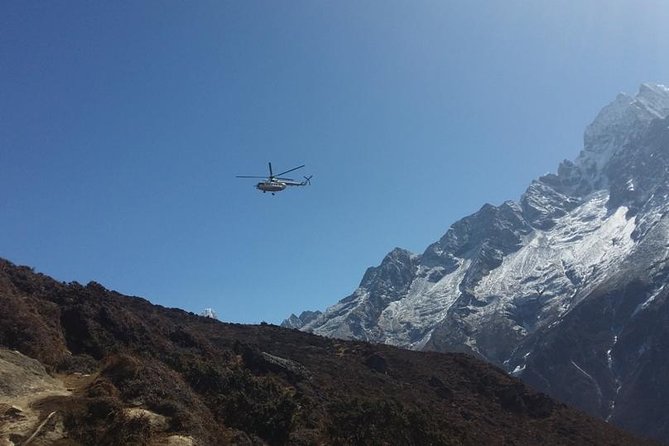
The big moment is the scenic flight from Kathmandu to Lukla, flying into Tenzing Hillary Airport. This is not just transportation. It’s a mood shift. One minute you’re on the Kathmandu side of Nepal, then you land in the Khumbu atmosphere where the trail culture takes over. You also start at an elevation of 2,860m, which means you begin the trek already working with altitude, not after you’ve had time to acclimatize in low valleys.
What I like here for your planning: the flight is a clear, defined start. What can be a drawback is that Lukla flights can be weather dependent in general. The good news is that your trek is built around getting you there and then moving through the Khumbu with guided structure.
More ways to walk to Everest Base Camp:
- Everest Base Camp Trek – 14 Days
★ 5.0 · 1,499 reviews - Everest Base Camp Trek
★ 5.0 · 842 reviews - Everest Base Camp Helicopter Tour landing at Everest View Hotel
★ 5.0 · 668 reviews
Namche Bazaar, the Sherpa “hub” stop that gives context
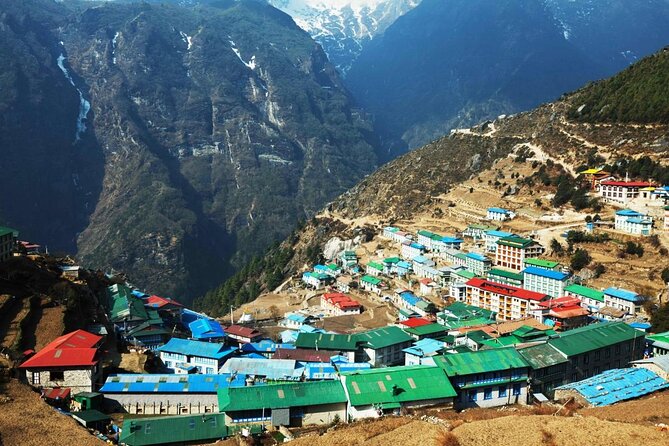
Once you’re on the ground in the Khumbu, you’ll spend time in Namche Bazaar, described as the business hub of the entire Khumbu region. That matters because Namche is not only scenery. It’s where you see how the mountains support daily life.
You’ll also visit the Sherpa Museum in Namche. I like museum stops on treks when they explain what you’re walking through. Here, it helps connect the dots between Sherpa hospitality, trade, and the long relationship between local life and mountaineering history.
You’ll likely also notice a pattern as you go: the trail climbs, the villages appear, and then Namche feels like a full-on town moment. That’s a good mental waypoint. It’s a reminder that you’re not just moving through geography. You’re moving through a living region.
The consideration: Namche is higher altitude, and it’s also where the pace can feel faster than expected. If you are sensitive to altitude, treat Namche like a place to settle in and conserve energy rather than “race to the next view.”
Tengboche Monastery and the Sagarmatha National Park stretch
Tengboche Monastery is a centerpiece of this route. You’ll visit Tengboche Monastery, described as the largest in the Khumbu region, sitting in a landscape framed by Mt. Ama Dablam. This is the kind of stop that makes the trek feel deeper than just a checklist.
The monastery visit is valuable because it changes your focus. You’re no longer just chasing elevation and photos. You’re seeing a spiritual center that has long served the communities living in the shadow of the world’s tallest mountains.
At the same time, the trek runs through Sagarmatha National Park, which is also listed as a UNESCO World Heritage Site. That means the environment is protected, but it also means you’re traveling through a place with rules, fees, and real conservation priorities. You also get national park fees included in the price, so you are not paying surprise entry costs once the trip starts.
What you should watch: monastery days can bring changing weather. Conditions can shift quickly at altitude. If you dress for flexibility, you’ll feel more comfortable as you move between prayer-space calm and exposed trail sections.
Reaching Everest Base Camp at 5,380m, not the summit, still a huge milestone
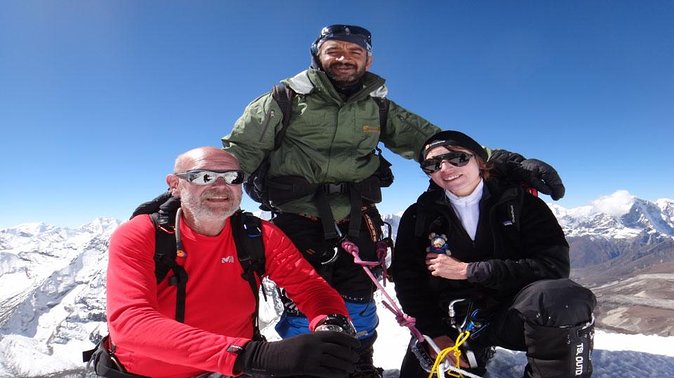
Let’s talk about the heart of the trek: Everest Base Camp. This experience takes you to a highest point of 5,380m (17,600ft). You are getting very close to Mount Everest, close enough that the mountains start to feel less like landmarks and more like neighbors.
You’ll be rewarded with views of Everest and nearby peaks, including Mt. Lhotse and Mt. Cho Oyu. The route is also framed as walking in the legacy of Sir Edmund Hillary and Tenzing Norgay, which adds a history layer to what otherwise could be just another high-altitude destination.
One thing to keep honest: a base camp trek is not easy, even if it is not a summit attempt. The air is thinner. The walking can feel steep. Lodges along the way can be basic, and you will probably spend time adjusting to a slower body rhythm. The payoff is that reaching base camp gives you the real sense of accomplishment. You get the “I am here” moment without the extreme final-risk of a summit.
If you’re deciding how hard you can handle this, use the elevation numbers in your planning. Starting at 2,860m in Lukla, then climbing to 5,380m means you need to take acclimatization seriously. The trek’s structure and your guide’s pacing are part of what keeps this achievable for many people with moderate fitness.
More to compare around Kathmandu
- Private Kathmandu Sightseeing Tour | UNESCO World Heritage sites
★ 5.0 · 756 reviews - Kathmandu: 7 UNESCO Sites with Lunch
★ 4.8 · 744 reviews - Half day cooking class in Thamel kathmandu
★ 5.0 · 607 reviews - Everest Base Camp Trekking
★ 5.0 · 485 reviews
Kala Patthar, the 360-degree Everest view and why it feels like a ritual
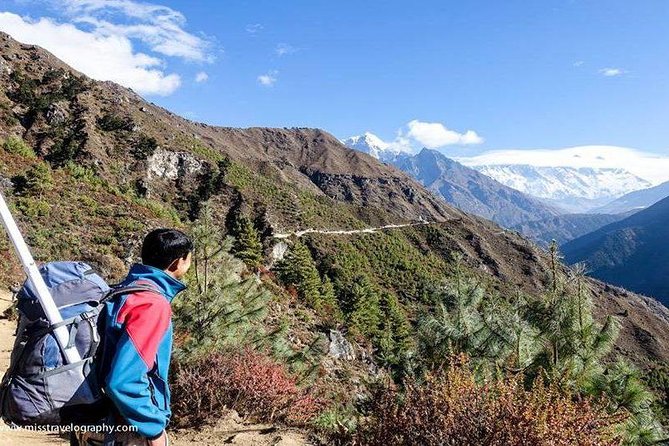
Kala Patthar is where the trek earns its reputation. You’ll go there for a 360-degree panoramic view of the world’s highest peak, Mount Everest, plus nearby snowcapped peaks. You’re also seeing the mountains in multiple directions, which makes the whole Khumbu region feel mapped out in your brain.
This stop is valuable because it’s a different kind of viewpoint than base camp. Base camp gives you scale and history. Kala Patthar gives you geometry, depth, and that sweeping feeling that the Himalayas are huge in every direction, not only straight ahead.
Practical tip for your experience: plan to be ready for cold. Even when the day is clear, temperatures at high points can bite. Having a calm early start and layering choices helps you stay focused on the view instead of fighting the weather.
Also, keep your expectations realistic. Clear skies make Kala Patthar magical. If clouds roll in, you might lose some of that crisp definition. Still, even with partial visibility, the altitude exposure and panoramic breadth are part of the experience.
Everest View Hotel stop, food and comfort where it counts
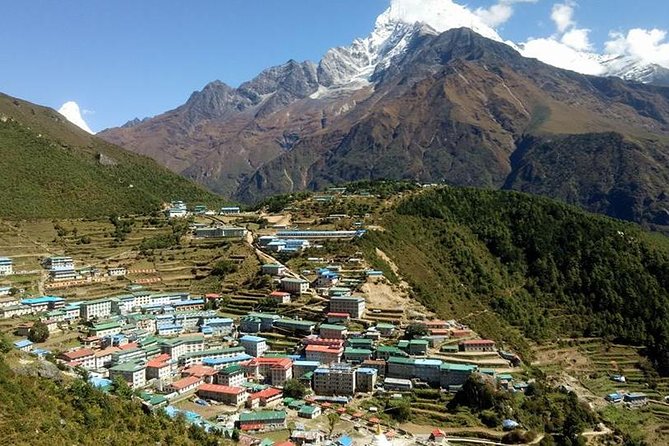
The trek includes a chance for breakfast or lunch at Everest View Hotel, described as one of the world’s highest-altitude hotels. I like this kind of stop for two reasons.
First, it’s practical. Food and a proper meal can make a big difference when you’re climbing and your body is adjusting to thin air. Second, it gives you a “pause point” where the mountains are close but you get a moment of comfort and a better chance to breathe and reset.
You also get a chance to see how high-altitude hospitality works. It’s not about luxury. It’s about functioning at altitude with warmth, routine, and the kind of kindness that keeps trekkers going when the trail gets demanding.
What to consider: this is not the moment to go heavy on alcohol or late-night partying. The experience data explicitly notes that alcoholic beverages are not included, so you should treat the food and rest as the main reward.
Sherpa villages, cuisine, and living culture along the way
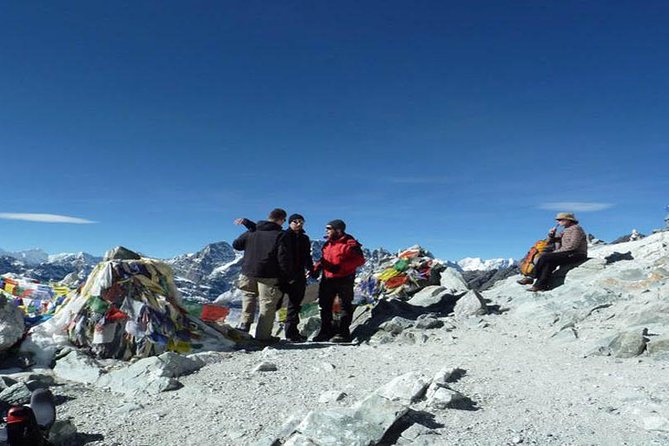
A big part of this trek is not only where you go, but who you meet along the way. You’ll observe Sherpa villages, their culture and traditions, and you’ll get to experience typical cuisines and hospitality.
This matters because Everest Base Camp is one of those places that can feel distant until you see the rhythm of the villages supporting the trek routes. You’ll notice different housing styles, mountain routines, and the way hospitality shows up in ordinary things like conversations, meals, and helpful guidance when the weather shifts.
Also, remember you’re traveling through a community shaped by mountaineering history. The route’s references to Hillary and Tenzing Norgay are not just poster text. They connect to how Sherpa culture developed in relation to climbing.
The only “watch out” here is cultural sensitivity. Follow local norms, be respectful in monastery areas, and treat the people who host you as hosts, not scenery.
Price and value at $1,290 per person, what you get and what you budget
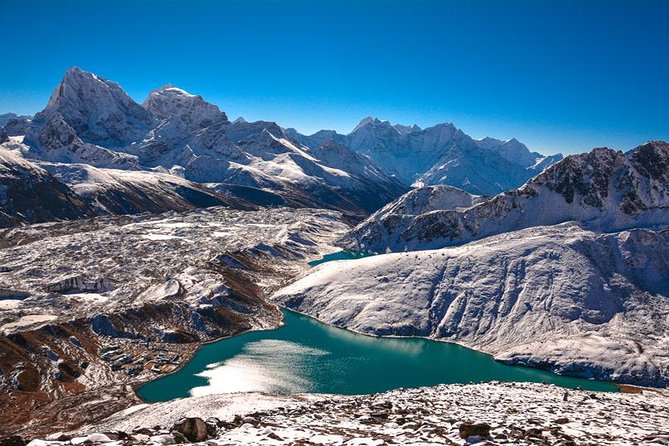
The price listed is $1,290.00 per person for a trek duration of 14 days (approx.) in Kathmandu, Nepal. For a trek in the Everest region, that price feels competitive when you look at what is included.
Here’s what’s covered in the cost:
- Overnight accommodation
- Airport/Departure Tax
- National Park fees
Then what’s not included:
- Alcoholic beverages
- WiFi on board
- Personal expenses
- Nepal arrival visa (the experience notes an arrival visa system)
- International flight fare
- Tips for guide and porter
Why this breakdown matters: you can budget without guessing. Many treks hide costs until the last minute. Here, core park and airport-related expenses are included, which helps you control your overall trip total.
What you still need to plan for is the human tip part. Tips for guide and porter are not included, and on a trek like this that typically means your staff workload and responsibility stay high every day.
Group size is also a quiet value lever. With a maximum of 15 travelers, you are less likely to feel like you’re in a giant production line, and more likely to get help when altitude, timing, or conditions change.
Logistics you should check before you go
This tour includes pickup offered and mobile ticket. Starting at Tribhuvan Airport makes things easier for arrival timing, especially if you are not in Kathmandu for a long time before the trek.
A few specifics from the provided details that are worth keeping handy:
- Confirmation is received at booking time.
- Travelers should have moderate physical fitness.
- Max 15 travelers means you should still plan for shared lodge-style basics rather than private everything.
If you care about comfort, ask yourself one question: do you want a trek that is organized and guided, or do you want full independence? This one is clearly built for guided structure.
Also, the experience has a free cancellation rule stated as: you can cancel up to 24 hours in advance for a full refund. The cut-off uses local time, so keep your watch on Nepal time if you’re close to the deadline.
Should you book this Everest Base Camp trek?
I’d book this if you want the classic Everest Base Camp experience with strong structure: Kathmandu to Lukla flight, Namche Bazaar, Tengboche Monastery, Sagarmatha National Park, Everest Base Camp at 5,380m, then Kala Patthar for that big panoramic payoff. The included overnight accommodation, airport/departure tax, and national park fees make it feel more honest on pricing, and the small group size supports a more personal trekking rhythm.
I would pause before booking if altitude worries you a lot. You still reach serious elevation. If you have any medical concerns, talk to a clinician before going, and be realistic about your ability to handle thin air.
If you’re aiming for a once-in-a-lifetime trek that combines Everest scale with Sherpa culture and monastery spirituality, this is a strong match.
FAQ
Where does the trek start?
It starts at Tribhuvan Airport in Kathmandu, Nepal.
How long is the Everest Base Camp trek?
The duration is listed as 14 days (approximately).
What is the highest elevation reached on this trek?
The highest elevation listed is 5,380m (17,600ft) at Everest Base Camp.
Is a flight included from Kathmandu to Lukla?
Yes. The experience includes a flight from Kathmandu to Lukla (Tenzing Hillary Airport).
Are national park fees included in the price?
Yes. National Park fees are included.
Is overnight accommodation included?
Yes. Overnight accommodation is included.
Do I need a Nepal arrival visa?
The experience notes an arrival visa system, and it says the Nepal arrival visa is not included.
Is WiFi included on board?
No. WiFi on board is not included.
What is included in the cost besides lodging?
The cost includes airport/departure tax and national park fees, along with overnight accommodation.
What is the cancellation window?
Free cancellation is available up to 24 hours in advance for a full refund. If you cancel within 24 hours, the amount paid will not be refunded.
Latest Kathmandu write-ups
- Langtang Valley Trek★ 5.0 · 3 reviews
- Khopra Danda Trek★ 5.0 · 3 reviews
- Langtang Valley Trek from Kathmandu★ 5.0 · 3 reviews
- 5 night / 6 days Kathmandu Nagarkot Chitwan Pokhara tour★ 5.0 · 3 reviews
- Nepal Highlights Tour: 5 Nights 6 Days Kathmandu & Pokhara Tour★ 5.0 · 3 reviews
- Kathmandu Valley Private Day Tour★ 5.0 · 3 reviews
- Conquer the Himalayas: The Ultimate 16-Day Annapurna Circuit Trek★ 3.5 · 3 reviews
- Kathmandu Heritage Day Tour★ 5.0 · 3 reviews
Everest Base Camp Trek, compared.



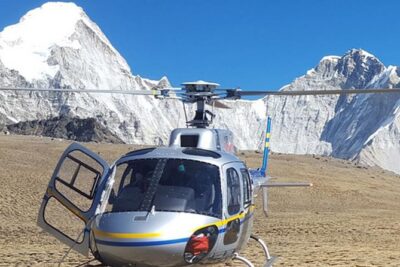
Everest Base Camp Helicopter Tour landing at Everest View Hotel
Read our review →


Everest Base Camp Helicopter Tour landing at Hotel Everest View
Read our review →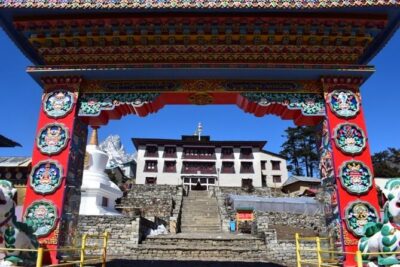
Browse the lists this tour appears in