
Reviewed · EVEREST BASE CAMP TREK
Short Everest Base Camp Trek 10 Days
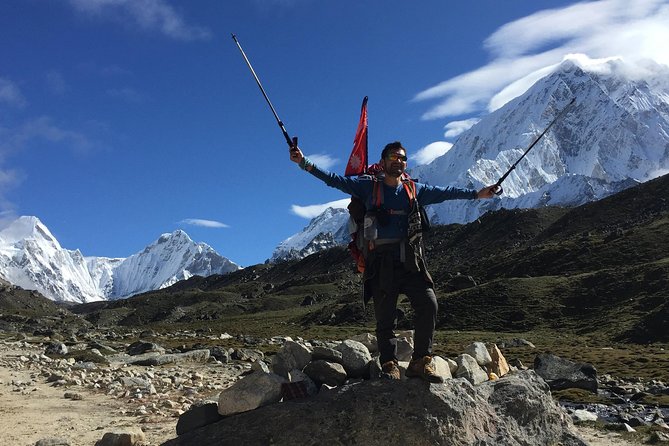
If you want Everest without committing to a month, this short Everest Base Camp trek is a smart way to do it. You still get the big hits, including Mount Everest views, Sherpa culture in the Namche area, and the Khumbu icefall scenery, all on a tight schedule that keeps your trip feeling alive.
What I like most is how the trip is set up to keep you moving and worrying less. First, you get a full package of flights Kathmandu to Lukla and back, plus breakfast, lunch, and dinner during the trek, so you are not constantly recalculating costs and logistics. Second, the inclusion of gear like a sleeping bag, down jacket, and duffel bag (returned after the trek) can save you real money and hassle.
One drawback to consider is pacing. Ten days is a lot to cram into, and you will feel it at altitude. You need a moderate fitness base and the good sense to slow down, drink water, and take acclimatization seriously.
Key highlights you will care about
- Short timeline, big payoff for Everest Base Camp without a long expedition-style commitment
- Kathmandu to Lukla flights are included, turning the journey into a once-in-a-lifetime start
- Namche Bazaar and Sherpa life are part of the route, not an afterthought
- Tyangboche monastery and Khumbu glacier/icefall connect culture and dramatic mountain scenery
- Tea house accommodation with full meal plan keeps day-to-day decisions simpler
- Strong service focus, with guides like Pradeep, Dhruba Dharel, BK, and Susil showing up in excellent feedback
A short Everest Base Camp trek that still feels like Everest
The best thing about a 10-day version of this trek is the way it compresses the experience. You get to trade long travel days for actual hiking time, and you reach the base camp area while your motivation is still high and your legs are not fully cooked.
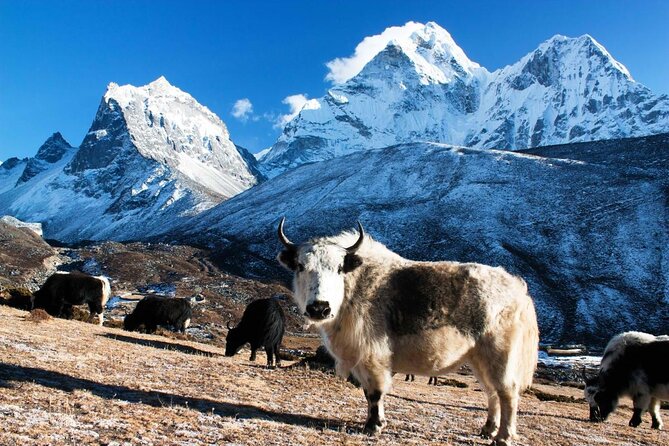
You are also getting the classic Everest storyline in a more efficient format. Everest is the headline, yes, but the route themes are what make the trek memorable. You will see neighboring peaks over 8,000 meters, you will move through the Khumbu area where glaciers dominate the view, and you will pass sights tied to Sherpa culture, including time around Namche Bazaar and the Tyangboche monastery area.
The main thing to plan for is that short trips require good self-management. You might feel great on day one and then get humbled by altitude. If you listen to your guide, keep your effort steady, and do not treat this like a race, you will have a much better time.
More ways to walk to Everest Base Camp:
- Everest Base Camp Trek – 14 Days
★ 5.0 · 1,499 reviews - Everest Base Camp Trek
★ 5.0 · 842 reviews - Everest Base Camp Helicopter Tour landing at Everest View Hotel
★ 5.0 · 668 reviews
Kathmandu to Lukla: the included flight that sets the tone
This trek starts at Tribhuvan Airport in Kathmandu. You get pick-up support, plus an air-conditioned vehicle as part of the package, which helps you start smoother, especially if you are arriving from a long flight.
Then comes the part many people talk about because it is different from normal trekking travel: the thrilling flight to Lukla. Even if you are nervous about flying, it is often the moment that makes Everest feel real. You see Nepal’s terrain from above first, then you step into it on foot.
Practical note: your itinerary depends on weather, and mountain flights can be sensitive. The good news is the provider builds in a plan for weather disruption, including the possibility of a different date or a full refund if conditions cancel the experience.
Trekking through the Dhudhkosi River valley
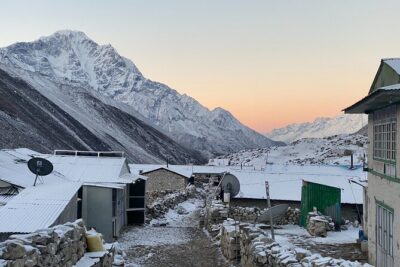
After Lukla, you will work through the valley area, including time along the Dhudhkosi River corridor. This matters more than it sounds. Valleys like this give you a steady sense of direction, and they tend to offer constant scenery changes without turning the trek into endless ups and downs in your mind.
If you like variety, this part delivers. You will go from village life to open views to the feeling that the mountains are getting closer every hour. It is also where you learn the rhythm your body wants: breathe, pause, drink, keep walking.
A tip that works on short treks: do not judge the day by how you feel at the start. Judge it by how you feel after lunch and after you have gotten into a steady pace.
Namche Bazaar: Sherpa culture with real context
One of the best things about this route is that it makes room for the Sherpa lifestyle and time around Namche Bazaar, described as the Sherpa capital. This is not just a waypoint. Namche is where the culture and the trekking economy meet, where you start recognizing the faces and the roles people play in mountain life.
What you get from this stop is perspective. You learn how Sherpa communities live with the mountains as a daily reality, not a distant dream. And because you are walking toward Everest Base Camp, you see how that knowledge connects to safety, logistics, and how people adapt to altitude.
You will also notice that Namche area conversations tend to be practical. People talk about weather, trail conditions, and how their bodies feel. In other words, you start thinking like a trekker, not like a tourist.
More to compare around Kathmandu
- Private Kathmandu Sightseeing Tour | UNESCO World Heritage sites
★ 5.0 · 756 reviews - Kathmandu: 7 UNESCO Sites with Lunch
★ 4.8 · 744 reviews - Half day cooking class in Thamel kathmandu
★ 5.0 · 607 reviews - Everest Base Camp Trekking
★ 5.0 · 485 reviews
Tyangboche monastery and the Khumbu glacier theater
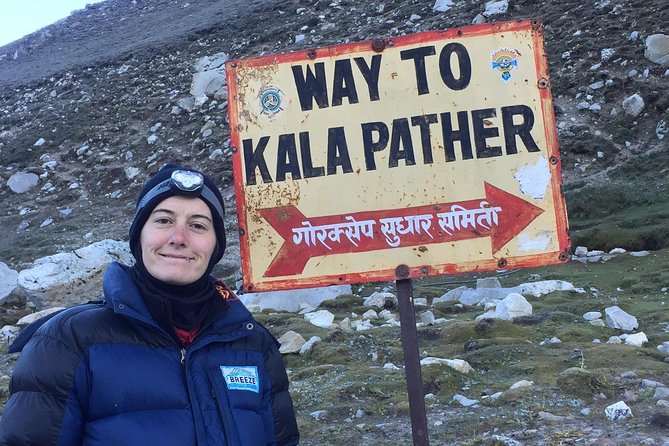
As you continue, you reach the Tyangboche monastery area. Monasteries here do more than look pretty. They give you a pause point that breaks the intensity of hiking. You sit, look around, and remember that this region is not only about peaks. It is about faith, community, and tradition in the middle of a high-altitude world.
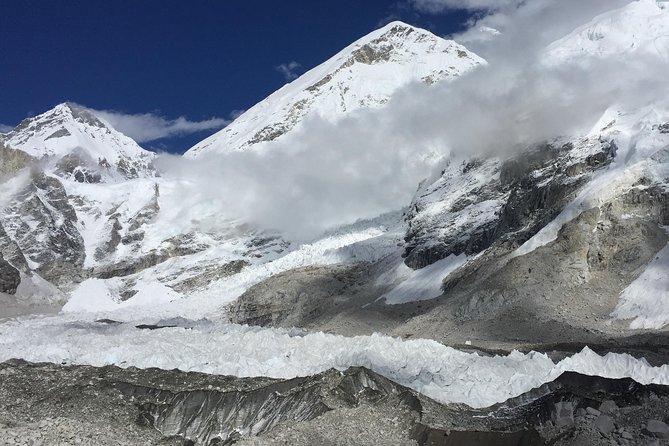
Then the scenery turns more extreme. The route includes the Khumbu glacier and the Khumbu icefall zone as part of the experience. This is where the mountains stop being a view and start acting like a force.
A balanced expectation: you will get dramatic sightlines, but you are still trekking in an environment with serious natural hazards. Your guide’s job is to keep you moving safely. So treat this as a place for observation, not exploration.
If you are the type who wants to be out there with your camera ready, this is your section. Just also be ready to slow down. Icefall area views can tempt you to rush. Resist that urge.
Reaching Everest Base Camp: what to do once you get there
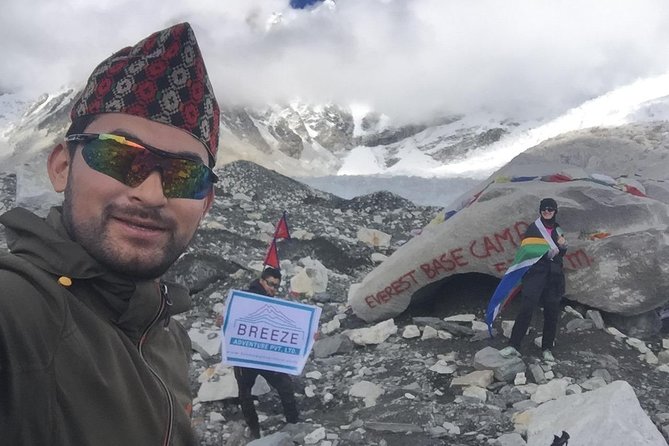
The goal is Everest Base Camp, at the foot of Mount Everest. Getting there is a milestone. Even on a short schedule, it is a moment you will remember because it combines effort, altitude, and the feeling of being inside the Everest story.
When you arrive, focus on three things:
- Enjoy the view first, then check in with your body.
- Take your time. Short trips can create a sprint mindset.
- Use your guide for context. They can explain what you are seeing and why it looks the way it does.
Also, remember what base camp represents. It is not a comfy tourist platform. It is the end of a long approach for people working and training in the region. That reality makes the experience feel more grounded.
Meals, tea houses, and what is included in your day
Food is a big deal on trekking trips, and this one is set up with less guesswork. During the trek you get breakfast, lunch, and dinner, plus tea house accommodation.
This helps in two ways. First, you do not have to negotiate meals each day. Second, it reduces decision fatigue when you are already managing altitude and effort.
What is not included is equally important. Coffee or tea is excluded, as are bottled water and alcohol and soda. That means you should plan on spending a bit along the way. I like to budget for water and small warm drinks because it is easier than trying to time purchases with your hunger.
In Kathmandu, a hotel is not included. So you will need to book your own pre or post-trek stay, depending on your flight schedule.
Gear support: sleeping bag, down jacket, and the packing advantage
A standout value here is the included equipment, especially for people who do not want to buy trekking gear for one trip. You get necessary equipment like a sleeping bag, down jacket, and duffel bag, and it is returned after the complete trek.
That can be a game changer if:
- You are traveling light.
- You want to avoid bulky baggage fees.
- You do not own cold-weather gear that actually fits the Himalaya context.
Still, keep common sense. Gear can vary by provider, and fit matters at altitude. Use the opportunity to confirm what you have before you start, and ask your guide how they expect you to use the down jacket and sleeping bag in the cold.
Guides and the service level that keeps people smiling
Service quality is what drives the strongest reviews. The feedback you should pay attention to is not just friendliness. It is the sense of being looked after from start to finish and the stress-free feeling when planning turns complex.
Names that show up in excellent feedback include Pradeep and Dhruba Dharel, plus references to guides like BK and Susil. The pattern behind those names is consistent: guides pay attention to details, prioritize safety, and help you manage the trek day by day.
That matters on a short itinerary. When time is tight, you cannot afford confusion. A good guide keeps your route moving, helps you pace your effort, and adjusts when weather or trail conditions change.
One real-world example reflected in feedback is how weather can disrupt plans. In one situation involving freak snow conditions in October, the group shifted from a higher-pass idea to base camp instead. That is exactly the mindset you want: flexible and practical, not stubborn.
Price, value, and who this $1,690 trip fits best
At $1,690 per person, you are paying for a lot of logistics and a real reduction in friction. Flights to Lukla and back are included, meals are covered during the trek, tea house lodging is handled, and you get major gear support. Those are not small line items.
Here is how I think about value with a trip like this. You are essentially buying back your time and energy. You spend less time booking, less time deciding, and less time tracking what to bring. On Everest routes, that kind of simplicity is not luxury. It is comfort and clarity.
This tour makes most sense if you:
- Want a classic Everest goal, but in a 10-day window.
- Have moderate fitness and can hike steadily at altitude.
- Prefer a guided plan over self-organizing.
- Like the idea of Sherpa culture as part of the experience, not just scenery.
If you are chasing a super hard, do-it-yourself adventure, this might feel a bit too structured. But if you want the best shot at a smooth trek, it fits nicely.
Weather, altitude, and the practical side of planning
Everest is weather-dependent. Even in a well-run itinerary, conditions can change. The experience notes that it requires good weather, and if it is canceled due to poor weather, you will be offered a different date or receive a full refund.
Altitude is your other big variable. You are told to have a moderate fitness level, but that does not mean altitude is optional. On a short trek, you need to listen to your body and follow your guide’s pace.
My practical advice:
- Plan for slower movement than you think you need.
- Keep hydrated and eat even when you feel like you want to skip food.
- Bring a calm attitude to weather and schedule changes.
Also, this is a private tour, limited to your group. That can be a real benefit if you want a guide to match your pace, and it can reduce the chaos of mixing with strangers on a tight timeline.
Quick booking and change expectations, in plain terms
Confirmation is received at booking time. Cancellation is free, and you can cancel up to 24 hours in advance for a full refund. If weather causes cancellation, you get a different date or a full refund.
Lead time matters too. On average, people book about 47 days in advance. For a trek that depends on flights and conditions, booking earlier usually gives you more breathing room.
Should you book this short EBC trek with Eco Holidays Nepal?
If you want Everest Base Camp in 10 days and you do not want to spend your trip juggling logistics, I think this is a strong match. The included flights to Lukla, the full meal plan during the trek, tea house lodging, and the return-included gear make it feel like a real package, not a bare-bones plan.
I would only hesitate if you know you struggle with altitude pacing or you expect to rush through the trek. This route rewards steady effort and good communication with your guide. If that sounds like you, book with confidence.
FAQ
Where does the trek start?
The trek meeting point is Tribhuvan Airport, Kathmandu, Nepal.
What is included in the price for the trek?
The package includes breakfast, lunch, dinner, air-conditioned vehicle, all fees and taxes, round-trip flights Kathmandu to Lukla and back, tea house accommodation during the trek, and necessary equipment like a sleeping bag, down jacket, and duffel bag (returned after the trek). A route map is also included.
Do I need to bring a sleeping bag or down jacket?
No. The tour includes necessary equipment such as a sleeping bag and a down jacket, plus a duffel bag, with gear returned after the trek is complete.
Are meals fully covered?
Meals during the trek are included: breakfast, lunch, and dinner. Coffee and/or tea is listed as not included.
Is a hotel in Kathmandu included?
No. The tour does not include a hotel in Kathmandu.
Is a porter included?
Porter service is not included. It notes porter if needed.
Is this a private tour?
Yes. It is listed as a private tour/activity, meaning only your group participates.
What fitness level do I need?
The experience says travelers should have moderate physical fitness.
What happens if the trek is canceled due to weather?
If it’s canceled because of poor weather, you will be offered a different date or a full refund.
What is the cancellation timeframe for a full refund?
Free cancellation is available. You can cancel up to 24 hours in advance for a full refund. If you cancel less than 24 hours before the start time, the amount paid is not refunded.
Latest Kathmandu write-ups
- Langtang Valley Trek★ 5.0 · 3 reviews
- Khopra Danda Trek★ 5.0 · 3 reviews
- Langtang Valley Trek from Kathmandu★ 5.0 · 3 reviews
- 5 night / 6 days Kathmandu Nagarkot Chitwan Pokhara tour★ 5.0 · 3 reviews
- Nepal Highlights Tour: 5 Nights 6 Days Kathmandu & Pokhara Tour★ 5.0 · 3 reviews
- Kathmandu Valley Private Day Tour★ 5.0 · 3 reviews
- Conquer the Himalayas: The Ultimate 16-Day Annapurna Circuit Trek★ 3.5 · 3 reviews
- Kathmandu Heritage Day Tour★ 5.0 · 3 reviews
Everest Base Camp Trek, compared.

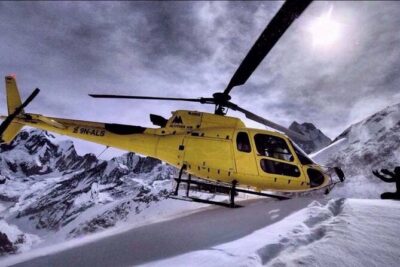
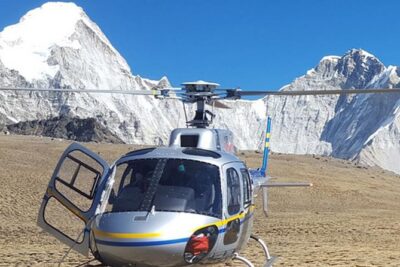
Everest Base Camp Helicopter Tour landing at Everest View Hotel
Read our review →
Everest Base Camp Helicopter Tour landing at Hotel Everest View
Read our review →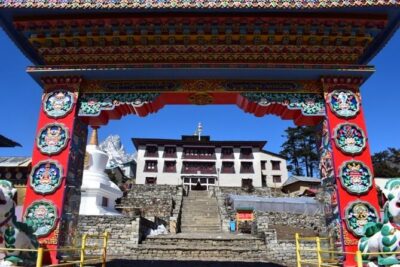
Browse the lists this tour appears in