
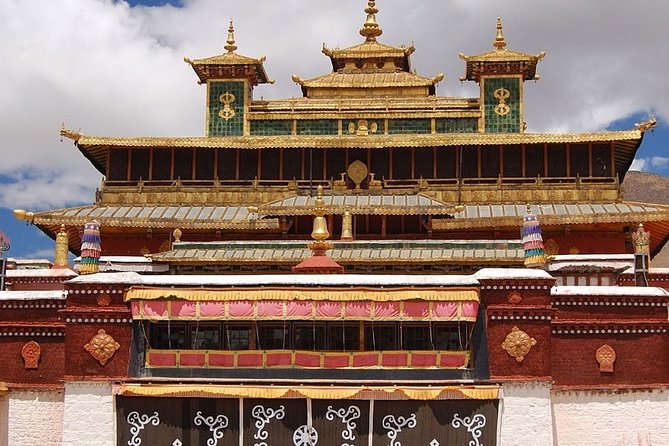
Reviewed · EVEREST BASE CAMP TREK
Tibet Tour With Everest Base Camp – FLY IN DRIVE OUT- 8 DAYS
This 8-day fly-in, drive-out Tibet trip is interesting because it stitches together Lhasa’s top monasteries and temples with an Everest Base Camp hike. You start in Kathmandu, land in Tibet, then follow a long overland route back through the Nepal border.
I like that it runs as a private tour for your group, with an English-speaking Tibetan guide and airport and hotel pickup so you are not doing logistics on your own. I also like that the price covers Tibet permits and entry fees, plus the main sightseeing costs listed for the trip.
The main consideration is altitude. You cross very high mountain passes and go up toward Everest Base Camp, so you need to take acclimatization seriously and pace yourself.
Key highlights
- Fly into Lhasa, then drive back to Kathmandu via the Rasuwagadi border
- Two days in Lhasa covering Potala Palace, Jokhang Temple, Barkhor Bazaar, Drepung Monastery, and Sera Monastery
- High-pass route toward Gyantse via Kora La (5,010m) and Kamba La (4,794m) plus Yamdrok Lake
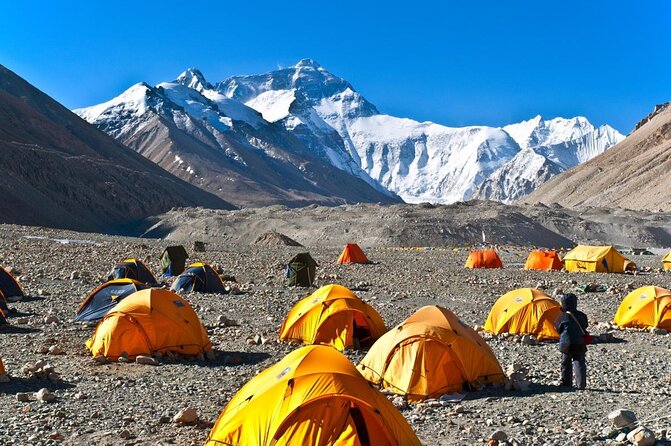
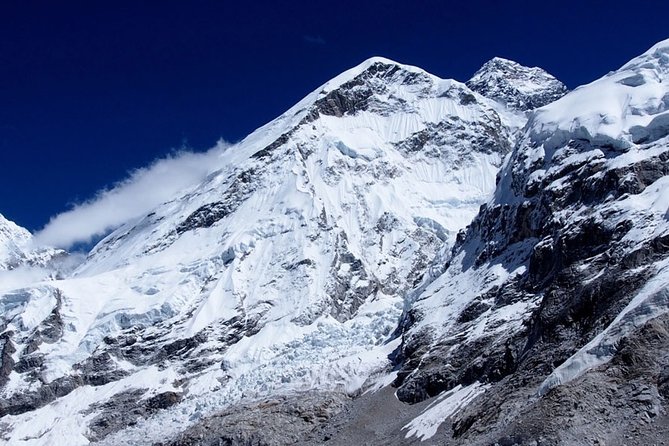
- Ronbuk Monastery area and the Everest Base Camp hike for close-up Himalayan views
- Permits and sightseeing fees handled, with private vehicles and an English-speaking Tibetan guide
- Daily breakfast in Lhasa to help you fuel up for early starts
Fly-In Drive-Out Tibet: why this route is practical
This is the kind of trip that makes sense when you want the best of Tibet without doing the same travel day twice. Flying into Lhasa saves you a lot of time compared to starting overland from Nepal, and then the drive-out gives you the long-window views across the Tibetan Plateau.
You also get a built-in rhythm: first you land and rest in Lhasa to adjust, then you do temple and monastery days, and only later do you move deeper into the plateau toward Gyantse, Xigatse, and the Everest area. That sequencing matters because altitude is not a one-time issue. It affects how you sleep, eat, and walk, even when you feel fine.
And yes, the itinerary is ambitious. The upside is you see more than just one corner of Tibet. The downside is you should be honest with yourself about your fitness and comfort at elevation.
More ways to walk to Everest Base Camp:
- Everest Base Camp Trek – 14 Days
★ 5.0 · 1,499 reviews - Everest Base Camp Trek
★ 5.0 · 842 reviews - Everest Base Camp Helicopter Tour landing at Everest View Hotel
★ 5.0 · 668 reviews
Day 1 in Lhasa: Gonngar Airport, 1-hour drive, and real acclimatization time
You start with a flight from Kathmandu to Lhasa, arriving at Gonggar Airport. Then it is about a 1-hour drive to Lhasa, followed by a full rest period to settle your breathing and get your bearings.
This day is not about ticking boxes. It is about letting your body catch up. Lhasa is high, and even if you feel okay at arrival, you may feel it later the same night or the next morning.
Practical tip: keep your first day low-key. Drink water, take it slow with stairs, and avoid the temptation to sprint into sightseeing after landing.
Overnight is at a hotel in Lhasa, with breakfast included the next morning.
Two days in Lhasa: Potala Palace, Jokhang, Barkhor Bazaar, and two major monasteries
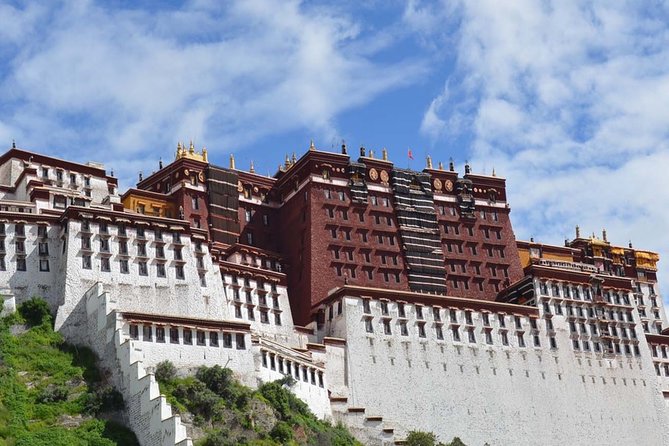
Your Lhasa time is built around five big names: Potala Palace, Jokhang Temple, Barkhor Bazaar, Drepung Monastery, and Sera Monastery. You get this spread across two days, so it is not one exhausting cram session.
Potala Palace
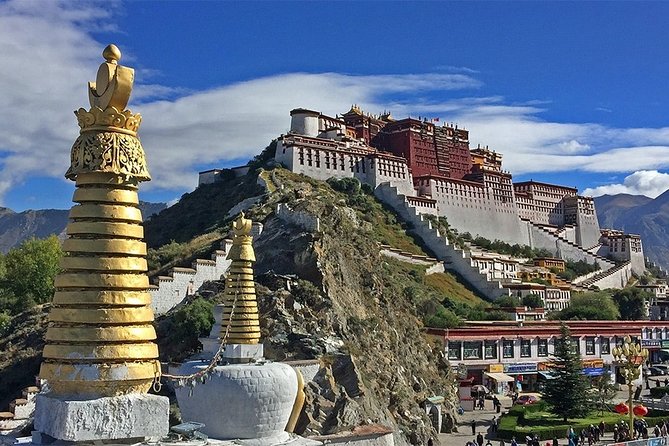
Potala is the classic Lhasa stop for a reason. You come away with a clear sense of Tibet’s royal and religious power center. Plan for lines and time spent moving through halls. Even when you are not a museum person, Potala helps you understand the scale of the city’s spiritual gravity.
More to compare around Kathmandu
- Private Kathmandu Sightseeing Tour | UNESCO World Heritage sites
★ 5.0 · 756 reviews - Kathmandu: 7 UNESCO Sites with Lunch
★ 4.8 · 744 reviews - Half day cooking class in Thamel kathmandu
★ 5.0 · 607 reviews - Everest Base Camp Trekking
★ 5.0 · 485 reviews
Jokhang Temple and Barkhor Bazaar
Jokhang is a major pilgrimage site. Around it, Barkhor Bazaar is where life happens. You will likely want to slow down here, because the best moments are not always the biggest ones. Watching how people move through temple space and how the bazaar hums can feel like the real Tibet lesson.
Drepung and Sera Monasteries
Drepung and Sera add variety. They are not just architecture stops. They help you connect the dots between monastic life, education, and the long religious traditions you see in Lhasa.
A balanced warning: with so many sites in a short span, you might feel “templed out” if you try to rush. The smart move is to take breaks, especially if you feel a headache or light fatigue. Your guide can help you pace the day if the group wants to move faster.
Day 4 to Gyantse: Yamdrok Lake and the passes at Kora La and Kamba La
After Lhasa, you shift to long drives and big elevations. Day 4 takes you toward Gyantse, with a route that includes Yamdrok Lake and high passes: Kora La (5,010m) and Kamba La (4,794m).
These passes are not scenic wallpaper. They are the kind of stretches where cold air hits differently and your body notices every step. The road itself can be slow, and you will likely feel it in your back and legs after hours in a vehicle. Bring layers and expect the temperature swings.
Gyantse sightseeing: Pholkor and Kumbum Monastery
Once you reach Gyantse, the itinerary includes stops at Pholkor and the Kumbum Monastery. Kumbum is especially worth your time because it stands out as a distinctive complex, and it is the sort of place where details reward patience. Pholkor fits the theme of Tibetan Buddhist devotion and helps break up the driving day with a more human scale.
In the afternoon, you continue onward to Xigatse (about 1.5 hours), driving through typical Tibetan countryside. That countryside drive is part of the deal. Even if you do not take photos constantly, it is where you start to feel the plateau as a place, not just a backdrop.
Day 5: Tashilhumpu Monastery, then Gyatchula Pass to Xegar
Day 5 begins with a visit to Panchen Lama’s Tashilhumpu Monastery, then moves into more altitude challenges as you drive across Gyatchula Pass (5,200m) to Xegar.
Tashilhumpu Monastery
This stop adds another layer to your Tibet understanding. You are seeing another major religious center linked to the Panchen Lama lineage. Monasteries here are not just buildings. They act like living institutions, even on sightseeing days.
Gyatchula Pass and the drive to Xegar
Gyatchula Pass is the kind of number that makes you respect altitude. If you have been fine so far, this is still a day to slow down. The best strategy is to let the vehicle do the hard work while you focus on staying warm and hydrated.
Overnight is at a hotel in Xegar.
Day 6: Ronbuk Monastery, the highest monastery claim, and staying grounded
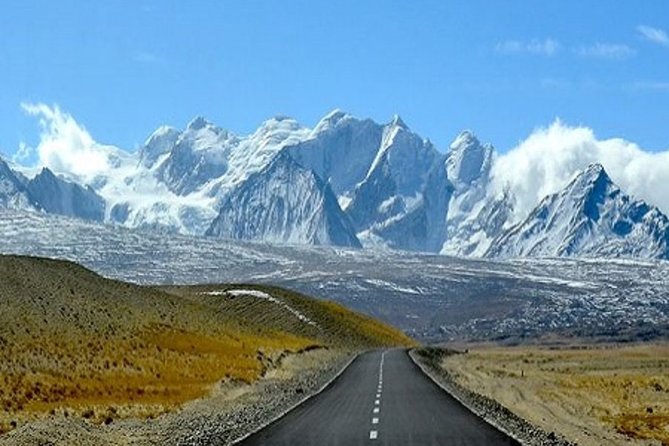
You drive to Ronbuk through Tibetan countryside and explore Ronbuk Monastery, described as the highest monastery in the world. Even if you do not care about superlatives, the setting alone helps you grasp why monks and pilgrims chose these places in the first place.
This day functions as a warm-up before Everest Base Camp. Your job is not to “perform.” Your job is to arrive in good shape the next morning and afternoon for the big hike.
Practical tip: take the viewpoint time seriously but do not rush. If you try to squeeze in every photo without breaks, your breathing may pay for it later.
Overnight is at a guest house in the Ronbuk area.
Day 7: the Everest Base Camp hike, then back to Ronbuk and on to Kerong
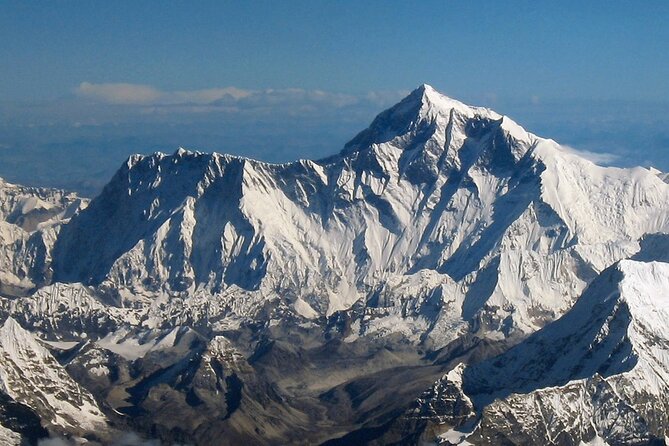
Day 7 is the headline act: you hike up to Everest Base Camp and explore around, then return to Ronbuk. After that, you drive to Kerong for the overnight.
Base Camp is not a walk in the park. You are dealing with cold, altitude, and effort. Even if you already hike at home, the elevation changes everything. I always suggest you aim for steady steps, slow breathing, and a pace that lets you talk in short sentences. If you cannot, you are going too fast.
What I love about this day is that it is not just “arrive, stand, leave.” You get time to explore around Base Camp area after the hike, then you go back. That round-trip structure makes the experience feel more real, like you earned the views rather than just passing them.
Overnight is at a hotel in Kerong.
Day 8: the Rasuwagadi border day and back to Kathmandu
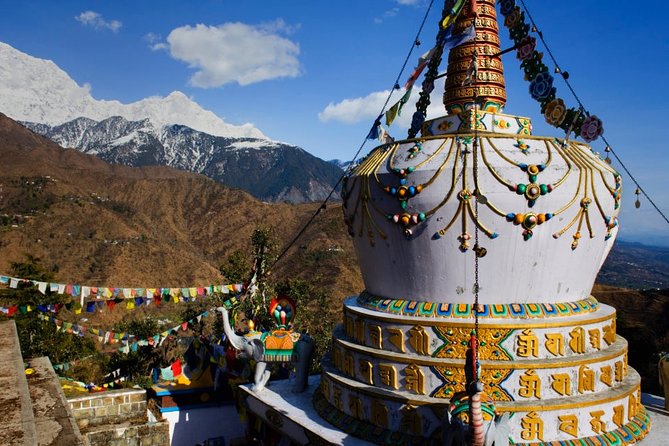
The final day is long and mostly practical. You drive to Rasuwagadi Border, complete necessary border formalities, then continue the drive to Kathmandu.
Border days can feel slow. This is not the day for big energy planning. Instead, think of it as a wrap-up logistics day where you keep your documents organized and follow the flow your team sets.
Once you hit Kathmandu, you will likely feel a big shift from cold plateau air to city rhythm. Give yourself a little time before you make dinner plans or wander far.
Price and value: what $2,299 covers, and what you still need to budget
At $2,299 per person, the value is strongest if you want a guided, permit-covered, overland Tibet plan without hiring separate vehicles and dealing with entry fees yourself.
Here is what the included costs clearly cover:
- Tibet travel permits and entry fees
- Pickups and drops from airport and hotel
- Private vehicles for transportation
- English-speaking, trained Tibetan guide
- Sightseeing and monastery fees listed for the route
- Driver costs (salary, meals, accommodation) and vehicle running costs like fuel, road taxes, and parking
- Accommodation in Lhasa on a twin-sharing basis with breakfast included (8 breakfasts listed)
What is not included, based on the tour details:
- Flights (the plan flies from Kathmandu to Lhasa, but flights cost extra, and international flights are not included)
- Chinese visa fee
- Travel insurance
- Meals other than breakfast in Tibet
- Tips for guide and driver
- Nepal visa
- Accommodation in Nepal or mainland China beyond what is specifically named as included in Lhasa
So the real question is not only cost. It is risk and friction. With permits and sightseeing fees handled, you reduce a lot of stress at a place where paperwork and timing matter. That is where the price earns its keep.
If you want a simple rule: if you already planned for visas, insurance, meals, and your flight, this price is much easier to justify.
Getting the most out of it: fitness, pacing, and altitude basics
Even though the trip says most travelers can participate, this itinerary is still a serious altitude program. You cross passes at roughly 4,800m to 5,200m, and you hike to Everest Base Camp.
My practical advice:
- Pace yourself from the first full day in Lhasa. If you start fast, you will pay later.
- Keep warm. Cold air is a silent energy thief.
- Expect early starts on long-drive days, and plan for car time to be tiring even if the scenery is worth it.
If you have a medical condition affected by altitude, you should talk to a professional before committing.
Also, note that this tour is private for your group. That is great for pacing, but it also means your experience will reflect your group’s energy. If you want a calmer trip, say so early.
Who should book this Tibet and Everest Base Camp plan
This tour fits best if you want:
- A structured route with permits and sightseeing fees handled
- A guide who can explain what you are seeing, not just drive you to it
- The combination of Lhasa culture plus Everest Base Camp without changing travel styles halfway
- A private setup, so your group can move at a comfortable pace
It may not fit as well if you hate long drives, dislike high-altitude travel, or want a very light walking itinerary. Everest Base Camp day is the main commitment here.
One more value note from past feedback: people tend to praise the fact that everything feels perfectly planned and the guidance is excellent. In other words, you are not left improvising in a complicated region.
Should you book it?
If your dream is Tibet, plus the Everest Base Camp day, and you want a guided, permit-covered plan with private vehicles, I think this is an easy yes to consider. The route’s biggest strengths are the Lhasa-to-Everest flow and the fact that key logistics like permits and major sightseeing fees are handled.
Book it if you are ready for altitude and can handle a hike day plus long drives. Think twice if you want comfort over effort, or if you are not sure about your ability to pace at high elevation. If you do book, bring patience, dress in layers, and take acclimatization seriously, your best views and your best energy will come from that.
FAQ
Are flights from Kathmandu to Lhasa included?
The itinerary is built around a flight from Kathmandu to Lhasa on Day 1, but the tour details note that flights cost extra, and international flights are not included. You should budget for that flight separately.
What’s included for Tibet permits and sightseeing?
The tour includes all necessary Tibet travel permits and entry fees, and it also includes all fees for sightseeing and monastery visits as outlined in the route.
Do I need a Chinese visa?
Yes, the Chinese visa fee is listed as not included. The tour includes permits and entry fees, but the visa cost itself is separate.
Are meals included?
Breakfast is included (8 breakfasts are listed). Meals other than breakfast in Tibet are not included.
Is accommodation included only in Lhasa?
The included section specifically mentions accommodation in Lhasa on a twin-sharing basis with breakfast. The route includes overnight stops at other places (like Ronbuk and Kerong), so you should confirm what is included for those nights in your booking details.
Can I cancel for free?
Yes. Free cancellation is offered if you cancel up to 24 hours in advance of the experience’s start time for a full refund. If you cancel less than 24 hours before, the amount paid is not refunded.
Latest Kathmandu write-ups
- Langtang Valley Trek★ 5.0 · 3 reviews
- Khopra Danda Trek★ 5.0 · 3 reviews
- Langtang Valley Trek from Kathmandu★ 5.0 · 3 reviews
- 5 night / 6 days Kathmandu Nagarkot Chitwan Pokhara tour★ 5.0 · 3 reviews
- Nepal Highlights Tour: 5 Nights 6 Days Kathmandu & Pokhara Tour★ 5.0 · 3 reviews
- Kathmandu Valley Private Day Tour★ 5.0 · 3 reviews
- Conquer the Himalayas: The Ultimate 16-Day Annapurna Circuit Trek★ 3.5 · 3 reviews
- Kathmandu Heritage Day Tour★ 5.0 · 3 reviews
Everest Base Camp Trek, compared.



Everest Base Camp Helicopter Tour landing at Everest View Hotel
Read our review →


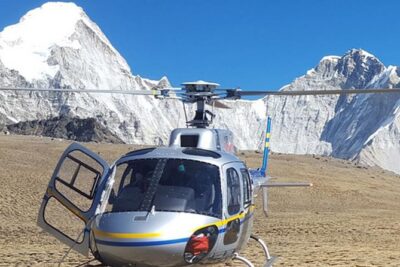
Everest Base Camp Helicopter Tour landing at Hotel Everest View
Read our review →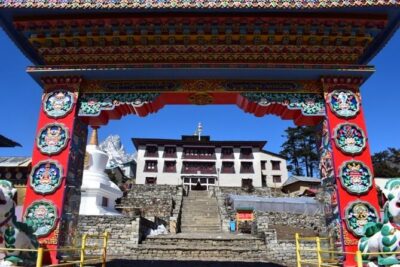
Browse the lists this tour appears in