
Reviewed · LANGTANG VALLEY TREK
Kathmandu: 6 Days Langtang Valley Trek
The Langtang Valley trek is interesting because you get high-mountain views without needing weeks on the trail, and you also pass through Tamang communities with their own traditions. I especially like the Kyanjin Gompa stop for monastery time and the Tamang village culture you encounter along the way. One consideration: you will go to high altitude, and the trek includes an optional climb that can feel tough if you rush your pace.
I also like the way this is run for real-world comfort: hotel pickup and drop-off, organized transport to the trailhead, and trekking permits handled for you. In the most positive stories, the guide Ghanshyam stands out for keeping things calm and practical, with patient pacing and useful explanations while you walk.
Finally, the itinerary is weather-dependent. The route can shift due to seasonal conditions, so you should expect small changes and stay flexible with your days, especially if you’re hoping for the clearest views at the highest points.
Key things that make this Langtang Valley trek worth your time
- A focused 6-day format that brings you to major sights without a long trek commitment
- Kyanjin Gompa time including monastery exploration and a cheese factory visit
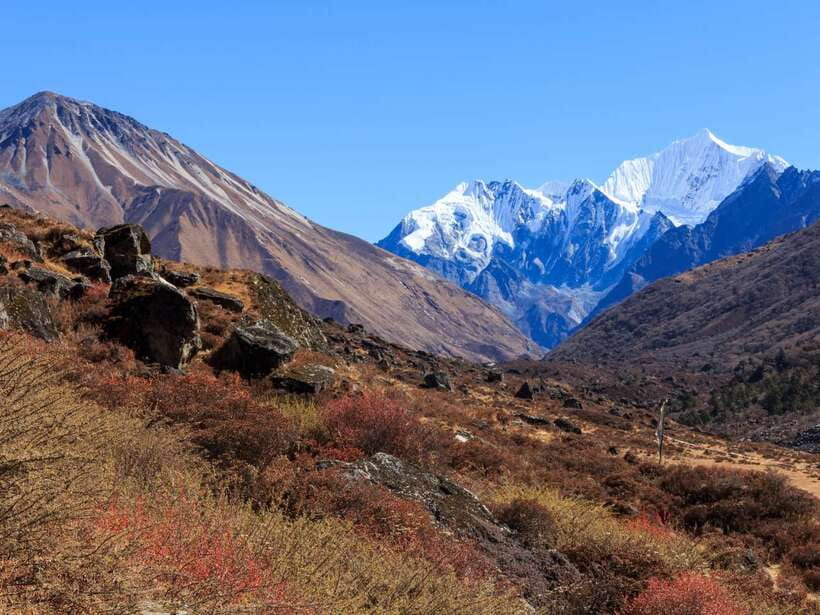
- Optional Kyanjin Ri for big panoramic views if you want a challenge
- All meals included in the full package, which helps you avoid food juggling at altitude
- A caring, safety-minded guide experience highlighted by how Ghanshyam supports first-time trekkers
Why the Langtang Valley trek feels personal in a short 6 days
You’re paying for a guided, structured trek at a pretty lean price point, and that matters because trekking logistics can eat up time and energy. At about $206 per person, you get the core essentials you would otherwise have to coordinate: transport in Kathmandu, permits paperwork and fees, and accommodation during the trek, plus taxes and staff costs.
The biggest value is that this is built to be manageable for a shorter holiday. You’re not just walking from one lodge to the next. You’re moving through a valley shaped by the Himalayas, with time at places that make the trek feel like more than exercise.
Also, this is a private group, so you’re not stuck waiting on a slow or fast pack that sets the rhythm. You still follow a guided plan, but you’re more likely to get the pace and attention you need.
One more detail I’d treat as a plus: there’s a separate entrance that helps you skip waiting around for what’s essentially paperwork and entry processing.
More of the Langtang valley:
- Kathmandu: 6-Day Limitless Langtang Trek
★ 5.0 · 21 reviews - Langtang, Gosaikunda and Helambu Trek
★ 5.0 · 9 reviews - Langtang Gosainkunda Trek
★ 5.0 · 5 reviews
Day 1: Kathmandu to Syabrubesi, then on to Pahiro
On the first day, you start with a scenic drive from Kathmandu to Syabrubesi, the gateway into the Langtang region. This isn’t a random start, it’s a useful one. The road transfer helps you settle in and avoid trying to jump straight from city life into serious hiking.
Then you begin walking along the Langtang River, with peaceful forest paths and village scenery around you. The overnight stop is Pahiro at about 1,550m, which is a smart early landing zone. The goal here is to get your legs moving, not to race upward.
If you’re a first-time trekker, this is the day you’ll feel most “on ramp.” A guide can help you find a comfortable pace right away, and that sets up your altitude experience later.
Day 2: Climbing toward Ghoda Tabela through forests and villages
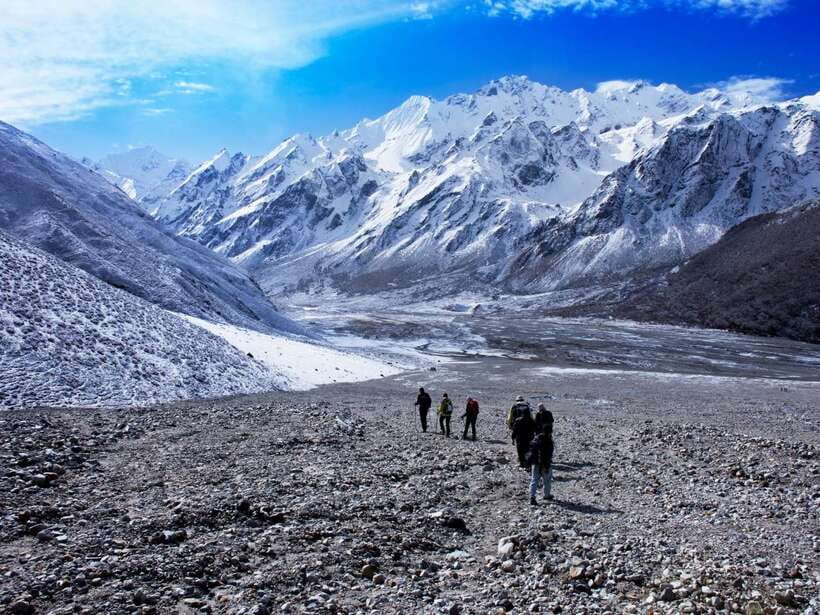
Day two pushes higher, with your trek taking you from Pahiro up to Ghoda Tabela around 2,900m. You’ll walk through green forest trails, pass through charming villages, and likely catch glimpses of waterfalls along the way.
This day is where many people feel the shift from easy walking into steady mountain effort. That’s not a bad thing. It’s also why the overnight placement matters. You’re building altitude gradually, and your body gets time to adjust between camps.
I also like how this kind of day keeps you busy in a good way. You’re not just staring at the highest peak the whole time. You’re seeing everyday life, small settlements, and the rhythm of trail travel in the Langtang area.
Day 3: Kyanjin Gompa at 3,870m, monasteries and a cheese stop
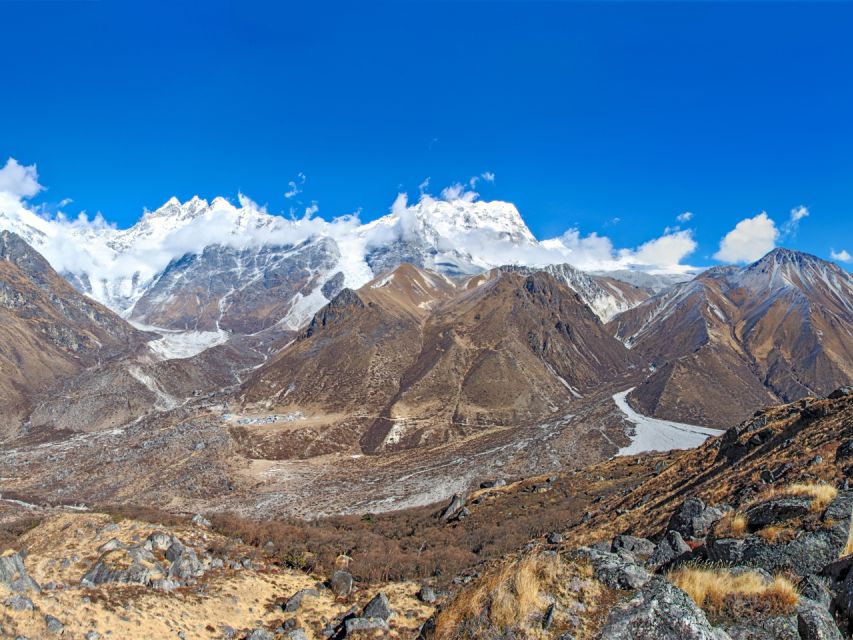
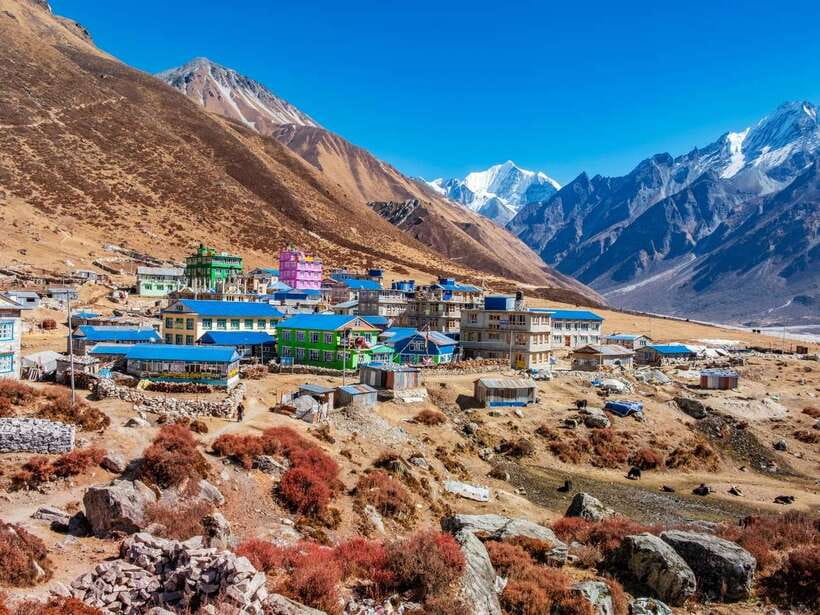
By day three, you reach Kyanjin Gompa at about 3,870m, and the trek becomes more about place than just distance. The trail brings you into an area surrounded by towering peaks, and you’ll also experience Tamang culture more directly.
Once you arrive, you get time to explore the ancient monastery grounds. This is one of the most meaningful parts of the trek because it’s not just a scenic viewpoint. It’s a living spiritual setting, with local customs and daily life happening alongside your visit.
You also get a stop connected to local food, including a cheese factory visit and tasting. That’s a genuinely practical highlight. When you taste something made locally, you understand the area a bit better than you would from a photo. It also breaks up the day in a nice way after hiking.
And because you’re staying overnight at Kyanjin Gompa, you’re not rushing through. You get to slow down, settle your gear, and enjoy the atmosphere after the walking is done.
More to compare around Kathmandu
- Kathmandu: 7 UNESCO Sites with Lunch
★ 4.8 · 744 reviews - Everest Base Camp Helicopter Tour landing at Everest View Hotel
★ 5.0 · 668 reviews - Kathmandu: Local Women-Led Nepali Cooking & Momo Class
★ 4.9 · 360 reviews - Manaslu Circuit Trek
★ 5.0 · 292 reviews
Day 4: Kyanjin Ri optional hike, the big views and the tough part
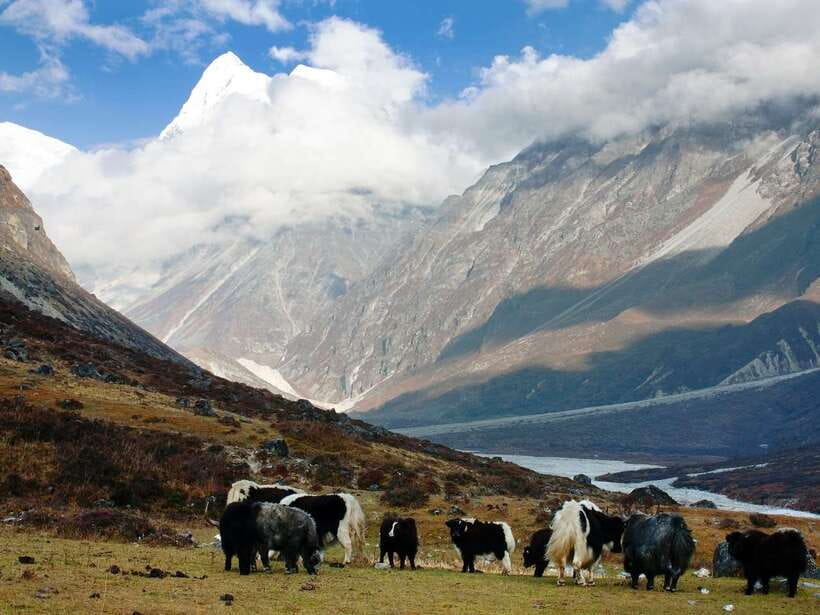
Day four has the option that turns this trek from good to memorable for many people: the Kyanjin Ri hike. The viewpoint climb goes up to roughly 4,770m, which is a big jump in altitude compared with earlier stops.
The benefit is clear. The payoff is the panoramic mountain views across snow-covered peaks and glacial valleys. If you handle altitude well and keep a steady pace, this can become the defining day of your trip.
The consideration is also clear. This hike is described as challenging, and you should treat it as a “go by feel” effort, not a fitness contest. If you start feeling unwell, your best move is to follow your guide’s direction and adjust your plan.
After the optional climb, you descend back and trek onward to Thangsyap at around 3,200m for the overnight stay. That descent is important. It’s a reminder that even though you go high, the trek is set up so you come back down for rest.
Day 5: Thangsyap back to Syabrubesi, walking the valley in reverse
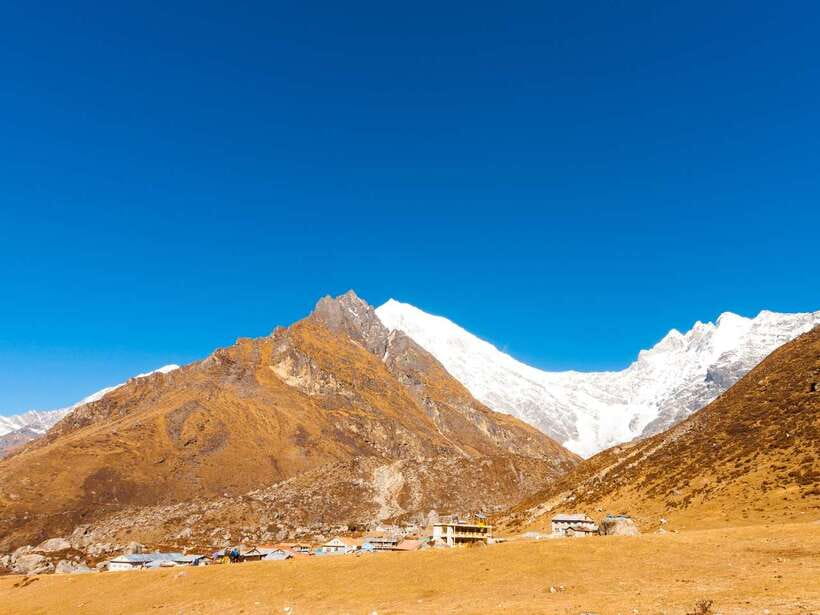
On day five, you head back toward Syabrubesi, retracing part of the route. You go from Thangsyap down to Syabrubesi at about 1,550m.
I love this kind of return day because it gives you a second chance to notice things you may have missed going up. Trails often look different when you’re not focused only on reaching the next camp. The river-side path helps here too, since you can settle into a steady rhythm.
This is also the day when the whole trek “clicks” mentally. After a big viewpoint day, the return walk gives you time to reflect, recover, and enjoy the valley without the same altitude stress.
Day 6: Drive back to Kathmandu and your last mountain morning
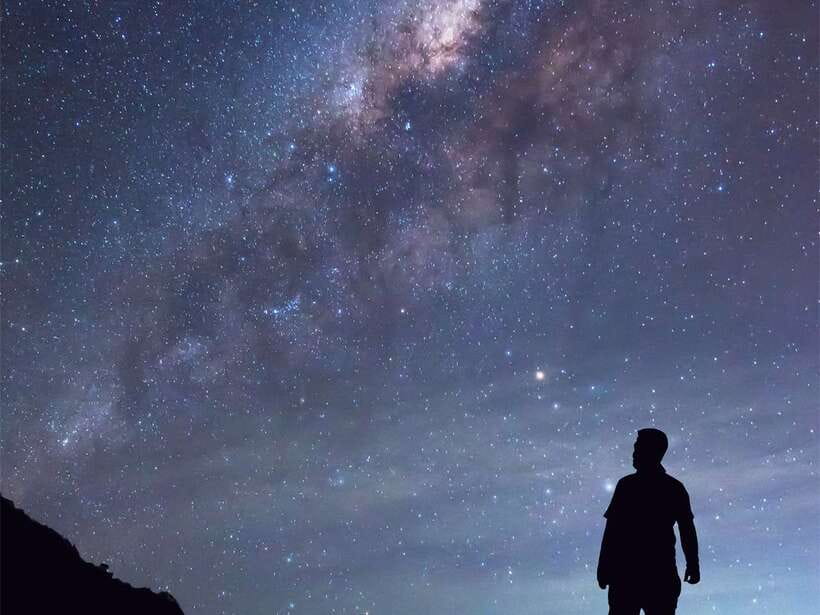
The final day is simpler. You leave Syabrubesi and drive back to Kathmandu. After six days in mountain air, this transition feels like a reset. It’s also when you realize how much your senses change after days of trail walking, even when the itinerary was only a week long.
If you have time that day, I’d keep your schedule light. You’ll probably want a slow meal, shower, and time to sort photos while the details are still fresh.
Altitude and weather reality around 3,870m and 4,770m
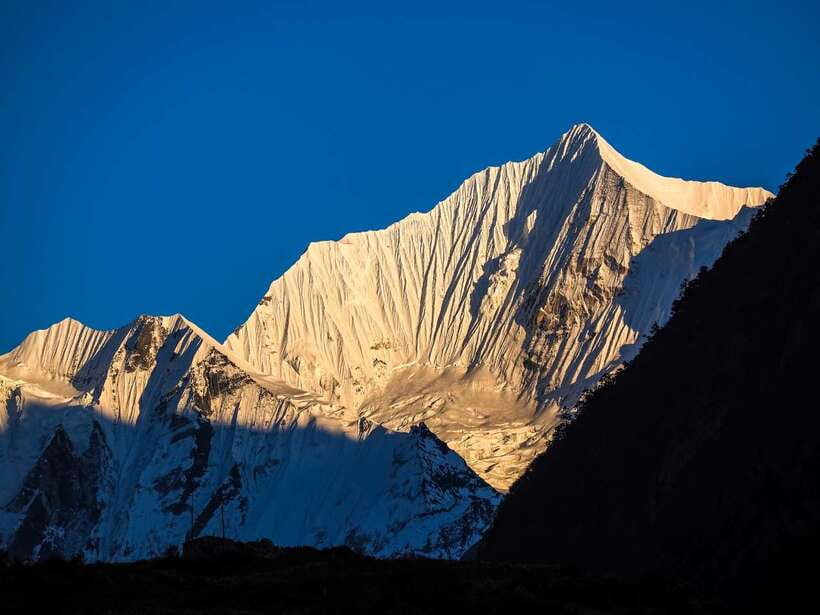
Altitude is the main thing to respect on this trek. You might feel fine upon reaching higher areas, but altitude affects everyone differently. There is a genuine risk of altitude sickness if you go up too fast or ignore symptoms.
The classic AMS symptoms to watch for include headaches, nausea, fatigue, or loss of appetite. The practical advice is simple: don’t try to “push through” discomfort. Tell your guide early, move carefully, and focus on your breathing.
Also remember that the itinerary may adjust due to weather or seasonal factors. That means even if you plan for the perfect day, you should be ready for slight reroutes or pacing changes. In mountain travel, flexibility is part of safety.
Packing and pacing both tie into altitude management. Bring your jacket and keep up with water. If you’re cold at higher points, your body uses extra energy just to regulate temperature, and you can feel that quickly.
What you really get for the $206 price, and what could be extra
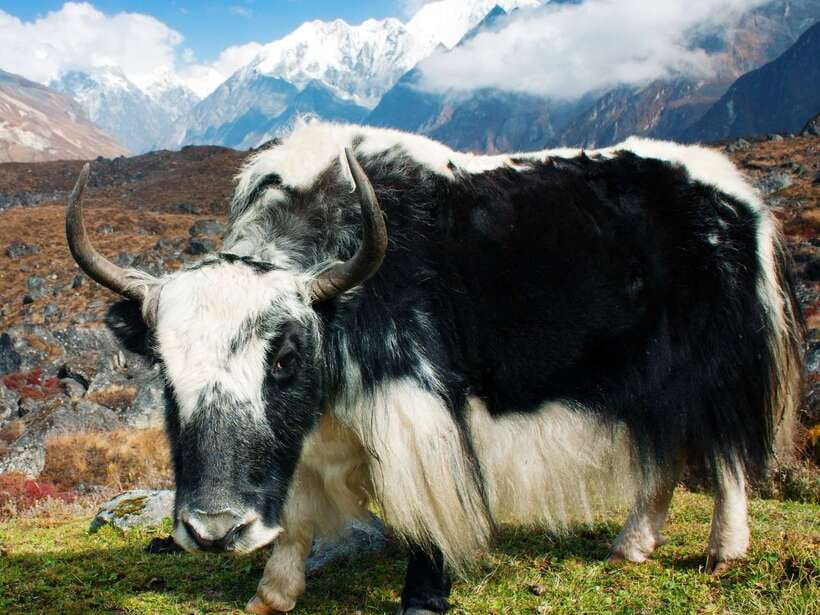
The value here comes from what’s bundled, not just the base number. Your package includes:
- Hotel pickup and drop-off in Kathmandu
- Sharing transportation to and from the trail area
- Trekking permits and paperwork, including the TIMS fee and government taxes
- Accommodation during the trek
- All meals (breakfast, lunch, dinner) for the full package
- An English-speaking guide (the guide itself is included, while porter charges are noted as extra)
- Staff expenses including meals, accommodation, salary, equipment, insurance, and transportation
A practical note: English is supported by the guide, and Hindi is also used. That matters because trail instructions are easier when you understand the plan clearly.
The only cost item that appears as a possible extra in the provided details is porter-related. If you’re used to carrying your own gear, you might be fine without one. If you want a lighter load, you’ll want to clarify porter charges before you go.
Guide support that makes first-time trekking feel doable
The best part of this experience, in plain terms, is how the trekking week is handled day-to-day. The most positive accounts put real emphasis on Ghanshyam’s approach: friendly, kind, organized, and focused on your health and needs.
What that means for you is not just comfort. It changes your whole trek experience. When your guide explains what you’re walking toward and adjusts pace when needed, you spend less time worrying and more time enjoying the trail.
It also sounds like the company, through someone like Bijay who answered pre-trek questions, keeps communication grounded. That helps reduce the stress that often hits travelers before they even reach the mountains.
Packing list that matches the reality of a mountain week
Based on the required bring list, I’d treat your packing as a checklist, not a suggestion. Bring:
- Passport or ID card
- Sleeping bag
- Flashlight
- Sunscreen
- Hiking shoes
- Gloves
- Water
- Jacket
- Trekking gear
- Sunglasses
A few practical thoughts: trekking shoes should be broken in. A flashlight helps more than you think in small lodges and dark mornings. Sunglasses and sunscreen matter when you’re near snowy viewpoints, even if the air feels crisp instead of hot.
Also, alcohol and drugs are not allowed. That’s not just rule-following. It’s good for safety at altitude and for sleep quality.
Who should book this Langtang Valley trek, and who should reconsider
This trek fits best if you want a shorter Nepal trekking experience that still includes real cultural time, not just views. If you like meeting locals, visiting a monastery, and seeing how Tamang communities live, this has the right mix.
It’s also a strong option if you’re new to trekking. The positive experiences emphasize a guide who keeps it approachable and supportive, which is exactly what you want when your body is learning mountain effort for the first time.
Where you should think twice is if altitude is a major concern for you, or if you know you struggle at higher elevations. The trek gets high at Kyanjin Gompa and even higher if you choose Kyanjin Ri.
Finally, if you hate any element of uncertainty, weather-driven route changes can feel annoying. This trek may shift slightly with conditions, so you’ll want a flexible mindset.
Should you book this Langtang Valley trek with MTA Trekking?
If you want a well-run, value-heavy trek that balances scenery with cultural stops, I’d say it’s worth considering. The big reasons are practical: permits and permits paperwork are handled, meals are included for the full package, accommodation is taken care of, and you get a guide whose support style is described as caring and health-focused.
Book it if:
- You want a 6-day trek with a clear structure
- You care about Tamang culture and meaningful stops like Kyanjin Gompa
- You’re interested in the optional challenge of Kyanjin Ri, and you’ll take altitude seriously
Skip it or ask more questions first if:
- You think the optional climb to 4,770m is too much for your comfort
- You’re sensitive to altitude and haven’t had time to acclimate before the trek
- You prefer fully fixed itineraries without any weather adjustments
If you’re ready to hike smart, not fast, this can be one of those trips that stays with you long after the photos fade.
FAQ
How long is the Langtang Valley trek from Kathmandu?
It runs for 6 days, with the schedule depending on available starting times.
Where does the trek begin and end?
It starts in Kathmandu with transport to Syabrubesi, then returns from Syabrubesi back to Kathmandu on the final day.
What are the key high points on the route?
Kyanjin Gompa is about 3,870m, and the optional Kyanjin Ri hike goes to about 4,770m.
Is Kyanjin Ri included or optional?
Kyanjin Ri is optional. You can hike it for panoramic mountain views, then descend back toward Thangsyap.
Are meals included in the trek package?
Yes. All meals (breakfast, lunch, dinner) are included for the full package.
What languages will the guide speak?
The tour includes a live guide in English and Hindi, with English-speaking support during the trek.
What’s included for logistics in Kathmandu?
Hotel pickup and drop-off are included. You wait in the hotel lobby about 10 minutes before pickup, and the driver holds a sign with your last name. Trek permits, paperwork, and the TIMS fee are also included.
Latest Kathmandu write-ups
- 16 Days Island Peak Climbing With Everest Base Camp Private Trip★ 5.0 · 3 reviews
- 15 Days Round Annapurna Trek with Poon Hill from Pokhara★ 5.0 · 5 reviews
- Private Nepal round trip including Ghorepani Poonhill trek★ 5.0 · 3 reviews
- Everest Base Camp Trekking 16 Days★ 4.0 · 7 reviews
- 14 Days Luxury Annapurna Base Camp Trek★ 5.0 · 6 reviews
- Everest Base Camp Trek★ 5.0 · 32 reviews
- Everest Base Camp Trek★ 5.0 · 87 reviews
- Everest Base Camp Trek★ 5.0 · 97 reviews
Langtang Valley Trek, compared.
Browse the lists this tour appears in