
Reviewed · MOMO MAKING CLASSES
Traditional Momo Making Class
This class is interesting because it turns one of Nepal’s most loved snacks into a skill you can repeat later, not just something you eat. You knead the dough, build the fillings, and learn how to fold momos that actually hold together.
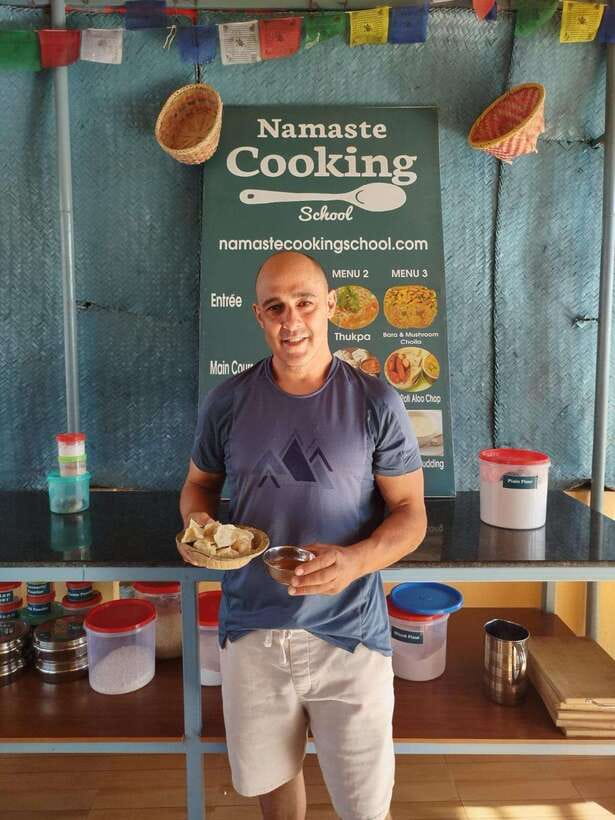
I love the women-led teaching style and the friendly, relaxed atmosphere in a clean, bright kitchen (often on a rooftop terrace). I also love that you get the full loop, from ingredients and technique to tasting your own dumplings at the end, with welcome masala chai.
One possible drawback to plan for: the class can run a bit longer than the stated time, especially if the group is chatty and you’re having fun.
Key things to know before you go
- Women-led instruction with a cheerful, patient vibe that makes first-timers comfortable
- A clean, bright cooking space, and some sessions take place on a rooftop terrace
- Real technique practice: kneading, filling, and folding are taught step by step
- Fresh ingredients and Nepali spices used during the class so you can copy the flavor later
- English-speaking guidance, with trainers praised for explaining clearly
- Food plus atmosphere, including traditional music moments where the group may get playful
Women-led momo making in Thamel: the real point of the class
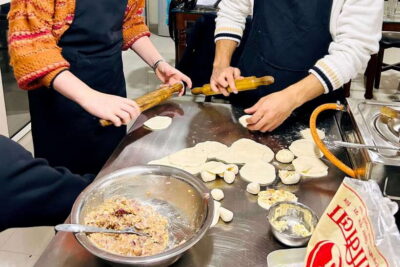
If you’re in Kathmandu, momos are everywhere, but knowing how they’re made is another thing entirely. This workshop gives you the steps behind that familiar shape and that comforting bite. You’re not watching from the sidelines, and you’re not leaving with a plate that has done all the learning for you.
What I like about the setup is that the focus stays practical. You work with dough and fillings. You learn how the mixture should feel. You practice the fold until it looks like it belongs on a Nepali table. That is how you move from eating momos to making momos.
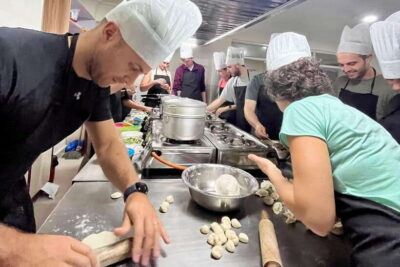
The teaching team gets named often in reviews. Sushi is specifically mentioned as a lead trainer, and participants highlight how enjoyable and welcoming the instructors are. The room energy also matters here. People describe the space as bright, tidy, and calm, with a rooftop terrace setting that makes a cooking class feel like a break, not a chore.
If you’re the type who likes food but also wants to understand what makes it work, this class fits. If you want a hands-off food tour, it might feel too active.
More Momo Making Classes in Kathmandu:
- Kathmandu: Local Women-Led Nepali Cooking & Momo Class
★ 4.9 · 360 reviews - Kathmandu: Traditional Momo Making Class & Pickup
★ 4.8 · 60 reviews - Traditional Nepali Momo Making Classes
★ 5.0 · 53 reviews
90 minutes of dough, chai, and friendly momentum
The class is scheduled for 1.5 hours. That time includes the hands-on momo process, plus a welcome masala chai and tasting at the end. In other words, you do not just learn technique, you also eat what you make.
A small timing note: at least one participant felt it ran longer than described. That makes sense for a dumpling workshop. Folding takes patience, and good instructors usually slow down to make sure everyone’s technique lands.
You’re asked to arrive about 10 minutes early. That’s not busywork. It gives you time to get settled, put on comfortable cooking shoes, and get your hands ready before flour flies.
This is also a good class if you like small social energy. Reviews describe the instructors as particularly kind and playful, and one person recalls even dancing to traditional Nepali music. You should still take the cooking seriously, but you do not have to pretend you’re a master chef. The vibe is warm, and first attempts are part of the deal.
Kneading dough until it behaves: your first skill payoff
Momo dough might sound simple, but it is the foundation for everything else. In this class, you start by learning how to knead properly. The goal is not complicated kneading trivia, it is getting dough that is smooth, workable, and elastic enough to fold without tearing.
Why this matters for you: once you understand dough feel, you can adjust at home. If your dough is too dry, you know what to do. If it feels sticky, you know you need to change something before you roll or shape. Even if you never master the exact same texture on the first try, you’ll have the mental checklist.
Here’s what you can watch for during kneading. You want dough that loses that rough feel and starts to look cohesive. You also want it to feel less grabby as you work. In a workshop like this, instructors usually guide you with small cues so you don’t end up frustrated with your hands.
Wear comfortable clothing and shoes suitable for cooking. You’ll likely be standing or moving at a workstation, and your hands will get flour on them. That’s normal. If you show up ready to get a little messy, you’ll enjoy it much more.
Fillings and Nepali spices: learning how flavor gets built
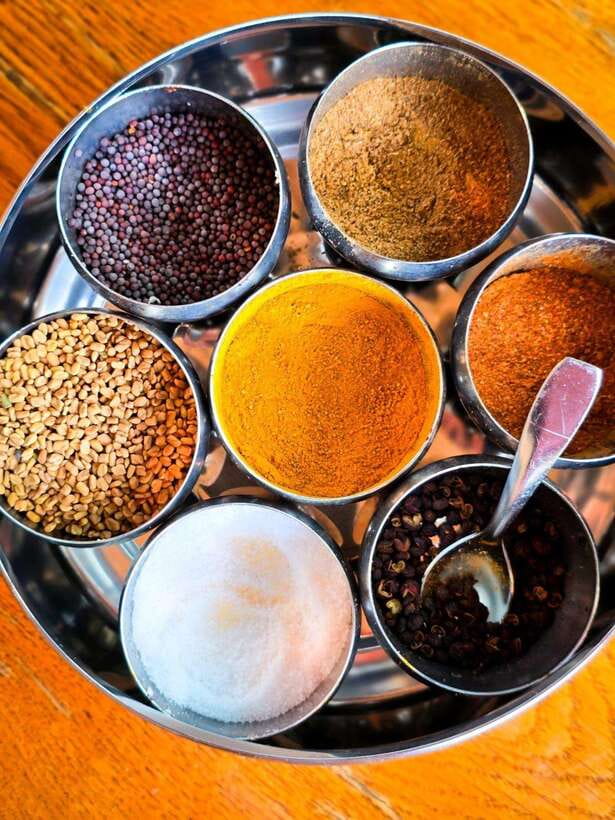
After dough comes filling prep, and this is where momos stop being generic dumplings and start becoming distinctly Nepali. The class uses fresh, locally sourced ingredients and Nepali spices, and the instructors explain the process as you go.
Even if you don’t memorize every ingredient ratio, you should leave with an understanding of how the filling is supposed to come together. What is the right texture? How should it smell? How do you prevent it from being watery or bland?
This is also the moment to ask questions. In an English-taught class, you can get direct answers about spice choices and balancing flavors. Reviews repeatedly praise that instructors speak good English and explain clearly. That matters, because momo-making is partly touch and partly seasoning logic. You want both.
If you’re a spice curious traveler, you’re in the right place. Nepal’s flavors are often about layering. Spices aren’t just heat here. They add aroma, warmth, and depth. When you learn how that works inside a filling, you’ll taste it more clearly next time you eat momos outside the class.
One more value point: because you are cooking with ingredients in the same way the class teaches, you’re not translating a recipe from a screen. You’re learning with the tools and expectations of a Nepali kitchen. That makes it easier to recreate later.
More to compare around Kathmandu
- Half day cooking class in Thamel kathmandu
★ 5.0 · 607 reviews - Knife (Khukuri) Making Workshop- Forge of the Gurkhas
★ 5.0 · 143 reviews - Local Women Lead Nepali Cooking Class
★ 5.0 · 125 reviews - The best Private Nepali Cooking Class in Kathmandu
★ 5.0 · 83 reviews
Folding technique: how you get that sealed momo look
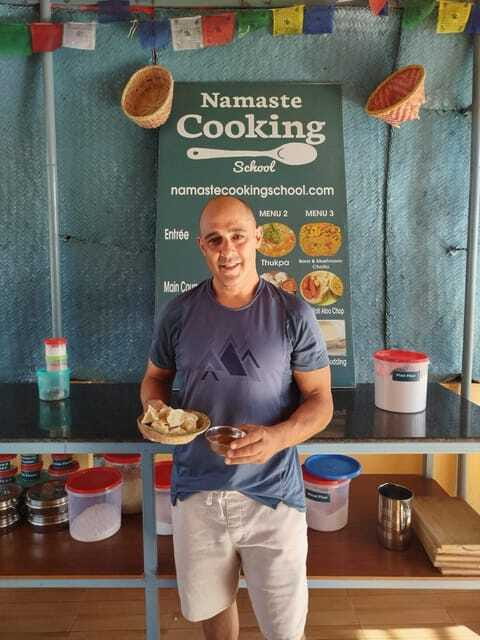
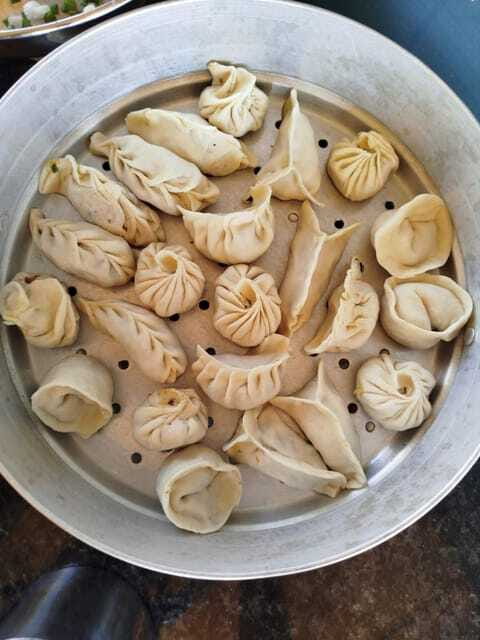
Folding is the step that makes most first-timers nervous. You see those pleats and think, That can’t be me. Then you sit down, and you try.
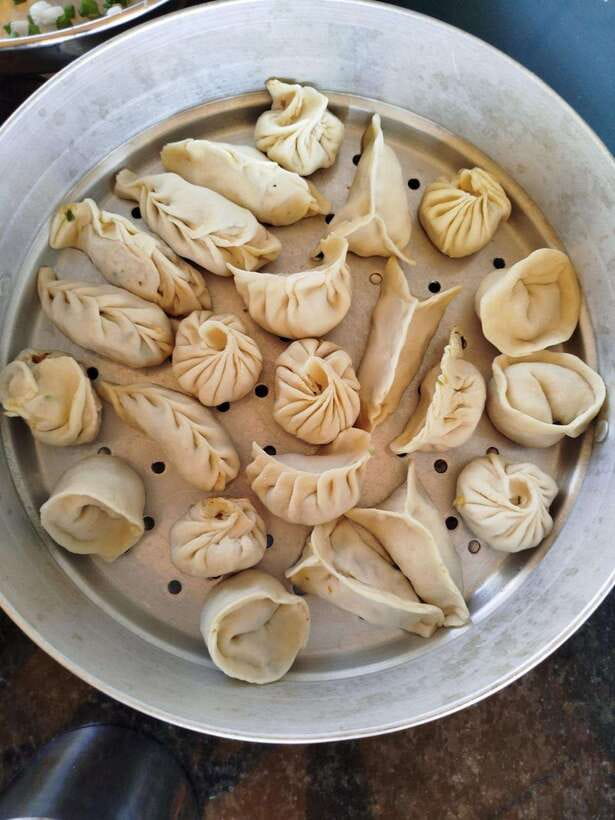
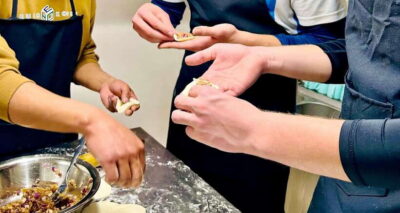
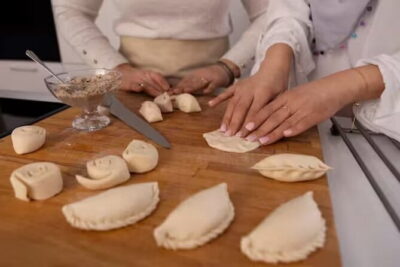
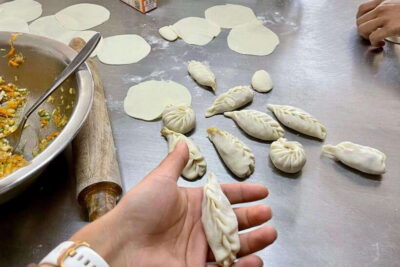
In the class, you learn the folding method step by step. You handle dough rounds, add filling, and practice shaping until the momo looks right and seals properly. One review notes that momos seemed hard to make at first, but they became surprisingly manageable once the recipe and technique were explained. That is exactly the kind of confidence you want before you spend money on takeout for the rest of your trip.
The fold is also practical to learn because it affects cooking. If your momo is sealed badly, filling can leak and you lose both texture and flavor. Good technique also changes the bite. The dumpling feels more satisfying, and you don’t end up with a sloppy mouthful.
You’ll likely notice that instructors encourage hands-on work rather than watching. One participant even brought an 11-year-old who helped with chopping and did a lot of folding, and that kid turned out better than expected. That tells you the class is set up to share the work and not just talk about it.
So if you’re traveling with family, this is one of the more hands-on options in Kathmandu. Just keep in mind it is still a cooking class with real prep, so pick comfortable expectations for kids and adults alike.
Tasting your momos and understanding why they matter in Nepal
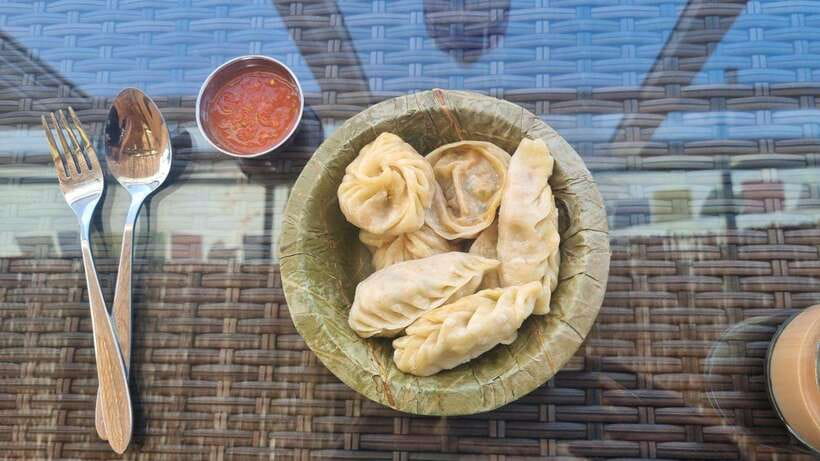
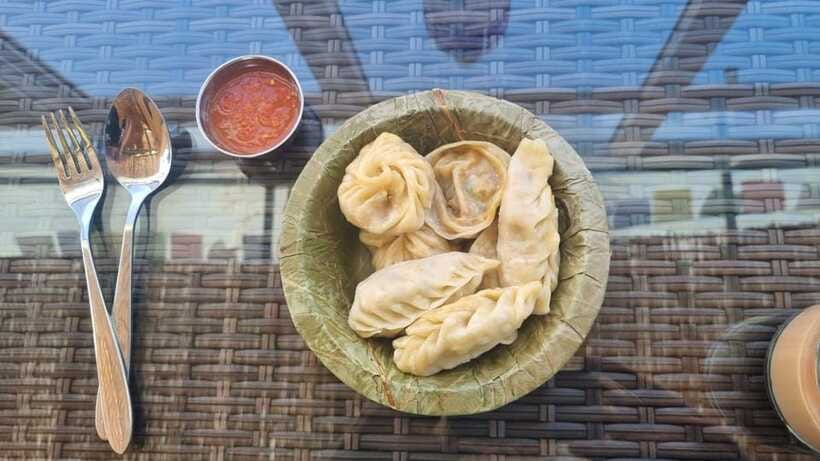
The best part of any cooking class is tasting what you made. Here, you do that at the end, and you’re tasting your own momos with the flavors that you built in the filling step.
This is more than a reward. Tasting closes the loop in your brain. You knead, you fill, you fold, and then you get feedback from your palate. If the dough feels too thick, you’ll notice it. If the filling tastes off, you’ll learn in a way that no recipe can teach.
There’s also a cultural angle. The class includes insight into the cultural significance of momos in Nepali celebrations and everyday life. That matters because momos aren’t just street food snacks. They show up in gatherings and feel familiar in a way that reflects shared food culture.
In a place like Thamel, you can eat momos any night. Learning the process makes the experience feel more grounded. You start noticing how vendors handle dough and how different fillings taste. Even if you never become a dumpling perfectionist, you’ll start buying momos with a more informed eye.
And yes, you’ll get welcome masala chai. It’s simple, but it helps set the tone. You arrive a tourist. You leave with a warm drink in your system and dough memories on your hands.
Price and value: is $15 a smart deal in Kathmandu?
At $15 per person for a 1.5-hour hands-on class, this is strong value, mainly because it includes the parts that make classes worth paying for: ingredients, instruction, and tasting. You’re not paying just for sitting in a room. You’re paying to make your own food and learn technique from local chefs.
It also includes welcome masala chai, which is a small add-on but a nice one. Chai is part of everyday hospitality in Nepal, and having it here makes the experience feel anchored, not like a generic tourist activity.
What you should consider: hotel pickup and drop-off are not included. That isn’t a deal breaker in Thamel, but it does affect convenience. If you’re staying far from the area, plan your trip time so you arrive early and stress-free.
You’re also paying for English instruction. If you need clear explanations, that’s part of the value. Some cooking classes get lost in translation. This one is set up for English-speaking participants.
Bottom line: if your goal is to come home with a skill you can use, this price feels fair. If your goal is just a quick snack, you might prefer a food stall. But if you want technique and a better understanding of Nepalese flavors, $15 is not asking too much.
Who should book this momo making class, and who might skip
Book it if:
- You want a hands-on food experience and you like learning by doing
- You’re in Kathmandu for a short stay and want one activity that has a clear payoff
- You like food culture, not just food tasting
- You want English guidance with friendly local instructors
Consider skipping if:
- You hate cooking and prefer watching instead of working
- You’re short on time and your schedule can’t handle a class that may run a bit longer
- You want hotel pickup convenience, since this does not include it
This is a great pick for solo travelers too. Cooking classes naturally create conversation, and the instructors seem to foster that. Reviews also show it can work for families, including older kids who enjoy helping out.
If you’re already planning to explore Thamel anyway, it’s also an easy add-on. You can wander before or after, then come back for the dough-and-pleats part.
Should you book? My practical take
Yes, I’d book this if you want momos that feel personal. Not just because you eat dumplings, but because you learn the sequence that makes them. Kneading, fillings, folding, tasting, and a warm chai welcome is a full experience for the price.
Also, the instructor energy matters. Multiple reviews call out how the women chefs make people comfortable, how the kitchen is clean and bright, and how English explanations make the technique feel doable. That combination is hard to find.
If you’re willing to get a little flour on your hands and you like learning a repeatable skill, this class is a solid use of your Kathmandu time.
FAQ
How long is the Traditional Momo Making Class?
The class lasts 1.5 hours.
Where is the class located?
It takes place in Thamel, Kathmandu (Bagmati Zone, Nepal).
How much does it cost?
The price is $15 per person.
What’s included in the class, and what’s not?
Included are the momo making class (1.5 hours), ingredients, guidance from experienced local chefs, tasting your handmade momos, and welcome masala chai. Hotel pickup and drop-off are not included.
Is the class taught in English?
Yes, the instructor provides instruction in English.
What should I wear, and when should I arrive?
Wear comfortable clothing and shoes suitable for cooking. Arrive 10 minutes before the class starts.
What is the cancellation policy?
You can cancel up to 24 hours in advance for a full refund.
Latest Kathmandu write-ups
- Langtang Valley Trek★ 5.0 · 3 reviews
- Khopra Danda Trek★ 5.0 · 3 reviews
- Langtang Valley Trek from Kathmandu★ 5.0 · 3 reviews
- 5 night / 6 days Kathmandu Nagarkot Chitwan Pokhara tour★ 5.0 · 3 reviews
- Nepal Highlights Tour: 5 Nights 6 Days Kathmandu & Pokhara Tour★ 5.0 · 3 reviews
- Kathmandu Valley Private Day Tour★ 5.0 · 3 reviews
- Conquer the Himalayas: The Ultimate 16-Day Annapurna Circuit Trek★ 3.5 · 3 reviews
- Kathmandu Heritage Day Tour★ 5.0 · 3 reviews
Momo Making Classes, compared.
MoMo or Dal Bhat Cooking Class at Aama Kitchen in Pokhara
Read our review →
Browse the lists this tour appears in