
Everest Base Camp is interesting because it turns Everest from a postcard into a place you can actually stand beside. You start with a dramatic Lukla flight and then spend days walking through the Khumbu villages toward that high, thin-air world of tea houses and big views.
Two things I really like about this trek are the licensed guide and porter set-up (you get support, not just a map), and the way the schedule builds in acclimatization before the push toward Everest Base Camp. You also get real culture stops along the way, like the Sherpa Museum and time around Namche and Khumjung.
The main drawback to consider is practical, not dramatic: weather and Lukla flight timing can be unpredictable, and the comfort level is basic (no hot showers listed, and charging costs extra). If you’re expecting resort-style comfort, you’ll be disappointed. If you want a well-run trek in the real mountains, it makes sense.
Key things to know before you go
- Lukla flights included both ways, with time built into the full trip plan
- Sagarmatha National Park permits covered, plus local permits for the region
- Acclimatization days at Namche and Dingboche, including an extra night option at Dingboche
- Kala Patthar sunrise option, one of the best angles for Everest views on this route
- One porter for 2 people to reduce the weight you carry
- Emergency helicopter arrangement is included in the plan through your insurance coverage
Why This Everest Base Camp Route Works for First-Timers
This is an Everest Base Camp trek designed as moderate but challenging, which is exactly the sweet spot for many fit travelers. You are trekking high, you’re walking long days, and you’re dealing with cold nights and thin air. But you are not doing constant steep, technical climbing.
What makes it work is the pacing. You’ll have time to settle into the altitude around Namche Bazaar and then again around Dingboche, with a dedicated acclimatization day and even an extra night if needed. That matters because Everest-area treks can feel like they turn into a race if you rush. Here, the plan is more about steady movement than day-after-day suffering.
You should also like the “village to village” feel. The trek is not only about reaching a single point. You’ll pass through major Sherpa hubs, including Namche Bazaar, Khumjung, Dingboche, and Phortse, plus the Tengboche monastery area on the descent route. That gives the trek context, not just exertion.
Finally, this is set up as a private tour, meaning it’s just your group. That usually means you can keep a consistent pace and reduce the time spent waiting around for strangers.
More ways to walk to Everest Base Camp:
- Everest Base Camp Trek – 14 Days
★ 5.0 · 1,499 reviews - Everest Base Camp Trek
★ 5.0 · 842 reviews - Everest Base Camp Helicopter Tour landing at Everest View Hotel
★ 5.0 · 668 reviews
Price and Logistics, What $1,800 Really Buys
At $1,800 per person, the real question is value: what’s included versus what you’ll likely spend anyway.
Included that actually matters:
- Kathmandu hotel stays: 2 nights standard accommodation with breakfast
- Airport and hotel transfers in Kathmandu by private vehicle
- Both-way domestic flights Kathmandu to Lukla and Lukla back to Kathmandu
- All trekking permits (Sagarmatha National Park plus local permits)
- Lodge/tea house accommodation during the trek
- Meals on the trek as standard meals, plus tea or coffee during trekking days
- Government-licensed guide and porter support (1 porter for 2 people)
- A welcome dinner in Kathmandu and an adventure certificate at the end
- Emergency helicopter service arrangement via your travel insurance company
Not included, but common sense:
- Extra meals and extra accommodation in Kathmandu beyond what’s listed
- Cold drinks like Coke, Sprite, and bottled mineral water
- Charging your mobile and camera devices
- Hot shower (not listed as included)
- Tips for guide, porters, and driver
- Helicopter rescue specifically is listed under not included, even though an arrangement is included via insurance
My practical take: the $1,800 feels more reasonable when you compare it to the cost of separately buying Lukla flights, permits, guide services, and lodge nights. The “hidden” costs are mostly lifestyle items (charging, drinks, tips) and comfort upgrades (like hot showers). If you budget for those ahead of time, you won’t get surprised.
Day 1 Kathmandu Arrival: Welcome Dinner and a Calm Start
Your trip begins when a delegate meets you at the airport and handles your transfer to your hotel. I like this part because it removes one immediate headache in a new country, especially when you’re about to do a high-altitude trek.
In the afternoon you can rest or stop by the Everest Trekking Routes office if you want to ask questions in person. Then in the evening, you get a welcome dinner with Nepalese food, which is a nice introduction to local flavors before the mountains take over your days.
This is also where you’ll typically do the mental shift: Kathmandu is noise and traffic, while the trek is early mornings and cold air. A smooth arrival day makes the next day easier.
Day 2 to Phakding: The Lukla Day That Sets Your Rhythm
The next morning, you transfer to the domestic airport for a short flight to Lukla, around 30 minutes. Once you land, you’ll meet the local mountain porters and start walking.
You’ll trek through larger village areas like Chourikharka, then head toward the Dudhkoshi River. The route continues to Phakding at about 2,652m (8,700ft), where you stay overnight at a lodge.
This is not the day to rush. It’s your warm-up, a chance to get used to carrying your daypack, using trekking poles if you have them, and learning how your body reacts after the altitude jump.
More to compare around Kathmandu
- Private Kathmandu Sightseeing Tour | UNESCO World Heritage sites
★ 5.0 · 756 reviews - Kathmandu: 7 UNESCO Sites with Lunch
★ 4.8 · 744 reviews - Half day cooking class in Thamel kathmandu
★ 5.0 · 607 reviews - Everest Base Camp Trekking
★ 5.0 · 485 reviews
Day 3 to Namche Bazaar: Sagarmatha National Park Gate and Everest First Glimpse
On day three, you head toward Namche Bazaar, the big hub of the Khumbu. It’s described as the biggest village in the region and, honestly, it feels like the center of life up there.
You’ll enter Sagarmatha National Park through the trekker checkpoints and continue along the Dudhkoshi River. There’s also a crossing on one of the bridges near the Namche area, and you’ll start noticing how the terrain changes.
One of the most meaningful parts of this day is when you can begin to see Mount Everest on the trail. That first view can feel surreal, but the key is not to let it trick you into going too fast. You’re still building altitude, and Namche is where you’ll actually “live” for a bit.
Day 4 Namche Acclimatization: Sherpa Museum, Everest View Lodge, Khumjung Stops
This day is designed to slow down. After breakfast, you’ll visit the Sherpa Museum to understand Sherpa culture and history in a way that makes the rest of the trek feel more grounded.
Then you hike up to an Everest viewpoint and take a break at Everest View Lodge with tea or coffee. If the weather is clear, you can get sweeping views of Everest plus big neighbors like Lhotse and other prominent peaks listed in your program.
After that, you shift into cultural exploration by visiting Khumjung and the Admon Hillary High School. You get lunch here and then return to Namche for the night.
The value of this day is simple: you build acclimatization while also learning what you’re seeing. It turns “walk and suffer” into “walk and understand.”
Day 5 and Day 6 to Dingboche: Wildlife, Pangboche Area, Cold Air at Elevation
Your destination becomes Dingboche, and the route you follow includes the Pangboche area and a particularly scenic connection described as one of the best segments selected on this plan.
Along the way, you may spot wildlife and signs of animals grazing, including references to blue sheep, deer, Himalayan Thar, and domestic yaks. Even if you don’t see every animal, this is a reminder that you’re walking through living mountain ecology, not empty snowfields.
You’ll likely stop for lunch in the Upper Pangboche or Somare area before continuing slowly to Dingboche and settling into lodge life. You stay overnight again here, and the second Dingboche day functions as more time to get your body used to the altitude before the biggest push.
Drawback to expect: Dingboche nights can feel very cold. Warm clothing matters, and you’ll want to treat sleep like part of your acclimatization plan.
Day 7 Dingboche Acclimatization: Chhukung or Light Peaks Plus an Extra Night Option
Day seven is another acclimatization day with a light hike, either to a nearby viewpoint or a Chhukung direction. The idea is to get movement without overloading your system.
The program emphasizes wearing warm clothing and drinking enough water. That’s not a suggestion you can ignore at this altitude, because dehydration can quietly make everything feel harder.
You’ll also have the option to take extra time, including an extra night at the lodge if you need it to be ready to reach Everest Base Camp. I like that flexibility, because the best “plan” in high mountains is the one that lets your body catch up.
Day 8 to Lobuche: Over 4,000m and a Route Through Rhododendron Forest
On day eight, you move toward Lobuche, crossing above 4,000m. This is where you need to be extra careful with health and pacing.
You’ll trek more gradually toward Thukla for lunch and rest before continuing on toward Lobuche. This segment includes time through forests referenced as rhododendron, pine, and oak, which is a welcome change of scenery compared to the more exposed high trekking zones.
The mountain view attention ramps up here. Peaks and ridgelines you may see during the trekking day include references to Ama Dablam, plus other peaks like Lobuche, Primary, and Nupse.
The main consideration is energy management. Don’t try to “earn” the views by speed-walking. You want steady breathing, controlled effort, and enough margin to sleep well.
Day 9 Gorakshep to Everest Base Camp: The Long Hard Day
Day nine is described as one of the toughest segments, with 8 to 10 hours of trekking including the move between Lobuche, Gorakshep, and Everest Base Camp.
You start early, leave your bag at Gorakshep, then take breakfast and pack light food for the Base Camp push. This is the day when the trek becomes all business: long walking, thin air, and strong focus.
After reaching Everest Base Camp, you return and spend the night at your lodge.
Practical advice: plan to take it slow even when you feel good. On this day, the goal is not hero photos at the expense of recovery. Your body is still catching up.
Day 10 Kala Patthar Sunrise: Big Panoramas and a Serious Climb
If you want the best single “Everest angle” in this region, Kala Patthar is the move. You start early for the hike to the viewpoint at 5,545m, timed for sunrise views.
You’ll see Mount Everest plus surrounding big peaks, including Pumori and a long line of other Himalayan summits referenced in your program. This is a sunrise day, so you’ll likely be cold at the start, and you’ll want to dress for it.
After Kala Patthar, you return to Gorakshep for breakfast and continue trekking toward Pheriche or Pangboche for the night.
The value here is the contrast. Base Camp is awe-inspiring, but Kala Patthar often gives you the wide, stacked perspective that makes Everest feel real in scale.
Day 11 Back Toward Namche: Hillary Suspension Bridge and Tengboche Monastery
On day eleven, you leave Pheriche after breakfast and trek toward Namche Bazaar. The route includes the Hillary Suspension Bridge and passes through local villages.
There’s also a forest segment before you reach the old Buddhist Tengboche monastery area. Tengboche is one of the big religious-cultural stops on the Everest side, and it helps break up the physical rhythm of downhill.
You finish with a 7 to 8 hour stretch that’s described as easy downhill, but still active with yaks and porters on the trail. You spend the night back in Namche.
I like this day because it gives you a “homeward momentum” feeling. Even though you’re tired, you’re moving through familiar hubs again.
Day 12 Lukla Final Day: Easy Downhill, Busy Trails, and the End of the Trek
Day twelve is a downhill route from Namche to Lukla. It sounds easy on paper, but at altitude even an easier day can take effort. The program notes more traffic from yaks and porters, so you’ll navigate a busier path.
Before the Lukla flight, you stop for a light lunch and then finish the trek. There’s a warm farewell with the team while local porters wait for your flight.
This is a good day to keep your energy steady and not get careless. People often relax on the way down and then trip on loose stone.
Day 13 Fly to Kathmandu and Recover in the City
You fly back to Kathmandu from the Lukla area. The program specifically warns that flights can be difficult to secure and that there can be lots of people waiting. Because of that, flight reservation before the trip is important.
Once you land in Kathmandu, you get time to explore and shop for souvenirs for family. Then you spend one more night in Kathmandu valley.
This day is basically your recovery buffer. You will likely feel tired in a slow, lingering way. Hydrate, eat normally, and don’t plan anything too intense besides a little wandering.
The People Side: Licensed Guides, Porter Support, and Real-World Help
This is where the trek’s quality often shows up. You get a government license holder guide, plus porters with a ratio of 1 porter for 2 people. That helps you keep the right weight on your own back, especially after multiple days at altitude.
The company is also associated with strong personal care. Names you might hear around this operator include Rabin (the owner), and guides like Dhansingh Gurung and Veer are mentioned in connection with professional support and calm problem-solving. I’m not promising you’ll get the exact same team, but I do like that the operator clearly values dependable people in the field, not just checklists.
There’s also mention of an accident being handled with professional support and guidance. That’s important because on Everest routes, issues can happen even when you’re careful. Knowing that the team is used to real situations makes you feel safer.
And yes, you’ll also receive an adventure certificate after the successful trip, which is a small but satisfying end-of-trek touch.
What to Pack, and How to Avoid Common Altitude Mistakes
From the program details, you already know this trek involves cold, elevation, and long walking days. The practical approach is to prepare for those realities, not to hope conditions will be mild.
Here’s what to anchor on:
- Warm clothing is specifically emphasized for acclimatization around Dingboche, so bring layers you can regulate.
- Drink enough water and don’t let thirst sneak up on you, especially on acclimatization and higher walking days.
- Start early on the big effort days. The program calls out leaving early for the Gorakshep and Everest Base Camp segment and for sunrise Kala Patthar.
- Lodges are included, but comfort is basic, since hot showers and charging are not listed as included. Plan for cold water and bring what you need to stay clean enough.
If you’re the type who tends to overpack, I’d still keep the “warmth and layers” priority. A warm mistake is fixable. A cold mistake at altitude is miserable and can mess with your sleep, and your sleep is part of acclimatization.
Should You Book This Everest Base Camp Trek?
I’d book it if you want an Everest Base Camp trek that is structured for realistic pacing, includes the big logistics you don’t want to juggle (Lukla flights, permits, lodge stays, guide, and porter support), and gives you culture stops that make the trek feel more meaningful.
I’d pause if you know you’re sensitive to cold, you dislike basic lodge life, or you’re the kind of traveler who expects hot showers and included charging. Also consider that Lukla flight schedules can be tricky, and you should stay flexible with your overall plan.
If your goal is to get to Everest Base Camp and then go after Kala Patthar for the sunrise views, while staying supported and not overreaching, this is a solid, practical choice.
FAQ
What is included in the trek price?
The price includes airport and hotel transfers in Kathmandu, 2 nights of standard hotel accommodation in Kathmandu with breakfast, round-trip domestic flights Kathmandu to Lukla and Lukla to Kathmandu, trekking permits, lodge accommodation during the trek, standard meals during trekking (with tea or coffee), a licensed trekking guide, porter support (1 porter for 2 people), a welcome dinner in Kathmandu, and an adventure certificate. It also includes an emergency helicopter service arrangement paid for by your travel insurance company.
Are flights to Lukla part of the package?
Yes. Domestic air tickets for both directions, Kathmandu to Lukla and Lukla to Kathmandu, are included.
How is accommodation handled during the trek?
You stay in lodge/tea houses during the trekking days, with lodge accommodation included throughout the trek.
Will I have time to acclimatize before Everest Base Camp?
Yes. The plan includes acclimatization days around Namche Bazaar and Dingboche, including a light hike day and an extra night option at Dingboche if needed.
Does the trip include trekking permits for the Everest area?
Yes. It includes Sagarmatha National Park permits and local permits.
Is a guide included, and do I get porter support?
Yes. You get a government-licensed trekking guide, plus porter support with a ratio of 1 porter for 2 people.
Are hot showers and device charging included?
Hot shower is not listed as included, and charging mobile or camera devices is also not included.
What about cold drinks and bottled water?
Cold drinks such as Coke, Fanta, Sprite, and mineral water are listed as not included.
What is the fitness level needed?
The information provided says travelers should have a strong physical fitness level.
What happens if I need emergency help?
An emergency helicopter service arrangement is included, with the understanding that it will be paid by your travel insurance company. Helicopter rescue is listed as not included.
Latest Kathmandu write-ups
- Langtang Valley Trek★ 5.0 · 3 reviews
- Langtang Valley Trek from Kathmandu★ 5.0 · 3 reviews
- Khopra Danda Trek★ 5.0 · 3 reviews
- 5 night / 6 days Kathmandu Nagarkot Chitwan Pokhara tour★ 5.0 · 3 reviews
- Nepal Highlights Tour: 5 Nights 6 Days Kathmandu & Pokhara Tour★ 5.0 · 3 reviews
- Kathmandu Valley Private Day Tour★ 5.0 · 3 reviews
- Conquer the Himalayas: The Ultimate 16-Day Annapurna Circuit Trek★ 3.5 · 3 reviews
- Kathmandu Heritage Day Tour★ 5.0 · 3 reviews
Everest Base Camp Trek, compared.



Everest Base Camp Helicopter Tour landing at Everest View Hotel
Read our review →


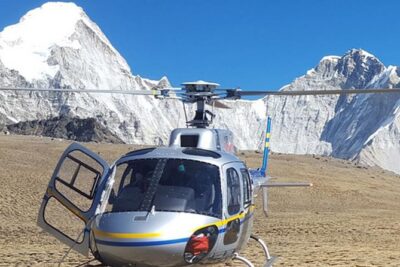
Everest Base Camp Helicopter Tour landing at Hotel Everest View
Read our review →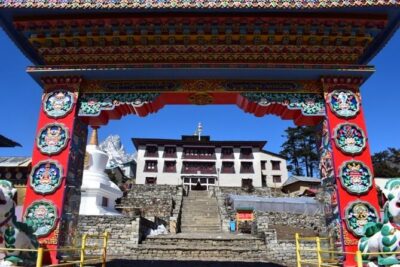
Browse the lists this tour appears in