
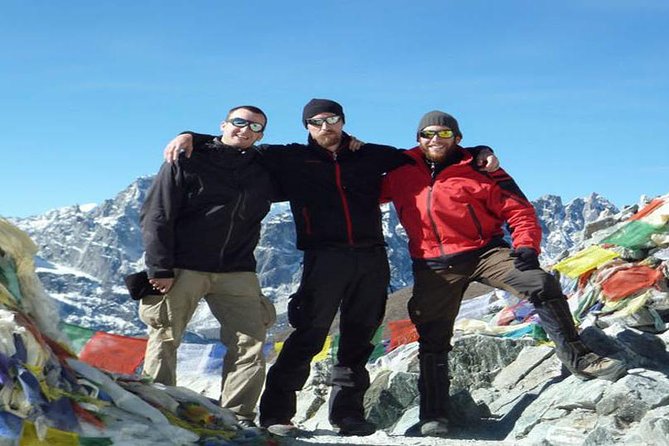
Reviewed · EVEREST BASE CAMP TREK
Everest Base Camp Trek
Everest Base Camp trekking is interesting because it blends big mountain ambition with everyday high-altitude village rhythms as you work your way toward the Everest Base Camp area. I like the way this trip spotlights two anchors along the way, Ama Dablam and the Namche Bazaar acclimatization step, so you get both awe and a real plan for altitude. In practice, having an experienced guide can make the whole thing feel manageable, with guides like Sau Bir Rai and Roshan known for steady, practical support.
I also like the logistics built into the price. Domestic flight and airport transfers are included, along with permits and the guide support package for meals, equipment, and insurance. One drawback to plan for: your accommodation and guest meals are not included, so you will want to budget extra once you arrive in Nepal.
Key takeaways
- Ama Dablam, mother’s necklace views and why it matters for climbers in the Khumbu Valley
- Namche Bazaar as the key gateway stop for acclimatization
- Domestic flight and airport transfers handled for you, not something you juggle
- Permits and entrance fees covered so you can focus on trekking
- Guides who manage day-to-day logistics like food, transport, and pacing, including during busy season
- Private group setup so your experience stays more flexible than a big group scramble
Ama Dablam, mother’s necklace, and the kind of mountain you think about
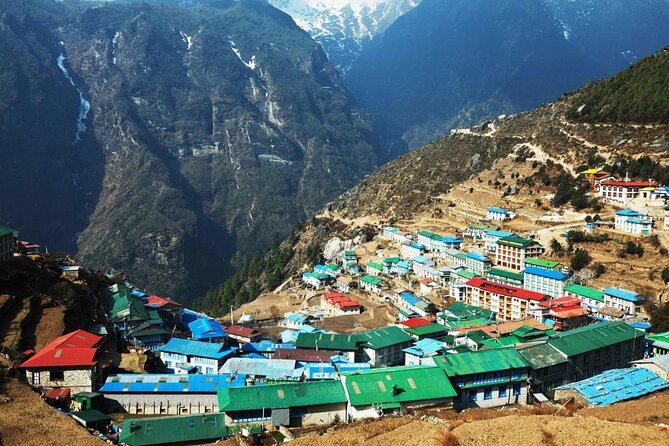
Ama Dablam, often called mother’s necklace, is famous for its sharp, recognizable shape in the Khumbu Valley. If you are the type who loves understanding mountains beyond just taking photos, this stop adds meaning. It is also known as a goal for climbers who want steeper, more technical climbing, so you start seeing Everest region peaks as more than just a backdrop.
For your trek, the value is simple. This is one of those sights that gives context to the entire Everest story. The farther you go, the more you will notice how different peaks have different characters, not just different heights.
The only consideration here is expectations. If you are hoping for a full mountaineering day with technical gear, this stop is part of a trekking experience, not a climbing course. You will enjoy Ama Dablam most if you treat it as a dramatic reference point in your journey.
More ways to walk to Everest Base Camp:
- Everest Base Camp Helicopter Tour landing at Everest View Hotel
★ 5.0 · 668 reviews - Gokyo to Everest Base Camp Trek
★ 5.0 · 113 reviews - Everest Base Camp Trek
★ 5.0 · 97 reviews
Namche Bazaar acclimatization, the stop that keeps you smart
Namche Bazaar is the gateway to one of the best-known trekking routes in the Everest region, and it plays a big role in acclimatization. That is not just a label. In real high-altitude trekking, the way you handle your first days above town altitude can affect how you feel for the rest of the trek.
I like that this experience builds Namche Bazaar into the plan as a dedicated step. It signals that the trip is not only about reaching Everest Base Camp, it is also about doing it with a safety-first mindset. You can think of it as the moment when you start respecting altitude rules and pacing, rather than pushing on pure willpower.
What to watch for is your own body. Even with a good acclimatization plan, you can still feel short of breath, tired, or off. If that happens, you will be glad your guide is present and experienced enough to help you adjust your effort without making it a drama.
Guides, private support, and the logistics that stop stress
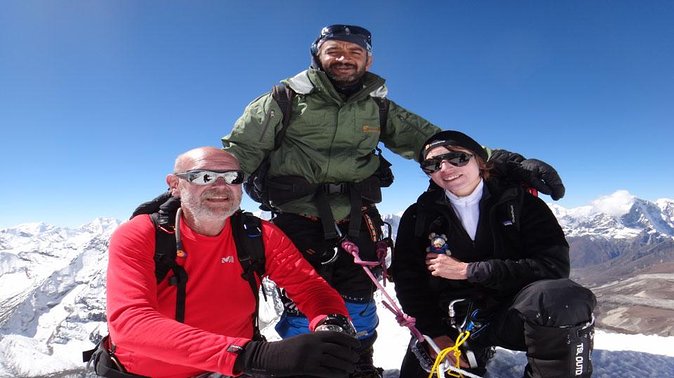
This is a private tour/activity, so you are not racing through key moments with strangers. That matters more than people think on a trek like Everest Base Camp. In a small group, your guide can adjust your pace and timing to how you feel that day.
The biggest strength you will notice is the human side of the trip. In real-world planning, having the right guide can turn logistics into a calm background task. Guides such as Roshan and Dipak are known for handling the practical stuff like accommodation coordination, food planning, and transport organization, even when the region is busy.
Arjun and Dil also come up in stories for a reason. Planning support before you go matters, and on-trek care matters even more. If you run into questions during preparation, a guide who is quick to respond and clear can make you feel prepared rather than confused.
One more detail worth appreciating is the overall rhythm of the days. Some trekking outfits quietly nail small comfort steps, like early-day beverages and smooth handoffs between transport and walking. You might not notice it at first, but it adds up on long days.
Kathmandu start point, domestic flight, and getting moving fast
Your trip begins at Adventure Treks Nepal P. Ltd., Thamel Marg, Kathmandu 44600, Nepal. The experience ends back at the same meeting point, so you keep your logistics simple at both ends.
The package includes airport transfer services and a domestic flight. That is a real value piece. It reduces the number of moving parts you have to coordinate yourself, especially if you are arriving in Nepal on short notice or you simply do not want to spend your first day figuring out transport.
Because domestic flight is included, you should still plan for time buffers in Kathmandu. Airports and schedules can be tight, and you will feel better if you do not stack sightseeing or side trips on the same day as flight connections.
Also, you will receive confirmation at booking time, and the trip is described as having a mobile ticket. That is helpful if you prefer everything in one place and you do not want paper tickets to worry about.
More to compare around Kathmandu
- Kathmandu: 7 UNESCO Sites with Lunch
★ 4.8 · 744 reviews - Kathmandu: Local Women-Led Nepali Cooking & Momo Class
★ 4.9 · 360 reviews - Manaslu Circuit Trek
★ 5.0 · 292 reviews - Kathmandu: Food and Drink Walking Tour
★ 4.9 · 292 reviews
Price and value, what $990 actually buys you
The price is $990.00 per person for a trek that is listed at around 12 days. When you look at what is included, the value picture becomes clearer than just comparing the headline price.
Included in your cost is a lot of the hard-to-handle stuff:
- Domestic flight
- Necessary permits and entrance fees
- Guide salary, plus guide food
- Equipment and insurances connected to the trip cost
- Arrival and departure airport transfers, including the domestic flight
That package setup is meaningful if you want fewer logistical headaches. Permits and entrance fees can be confusing if you are doing it solo. Guide insurance and equipment support also reduces uncertainty.
What is not included is where you should be honest with your budget:
- Beverages
- Tips (tips for the trek guide are expected)
- Your insurance
- Personal and nature expenses
- International flight tickets and the Nepal visa fee
- Accommodation and food of guest
So here is the practical way I would think about it. The $990 is mostly buying you coordination and the trek skeleton. Your on-trek daily comfort items and your personal insurance stay your responsibility.
If you are the kind of traveler who already likes planning your own stays and meals, you may feel limited by what is not included. If you prefer a guided, organized trip where your energy goes toward walking and acclimatization, the included structure is a big win.
What happens on the trek, and where you’ll feel the hardest parts
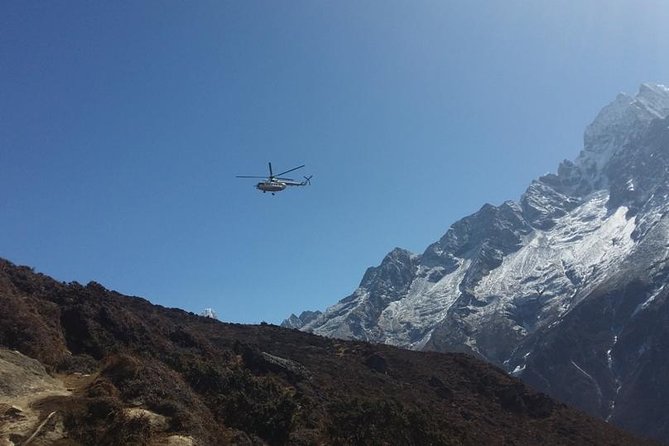
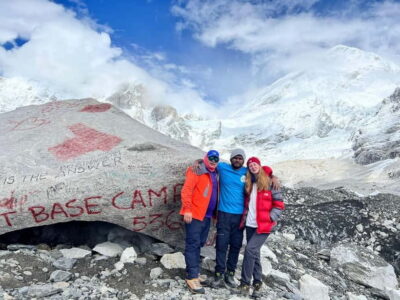
This is an Everest Base Camp trek that aims for the iconic area where trekkers and mountaineers gather as they begin their journey toward Mount Everest. Even if you do not know the region’s details yet, you will feel the scale of the goal as you gain altitude and start seeing Everest region peaks more clearly.
You can also expect a mix of mountaineering-adjacent awe and classic Nepali hiking. That combination is part of why EBC trekking remains a bucket-list magnet. You get long stretches of walking, but the visuals keep reminding you that you are in a serious mountain world.
The most important real-world variable is your own fitness. The experience asks for strong physical fitness. That does not mean you need to be a mountaineer. It means you should be comfortable with sustained hiking days and you should understand that altitude can make normal effort feel harder.
A good trick is to train your legs and your stamina before you go, even if you cannot train altitude specifically. Then bring the right mindset. You are walking toward a goal that is bigger than the day-to-day effort, but your success still comes from not overdoing it early.
Timing matters, especially if you want the trail to feel human
One of the practical insights from experience in the region is that season affects how the trekking feels. In December, the weather is described as cooler and the trails are much more empty. If you like quieter steps and less crowd friction, that kind of timing can make the whole trek feel more personal.
If you go in a busier season, you can still have a great time, but your guide’s ability to manage accommodation and transport becomes more important. That is one reason people value guides who can keep logistics smooth when demand is high.
Weather can also shape your day-to-day mood. Cooler conditions might help some trekkers feel steady, while others might feel stiff. You will want to pack and dress smart, and you should plan on adjusting your pace based on conditions and how you feel, not just the route map.
Who this private Everest Base Camp trek fits best
This private trek model works well if you want a more tailored experience. You also might like it if you travel solo and want someone to manage the parts that usually eat your time, like permits and domestic flight coordination.
It can also work for people who need thoughtful care. In the kinds of journeys this company runs, you can see the importance of a guide who pays attention to varying needs and can respond when things get medically serious.
If you are traveling with the goal of reaching Everest Base Camp but you also care about acclimatization and realistic pacing, this structure helps. You get support, you get an acclimatization gate at Namche Bazaar, and you get high-impact mountain moments like Ama Dablam.
If you are the type who wants zero structure and full DIY freedom, this may feel too organized, especially since accommodation and guest meals are not included. But if your goal is a smooth, guided route from Kathmandu with fewer unknowns, this setup fits.
Should you book this Everest Base Camp trek?
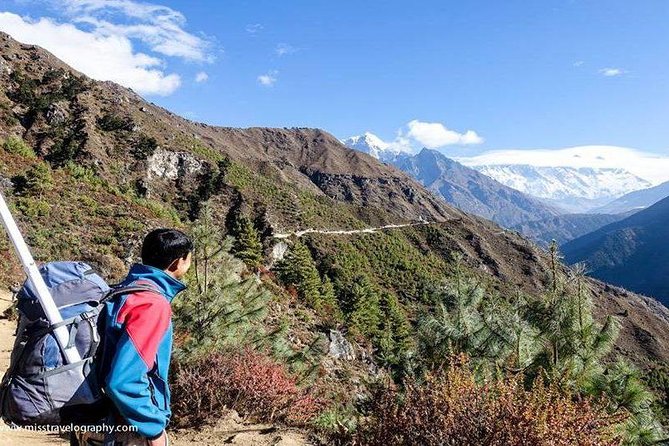
I think you should book it if you want an organized Everest Base Camp experience with domestic flight, transfers, permits, and solid guide support built in. The two highlighted anchors, Ama Dablam and Namche Bazaar, make the journey feel planned rather than random, and the private format keeps your day-to-day experience from feeling like a conveyor belt.
I would hesitate if you hate budgeting for daily costs in Nepal. Since your accommodation and guest meals are not included, the trek is not just the $990.00 price, and you will want to plan for beverages, personal expenses, and expected guide tips.
One more decision factor is your fitness level. The trip asks for strong physical fitness, so if you are not ready for long hiking days, you might feel uncomfortable even with a good guide.
If you do book, remember the schedule has a free cancellation window. You can cancel up to 24 hours in advance for a full refund, and the cutoff uses local time.
If you want, tell me your travel month and your current hiking comfort level. I can help you estimate whether 12 days feels reasonable and how to budget based on what is and is not included.
FAQ
Where is the meeting point in Kathmandu?
The start point is Adventure Treks Nepal P. Ltd., Thamel Marg, Kathmandu 44600, Nepal. The experience ends back at the same meeting point.
How long is the Everest Base Camp trek?
The duration is 12 days, approximately.
What is included in the price?
The price includes a domestic flight, necessary permits and entrance fees, guide salary, food of the guide, equipment, and insurances, plus airport transfer services for arrival and departure that include the domestic flight.
What is not included?
Not included are beverages, tips, your insurance, personal or nature expenses, international flight tickets, Nepal visa fee, accommodation and food of the guest, and tips for the trek guide (expected).
Is it a private tour?
Yes. This is a private tour or activity, so only your group will participate.
Is there free cancellation?
Yes. You can cancel up to 24 hours in advance for a full refund. If you cancel less than 24 hours before the experience starts, the amount paid is not refunded.
Latest Kathmandu write-ups
- 16 Days Island Peak Climbing With Everest Base Camp Private Trip★ 5.0 · 3 reviews
- 15 Days Round Annapurna Trek with Poon Hill from Pokhara★ 5.0 · 5 reviews
- Private Nepal round trip including Ghorepani Poonhill trek★ 5.0 · 3 reviews
- Everest Base Camp Trekking 16 Days★ 4.0 · 7 reviews
- 14 Days Luxury Annapurna Base Camp Trek★ 5.0 · 6 reviews
- Everest Base Camp Trek★ 5.0 · 32 reviews
- Everest Base Camp Trek★ 5.0 · 87 reviews
- Everest Base Camp Trek★ 5.0 · 97 reviews
Everest Base Camp Trek, compared.
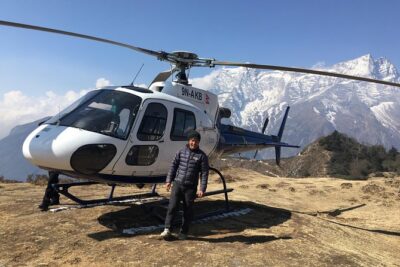
Everest Base Camp Helicopter Tour landing at Everest View Hotel
Read our review →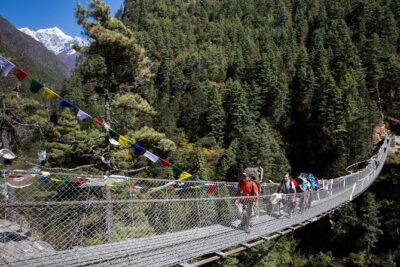
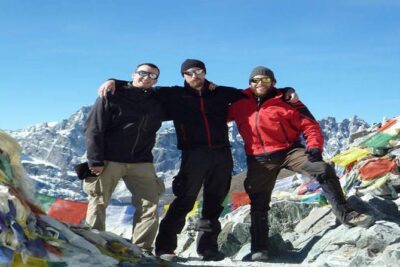
Everest Base Camp Trek 12 Days – Best Himalayan Adventure
Read our review →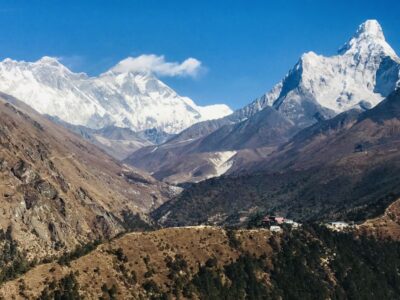
Browse the lists this tour appears in