
Reviewed · HIKING & TREKKING
Everest Gokyo Valley Trek – 12 days
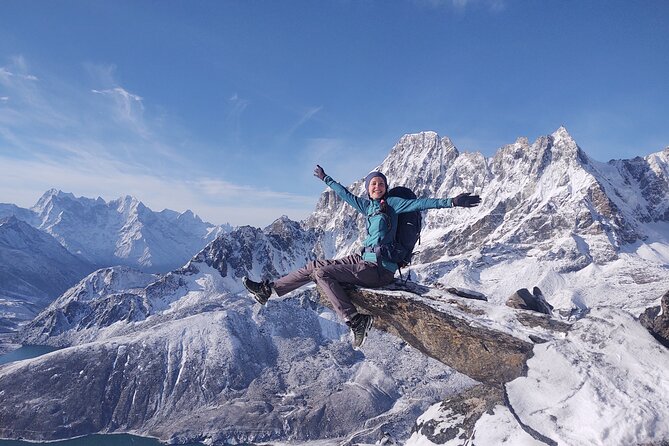
Everest Gokyo Valley is interesting because it treats mountain viewing like an itinerary anchor, not a lucky bonus. You start with the Lukla flight, then spend your trek days working your way toward Gokyo Ri for big skyline moments over the Everest region.
I especially like two things about this trip: first, the chance to see Everest, Lhotse, Cho-Oyu, and Makalu from one sweeping set of viewpoints, including Gokyo Ri. Second, the way the trail shifts from rhododendron forests and Sherpa villages to the ice-and-glacier drama of the Ngozumpa Glacier and Gokyo’s lake area.
One real drawback to consider: the Lukla flight is weather dependent, and the whole plan hinges on getting in and out on those mountain schedules.
Key highlights you will actually feel on this trek
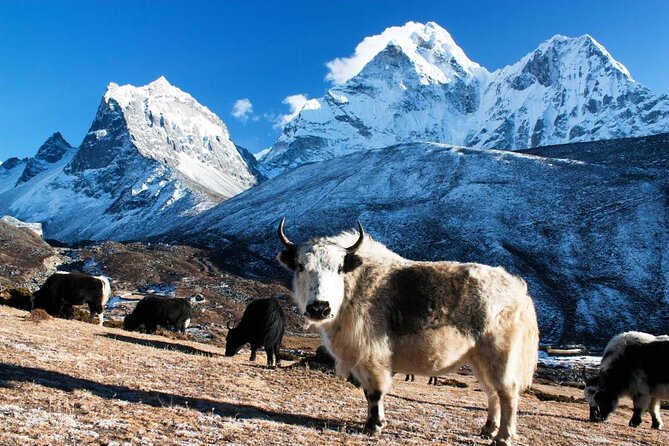
- Gokyo Ri sunrise (early morning) for a wide, classic panorama over multiple giants
- Ngozumpa Glacier terrain through the terminal moraine climb and glacier valley follow-ons
- Namche acclimatization day with an early hike above town when clouds are still low
- Strong local support with an English-speaking guide and a porter plan (one porter per two guests)
- Tea house living at altitude across smaller villages like Gokyo, not just the busiest hubs
- Fees and logistics handled for Sagarmatha National Park and TIMS, plus Lukla flight and airport departure tax
Why this Everest Gokyo route delivers strong views, not just walking
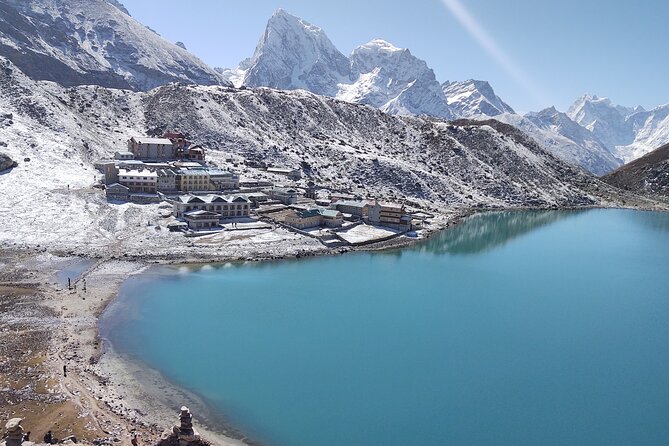
This is a trek where the effort is timed for payoff. You are not only “in the Everest region,” you are repeatedly put in position for sunrise and high-mountain perspective, especially around Gokyo Ri. The contrast is sharp too: you move from forested slopes and Sherpa settlements into hard glacier scenery.
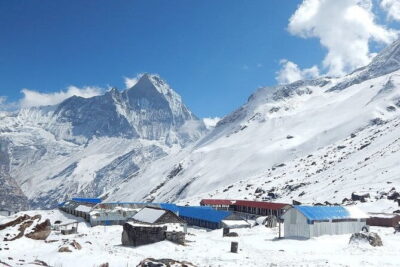
What you see matters here. On clear mornings you get the kind of layered mountain look that feels almost unfair, with Everest and Lhotse showing up alongside Cho-Oyu. The trail also gives you the glacier scale lesson of the Ngozumpa system, which is hard to appreciate from photos alone.
More of the Gokyo lakes:
- Gokyo to Everest Base Camp Trek
★ 5.0 · 113 reviews - Everest Base Camp – Cho La Pass – Gokyo Trek
★ 5.0 · 65 reviews - Landing Private Helicopter at Everest base camp & Gokyo for photo
★ 5.0 · 20 reviews
Does the $1,399 price cover the stuff that matters?
At $1,399 per person for about 12 days, this package feels focused on the core costs you cannot DIY easily. It includes Kathmandu airport pickup and drop by private vehicle. It also includes the Kathmandu to Lukla to Kathmandu flights, plus airport departure tax. That matters because Lukla logistics are a big part of why this trek exists in the first place.
The trip also includes the major administrative pieces: Sagarmatha National Park entrance fee and the TIMS card. And you get a real working team on the ground, including an English-speaking guide and a porter plan (you get one porter per two people), with their salary, insurance, food, accommodation, and equipment covered.
Now the catch. Lunch and dinner during the trek are not included, and Kathmandu meals and trekking downtime lodging are also not included. On top of that, personal health and travel insurance is not included, and it specifically notes insurance for helicopter evacuation is on you. Lastly, tips for the trekking crew and driver are not included.
If you want predictability, this is a decent setup. If you want a fully packaged “three meals every day, including Kathmandu,” you will need to budget extra.
The flight day reality: Lukla at 6:15 am energy
The experience begins fast. You meet at Tribhuvan Airport in Kathmandu at 6:15 am, and you start with an early airport transfer by private vehicle. Then it is the quick Lukla hop, about 35 minutes, often described as short but visually intense thanks to the Himalayan terrain below.
This is also where you should be mentally prepared. The Lukla flight is weather dependent, so your trek rhythm could shift. The good news is the tour structure includes a guide and team setup that reviews and adjusts when the mountain throws curveballs, based on the operator’s past experiences with flight disruptions shared in reviews.
Day 1: Lukla to Phakding along the Dudh Koshi
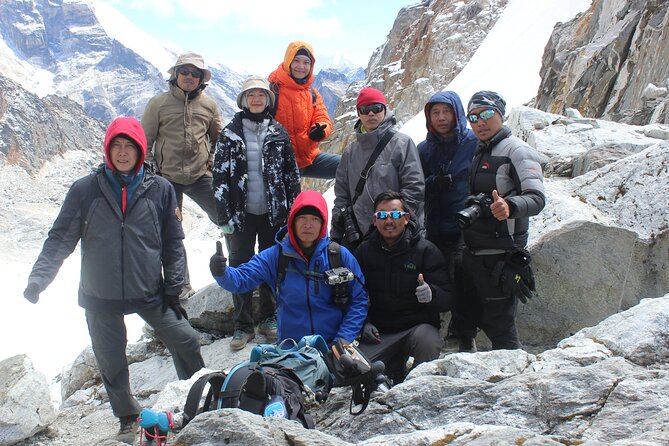
After you land, the trek proper starts right away with the walk to Phakding. Expect a hike of about 3 hours with some up and downs, following the Dudh Koshi River. This section is a great “start smart” day because it gets your legs moving without demanding that you already feel amazing at altitude.
You sleep in a tea house in Phakding with standard accommodation and breakfast included. A tea house day is not about comfort like a city hotel. It is about getting a warm place, a predictable bed, and food you can handle while your body gets used to thin air.
More to compare around Kathmandu
- Kathmandu: 7 UNESCO Sites with Lunch
★ 4.8 · 744 reviews - Everest Base Camp Helicopter Tour landing at Everest View Hotel
★ 5.0 · 668 reviews - Kathmandu: Local Women-Led Nepali Cooking & Momo Class
★ 4.9 · 360 reviews - Manaslu Circuit Trek
★ 5.0 · 292 reviews
Day 2: Suspension bridges and the climb into Namche Bazaar
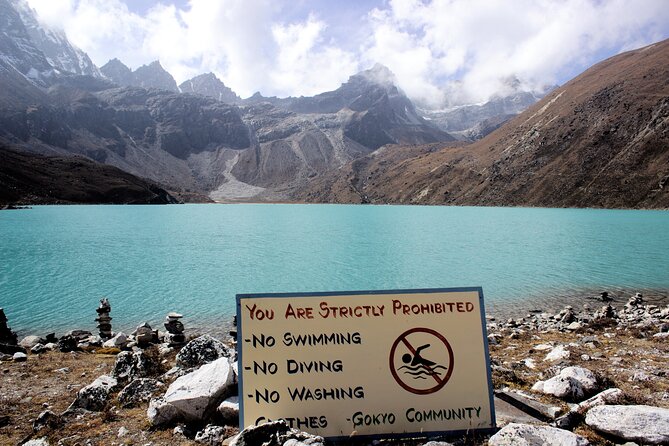
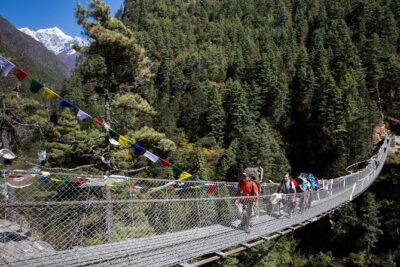
The next day keeps you near the Dudh Koshi River and ramps up the “Everest region” feeling. You cross the river several times on suspension bridges, with prayer flags adding color to the route. Then you enter Sagarmartha National Park.
The big change is the climb: from Larja Dobhan the trail goes steep up toward Namche Bazaar, the main gateway settlement. You will reach Namche after about 6 hours of trekking, then spend the night in another tea house with breakfast included.
This is also your first altitude check. Even if the route is manageable, Namche is where you start to feel the difference in breathing rate and how quickly you get cold.
Day 3: Namche acclimatization, Sherpa Museum, and early mountain light
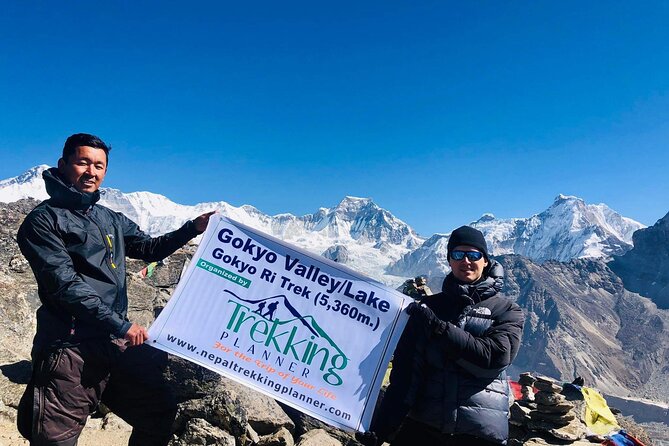
Day three is a rest and acclimatization day in Namche. That sounds like a gentle day, but it is really a strategy day. Instead of pushing higher every day, you give your body time to adapt and you set yourself up for better views later.
You take an early hike above town when clouds may still be low, aiming for sunrise-style clarity. Then you can visit the Sherpa Museum, which shares traditional Sherpa life and includes a photography display by a local Nepalese naturalist.
In plain terms: this is where you learn how the mountains behave that morning. If visibility is good, you will understand why people plan their day around dawn here.
Day 4: Khumjung hill, Mohang, and the turn toward Phortse
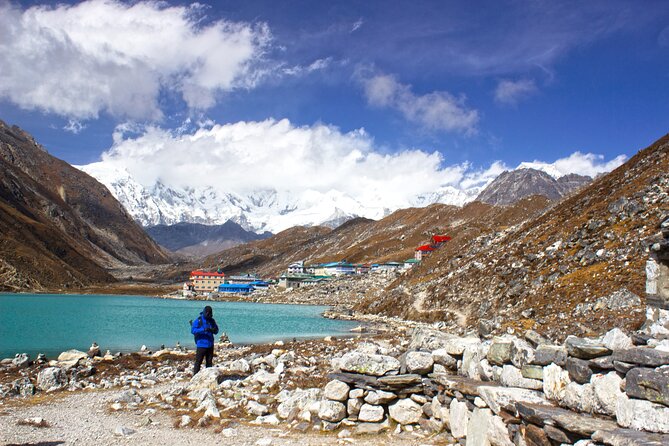
Your route shifts north and east into the Khumbu geography. You go up toward Khumjung hill, then descend through a broad valley that follows the Dudh Koshi before the trail turns north.
You also pass cultural stops that break up the physical effort. There is a chorten on the ridge top around 3973 m, tied to the Khumbila area described in the route notes. You also visit Mohang, described as the birth place of the re-incarnate Lama of Rongbuk monastery of Tibet and linked to the introduction of Buddhism in the Khumbu region.
After that, you descend via steep switchbacks down a sandy slope toward the Dudh Koshi-side area (noting the route references Dush Koshi as well). You end with a tea house night at Phortse.
The drawback on days like this is the mental shift. You might be feeling strong, then the steep switchbacks remind you that downhills can be just as tiring as climbs.
Day 5: Rhododendron forest to the Kharkas, then Gokyo-bound
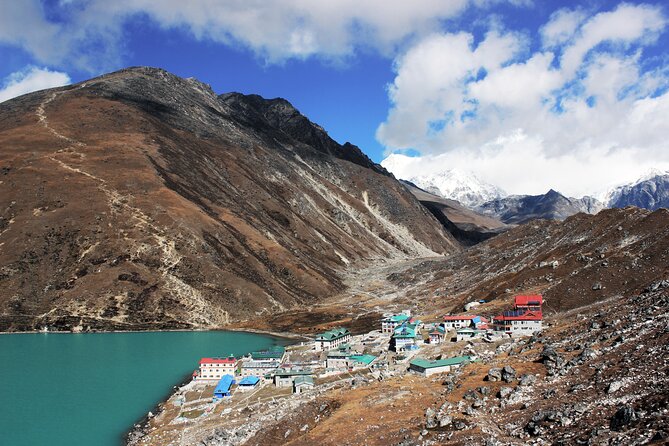
From here you are heading into the Gokyo direction. You climb steeply out of the valley through rhododendron forests, with the route passing Kharkas, summer settlements used when herds of yaks graze.
You pass through places like Tongba (around 3950 m) and Gyele (around 3960 m) on the way. The day ends with a tea house night at Gokyo Lakes area accommodations.
This is one of those stretches that can feel “pretty” when you are tired, but it matters. Forested segments let you keep a steadier pace, and the scenery changes gradually, so the glacier drama later does not hit all at once.
Day 6: Machhermo, juniper scrub, and Cho Oyu in view
Day six is shorter, which is helpful before the more intense lake-and-glacier terrain ahead. From your prior stop, the trail climbs steadily along the valley side.
As altitude increases, rhododendron gives way to scrub juniper, and you again pass summer settlements tied to yaks. You reach Machhermo (around 4410 m) around lunch time, staying in a tea house with breakfast included.
The view value on this day is big. The route notes highlight Cho Oyu as an excellent sight, while looking back you can catch peaks such as Kantiaga and Thamserku. This is also the day you start to notice how the mountains look sharper as you get closer to the Gokyo basin.
Day 7: The terminal moraine slog to Gokyo and the lakes show
This is a key day. Past Machhermo you climb a ridge for views down into the valley and up toward Cho-Oyu, then pass through Pangram around 4390 m as the valley widens.
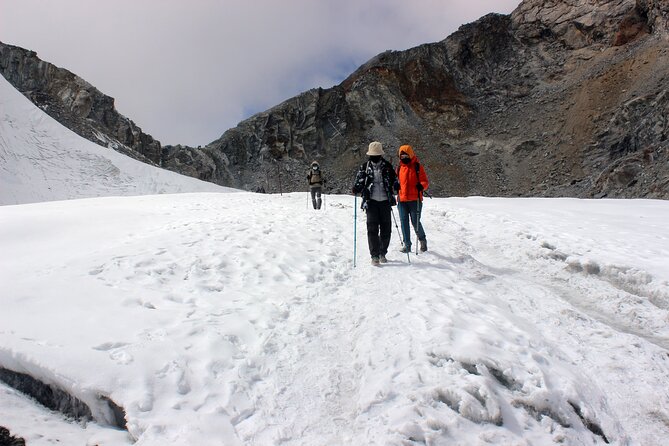
Then the trail asks for grit. You descend to the river bank before beginning the climb up to the terminal moraine of the Ngozumpa Glacier. The notes are direct about it being steep on the moraine. After that workout, the trail levels and you follow the valley past Longponga (described around 4690 m) and the “Lama footprints” landmark, then continue to Gokyo on the edge of the third lake.
Gokyo itself is smaller than Namche, with the notes saying roughly 6 to 8 lodges. In practice, that usually means a quieter feel, fewer people, and a stronger sense that you are living inside the trek rather than just using it.
Day 8: Gokyo Ri at sunrise, plus the fifth lake outing
Day eight is all about Gokyo Ri (5463 m). You go very early with your guide for sunrise views, and the payoff is the kind of panorama trekkers remember for years. From here you get a chance to see Everest and Cho-yu and the lake system below, along with the biggest Na-Jumpa glacier referenced in the route notes.
Then you return for breakfast, and later the same day you can explore up toward the fifth lake, passing another fourth lake along the way. It is a satisfying way to balance the early effort with a daytime exploration that still keeps your energy within a reasonable range.
If you are the type who loves photography, this is where you will keep checking your memory card. But the bigger point is spiritual, in a practical way: the sunrise hike makes the rest of the trek make sense.
Day 9: Back toward Dole via Machhermo
After the Gokyo core days, you start retracing steps. Day nine goes from the Gokyo valley area back through Machhermo and toward Dole, with a tea house night.
This reverse day is useful. You get to see the trail without the pressure of it being the “hard push day.” Still, do not assume it is easy. Your legs are tired, and you will likely feel every descent and re-ascent, especially with high-altitude cold.
Day 10: Phortse Tanga, Mongla Dada, and the long slide into Namche
This day mixes descent and a climb. The route notes describe trekking down to Phortse Tanga and then ascending toward Mongla dada. After that, you slow down as the trail goes all the way to Namche.
Namche again is your reset point. You sleep in a tea house there and can focus on recovery, hydration, and drying out gear you used earlier in the week.
This is also a day where good pacing matters. If you rush the Mongla dada section, you will pay for it later.
Day 11: Lukla return day and the feel of going lower
You retrace your steps back to Lukla with a tea house night. The day is described as a trek with a few ups and downs.
Going down can feel great, until it starts beating up your knees. If you use trekking poles, this is where they earn their keep. If you do not, this is when you might consider borrowing or renting them in Kathmandu, since the route includes multiple long sections of down travel.
Day 12: Fly back to Kathmandu and settle into real comfort
On the final day you take an early flight back to Kathmandu, again about 35 minutes. Upon arrival, you get picked up and transferred to the hotel by an airport representative, then spend the night in Kathmandu with breakfast included.
The emotional shift is real. After days of cold air and steady effort, the Kathmandu temperature and noise feel like a different planet. Your job here is to sleep, eat, and not rush into another trek the same week.
The human factor: guides and the small stuff that saves your day
One reason this trek rates highly is how the guide team shows up. In reviews tied to Everest region trekking, names like Sonam and Kiran, FT Sherpa, Dipak, Dibash, Pasang, Ananta, and Dipendra show up repeatedly as people who were helpful, friendly, and quick to handle problems.
A theme that matters for you: calm adaptability when the Lukla flight gets diverted due to weather. People also credit guides for practical problem solving, including arranging options for someone who could not keep going and needed a way back down to Lukla.
The porter support plan is also not just a nice-to-have. With one porter per two people, the trekking becomes more sustainable, especially on the moraine climb day and on travel days when you feel “stale” rather than “fresh.”
What you should pack for Gokyo Valley conditions
The route notes call out steep climbing, glacier terrain, and high points like Gokyo Ri and Cho-Oyu view days. Even if your trek is not a technical climbing itinerary, you still need winter-style mountain layers.
You should plan for cold nights in tea houses and cold early mornings, especially if you are doing sunrise hikes. Bring gloves and a warm hat. Bring a good rain layer. And keep your footwear dry enough that you do not lose comfort once you are at higher elevations.
Also, since lunch and dinner during the trek are not included, you should budget for food that your guide recommends and that your stomach tolerates at altitude.
Who this trek is best for, and who should think twice
This is best for you if you want the Everest region experience, but you care deeply about viewpoints from places like Gokyo Ri and you are comfortable trekking day after day. The trip asks for moderate physical fitness and includes trekking days that involve steep climbs and long descents.
It may be a less ideal match if you get nervous about altitude, or if you cannot handle the idea that the Lukla flight is weather sensitive. That does not mean the trip is unsafe, it just means you need to accept that the first and last travel days depend on mountain conditions.
Should you book the Everest Gokyo Valley Trek?
If you want a high-impact itinerary without spending your whole trip fighting for view access, this is a strong choice. You get a structured acclimatization day in Namche, then you get repeated high payoff mornings, especially around Gokyo Ri. You also get the logistics that matter most, including flights to Lukla, park fees, and a guide plus porter plan.
I would book it if you are ready to carry your own essentials comfortably and you are prepared to budget for lunch and dinner during the trek. I would hesitate if you need a totally carefree travel schedule, because Lukla weather can change your timing.
FAQ
FAQ
What is the duration and main start time for the trek?
The trek is approximately 12 days. The start time is 6:15 am at Tribhuvan Airport in Kathmandu.
Are Kathmandu to Lukla flights included?
Yes. The package includes flights from Kathmandu to Lukla and back to Kathmandu, including airport departure tax. The flight time is listed as about 35 minutes each way.
Is park entry and TIMS included?
Yes. National Park entrance fee and the TIMS card are included.
Do you get a guide and porter?
Yes. A highly experienced English-speaking guide is included. There is also a porter plan, with one porter provided for every two guests, including their insurance, salary, food, accommodation, and equipment.
What kind of lodging and meals are included during the trek?
During the trekking portion you get twin or double sharing accommodation. Breakfast is included for 11 days. Lunch and dinner during the trek are not included.
What about meals and lodging in Kathmandu?
The package includes airport transfers and breakfast, but it does not include meals and accommodation in Kathmandu.
What happens if the tour cannot run due to weather?
The experience requires good weather. If it is canceled due to poor weather, you will be offered a different date or a full refund.
Latest Kathmandu write-ups
- 16 Days Island Peak Climbing With Everest Base Camp Private Trip★ 5.0 · 3 reviews
- Private Nepal round trip including Ghorepani Poonhill trek★ 5.0 · 3 reviews
- Everest Base Camp Trekking 16 Days★ 4.0 · 7 reviews
- 15 Days Round Annapurna Trek with Poon Hill from Pokhara★ 5.0 · 5 reviews
- 14 Days Luxury Annapurna Base Camp Trek★ 5.0 · 6 reviews
- Everest Base Camp Trek★ 5.0 · 32 reviews
- Everest Base Camp Trek★ 5.0 · 87 reviews
- Everest Base Camp Trek★ 5.0 · 97 reviews
Hiking & Trekking, compared.
Nagarkot Sunrise and Hike Tour to Changu Narayan
Read our review →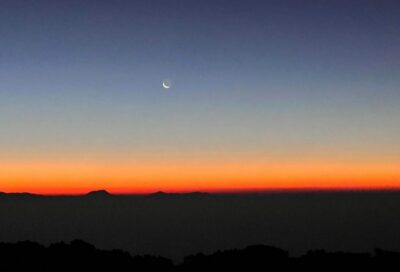
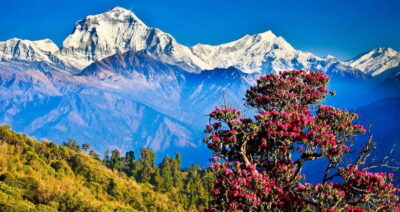
4-Day Ghorepani, Poonhill & Ghandruk Mountain Trek
Read our review →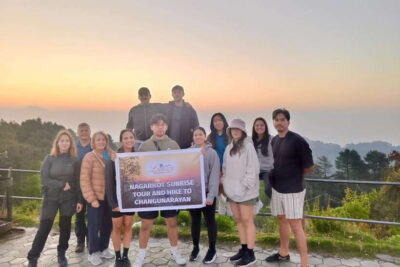
Browse the lists this tour appears in