
Reviewed · EVEREST BASE CAMP TREK
Everest Base Camp Trek
If you want the Everest region without the usual guesswork, this Everest Base Camp trek is designed to do the heavy lifting for you. You get a licensed guide, domestic airfare to Lukla and back, and tea house lodging built into the plan, so you can focus on pacing, acclimatizing, and enjoying the daily rhythm of the Khumbu.
Two things I really like about this trip are the practical support baked in, and the way it keeps you from packing like you’re moving house. First, the itinerary includes real acclimatization days and structured viewpoint stops, plus hotel nights in Kathmandu before you start. Second, the trek runs with a professional, government-licensed guide team, and the experience quality shows up in how smoothly it’s described, including named staff like Bishnu and guide Basu in the feedback.
One drawback to think about is timing risk. Lukla flights can delay or cancel, and the operator specifically asks you to consider adding 1 to 2 extra days so you do not feel trapped by weather.
Key highlights that make this trek work
- Lukla flights included: Kathmandu to Lukla and back, plus airport tax, so you are not scrambling for logistics.
- Tea house lodging for the trek: 10 nights are included (tea houses on the route, after the Kathmandu portion).
- Professional, government-licensed guide support: geared for staying on track and managing altitude day by day.
- Kathmandu hotel nights included: a buffer for arrival, gear prep, and easing into the trip.
- Small group cap: up to 8 people per booking, and it’s private for your group.
- Altitude acknowledged up front: you get clear guidance to talk to your doctor and come insured.
Kathmandu start: Thamel, temples, and getting your legs ready
Most Everest trekkers underestimate what Kathmandu does for the whole trip. This one gives you time in Kathmandu, with pickup from the airport and stays in a 3-star hotel. You also start near Thamel, the practical tourist hub where you can sort gear, pick up trekking items, and talk through questions with your guide team.
Day 1 is a calmer on-ramp. You’re not rushing straight to the airport and then into the trail. Instead, you get a day that can include time around landmarks like Swayambhunath, Boudhanath Stupa, and even a stop at Garden of Dreams depending on how your schedule flows. The value here is simple: you get organized, you get fed well enough, and you sleep like a human before you start climbing.
I especially like that the included guide structure makes early-day decisions easier. The itinerary also notes that required documents for permits need to be handled before permits are issued, and a guide can help you stay on top of that paperwork workflow.
More ways to walk to Everest Base Camp:
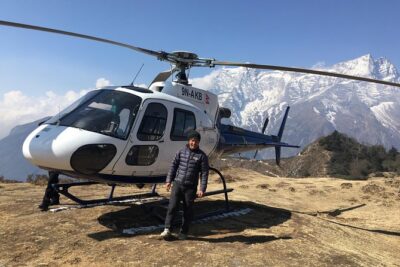
- Everest Base Camp Helicopter Tour landing at Everest View Hotel
★ 5.0 · 668 reviews - Gokyo to Everest Base Camp Trek
★ 5.0 · 113 reviews - Everest Base Camp Trek
★ 5.0 · 87 reviews
Lukla flights and why you should plan for extra time
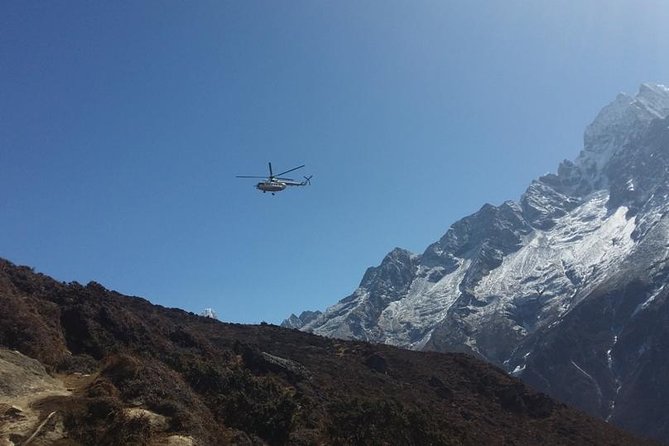
The trek’s “main event” starts with the flight to Lukla. This package includes the domestic airfare Kathmandu to Lukla and back, and airport tax. That inclusion matters because Lukla is a logistics knot. If you have to book flights on your own last minute, costs and stress tend to spike.
The other reality is weather. The operator directly flags that you may need to consider Lukla flight delay and cancellation, and they request you plan an extra 1 to 2 days. That is not just legal-speak. It changes how you experience the trek. With buffer time, you can deal with delays without turning your mood into a ski mask.
One more practical point: your meeting point is Tribhuvan Airport in Kathmandu, and the trip is set up so a guide helps with arrival and departure assistance by private car. That reduces the “what do I do now” friction when you land in Nepal.
Tea houses and packing light: comfort without the porter drama
Once you leave Kathmandu behind, you move into tea house trekking, and that’s a big reason this route feels manageable. Tea houses are included for the trek portion, and you carry your own luggage with a recommended weight limit of 22 lbs (10 kg). This is one of those rules that feels strict until you’re actually on the trail, then it feels like a lifesaver.
The package also notes that you can leave extra luggage at the office or hotel and pick it up after you return. That’s another quiet win. You are not trying to drag everything you brought through every stair-like stone step.
Now, a key budget reality: tea house lodging is included, but food and drinks are not included unless specified. The tour lists a budget item of $350 per person for food and drinks, and it also lists gratuities of $150 per person. You should treat those as part of the real cost of doing the trek, not as optional add-ons.
Also, gear rentals or purchases are available in Kathmandu, and your guide can help arrange what you need. That’s useful if you arrive without the right layers or trekking poles. Cold climbs in thin air are not the place to discover you packed the wrong gloves.
Day-by-day route: Kathmandu to Phakding, then Namche Bazaar
After your Kathmandu day, you’ll fly to Lukla. From there, the trek starts with the first stretch into the Khumbu region, including a stop at Phakding. The itinerary places you in the mid-day rhythm, and the big goal early on is getting used to Nepal’s trail pacing, not conquering anything heroic.
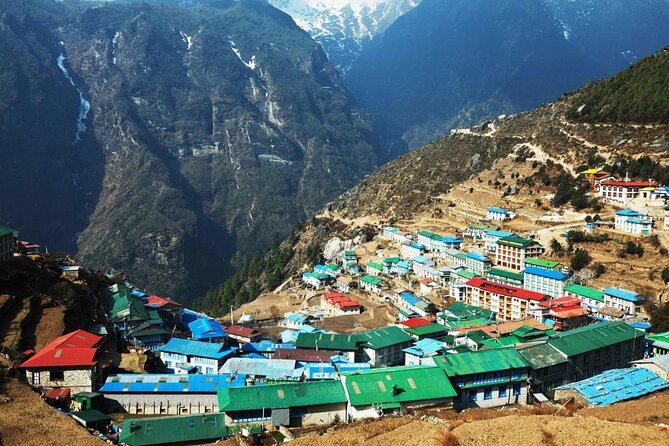
From Phakding, the next main step is Namche Bazaar. This is where most first-time Everest trekkers start to feel the altitude, even if the trip is still in an “intro” phase. The itinerary includes a day where you’re in Namche Bazaar longer, which is exactly what helps: you do not just pass through. You acclimatize with time on your feet at a manageable pace.
There’s also a stop at Everest View Point that’s marked as included. I like this kind of viewpoint stop because it gives you a reward without requiring you to overreach. It’s scenery plus a chance to check your breathing and energy, which matters when the air gets thinner.
And throughout this part of the trek, you’ll keep moving past places like the Dudh Koshi River, which helps break up the climb with changing terrain and a steady sense of progress.
More to compare around Kathmandu
- Kathmandu: 7 UNESCO Sites with Lunch
★ 4.8 · 744 reviews - Kathmandu: Local Women-Led Nepali Cooking & Momo Class
★ 4.9 · 360 reviews - Manaslu Circuit Trek
★ 5.0 · 292 reviews - Kathmandu: Food and Drink Walking Tour
★ 4.9 · 292 reviews
Tengboche: monasteries, altitude comfort, and the long mountain stare
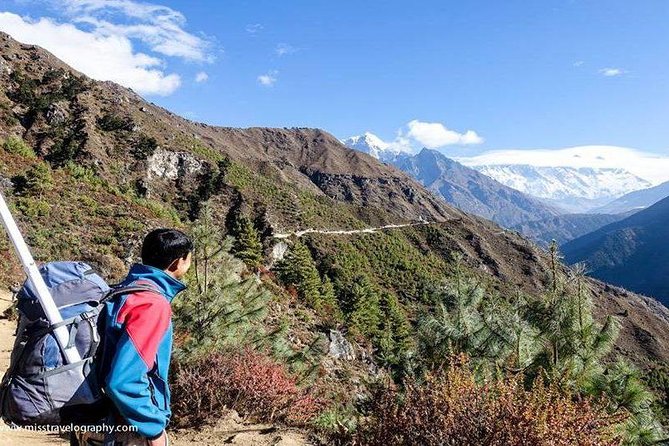
At Tengboche, the trek taps into something you cannot download or buy: altitude culture and mountain stillness. You’ll have a stop at Tengboche Gompa, which is a meaningful pause. Even if you’re not the spiritual type, these stops create a mental reset. Trekking at altitude is half physical effort and half attention management.
The itinerary also references big peak names around Sagarmatha National Park, including Mt. Ama Dablam and Mt. Taboche. Even if you focus on breathing instead of identifying peaks, seeing how the route frames these mountains helps you understand what people mean when they say the Khumbu feels “close” to Everest.
One drawback to keep in mind at this stage: cold and wind can start to feel sharper as you climb. You’ll likely spend long hours on trail days, and Tengboche is a place where layers matter. If you arrive under-dressed, it’s not a fun surprise.
Dingboche and Chukhung: where acclimatization becomes work
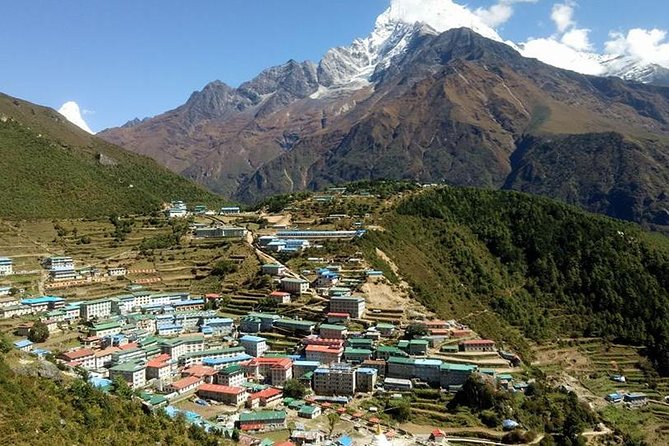
Next comes Dingboche, another central stop on most EBC-style routes. The itinerary includes time there with a full trekking day. The key is that Dingboche gives you a chance to acclimatize instead of just climbing higher and hoping for the best.
The route then moves to Chukhung. When you see an itinerary include this kind of higher side area, you should understand the trade. You’re not just sightseeing, you’re also teaching your body how to work in thinner air. That can feel like slow suffering, but it’s also what makes the later high stops safer and more comfortable.
This is where I really appreciate that the tour is explicit about altitude risk. The trip mentions demanding altitudes of about 5,364 meters (17,598 ft), with possible extreme weather. That does not mean you’ll automatically have trouble. It means the company is not pretending altitude is a minor detail.
Lobuche and the approach toward the base camp area
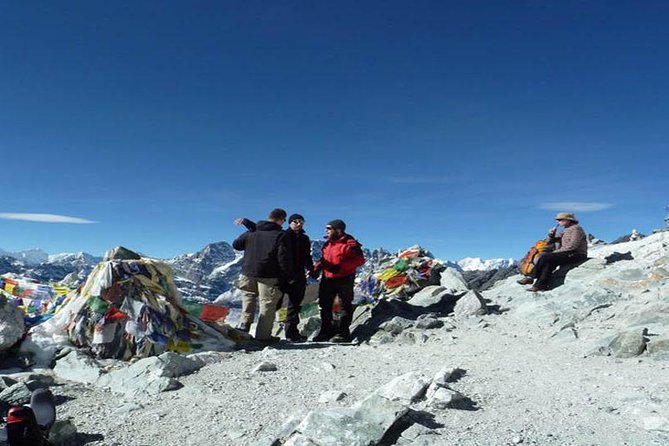
After Dingboche and Chukhung, the itinerary heads toward Lobuche. Lobuche is often a turning point because you are no longer easing into altitude, you are now in the zone where the air can sap energy.
From there, you also pass through a stop listed as Khumbu Glacier. Even if you keep your eyes on the ground to stay steady, glacier areas usually mean more cold, more wind exposure, and more careful footing. On these days, your guide’s role shifts from “route navigation” to “pace discipline.” You want to keep moving without forcing your body into a deficit.
The trek is described as hiking to Everest Base Camp, so this phase is where you feel like you are really working toward the goal. Expect that the schedule is demanding, even with tea house breaks.
Gorak Shep, Kala Pattar, and the big altitude effort
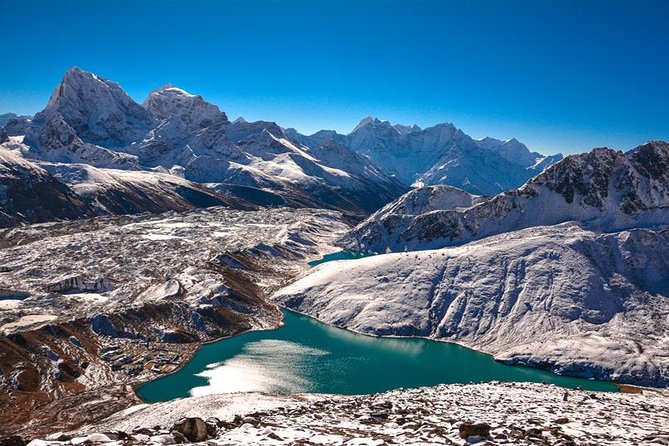
The next stage includes Gorak Shep and then a stop at Kala Pattar. This is the portion of the trek where everything is about altitude management and making the most of limited energy. The itinerary includes time at Gorak Shep, and then you go high enough to make every step count.
There’s also a stop listed for Mount Everest in the day structure. While you might not always be able to see the mountain clearly due to cloud cover, the point is that you are in the core zone associated with the Everest region and base camp travel.
The reason these stops matter is not only the view factor. It’s also your body’s learning curve. You’ll notice how walking changes when you get close to your limit. The best guides encourage a steady pace, short breath cycles, and calm decisions. The feedback around named guides like Basu ties into that kind of steady, hands-on management.
Pheriche, Pangboche, and the return through Namche and Lukla
After the high-point effort days, your return route starts to feel like a “through-the-village” story. The itinerary includes Pheriche – Dughlha Road and Pangboche, then back toward Namche Bazaar.
I like this portion because it changes the emotional tone. The first half of the trek often feels like anticipation. The return can feel more like gratitude, especially when you start recognizing the places you passed earlier.
You’ll then go back to Namche Bazaar, and the route eventually brings you to Lukla, and then back to Kathmandu. This is where the included logistics really show. If you had to line up flights yourself at the end, you’d be dealing with the same weather risk in reverse, plus the stress of being tired.
Kathmandu again: time to recover, sort photos, and celebrate smartly
The trip builds in a landing phase in Kathmandu with 3-star hotel stays and breakfast included on day 1 and day 13. The overview describes three nights in Kathmandu, while the inclusions list breakfast dates across the beginning and end, so confirm the exact night count directly with the operator. Either way, the intent is clear: you’re not trekking straight into jet lag chaos.
You also have time to wind down before departure. You’ll go from the thin-air rhythm to normal air, and that can feel surprisingly emotional. Take it slow your last day. Eat something comforting. Drink water you trust. Then plan your evening like you are actually back on Earth.
Price and logistics: what $999 covers, and what you still need to plan
At $999 per person, this trek is priced as a true package, not a DIY itinerary. The big value ingredients are included domestic flights, tea house accommodations, and a licensed trekking guide with support items like a first aid kit and even a Himalayas Recreation t-shirt.
But the real-world cost is more than the headline price. The tour lists:
- Food and drinks budget: $350 per person
- Gratuities: $150 per person
- Optional language help: $200 per group if you want a non-English speaking guide
That means your “full trip budget” should be treated as headline price plus the items above, plus any extra gear you buy or rent in Kathmandu. If you already own trekking poles and the right layers, you’ll spend less on the upfront gear side.
On the other hand, if you are the kind of traveler who hates uncertainty, this package is built for you. Included flights remove a major point of friction, and the guide-led approach reduces the risk of getting stuck planning around permits and route questions.
Safety and altitude fit: who should do this, and how to prep
This trek is not positioned as an easy walk. The operator clearly states you need strong physical fitness, and it flags health risk from altitude, noting that adverse health effects are possible regardless of age or gender. The itinerary also notes demanding altitude around 5,364 meters and possible extreme weather.
Two other safety items matter:
- You are required to have travel insurance that covers medical expenses and emergency repatriation, and you must show proof to the tour leader on the first day.
- The guide team has basic first aid training and knows the closest medical facilities.
That is the baseline. My best advice is still simple: talk to your doctor before you go, and do not treat altitude as a personal character test. If you plan to come, show up trained for long days, and plan to move at a pace your body can sustain.
This package also sets a small maximum group size of 8 people per booking, and it’s private for your group. Smaller groups can mean less crowding at tea houses and more flexibility in how you manage the schedule when someone needs extra time.
Should you book this Everest Base Camp trek?
Book it if you want an Everest Base Camp experience that is guided, structured, and logistically calmer than DIY. The included Lukla flights, tea house lodging, and licensed guide support are the big reasons this package makes sense, especially if you value safety and planning over spontaneity.
Skip it or reconsider if you know you get stressed by weather delays. The operator openly calls out Lukla flight timing risk and asks for buffer days, so build your schedule accordingly. Also, if you do not want to budget for food, drinks, and gratuities on top of the price, you’ll feel surprised once you’re in-country.
If you do book, pack light, keep your weight around the recommended limit, and treat acclimatization days as part of the success plan, not as downtime. The best trekkers arrive, follow the pace, and let the mountains unfold one step at a time.
FAQ
What is included in the price?
The package includes pick up and drop off assistance, 2 nights in a 3-star Kathmandu hotel with breakfast on day 1 and day 13, 11 night accommodation in tea houses during the trekking, domestic flights Kathmandu to Lukla and back (including airport tax), a government license holder trekking guide, government taxes and service charges, a first aid kit, and a Himalayas Recreation t-shirt.
Are domestic flights to Lukla included?
Yes. Domestic airfare from Kathmandu to Lukla and back is included, along with airport tax.
Do I stay in tea houses during the trek?
Yes. Tea house accommodations are included for the trek portion of the itinerary.
How high does the trek go?
The trip notes demanding altitudes of approximately 5,364 meters (17,598 ft), with possible extreme variations in weather.
Do I need travel insurance?
Yes. Travel insurance that covers medical expenses and emergency repatriation is required, and proof must be shown to the tour leader on the first day.
Is food included?
Not fully. The tour lists that food and drinks are not included unless specified, with a $350 per person budget noted for food and drinks.
What documents do I need for Nepal permits?
You’ll need passport photo copy with clear color scan and validity minimum of 6 months, two passport size photos, plus occupation and home address details.
Latest Kathmandu write-ups
- 16 Days Island Peak Climbing With Everest Base Camp Private Trip★ 5.0 · 3 reviews
- 15 Days Round Annapurna Trek with Poon Hill from Pokhara★ 5.0 · 5 reviews
- Private Nepal round trip including Ghorepani Poonhill trek★ 5.0 · 3 reviews
- Everest Base Camp Trekking 16 Days★ 4.0 · 7 reviews
- 14 Days Luxury Annapurna Base Camp Trek★ 5.0 · 6 reviews
- Everest Base Camp Trek★ 5.0 · 32 reviews
- Everest Base Camp Trek★ 5.0 · 87 reviews
- 14 Days Annapurna Base Camp Trekking | Best trek for visit Nepal 2020★ 5.0 · 19 reviews
Everest Base Camp Trek, compared.
Everest Base Camp Helicopter Tour landing at Everest View Hotel
Read our review →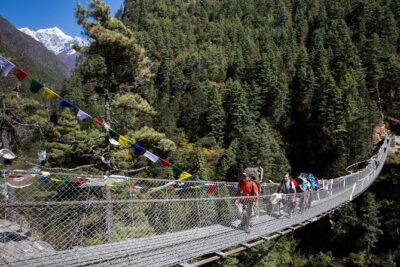
Everest Base Camp Trek 12 Days – Best Himalayan Adventure
Read our review →
Browse the lists this tour appears in