
Reviewed · EVEREST BASE CAMP TREK
Everest Base Camp Trek
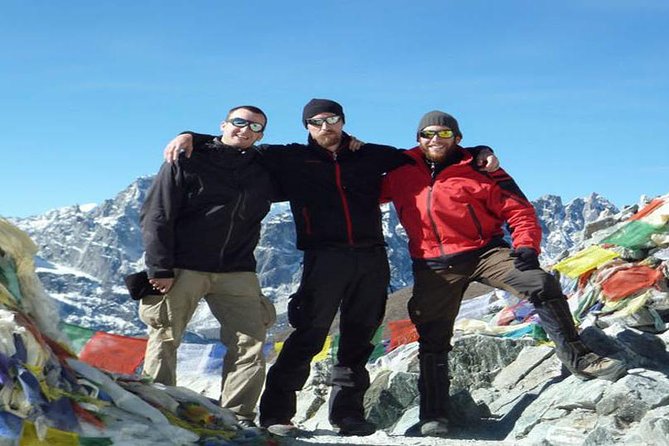
Everest Base Camp is one of those rare treks where the mountains feel close enough to argue with, and the whole journey builds toward a very literal front-row seat on the world’s highest peak. I like how the trip mixes wild high-altitude scenery with living Sherpa culture, and I love that you start with real Kathmandu time before the adventure kicks off. People also consistently highlight guides like Bal Kumar Tamang and Raju for calm, steady leadership on the hard days.
One thing to consider up front is the logistics of Lukla flights. Weather can delay or cancel flights for a day or more, and that can ripple through your trekking schedule, even in good seasons.
Key points worth caring about
- Lukla flight starts high at about 2,845 to 2,860 meters, so the trek feels intense from day one
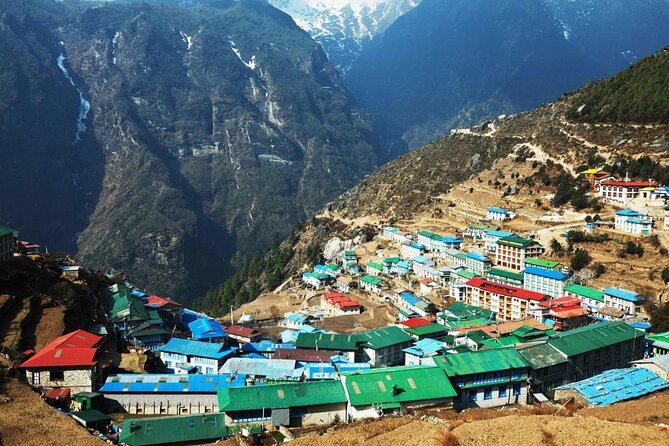
- Sherpa villages and monasteries show up alongside big mountain views, not just after you suffer
- Lodge trekking with shared bathrooms is included, so you get a realistic feel for tea house life
- Meals are planned for you (3-course meals plus hot drinks), which matters when you are breathing hard
- Strong guide and porter support is a repeated highlight, including help when someone gets injured
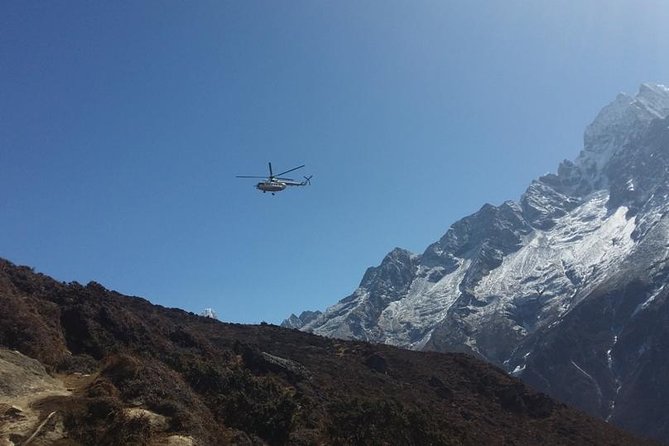
- Weather planning is part of the deal, with buffer-day advice and a helicopter option if needed
Why Everest Base Camp Feels Like a Front-Row Seat
Everest Base Camp works because it is not just about summit dreams. You are trekking to a place that sits right at the foot of the Everest story, and the “getting there” is the whole point. The approach moves from Kathmandu, to Lukla, to a long climb through Sagarmatha National Park, with repeated views of Everest and the surrounding giants.
You also get the cultural side that most people are secretly hoping for. The trek is designed to pass Sherpa settlements and monasteries, so you see how people live with these mountains every day. And yes, you get the headline peaks: Everest at 8,848 meters, plus Lhotse (8,586), Cho Oyu (8,188), and Ama Dablam (6,812). Even Makalu is on the list as one of the Himalayan giants you may spot on the route.
The practical angle: this is a physically demanding trek. You should show up with moderate fitness, because the altitude and the long trekking days do not care how excited you are.
More ways to walk to Everest Base Camp:
- Everest Base Camp Helicopter Tour landing at Everest View Hotel
★ 5.0 · 668 reviews - Gokyo to Everest Base Camp Trek
★ 5.0 · 113 reviews - Everest Base Camp Trek
★ 5.0 · 97 reviews
Route Overview: Kathmandu, Lukla, and the Long March Through Sagarmatha
Your trip is built to start in Kathmandu, then shift quickly into the mountains. You get 3 nights in a 3-star hotel in Kathmandu on twin sharing with breakfast, then you spend time exploring the city before the flight to Lukla. That matters because Kathmandu is where you handle the last details, get oriented, and do basic supply runs if you want anything specific.
Then comes the big hinge: the flight to Lukla. Lukla is the gateway town for the Everest region, and it sits at roughly 2,845 to 2,860 meters. The trek company notes that most flights run in the morning to reduce weather trouble, which is good to know for your expectations. After that, you are trekking your way higher through Sagarmatha National Park, following the dramatic scenery and the rhythm of highland villages.
The itinerary is designed as an out-and-back plan over about 15 days. In plain terms, you can think of it in phases:
- Early days: getting moving, adjusting to hiking altitude, and settling into lodge trekking
- Mid-trek: a steady ascent through the Everest region, with more frequent mountain views and more time among Sherpa communities
- Late trek: the push to Everest Base Camp and the big-feeling days that come with it
- Return: retracing steps downward, when your body feels better but your legs may feel less excited
One drawback to plan for: the route depends heavily on Lukla flights. The operator explicitly warns that flights can be delayed or canceled for one or more days. That means you may have to adjust your start date or your return timing.
Also, the pace is not casual. Even when you are not climbing all day, the trek is a series of uphill work, thin air, and long enough days that you will feel it in your hips, knees, and lungs.
Lodges, Bathrooms, and the 3-Course Meal Strategy
The trek includes accommodation in local lodges, and the standard setup is sharing accommodations with a sharing bathroom. This is not “camping comfort,” but it is also not a hardship trip with zero structure. You are in the places that trekkers actually stay, which is part of the value here.
Food is handled in a way that supports altitude life. You get 3-course meals with hot drinks: breakfast, lunch, and dinner. That sounds basic, until you realize how much harder it is to eat consistently when you are tired and acclimating. A predictable meal plan helps you keep energy steady, and it reduces the mental load of figuring out what is available every day.
What is not included: lunch and dinner in Kathmandu, plus drinks and snacks while walking. In practice, this means you should budget a little extra for the small stuff you crave between meals, and you should carry water and anything personal you know you need.
The lodge setup also shapes your day. Tea house trekking is all about timing. When you arrive, you eat, rest, and you try to sleep before your body decides it is ready for a midnight debate about altitude.
Guides and Porters: Where the Best Reviews Actually Land
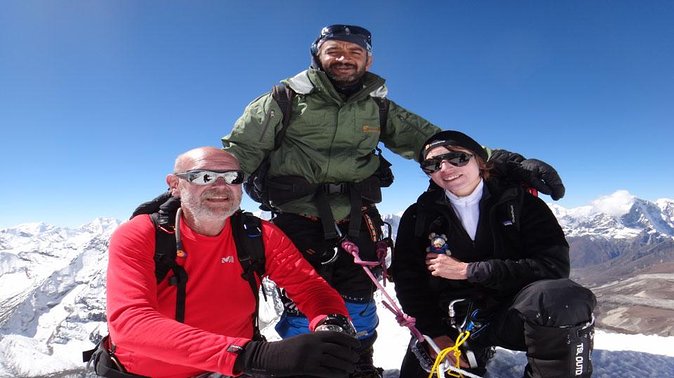
If you look at the common thread in the feedback, it is not just that the mountains are stunning. It is the people who make the trek feel organized, safe, and human.
The package includes an English-speaking local expert guide and porters. Reviews repeatedly praise guides for professionalism and patience, like the calm leadership described around Bal Kumar Tamang and Raju. Another pattern is how well the team handles problems without drama.
There is even a specific kind of support mentioned: when someone twisted a leg, a porter carried that person’s day bag and stayed encouraging during the recovery. That is the sort of practical help that can keep a bad moment from turning into a disaster.
From a value standpoint, this kind of staffing is a big reason the trek is more than a “route on paper.” On Everest Base Camp, your pace, your confidence, and your ability to keep moving safely depend on good guidance, good pacing decisions, and common sense.
You also get an added logistical piece: the Trekkers’ Information Management System fees are included. That is not glamorous, but it supports the mountain infrastructure side of these treks.
More to compare around Kathmandu
- Kathmandu: 7 UNESCO Sites with Lunch
★ 4.8 · 744 reviews - Kathmandu: Local Women-Led Nepali Cooking & Momo Class
★ 4.9 · 360 reviews - Manaslu Circuit Trek
★ 5.0 · 292 reviews - Kathmandu: Food and Drink Walking Tour
★ 4.9 · 292 reviews
Lukla Flight Reality: Buffers, Delays, and the Helicopter Option
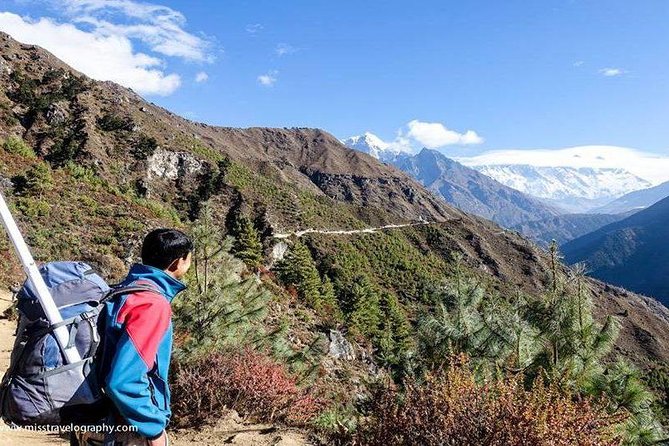
Here is the part you should respect: Lukla is a weather-dependent airport. The operator clearly states that flights can be delayed or canceled for one or more days, and that it can happen even during the best seasons.
They also recommend a simple but smart tactic: keep buffer days in your itinerary if possible. If flights get canceled, that cushion can protect the rest of your plans. If you end up needing an alternative plan, they mention that you can switch to another region reachable by road, like Annapurna, Langtang, or Upper Mustang.
If you want to stick with the original Everest schedule no matter what, there is an option: a helicopter flight to and from Lukla with a supplement charge. The company notes this cost is additional to the flight cost, and availability is the key. If you feel your flight is likely to be canceled, you should talk to your guide early so you can weigh helicopter timing and cost before the window closes.
One more consideration, and it matters for your peace of mind: the operator says they cannot refund or cover expenses due to flight cancellation before or after the trek, and you are not entitled to refund for services not used and included in the package. So build your plans with the assumption that weather is real.
Price and Value: What $2,500 Really Covers
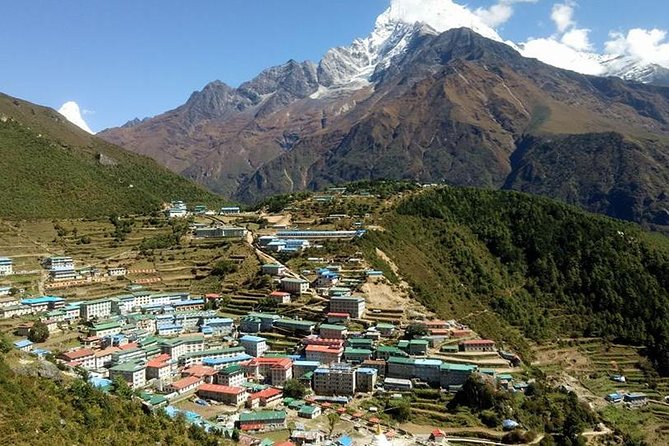
At $2,500 per person for about 15 days, the price can look high or fair depending on what you assume is included. Here, quite a bit is wrapped in:
- Kathmandu hotel stay: 3 nights at a 3-star hotel with breakfast
- Trek accommodation: local lodge stays
- Meals: breakfast, lunch, dinner, with hot drinks
- Guide and porters: English-speaking guide plus porters
- Flights: Kathmandu to Lukla and back (round trip)
- Surface transfers as per the itinerary
- Included fees: Trekkers’ Information Management System fees
What is not included:
- Nepal visa (multiple entry 30 days) for USD 40
- Lunch and dinner in Kathmandu
- Snacks and table drinks while walking
- Any emergency evacuation or medical expenses
- Your insurance and medical costs
So the value angle is this: you are paying for planning, staffing, and mountain logistics, not just your ability to hike. The more uncertain parts, like flights, are handled through real-world contingency advice (buffer days and helicopter as an option), even if weather can still scramble your schedule.
If you can afford it, the structure is the point. If you have to cut costs, you will usually end up compromising guide support, meal consistency, or logistics, which is risky when altitude is the boss.
What to Pack and How to Prepare Without Overthinking It
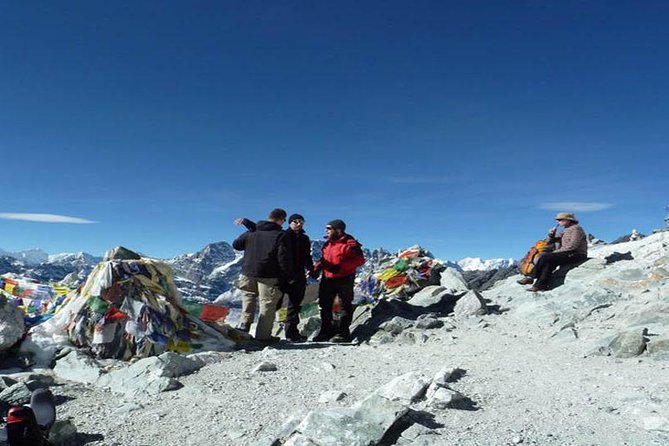
You are not given a packing list in the provided details, so I will keep this practical and general. Plan for cold nights, thin air, and sweaty afternoons. If you know you get cold easily, treat that seriously, because lodge sleeping can be chilly.
Training-wise, “moderate physical fitness” is the baseline for this trek. That means you should be comfortable hiking for long periods, and you should be ready for uneven trails and the slow burn of altitude.
One more preparation tip you can take from the way the trek is described: because Lukla flights may delay, you should be mentally ready for schedule shifts. Bring patience, not just hiking gear.
Who This Trek Suits Best (and Who Might Rethink It)
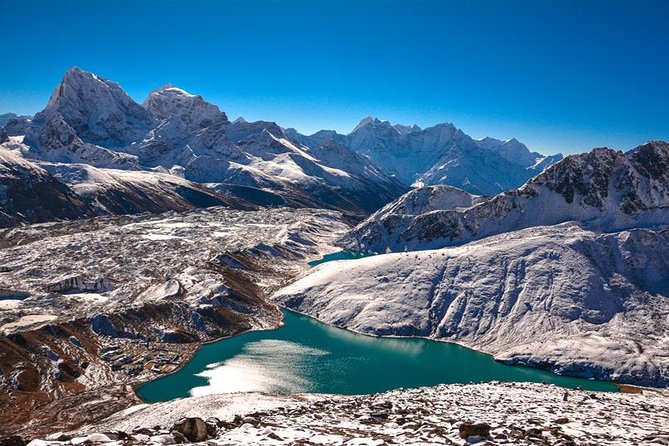
This Everest Base Camp experience is best for you if:
- You want a classic Everest route close-up, with culture and monasteries mixed in
- You prefer having logistics handled, with an English-speaking guide and porters
- You can hike steadily and handle altitude with a moderate fitness base
- You value meal planning and lodge comfort that is realistic for the region
You might rethink it if:
- You are highly risk-averse about flight delays, because Lukla can disrupt plans
- You do not have any buffer days and cannot move around at the start or end
- You expect frequent refunds for unused parts if flights change your schedule, because the operator states refunds or coverage for unused services are not offered
Should You Book Everest Base Camp With This Operator?
I would book this kind of trip if you want the full Everest Base Camp package, not just a label. The included flights, guide and porter support, and structured meals make it feel like someone is thinking about you, not just about the route.
The biggest reason to hesitate is the same reason many hikers fall in love with this trek: the mountain world runs on weather. If that reality scares you, you need buffer days and patience.
If you want, tell me your planned month of travel and your fitness level (how many days you can comfortably hike). I can help you sanity-check whether this timing and pace will feel right for you.
FAQ
Where does the trek start and end?
It starts at Tribhuvan Airport in Kathmandu, Nepal, and it ends back at the same meeting point.
How long is the Everest Base Camp trek?
The duration is about 15 days, approximately.
What is included in the trek price?
Accommodation during the trek in local lodges, 3-course meals with hot drinks (breakfast, lunch, dinner), an English-speaking local expert guide and porters, Trekkers’ Information Management System fees, Kathmandu-Lukla-Kathmandu airfare, 3 nights in Kathmandu at a 3-star hotel on twin sharing with breakfast, and all surface transfers as per the itinerary.
What is not included?
The Nepal visa, lunch and dinner in Kathmandu, table drinks and snacks while walking, and any emergency evacuation expenses. Your insurance and medical expenses are also not included.
Do you include Kathmandu hotel nights before trekking?
Yes. You get 3 nights at a 3-star hotel in Kathmandu on twin sharing with breakfast.
How do Lukla flights work, and can they be delayed?
Flights to and from Lukla can be delayed or canceled due to unfavorable weather, even at times when you would expect good conditions. The operator notes that flights usually operate in the morning to reduce bad-weather risk.
What if my Lukla flight is canceled for multiple days?
The operator suggests keeping buffer days. If flights stay canceled longer and you want an alternative, they say you can choose another region accessible by road such as Annapurna, Langtang, or Upper Mustang.
Is a helicopter option available if flights keep failing?
Yes. They mention helicopter flights to and from Lukla with a supplement charge, depending on availability.
Do I need a Nepal visa?
Yes. A Nepal multiple entry visa for 30 days is mentioned, with a cost of USD 40.
What is the cancellation policy?
Free cancellation is available up to 24 hours in advance for a full refund. If you cancel less than 24 hours before the start time, the amount paid is not refunded.
Latest Kathmandu write-ups
- 16 Days Island Peak Climbing With Everest Base Camp Private Trip★ 5.0 · 3 reviews
- Everest Base Camp Trekking 16 Days★ 4.0 · 7 reviews
- 15 Days Round Annapurna Trek with Poon Hill from Pokhara★ 5.0 · 5 reviews
- Private Nepal round trip including Ghorepani Poonhill trek★ 5.0 · 3 reviews
- 14 Days Luxury Annapurna Base Camp Trek★ 5.0 · 6 reviews
- Everest Base Camp Trek★ 5.0 · 32 reviews
- Everest Base Camp Trek★ 5.0 · 97 reviews
- 14 Days Annapurna Base Camp Trekking | Best trek for visit Nepal 2020★ 5.0 · 19 reviews
Everest Base Camp Trek, compared.
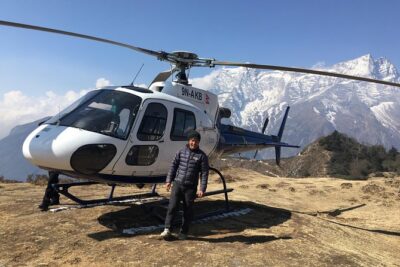
Everest Base Camp Helicopter Tour landing at Everest View Hotel
Read our review →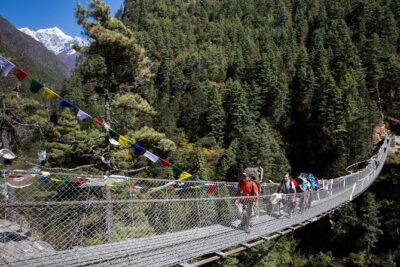
Everest Base Camp Trek 12 Days – Best Himalayan Adventure
Read our review →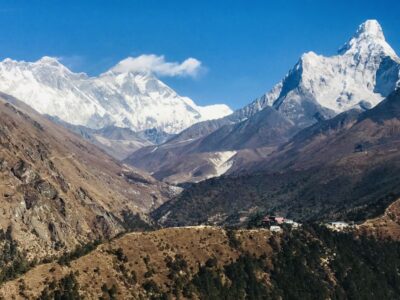
Browse the lists this tour appears in