
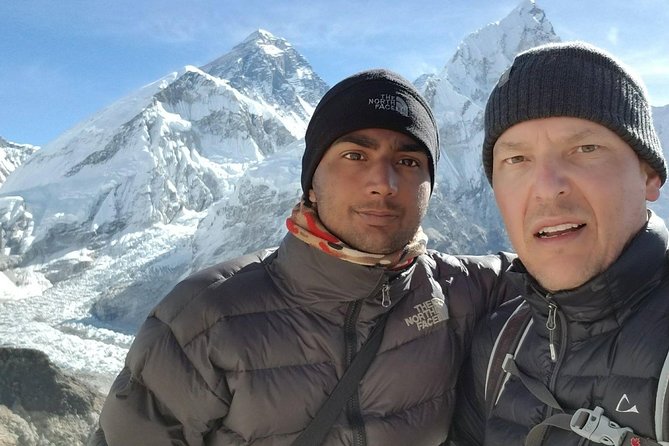
Reviewed · EVEREST BASE CAMP TREK
Everest Base Camp Trekking 16 Days
Everest Base Camp is interesting because it is the classic Khumbu route, the one you picture when you think about Mt. Everest, and this 16-day plan connects that dream to Sherpa culture and big acclimatization moments. I also like that your trip starts with guided UNESCO site time in Kathmandu, so the adventure does not begin with sore legs only. One drawback to consider: the high country is weather-dependent, and schedules can shift, so you should travel with a bit of flexibility.
The trekking itself is paced with gradual altitude gain plus built-in rest days in places like Namche Bazaar and Dingboche, and that matters for how you feel on Everest Base Camp and Kala Pattar. You will be dealing with cold early mornings and thin air, especially on the days that go high and stay high, so plan for effort, not just photos.
Key highlights you should know before you go
- UNESCO Kathmandu intro day: Kathmandu Durbar Square, Pashupatinath, Swayambhunath, and Bouddhanath with a guide.
- Lukla flight into the mountains: a scenic jump from Kathmandu to the start of the trek.
- Acclimatization built into the schedule: time in Namche and a full stop day in Dingboche.
- Tengboche monastery visit: one of the most iconic stops on the classic Everest route.
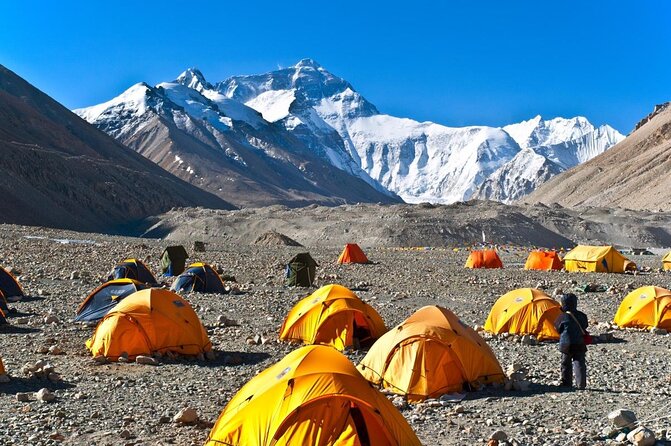
- Everest Base Camp plus Kala Pattar: base camp on day 10, then the big panoramic payoff on day 11.
- Guides can make or break the trip: people have praised guides like Shiva, Keshab, and Rajesh for keeping things organized and supportive.
From Kathmandu UNESCO sights to Lukla runway: how the trip starts
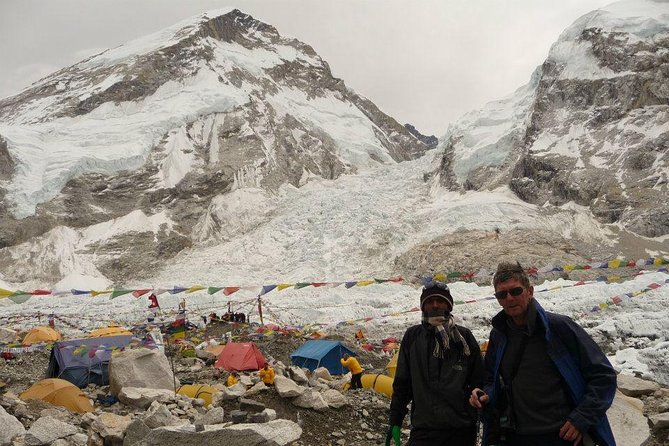
Your trek begins in Kathmandu, and I like that you get more than a quick transfer. Day 1 is all about landing comfortably: you are met at Tribhuvan International Airport, taken to your hotel, and then there is time to rest or stop by the Vyas Treks & Expedition office. In the evening, you get a welcome dinner with authentic Nepalese cuisine, which is a nice reset after travel.
Day 2 is the guided culture block, and it is a smart move if you want to understand what you are about to walk through. You visit Kathmandu Durbar Square, then head to Pashupatinath, Swayambhunath (often called the Monkey Temple), and Bouddhanath, one of the largest stupas in the world. After lunch and sightseeing, you get equipment checked by your climbing leader and meet the other participants.
Then comes the leap to the mountains. Day 3 includes a flight from Kathmandu to Lukla, described as one of the most beautiful air routes in the world, landing on a hillside surrounded by peaks. Once you reach Lukla, the trekking starts right away with a gradual descent toward Phakding.
Practical note: this start sequence is convenient, but it also means you are committing early to Nepal timing. If you are the type who likes everything to go like a Swiss watch, plan your first day in Kathmandu with extra patience for weather and operations.
More ways to walk to Everest Base Camp:
- Everest Base Camp Helicopter Tour landing at Everest View Hotel
★ 5.0 · 668 reviews - Gokyo to Everest Base Camp Trek
★ 5.0 · 113 reviews - Everest Base Camp Trek
★ 5.0 · 97 reviews
First trek legs: Phakding to Namche Bazaar and the altitude reality check
The first walking day after Lukla (Day 3) takes you from the higher gateway area down toward Cheplung and then onward to Phakding. This is not a monster hike, and that is the point. You are getting your legs working while also letting your body start adjusting to altitude.
Day 4 is longer and more scenic, moving through pine forest and along the valleys. You cross the Dudh Koshi River, pass Chumoa, reach Monjo (the entrance to Everest National Park), and walk alongside the Dudh Koshi and Bhote Koshi rivers. The day ends with the big climb up to Namche Bazaar, the heart of the Khumbu region.
Day 5 is where this itinerary shows its thinking. Instead of pushing higher immediately, you spend time acclimatizing in Namche Bazaar. You get to explore the town with shops, restaurants, internet access, and markets, but you also have the option of day hikes like to Khumjung village and the Hillary School area. If weather allows, you can aim for sunrise views and a classic spread of peaks including Everest, Lhotse, Nuptse, and Ama Dablam.
What I like here for value: acclimatization is not just a “rest day” on paper. It is paired with real options for understanding the Sherpa world around you. You learn through places, prayer stones, and village life, not just by reading altitude charts.
Possible drawback: if you get bored in Namche, you might feel like you are waiting. But those hours in Namche can pay off later, especially for the high, cold, strenuous days.
Tengboche monastery time: rhododendron ascent and iconic Everest views
Day 6 is the move from Namche toward Tengboche, and it includes a classic pattern: descent, then a rhododendron climb. You go down toward the Dudh Koshi River, and then you work your way upward through forested sections that are known for rhododendrons. As you descend, the itinerary highlights major peak views again, including Everest, Lhotse, Nuptse, Ama Dablam, and Thamserku.
When you arrive, Tengboche feels like a natural reward. You visit Tengboche monastery, described as the largest monastery in the region, and you get time with both the spiritual atmosphere and the views from this famous vantage point.
Day 7 continues through the region’s village-and-valley rhythm. The trail passes forests with birch, conifers, and rhododendrons, drops toward Devuche and crosses the Imja River, then goes on to Pangboche and the Pangboche Monastery before heading toward Dingboche. By the time you reach Dingboche, the scenery shifts again, with stone-walled fields protecting barley, buckwheat, and potatoes from cold winds and grazing animals.
Why this matters: days like this train your hiking rhythm. You are learning how to handle ups and downs, not just reaching a point on a map.
Comfort reality: monastery stops are wonderful, but you will still need warm layers. Even if the sun is out, evenings and early mornings in the Khumbu can catch you off guard.
Dingboche acclimatization and Lobuche memorials before the big push
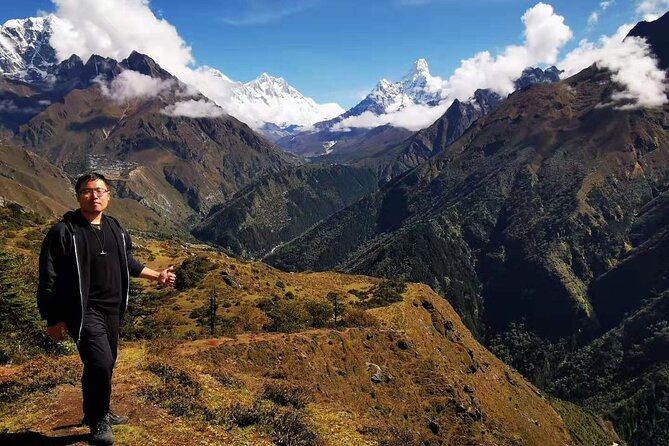
Day 8 includes a full acclimatization day in Dingboche, which makes this itinerary feel more serious than a “rush to Everest” plan. You can do day hikes such as to Nagarjun Hill or Chukkhung Valley for views of peaks like Makalu and Lhotse, depending on conditions.
Dingboche itself is also described in a practical way. Fields are enclosed by stone walls, shaped by wind and grazing patterns. That detail is worth keeping in mind, because it shows how people live at altitude, not just how tourists hike through it.
Day 9 brings you to Lobuche. The day starts with a gradual climb to Duglha at the edge of the Khumbu Glacier terminal moraine, then goes up a steep section to Chupki Lhara. This area includes prayer-flag memorial stones for people like Scott Fischer and Babu Chiri Sherpa, both connected to Everest tragedy and perseverance.
Then the trek continues along the Khumbu Glacier moraine. You are facing peaks such as Khumbutse, Lingtren, Pumori, and Mahalangur Himal. By the time you reach Lobuche, the “Everest zone” feeling is real: more rocks, thinner air, and less margin for slow mistakes.
Practical tip: when you see memorial areas and rocky dunes, slow your pace. Thin air makes your body turn tiny errors into big suffering fast.
More to compare around Kathmandu
- Kathmandu: 7 UNESCO Sites with Lunch
★ 4.8 · 744 reviews - Kathmandu: Local Women-Led Nepali Cooking & Momo Class
★ 4.9 · 360 reviews - Manaslu Circuit Trek
★ 5.0 · 292 reviews - Kathmandu: Food and Drink Walking Tour
★ 4.9 · 292 reviews
Everest Base Camp day: Gorak Shep, thin air, and following your guide
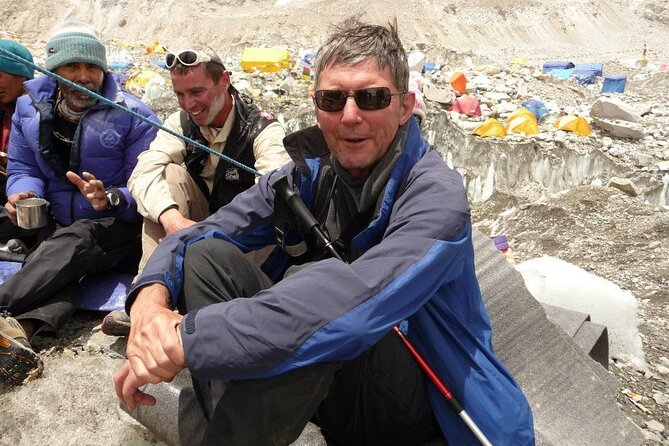
Day 10 is the main event: trekking to Everest Base Camp through Gorak Shep. The route includes passing through the once vast Gorak Shep Lake and then moving beyond Indian army mountaineers’ memorials. The itinerary also flags a key risk: the path can be misleading in this area, which is exactly why you need to follow your lead Sherpa closely.
You will walk on rocky dunes, moraine, and streams before reaching Everest Base Camp. At base camp, you see mountaineering tents set against a gray moonscape, and the views include Nuptse, Khumbuste, and Pumori.
You then return to Gorak Shep for the night. That means you are not just doing a one-way hike. It is a full day of effort, then a second chunk of travel back, with cold conditions in the high camp zones.
What to expect physically: the itinerary calls this walk strenuous due to thin air. That matches what you should plan for mentally. Your breathing will get loud, your steps will feel heavier, and stopping too long can make you feel worse later.
Kala Pattar sunrise and the return downhill grind
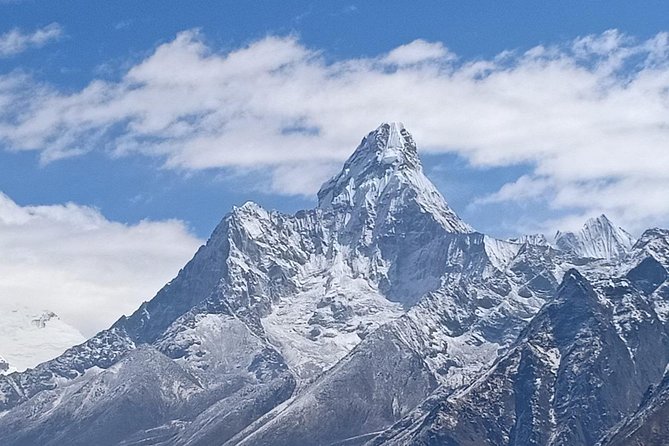
Day 11 is an early start for Kala Pattar, and it comes with a real temperature warning. The itinerary notes pre-dawn darkness and cold temperatures around -10 to -14 C, plus the potential for chilly winds. This is not the day to hope you packed “enough.” Layering matters.
The reward is described as 360-degree up-close views of Mt. Everest. You also get to see surrounding peaks like Lingtren, Khumbutse, and Changtse from the east as Everest starts to reveal itself. Then you go back to Pheriche for a good night’s rest.
The itinerary also indicates that some participants may do Everest Base Camp on different day timing within the broader schedule, but if your plan includes both base camp and Kala Pattar, you should assume you will be doing at least one extra-long, extra-cold day.
Day 12 starts the descent down through rhododendron and juniper trees, crossing a prayer-flag festooned bridge over the Dudh Koshi River. The trail descends through pine forests, and you may see colorful pheasants and mountain goats in the forested sections. You pass Sansa and then continue through winding trails to Namche Bazaar.
Day 13 brings you back toward Phakding. You get a mix of open plains and pine forests, and you walk through Sherpa villages where Buddhism is visible through prayer stones and prayer flags.
Day 14 is the Lukla return day. It includes a steep descent, so you should expect cautious footwork on rocky terrain and the kind of leg fatigue that makes every step feel like it comes with a tax. You cross suspension bridges over the fast-flowing Dudh Koshi and tributaries, and the day ends with arrival in Lukla.
Then you fly back to Kathmandu on day 15, and Day 16 closes with transfer to Tribhuvan International Airport about 3 hours before your scheduled flight. The plan gives you time in Kathmandu for rest and souvenir shopping in Thamel.
Who runs the show on this trek, and why guides matter
This trek is operated by Vyas Treks & Expedition, and the difference you will feel is mostly in how your guide and support handle the small stuff. In multiple accounts, guides like Shiva were praised for being helpful and kind, keeping good company, and teaching about Nepali life. Keshab was also highlighted for looking after the group and keeping food and accommodation sorted and very good. Another guide, Rajesh, was described as perfect by someone who planned to repeat the trek.
That said, you should also know that not every experience is smooth. One person reported their trek ended 2 days early and they were not able to see all promised places, plus frustration about not receiving the expected refund. Another account criticized the professionalism of the boss during a lockdown period, though it also noted the trek guide experience was still good and there were COVID complications mentioned in that context.
My takeaway for you: treat this as an expedition with human beings in charge of logistics. Ask for clarity on the schedule and how changes are handled. If you get a specific guide assignment, great. If not, make sure you understand who your climbing leader is and what communication looks like when conditions shift.
Price and logistics: is $800 a fair deal for 16 days
The listed price is $800 per person for about 16 days, with pickup offered and group discounts. On value alone, this makes sense if your goal is a guided classic route with organized trekking days, a Kathmandu UNESCO intro, and a full schedule of altitude management.
Where the value shows up for most people is the cost of not having to plan everything yourself. You get a representative to meet you at the airport, a welcome dinner, guided city time, equipment checking, and a consistent trekking flow from Lukla to base camp and back. Add to that the guide support that multiple accounts praised, and it is easier to feel confident that you will not be stuck figuring things out mid-trek.
But it is still worth keeping one thing in mind: high-country timing can be fragile. Weather can affect routes and flights, and in rare cases, a schedule may compress. If you absolutely must see every single promised stop, you should confirm what is realistically flexible, and what is not.
Who this trek is best for: people with moderate fitness who want a classic EBC route, enjoy Sherpa culture, and can handle long days with cold mornings. If you want to hike solo and self-manage every decision, you may want a different style of trek. If you want structure, guidance, and built-in acclimatization, this fits.
Should you book this Everest Base Camp trek?
I think you should book it if your idea of a great trip is: guided Kathmandu culture, then a classic Khumbu trek with Namche and Dingboche acclimatization, monastery and village stops, and the big visual payoffs of Everest Base Camp and Kala Pattar. The itinerary also gives you a logical progression, which helps when you are hiking at altitude rather than sprinting toward a finish line.
Skip the easy yes if you have little tolerance for schedule changes. One experience included an early finish and missing promised sights, and weather and operational disruptions are always a possibility on this kind of itinerary. If you book, plan for contingencies, keep your expectations flexible, and ask your operator what happens to the schedule if conditions force adjustments.
If you want a classic route, strong guide support, and a real sense of the Khumbu way of life on the way to Everest Base Camp, this 16-day plan is a solid choice.
Latest Kathmandu write-ups
- 16 Days Island Peak Climbing With Everest Base Camp Private Trip★ 5.0 · 3 reviews
- 15 Days Round Annapurna Trek with Poon Hill from Pokhara★ 5.0 · 5 reviews
- Private Nepal round trip including Ghorepani Poonhill trek★ 5.0 · 3 reviews
- 14 Days Luxury Annapurna Base Camp Trek★ 5.0 · 6 reviews
- Everest Base Camp Trek★ 5.0 · 32 reviews
- Everest Base Camp Trek★ 5.0 · 87 reviews
- Everest Base Camp Trek★ 5.0 · 97 reviews
- 14 Days Annapurna Base Camp Trekking | Best trek for visit Nepal 2020★ 5.0 · 19 reviews
Everest Base Camp Trek, compared.
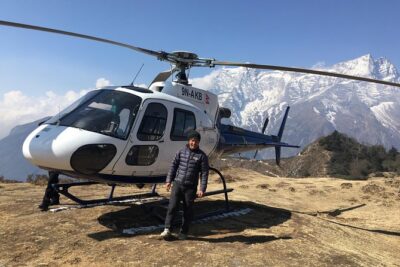
Everest Base Camp Helicopter Tour landing at Everest View Hotel
Read our review →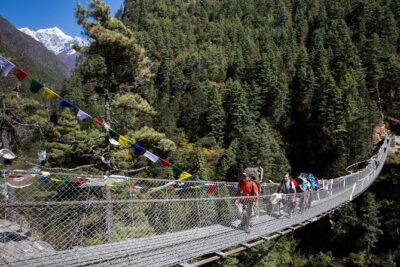
Everest Base Camp Trek 12 Days – Best Himalayan Adventure
Read our review →
Browse the lists this tour appears in