
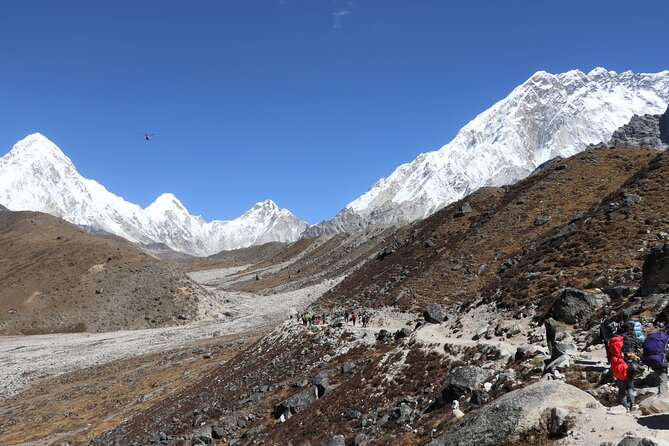
Reviewed · EVEREST BASE CAMP TREK
AiseluKharka To Everest Base Camp
Trekking from Aiselu Kharka toward Everest Base Camp is interesting because it mixes the Everest dream with something deeper than views. This route also gives you a closer look at some of the highest Buddhist monasteries in the world, tying mountain history to living faith.
I like that you get real structure right from arrival, with airport transfer and a professional guide handling the moving parts. I also like that you are given time for prep in Kathmandu, including the option for a half-day city sightseeing add-on to World Heritage Sites.
The main thing to consider is fit and pace. The trip runs about 3 days, and the activity calls for moderate physical fitness, so you should be ready for a tight schedule rather than a slow, leisurely ramp-up.
Key things I’d watch before you go
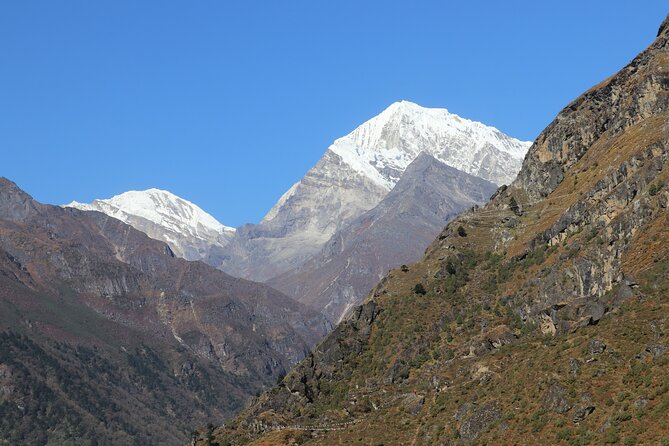
- Highest Buddhist monasteries on the Everest route, not just peak-chasing
- Airport representative pickup plus start-time clarity at 7:15 am
- Gear prep time in Kathmandu, with buy or hire options built in
- B.P. Highway drive through traditional villages, rivers, and big scenery
- Meals are included (B, L, D), so your daily budget stays simple
- Private tour for your group, with transport handled end to end
Everest Base Camp in a tight timeframe, what makes it work
This experience is built around the idea that you can get the Everest payoff without a long, week-by-week commitment. You still get the big emotional hit of heading toward Everest Base Camp, but you do it with a short, guided plan that tries to keep your logistics from eating your energy.
The other hook is the spiritual angle. The overview is clear that along the trek you will have a chance to see Buddhist monasteries that sit at extreme altitude. That matters because the Everest region is more than a postcard. You are traveling through communities where religion, daily life, and mountain geography overlap in a way most people never see when they only focus on summits.
Now, a reality check. If you like lots of downtime, long acclimation rests, and a slow rhythm, a roughly 3-day plan may feel intense. On the flip side, if you want an efficient, guided taste of the route with meals and transport included, this format can feel like good value.
More ways to walk to Everest Base Camp:
- Everest Base Camp Trek – 14 Days
★ 5.0 · 1,499 reviews - Everest Base Camp Trek
★ 5.0 · 842 reviews - Everest Base Camp Helicopter Tour landing at Everest View Hotel
★ 5.0 · 668 reviews
Day 1 in Kathmandu: quick arrival handoff, then you breathe
Your first contact is practical: an airport representative transfers you from Kathmandu airport after you land. You also get a brief chat about the trip you chose, with space to ask questions if you still feel unsure.
That first meeting does two useful things. It reduces that day-0 confusion that can snowball when you are tired from travel. And it gives you a chance to clarify how the trek is going to run, what you should bring, and what kind of effort to expect over the next few days.
One small but important detail: this experience includes pickup offered and uses a mobile ticket, so you are not juggling paper vouchers or chasing confirmations at the last minute. For many travelers, that kind of simplicity is worth its weight in yak butter.
Day 2 in Kathmandu: gear time, optional heritage time, and a chance to set yourself up
Day 2 is your preparation day. You are given time to get ready for the trek by buying or hiring equipment you need. You can also walk around your stay area to explore.
If you want culture and context beyond the trek, the operator can arrange an optional half-day city sightseeing program focused on World Heritage Sites. The key point here is choice. You are not forced into an extra schedule, but if you want it, it is available.
This structure is smart for two reasons. First, equipment needs often pop up once you see weather forecasts or realize what you do not own. Second, it is easy to arrive in Kathmandu and feel like you are stuck in transit. A short sightseeing block helps you get your bearings fast, without turning the whole trip into a sightseeing vacation.
Based on what people value in these packages, the best version of Day 2 is the one where you use it to iron out comfort issues: the right layer setup, the right kind of daypack, and the right footwear plan. Even if the exact gear list is up to you, the built-in prep time is the gift.
Day 3 onward: the shared jeep to Aiselu Kharka and the B.P. Highway reality
After breakfast in Kathmandu, you travel by sharing jeep to Aiselu Kharka. Then the drive follows the B.P. Highway, passing through traditional villages, with big rivers and impressive scenery along the way.
This part matters more than it sounds. Getting out of the city takes time, and roads shape your first impressions of the region. A long, direct drive can blur together. But when the journey passes working villages and river crossings, you start to feel like you are actually moving through Nepal, not just traveling to a starting point.
Also, because the transport is organized, you avoid the common headache of last-minute route changes, separate taxis, and unclear handoffs. The package includes transport by private vehicle and also mentions one-way shared transfer, so you should expect a mix of group and vehicle logistics rather than everything being door-to-door private the whole way.
More to compare around Kathmandu
- Private Kathmandu Sightseeing Tour | UNESCO World Heritage sites
★ 5.0 · 756 reviews - Kathmandu: 7 UNESCO Sites with Lunch
★ 4.8 · 744 reviews - Half day cooking class in Thamel kathmandu
★ 5.0 · 607 reviews - Everest Base Camp Trekking
★ 5.0 · 485 reviews
Monasteries, the 1953 thread, and why this route feels bigger than a checklist
The overview frames the route as an epic journey that has roots in the famous 1953 start by Sir Edmund Hillary and Tenzing Norgay. That history is not just trivia. It gives your trip a timeline, and it helps you understand why Everest Base Camp draws people from every corner of the world.
But the route’s distinct twist is the religious one. You get the opportunity to see the highest Buddhist monasteries in the world up close. That can change how you experience the mountain. Instead of thinking only about elevation and distance, you notice how communities live with the landscape through faith and ritual.
In practical terms, monastery stops also tend to slow you down in a good way. Even when your trip is short, it gives you a moment that is not purely about walking. You are standing still long enough to read the place, notice the details, and understand why locals protect these spiritual sites where access is anything but easy.
What is included, and why that usually matters more than the price sticker
The total price is $2,000.00 per person, for an experience listed at about 3 days. When you look at value, the important question is not just what you pay. It is what you would otherwise have to manage yourself.
Here is what is included:
- Accommodation as per the schedule
- Meals included (Breakfast, Lunch, Dinner)
- All taxes, fees, and handling charges
- A professional guide
- Port pickup and drop-off
- Private tour, only your group participates
- One-way shared transfer
- Transport by private vehicle
What is not included is simple: drinks.
This matters because trekking packages can quietly become expensive. If meals are included, you stop thinking about daily food budgeting. If taxes and handling are included, you avoid last-minute add-ons. If transport and guide support are included, you spend your time on the experience rather than chasing arrangements.
Also, “private tour” here is not a marketing flourish. The setup is for only your group, which can feel calmer than large group formats. You get fewer waiting moments, and you are more likely to be able to ask questions without feeling like you are slowing a big line behind you.
Reviews and what you can reasonably expect from the human side
The overall rating shown is 4.3 based on 7 reviews, which tells you this is not a perfect score, but it is also not random noise. The best feedback points to strong service and real excitement around the experience.
One review highlighted a very positive mountain-flight experience idea, including the thrill of views and Everest Base Camp, with the note that it can take less than half a day if weather cooperates. Even if flights are not described in the core route details you are planning, it is still a useful signal: operators in this area often have ways to reduce travel time when conditions allow, and weather can be a deal-breaker for anything fast.
Another review praised the spontaneous nature of the trip for someone who arrived in Nepal without a plan, and recommended the Aiselukharka to EBC route specifically. That lines up with the way this package is structured for short, guided movement.
A guide name also pops up in feedback: Giri. People mention Giri directly in connection with airport arrival and the tour experience, which is a strong sign you should be looking forward to more than just a driver. Finally, one positive comment mentions a close-to-family feel because the company is small, which matches the “private tour for your group” approach.
At the same time, there is at least one strongly negative experience in the feedback set, with a complaint about refund promises when route changes and return cancellation happened. That is the kind of lesson you should take seriously regardless of who you travel with. If your plans might change, you should ask clear questions about what can be changed and what cannot before you commit.
How much trekking experience you need for this to feel good
The only fitness guidance provided is that travelers should have moderate physical fitness. Children must be accompanied by an adult. That means this is not pitched as a couch-to-Everest fantasy, but it also does not brand itself as a hardcore expedition.
Since your trip is short, you should plan to be steady rather than heroic. Think “comfortable effort” more than “race pace.” If you know you can walk for sustained stretches and handle basic changes in altitude and weather, you are likely in the right zone.
If you are not sure about your fitness, the best move is to be honest with yourself. This type of trip can be mentally easier with good planning, but it still demands physical consistency over consecutive days.
The logistics details that make the experience smoother than average
Small things can make a big difference on short tours, and this one includes several “quiet helpers”:
- Airport representative transfer on arrival day
- Pickup offered and mobile ticket support
- A professional guide who is part of the plan, not just a name on paper
- Port pickup and drop-off, which reduces the carry-the-bag stress that many people feel early on
- A private tour model for your group
- Meals structured across the days so you are not always hunting for food
If you want a practical takeaway, it is this: choose an operator where you will not have to think too hard about every handoff. When a trip is only a few days long, that mental load can steal the joy from the whole thing.
Price check: what $2,000 per person is really covering
At $2,000 per person, this is not a budget-only option. But when you line it up against what is included, it starts to feel more reasonable.
You are paying for:
- Guide time and expertise
- Accommodation for the schedule duration
- Meals for multiple days
- Transport arrangements, including the jeep ride to Aiselu Kharka and private vehicle transport
- Port support pickup and drop-off
- Taxes, fees, and handling charges
If you were to build this trip yourself, the guide plus transport plus meals bundle is usually where costs and complications pile up fast. You can often save money by self-planning, but you also take on more coordination risk. With a private group tour, that risk is reduced, but not eliminated.
So the value call depends on your style. If you hate logistics and want everything managed, the package can be good value. If you like full control and already have experience arranging guides and transport in Nepal, you might decide to spend less and accept more uncertainty.
Who this is best for, and who should look elsewhere
This experience fits you well if you:
- Want a short, guided path toward Everest Base Camp
- Care about more than views, especially Buddhist monasteries
- Prefer meals and transport handled for you
- Want a private setup for your group
It may be less ideal if you:
- Need a super relaxed pace with lots of buffer days
- Are unsure about moderate physical fitness demands
- Have fragile plans and might need significant route changes, since refund disputes can happen when promises are not crystal clear
Should you book this Aiselu Kharka to Everest Base Camp route?
I would book if you want a structured Everest experience that includes meals, a guide, and organized transport, and you also genuinely want the monastery component, not just the Base Camp goal. The short duration can be a major plus, because it keeps your time focused on the journey instead of admin.
I would be cautious if you are the kind of traveler who needs frequent plan changes. There is at least one sharp complaint in the feedback about refunds when things shifted. If that is even a small risk for your dates, ask pointed questions before you pay, especially around what can be changed and how refunds are handled when route plans differ.
If you like clarity, you are the right match. And if you want a trip where someone meets you at the airport, helps with gear prep, drives you out via the B.P. Highway, and keeps your days moving, this is built for that.
FAQ
What time does the experience start?
The start time listed is 7:15 am.
How long is the Aiselu Kharka to Everest Base Camp experience?
It is listed as about 3 days.
Where do you get picked up when you arrive in Kathmandu?
An airport representative transfers you upon arrival at Kathmandu airport.
Is the tour private or shared with other groups?
It is a private tour/activity. Only your group participates.
Are meals included in the price?
Yes. Meals are included as per the itinerary, with B for breakfast, L for lunch, and D for dinner.
Are drinks included?
No. Drinks are not included.
Can you buy or hire trek equipment before starting?
Yes. You have time for preparation, including buying or hiring equipment you need during the trek.
Is sightseeing included in Kathmandu?
There is an optional half-day city sightseeing to World Heritage Sites that can be arranged if you want it.
What fitness level do you need?
Travelers should have a moderate physical fitness level.
Is cancellation free?
Yes, free cancellation is available. You can cancel up to 24 hours in advance for a full refund.
Latest Kathmandu write-ups
- Langtang Valley Trek★ 5.0 · 3 reviews
- Langtang Valley Trek from Kathmandu★ 5.0 · 3 reviews
- Khopra Danda Trek★ 5.0 · 3 reviews
- 5 night / 6 days Kathmandu Nagarkot Chitwan Pokhara tour★ 5.0 · 3 reviews
- Nepal Highlights Tour: 5 Nights 6 Days Kathmandu & Pokhara Tour★ 5.0 · 3 reviews
- Kathmandu Valley Private Day Tour★ 5.0 · 3 reviews
- Conquer the Himalayas: The Ultimate 16-Day Annapurna Circuit Trek★ 3.5 · 3 reviews
- Kathmandu Heritage Day Tour★ 5.0 · 3 reviews
Everest Base Camp Trek, compared.



Everest Base Camp Helicopter Tour landing at Everest View Hotel
Read our review →



Everest Base Camp Helicopter Tour landing at Hotel Everest View
Read our review →
Browse the lists this tour appears in