
Reviewed · EVEREST BASE CAMP TREK
Everest Base Camp Adventure Trek 12 days
Everest Base Camp has a way of making you feel small, fast. One of the most interesting parts of this 12-day route is the mix of big-mountain views with very real Sherpa life, plus an actual acclimatization day so you are not just racing uphill. I like that the trip is built around cultural stops like Namche Bazaar and Tengboche Gompa, not only Instagram scenery. I also like the timed sunrise plan at Kala Patthar, because that is the moment most people remember for years.
The one drawback to think about is simple: this is a serious altitude trek. Even with a slower pace and an extra day in Dingboche, you should expect fatigue, breathing strain, and cold mornings, especially around the higher viewpoints.
Quick Hit Checklist
- Flights and transfers included: KTM to Lukla and Lukla back, plus 2-way vehicle transfer
- Sagarmatha permits included so you can focus on the trek, not paperwork
- Certified guide included for navigation, pace, and on-the-ground decisions
- Kala Patthar sunrise morning for a high-payoff viewpoint at 5,545m
- Acclimatization day in Dingboche or an optional hike for stronger walkers
- Kathmandu hotel is not included before and after the trek (about $30 per person per night on B&B)
Everest Base Camp Trek: The Real Magic Starts in Lukla
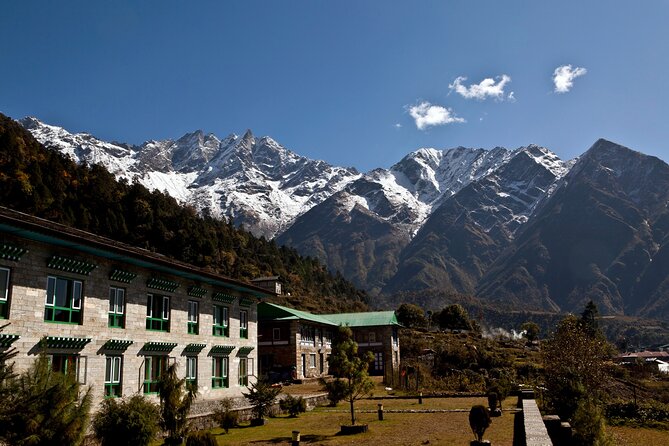
Your trek begins with a flight into Lukla, the famous gateway to the Everest region. That first day matters more than it sounds, because Lukla is where the trip goes from travel to expedition. You step into a mountain village that feels busy and purposeful, even before you start counting your steps for the day.
Expect the day to feel light on exertion and heavy on anticipation. After landing, you will be moving at the pace of the region, not your home routine. This is also the first place where good trip coordination pays off. In practical terms, you want everything handled smoothly, especially with flights and connections, and a well-run company will make that first landing less stressful.
More ways to walk to Everest Base Camp:
- Everest Base Camp Trek – 14 Days
★ 5.0 · 1,499 reviews - Everest Base Camp Trek
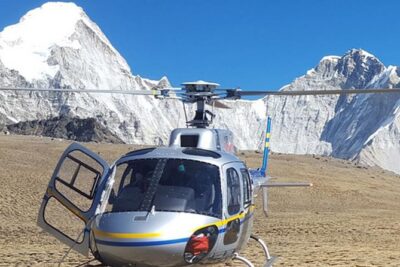
★ 5.0 · 842 reviews - Everest Base Camp Helicopter Tour landing at Everest View Hotel
★ 5.0 · 668 reviews
What you are really buying here
You are not just paying for a route. You are paying for a structured sequence that gets you from Kathmandu to the high country with flights, permits, and a guide. That structure matters because this trek has real risks. Weather, altitude, and trail conditions do affect timing, so having an organized plan helps you keep moving with confidence.
Lukla to Namche Bazaar: Gateway Village to Sherpa Hub
By Day 2, you are headed to Namche Bazaar, the best-known Sherpa town in the Khumbu region. This part of the trek is a big transition. You go from the gateway village vibe into a place with markets, gear shops, lodges, and daily life that feels deeply tied to the mountains.
Namche also helps you get your bearings. You start recognizing how trails, bridges, and lodges fit into the valley. Even if you are feeling tired, Namche gives you a payoff through variety: you can grab snacks, check equipment needs, and soak in the setting without being on the trail all day.
Why Namche is more than a stop
This is where you learn the rhythm of the Khumbu region. You will notice that many locals live with Everest in view, but life is not only about climbing. It is about trade, hospitality, prayer, and daily work. If you want the Everest experience to feel human, Namche is where it starts to click.
More to compare around Kathmandu
- Private Kathmandu Sightseeing Tour | UNESCO World Heritage sites
★ 5.0 · 756 reviews - Kathmandu: 7 UNESCO Sites with Lunch
★ 4.8 · 744 reviews - Half day cooking class in Thamel kathmandu
★ 5.0 · 607 reviews - Everest Base Camp Trekking
★ 5.0 · 485 reviews
Sagarmatha National Park Museum and Everest View Hotel: Easy Gear-Up at 3,880m
On Day 3, you get a break from pure trekking with a cultural and educational stop at the Sagarmatha National Park Museum. Then you hike to Everest View Hotel at 3,880m for panorama views of major peaks including Everest, Lhotse, and Ama Dablam.
This is a smart day if you like momentum but also want a little context. The museum gives you the background so the high views do not feel random. Then the hotel viewpoint provides the reward without requiring a full-on summit day.
A practical note
This day is shorter and more viewpoint focused than the later high-effort mornings. Use it well. Go at a steady pace, take breaks when you need them, and treat it as altitude practice. You are teaching your body how to work in thin air.
Tengboche Gompa: Where the Trek Turns Spiritual
Day 4 takes you to Tengboche Gompa, described as one of the most sacred monasteries in the Everest region and the biggest monastery there. If you have never visited a Himalayan monastery during a trek, you might be surprised by how much calm you feel in the space.
This stop does something good for your mood. After days of rising trails and cold air, the monastery offers a break in pace and perspective. Even if you are not religious, it is still an authentic cultural experience. You get a sense of why this region has a strong spiritual atmosphere.
The value for your trip
This is where the trek stops being only about peaks and starts being about place. You will remember Tengboche as a moment when the journey felt grounded, not just vertical.
Ama Dablam Views and Dingboche Acclimatization: The “High but Smart” Day
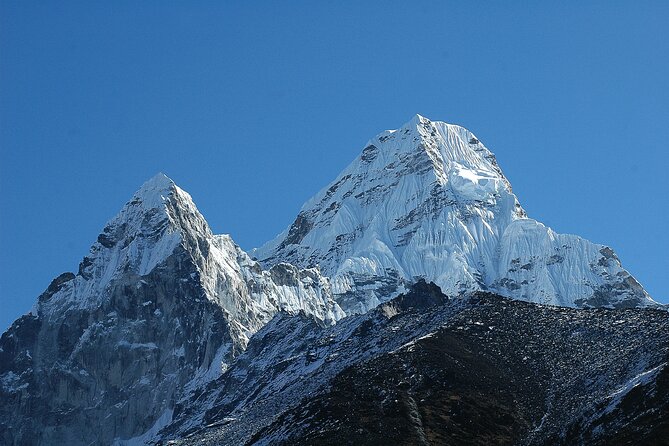
Day 5 is built around big views of Ama Dablam and other surrounding giants. Ama Dablam tends to dominate the skyline in this area, and the viewpoint quality here is a major reason people love this trek. You are moving closer to higher terrain, and the mountains start to feel less like distant icons and more like physical neighbors.
Then Day 6 is the acclimatization day in Dingboche. This is one of the best parts of the plan. Instead of pushing every day, you pause to help your body adjust. You can also choose an optional hike around the neighborhood or attempt Nangkartshang Peak for additional vistas, if you feel strong.
Why this day can save you later
Altitude fatigue often sneaks up. A scheduled acclimatization day gives you a chance to recover, walk gently, and sleep a bit better. If you rush past altitude adjustments, the trek can feel punishing rather than rewarding. This route avoids that trap by design.
Lobuche to Everest Base Camp: Approaching the Main Event
On Day 7, you move to Lobuche. By now, the scenery has become stark and dramatic. You feel closer to Everest not because of marketing, but because the route tightens and the terrain changes.
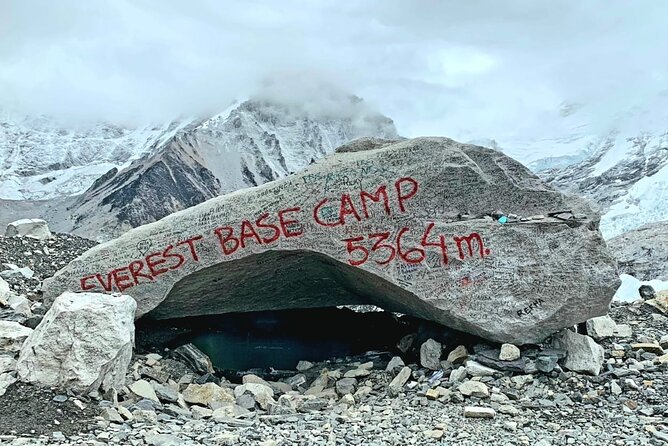
Day 8 brings you to Everest Base Camp, where climbers historically gather to prepare for climbs. When you reach Base Camp, the atmosphere often feels different than earlier days. The sense of purpose ramps up. Even if you are not climbing, you are part of the broader ecosystem around Everest, and the scale of the mountain makes everything else look small.
What to manage on this day
Keep your expectations realistic. Base Camp is not the summit. It is a staging area, and it can be busy during trekking season. Your best move is to slow down and take in the setting without sprinting for photos. If you give yourself time here, the view lands deeper.
Kala Patthar Sunrise: The View That Justifies the Suffering
Day 9 is your early morning hike to Kala Patthar for sunrise views. This is the signature viewpoint at 5,545m mentioned in the trip plan, and it is a big reason this trek has a loyal following.
From Kala Patthar, you aim to see Everest, Nuptse, and Lhotse in a panoramic display. You will feel the cold before you feel the beauty, and that is normal. But once the light hits, it becomes worth the early wake-up.
How I’d plan your mindset
Treat this morning like a mission. Eat what you can beforehand, pace yourself carefully, and focus on breathing and steady steps. The goal is not to prove anything. The goal is to get to the viewpoint safely and enjoy the sunrise.
Coming Back Through Namche and Lukla: Smiles, Stories, and Letting Go
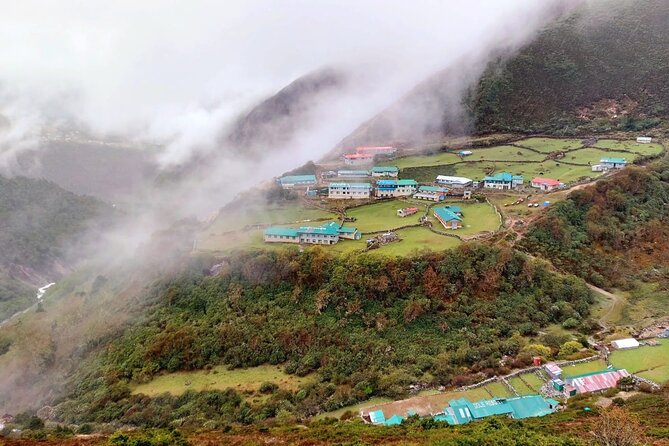
Day 10 brings you back to Namche Bazaar for markets and Sherpa cuisine, plus time to reflect. This is a good day because it gives you comfort after the high-exertion stretch. You can shop for small gear, recharge, and share your story with your guide and group.
Day 11 takes you back to Lukla. This is a chance to soak in the final moments in the gateway village and enjoy your dinner and overnight there. The day can feel emotional because the trail rhythm stops and you realize you are heading out.
Day 12 ends with a morning flight from Lukla to Kathmandu, followed by a short transfer to your booked hotel. You will get one last look at the peaks as you fly out, and it is often a strange mix of relief and sadness.
Price and Value: Is $1,565 a Good Deal?
At $1,565 per person, this is not a budget trek. But it also is not a flimsy “pay for a walk” deal. You get several expensive pieces baked in:
- Domestic flights KTM to Lukla and back
- Vehicle transfer 2-way in Kathmandu
- All Sagarmatha permits
- Professional certified guide
- Accommodation during the trekking for 11 nights
- Breakfast included (the plan lists breakfast included through 12 days)
So what are you paying for, really? You are paying for risk-managed logistics. Flights matter here. Permits matter. Having a guide matters when weather changes. These are the parts that can turn an amazing trek into a stressful one if they are handled poorly.
What can add cost fast
Not included items are where your budget can drift: lunch and dinner, and drinks like tea and coffee plus bottled water. Also, there is no Kathmandu hotel included before and after the trek, listed at about $30 per person per night on a B&B basis.
Another note: a support porter for carrying bedding or duffle bag is not included. That does not mean you will be alone on the trek, but if you personally value having someone carry more of your load, factor that into your planning.
Guides, Support, and the Difference Between “Trek” and “Experience”
One reason this kind of trek works well is the way the team coordinates your day-to-day. In real terms, having staff who meet you in Kathmandu and help with gear and next steps can cut stress a lot. The trip plan explicitly includes pickup offered, and a private tour format means you are not competing with strangers for attention.
The most praised aspect in stories from this operator is the support from the guide and porter side. That matters especially if you are traveling alone or if you are older and want someone to watch your pace. On a long trek, comfort is not only about warm rooms. It is also about feeling guided when your energy drops.
Packing and Pace: What “Moderate Fitness” Means in Practice
The tour says you should have moderate physical fitness. For an Everest Base Camp trek, moderate fitness usually means you can walk several hours per day, handle steep sections, and stay calm in cold conditions.
I’d plan for a routine where your body learns slowly. The route includes easier days and viewpoint stops earlier on, then ramps up. The acclimatization day in Dingboche is there for a reason, and your pace should match that. If you try to walk like you are on a city trip, altitude will punish you.
Food and drinks reality check
Breakfast is included during the trek, but lunch and dinner are not. Also, drinks are not included, including hot and cold drinks and bottled water. If you hate surprises, pack some budget for daily snacks, and plan to pay as you go.
Who Should Book This Everest Base Camp Trek?
This trek is a strong fit if you want:
- Everest views with Sherpa culture stops, not just a long hike in silence
- A trip that includes the key logistics like flights, permits, and a guide
- A realistic pacing plan with an acclimatization day in Dingboche
- The iconic sunrise mission at Kala Patthar
It may be less ideal if you:
- Want a fully supported luggage system with a porter included
- Have no flexibility for cold mornings and early starts
- Prefer a trek with fewer high-altitude climbs, since Kala Patthar is a major effort
Should You Book This One?
If you want a solid, well-structured Everest Base Camp trek where the big costs and critical permits are handled, I think this is an easy yes to consider. The value is strongest when you appreciate what is included: flights, Sagarmatha permits, certified guiding, and trek accommodations with breakfast.
I would book with extra care if you are price sensitive or if you strongly prefer porter support that carries more of your load, since those are not included here. Also, budget the Kathmandu hotel nights and meals that are not covered.
Overall, if your goal is a guided Everest experience that blends mountains and culture, with a day planned for acclimatization and a sunrise viewpoint that gets you to 5,545m, this is a very reasonable way to do it.
FAQ
What is the duration of the Everest Base Camp adventure trek?
The trek is listed as 12 days approximately.
Where does the trek start and what time?
It starts back at Kathmandu Guest House, Saathgumti-16, Kathmandu, and the start time is 8:15 am.
What flights are included?
Domestic flights KTM to Lukla and Lukla to KTM are included, along with a 2-way vehicle transfer.
Are Sagarmatha permits included?
Yes, all Sagarmatha permits are included.
Is a guide included?
Yes, the trip includes a professional certified guide.
Is accommodation included during the trek?
Yes. Accommodation during the trekking for 11 nights is included.
What meals are included?
Breakfast is included, with breakfast listed for 12 meals/days during the trek period. Lunch and dinner are not included.
Is the Kathmandu hotel before and after the trek included?
No. Hotel accommodation in Kathmandu before and after the trek is not included and is listed at about US$30 per person on a B&B basis per night.
Is tea, coffee, or other drinks included?
No. Coffee and/or tea and all kind of hot and cold drinks are not included.
What happens if weather affects the trek?
The experience requires good weather. If it is canceled due to poor weather, you will be offered a different date or a full refund.
Latest Kathmandu write-ups
- Langtang Valley Trek★ 5.0 · 3 reviews
- Langtang Valley Trek from Kathmandu★ 5.0 · 3 reviews
- Khopra Danda Trek★ 5.0 · 3 reviews
- 5 night / 6 days Kathmandu Nagarkot Chitwan Pokhara tour★ 5.0 · 3 reviews
- Nepal Highlights Tour: 5 Nights 6 Days Kathmandu & Pokhara Tour★ 5.0 · 3 reviews
- Kathmandu Valley Private Day Tour★ 5.0 · 3 reviews
- Kathmandu Heritage Day Tour★ 5.0 · 3 reviews
- Conquer the Himalayas: The Ultimate 16-Day Annapurna Circuit Trek★ 3.5 · 3 reviews
Everest Base Camp Trek, compared.



Everest Base Camp Helicopter Tour landing at Everest View Hotel
Read our review →


Everest Base Camp Helicopter Tour landing at Hotel Everest View
Read our review →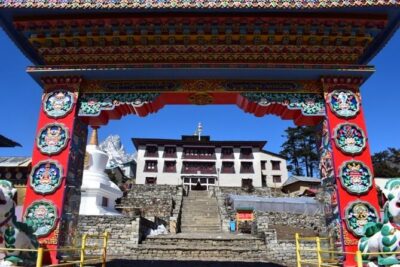
Browse the lists this tour appears in