
Reviewed · EVEREST BASE CAMP TREK
Everest Base Camp Budget Trekking
Everest Base Camp is the kind of goal that makes your legs feel suspiciously unfit, before you even start. What makes this version interesting is that you get the full, high Khumbu route in a budget-focused format, with flights, permits, and a guided support team built into one package.
I particularly like two things. First, you travel with a professional English-speaking guide plus porters, which keeps the day-to-day logistics simple when you’re focused on breathing. Second, the plan builds in acclimatization days in Namche and again higher up, which is exactly what you want when your body starts asking for explanations.
One real consideration is altitude risk. The trek climbs to elevations above 5,000 m, with a high point near 5,545 m, so you must treat the schedule as serious, not optional. If you’re prone to altitude sickness or have medical issues, get advice before you go.
Key things I’d plan around
- Budget trek, but not budget effort: you still do long mountain days, just with fewer add-ons.
- A private group matters: only your group participates, so pacing can be more comfortable than with a big crowd.
- Acclimatization built into the route: rest days in Namche and the second acclimatization day help your chances.
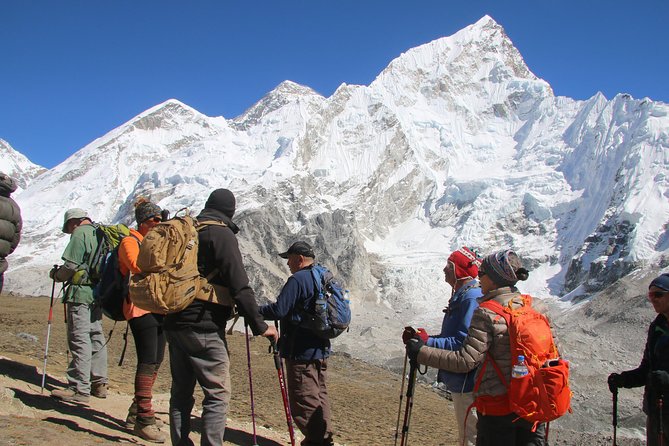
- Kalapattar is the payoff viewpoint: the itinerary includes the hike up to 5,545 m after reaching higher camps.
- Permits and TIMS are handled for you: Everest National Park permit, local community fees, and the TIMS card fees are included.
- Meals and drinks cost extra: trekking food is not included, and hot shower access is also not included.
Why this Everest Base Camp budget trek is a smart plan
This trek is for people who want Everest Base Camp without turning the trip into a logistics project. You fly into Lukla, walk the classic Khumbu corridor, and follow the mountain trail pattern that most serious trekkers recognize: gain altitude, pause to adjust, and then push higher in a controlled way.
I like that the trip is built around real trekking rhythm instead of constant travel days. You get village-to-village hops with enough structure to know where you’ll sleep each night. And because it is a private tour, you are not stuck averaging someone else’s pace.
There is also a human touch in how it’s set up. The company behind it, Global Holidays Adventure P. Ltd, is represented in the planning communication by people named Surya and Samsher, and that theme shows up in how they talk about making sure you can focus on the trek instead of the paperwork maze.
More ways to walk to Everest Base Camp:
- Everest Base Camp Trek – 14 Days
★ 5.0 · 1,499 reviews - Everest Base Camp Trek
★ 5.0 · 842 reviews - Everest Base Camp Helicopter Tour landing at Everest View Hotel
★ 5.0 · 668 reviews
Price breakdown: what $900 really covers
At $900 per person for an approximate 14-day trek, the first thing to understand is what’s included, then what you’ll pay on your own.
Included in the package:
- Kathmandu to Lukla to Kathmandu flights, with a strict 15 kg luggage limit per person
- Airport transfers in Kathmandu as part of the schedule
- A professional English-speaking guide, plus porters
- Permits and fees: Everest National Park permit, local community fees, and the TIMS card
- Trek staff support: food, accommodation, salary, transport, insurance, equipment, and medicines for the team
- A good quality sleeping bag or sleeping baggage during the trek, refundable after you finish
- A first aid kit and a farewell cultural Nepali dinner on your last day
- Government taxes
Not included, so budget extra:
- Your international airfare and Nepal entry visa
- Food and drinks during the trek, including mineral water and beverages
- Hot shower access during the trekking
- Travel insurance and any emergency rescue, including helicopter charter fees if flights are delayed or canceled due to weather
- Any added services outside the itinerary
Here is how I’d think about value. The package buys you the expensive headaches: flights to Lukla, permits, guiding, and the trek staff. What you control is daily spending for meals and drinks, plus whatever you choose to buy for comfort. If you travel like a careful budget trekker, $900 can be a strong deal for the level of structure you get.
The altitude math, and why your rest days matter
This region is not “just a hike.” You can’t treat it like a sightseeing stroll, because altitude stress stacks up fast. The plan reaches:
- Namche Bazaar at about 3,440 m
- Tengboche around 3,860 m
- Dingboche around 4,410 m
- Lobuche around 4,910 m
- Everest Base Camp around 5,160 m
- Kalapattar near 5,545 m
Acute mountain sickness (AMS) is a serious risk in this part of Nepal, and this trek is built to reduce the odds by slowing your ascent with two acclimatization days. That is not a small detail. Those rest days are where you give your body time to adjust, not where you “recover just because you feel tired.”
Practical advice I’d follow here:
- Take the rest days as written, even if you feel good. Feeling good at altitude is a sneaky liar.
- Watch your energy and sleep quality, not just your view levels.
- If you have pre-existing medical flaws, you should get medical advice before committing.
This trek also implies a basic fitness requirement. It is described as suitable for moderately fit people, with no prior adventure experience required, but it still expects you to be able to walk regularly and handle steep sections. If you can, add walking in hills (or at least stairs) in the weeks before you leave home. Running and swimming are suggested, but hiking-specific conditioning is usually what actually helps your calves.
Route walkthrough: Lukla to Namche to Tengboche
Your trip starts with an airport pickup in Kathmandu and a transfer to a hotel. Kathmandu is where you can do the one job that matters most: get your gear sorted, confirm your schedule, and avoid overdoing it on the first day.
More to compare around Kathmandu
- Private Kathmandu Sightseeing Tour | UNESCO World Heritage sites
★ 5.0 · 756 reviews - Kathmandu: 7 UNESCO Sites with Lunch
★ 4.8 · 744 reviews - Half day cooking class in Thamel kathmandu
★ 5.0 · 607 reviews - Everest Base Camp Trekking
★ 5.0 · 485 reviews
Day 2: Fly to Lukla, walk to Phakding (about 2,652 m)
The flight into Lukla is short, but it can feel like the whole trip happens in one jump. Then you start with a trek to Phakding in roughly 3 to 4 hours. This is a warm-up day, but it’s still high enough to remind you to breathe steadily.
Day 3: Phakding to Namche Bazaar (about 3,440 m)
Expect about 5 to 6 hours of walking. Namche is the big altitude hub for this route, full of teahouses and trail traffic. Arriving here is the moment your body really starts to notice elevation, so treat it like an arrival day, not an endurance test.
Day 4: Acclimatization day in Namche
This is one of the most valuable days in the whole plan. The point is to help your body adapt before you go higher. You’ll likely spend time moving carefully and resting as needed, and you should use this time to slow down your thoughts, not just your legs.
Day 5: Namche to Tengboche (about 3,860 m)
Another 5 to 6 hour walking day. Tengboche is often a key spiritual and community center in the Khumbu, and the views tend to feel more immediate as you gain height. It is a good day to practice your “steady and sustainable” walking style.
From Dingboche to Lobuche to Everest Base Camp and Gorekshep
By the time you reach Dingboche, you’re into the higher altitude zone where pacing and recovery matter even more.
Day 6: Tengboche to Dingboche (about 4,410 m)
This is about 5 to 6 hours of trekking. Dingboche is at a height where you can feel the air get thinner. It is also a place where you’ll want to protect your sleep and hydration.
Day 7: Second acclimatization day
Another pause, another chance for your body to adjust. This is where you learn whether your altitude response is manageable or not. Don’t use this day to gamble.
Day 8: Dingboche to Lobuche (about 4,910 m)
About 5 to 6 hours. As you approach Lobuche, the scenery turns more stark and the route feels more exposed. Your legs still have work to do, but your mind needs to stay calm too.
Day 9: Lobuche to Everest Base Camp (about 5,160 m), then back to Gorekshep
About 5 to 6 hours each way as described, with you reaching Everest Base Camp and then returning to Gorekshep. This day is why most people do the entire trek. Even if you already know what Everest Base Camp looks like on screen, seeing the scale in person is different. Just remember, you’re still at altitude, so you want to manage effort on the way there and during the return.
Kalapattar views, the descent rhythm, and returning to Lukla
This is where the trek often feels like it starts testing your momentum. The high point is next, and then you start turning elevation back down.
Day 10: Hike to Kalapattar (about 5,545 m), then trek to Pheriche (about 4,210 m)
About 6 to 7 hours walking. Kalapattar is the high viewpoint included on this route, and it is typically the best chance to see Everest’s presence up close. After that, you descend to Pheriche, which is a huge relief for your body even if your knees might complain.
Day 11: Pheriche to Namche Bazaar
About 6 to 7 hours. This is a longer day, and it helps to keep your stride short and controlled. Descents are often where trekkers get sore.
Day 12: Namche to Lukla
About 6 to 7 hours. Reaching Lukla again is a big morale moment. The trail may still be steep, but you can feel the finish line in your planning.
Day 13: Fly back to Kathmandu
Return flight to Kathmandu, dropping you to about 1,337 m. The flight feels like a reset, even if you’ll still feel tired from walking.
Day 14: Final departure
You end after your final departure onward.
How the guiding and private setup can change your experience
A big reason this trek earns strong satisfaction is the human support layer. You have one professional English-speaking guide and porters, plus support systems like medicine and a first aid kit on the trip. That means fewer moments where you wonder what comes next.
Also, private means you are not dealing with forced compromises. In at least one account tied to this style of trip, trekking solo with one Sherpa support was the better match because it allowed the walker to choose their own rhythm and stop when needed. You may not be solo in your case, but the main takeaway is clear: talk to your guide early about pacing and how you want rest stops handled.
What to budget for day to day (and what to pack)
Because trekking food and beverages are not included, your real daily spend will depend on your choices. You should plan to buy meals and drinks along the way, including water. Hot showers are also not included, so don’t count on them as a comfort feature.
Pack strategy matters even with a guide team. You only get 15 kg luggage for the flights to Lukla, so you’ll want to be honest about what you truly need. Layers are essential because temperatures change fast at higher altitudes, and you’ll want quick-dry socks and a warm hat.
If you’re sensitive to altitude, you should also consider bringing whatever medical support your clinician recommends. The trek includes a first aid kit for the team, but that does not replace personal medical planning.
Who this Everest Base Camp budget trek suits best
This trek is positioned for moderately fit people. It specifically notes that you do not need previous adventure experience, but you do need physical preparation. If you can walk regularly and manage steep sections, you’re in the right zone.
It is especially a good match if you want:
- A guided, structured route that handles permits and core logistics
- Time for acclimatization instead of racing uphill
- The classic EBC and Kalapattar highlights without choosing a luxury package
If you’re traveling with health risks or you’re unsure how altitude affects you, you should pause and get medical advice first. Also consider getting travel insurance since emergency rescue and helicopter charter fees are not included.
Should you book this tour?
I think this is a solid booking choice if you want a classic Everest Base Camp experience with the “hard parts” handled, especially flights to Lukla, permits, and English-speaking guidance. The $900 price makes sense because it covers the expensive infrastructure, and you’re still free to manage your day-to-day comfort level through food choices and spending.
Skip it or at least rethink the fit if you know altitude is a problem for you, if you hate slow pacing, or if you can’t commit to the acclimatization days. At Everest altitude, your schedule is your safety tool, not a suggestion.
If you do book, do two things early: train for walking, and talk to your guide about pacing expectations before you ever reach Lukla. That simple conversation can make the whole trek feel less stressful and more like the experience you came for.
FAQ
What is the trek duration for this Everest Base Camp budget trip?
The trek is listed as approximately 14 days, starting in Kathmandu and ending in Kathmandu after flying back from Lukla.
Are meals included during the Everest Base Camp trekking days?
No. Lunch, dinner, and other expenses during the trek are not included, and beverages and mineral water during the trekking are also not included.
How much luggage can I bring for the Kathmandu to Lukla flights?
The luggage limit is 15 kg per person for the flights.
Does the tour include a professional guide?
Yes. The trip includes one professional English-speaking trekking guide and necessary porters.
Is Everest Base Camp suitable if I have no previous adventure experience?
The trip is described as suitable for people who are moderately fit, and previous adventure experience is not required. It does recommend physical preparation like running, swimming, and walking.
Is a hot shower included during the trek?
No. Hot shower access during the trekking is not included.
Latest Kathmandu write-ups
- Langtang Valley Trek★ 5.0 · 3 reviews
- Khopra Danda Trek★ 5.0 · 3 reviews
- Langtang Valley Trek from Kathmandu★ 5.0 · 3 reviews
- 5 night / 6 days Kathmandu Nagarkot Chitwan Pokhara tour★ 5.0 · 3 reviews
- Nepal Highlights Tour: 5 Nights 6 Days Kathmandu & Pokhara Tour★ 5.0 · 3 reviews
- Kathmandu Valley Private Day Tour★ 5.0 · 3 reviews
- Conquer the Himalayas: The Ultimate 16-Day Annapurna Circuit Trek★ 3.5 · 3 reviews
- Kathmandu Heritage Day Tour★ 5.0 · 3 reviews
Everest Base Camp Trek, compared.



Everest Base Camp Helicopter Tour landing at Everest View Hotel
Read our review →



Everest Base Camp Helicopter Tour landing at Hotel Everest View
Read our review →
Browse the lists this tour appears in