
Reviewed · EVEREST BASE CAMP TREK
Everest Base Camp Trek
Everest Base Camp is interesting because it is a real-world mix of flights, high-altitude trekking, and Sherpa town life, not just a postcard hike. You start in Kathmandu, fly to Lukla, then steadily work your way toward Everest Base Camp with clear daily goals and scenery that ramps up fast. I especially like the way the route builds in time at Namche Bazaar and Dingboche to help your body adjust.
I also like that this trek comes with hands-on support, including a government-licensed guide from Kathmandu and real people who keep morale up. Guides like Buddhi and Pawan are highlighted for being caring, safety-minded, and positive when the trail gets tough. The third thing I like is that hot meals, key permits, and trekking basics are bundled, so you are not scrambling for logistics mid-trip.
One possible drawback: this is not a casual walk. The operator asks for strong physical fitness, and the mountain runs on weather and flight schedules, so delays can happen, which can add extra costs not covered by the package.
Key things I’d pay attention to
- Lukla flights plus a structured itinerary: you are not just hiking, you are managing altitude with a plan
- Acclimatization days in Namche and Dingboche: these slow parts matter for how you feel on summit-style days
- Gear included: sleeping bag, down jacket, and a duffel bag reduce what you must pack
- Permits and park access covered: Sagarmatha National Park permit and Khumbu entry fees are handled
- Support culture: guides like Buddhi and Pawan are praised for keeping people safe and moving
- Cold-water reality check: shower, hot water, phone, laundry, and battery recharge are not included
Why This Trek Works: The Everest Day You Earn, Not Just Walk To
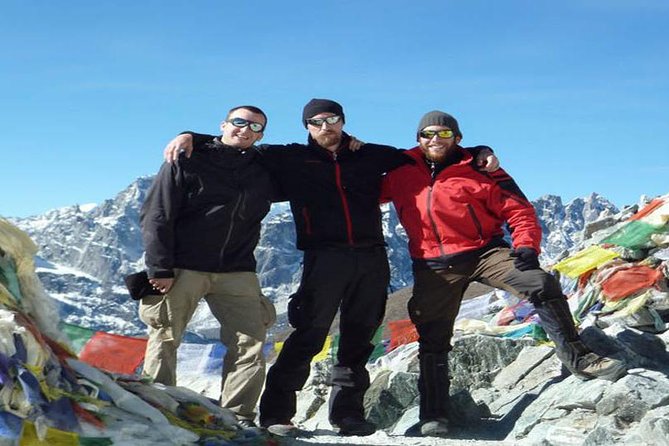
This is the kind of trip where the “big day” does not arrive out of nowhere. You build toward it. Each stage changes the feel of the trail, from river-valley walking with suspension bridges to glacier edges and stony memorials, then finally the moment you walk into Everest Base Camp territory. That slow climb in difficulty and altitude is part of the magic, because you do not just see the mountains, you learn their mood: clear mornings, thin air, wind, and sudden cold.
What makes it more than a tick-box trek is the rhythm of your days. You get time in Sherpa hubs like Namche Bazaar and Dingboche to acclimatize, you visit monasteries at Tengboche and later Pangboche, and you have a real “gear-up” period before the base camp push. That matters because thin air is not just about legs, it is about breathing, sleep, and pacing.
And yes, the scenery hits hard. Early on you start seeing Everest-related peaks in layers, then later you are close enough to feel small next to the ice. Even if you have watched documentaries, the scale on foot is different, because the mountains keep changing as you turn a corner.
More ways to walk to Everest Base Camp:
- Everest Base Camp Trek – 14 Days
★ 5.0 · 1,499 reviews - Everest Base Camp Trek
★ 5.0 · 842 reviews - Everest Base Camp Helicopter Tour landing at Everest View Hotel
★ 5.0 · 668 reviews
Price and Value: What $1,799.27 Covers (and What Can Surprise You)
At $1,799.27 per person for roughly 14 days, the headline price looks simple. The real question is what it replaces in your planning stress.
This package includes a lot that usually costs extra or takes time to arrange on your own:
- Both way flights between Kathmandu and Lukla (KTM-Lukla-KTM)
- Meals: 12 breakfasts, 12 lunches, and 11 dinners
- 11 night accommodation on the trek
- Trek essentials: sleeping bag, down jacket, and duffel bag
- Permits: Sagarmatha National Park permit and Khumbu entrance fee, plus Pasang Lhamu Rural municipality entrance fee
- Guided support: a government license holder mountain guide from Kathmandu
- Medical kit box
- Three cups of hot tea during the trek
- Airport pick-up and drop for domestic and international travel
Where you need to plan ahead is the “not included” list:
- Travel and rescue insurance (not optional in spirit, if you want the safety net)
- Hotel in Kathmandu (the trek ends in Kathmandu)
- Porter cost (if you want extra help carrying gear)
- Tips for your guide and porter
- Personal mountain expenses like phone calls, laundry, battery recharge, water, and hot water or shower costs
- Extra expenses in the mountains if flights are delayed or canceled due to strike, delay, or cancellation
My practical take: this price can be good value because it covers the hard parts, flights, permits, and core meals. Your biggest cost surprises tend to be insurance choices, tipping, and any extra day(s) caused by flight disruption.
Also, plan to book early. This itinerary is typically booked about 77 days in advance, and for a trek with weather and flight dependencies, earlier is usually smarter.
Gear Included: The Smart Part of Packing Light
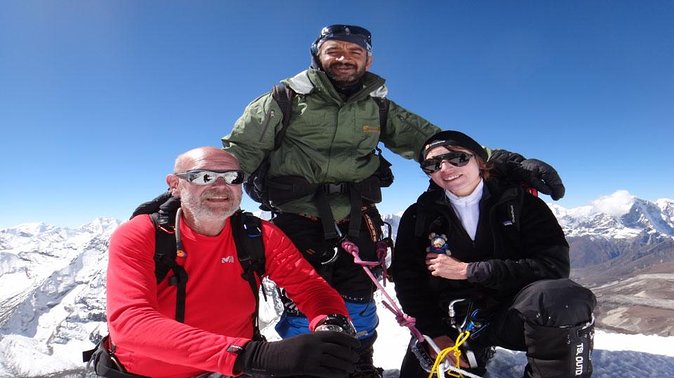
You get trekking gear that can reduce both expense and bulk: a sleeping bag, a down jacket, and a duffel bag. That is a big deal on a route where temperatures can drop fast and you do not want to gamble on cold gear or waste time renting it in Kathmandu.
But do not treat included gear as a permission slip to travel unprepared. You still need to show up with your own basics for day comfort, and your layering matters. The trek is mostly walking, with long days and early starts, so your socks, base layers, hat, gloves, and a good daypack are usually what make the difference between feeling okay and feeling miserable.
One tip I really like from the trip stories is the simple one: sunscreen every day. Sun on high altitude is no joke. Even when the air feels sharp and you think you will not burn, the UV can still do its job.
The Trek, Day by Day: What Each Stage Feels Like
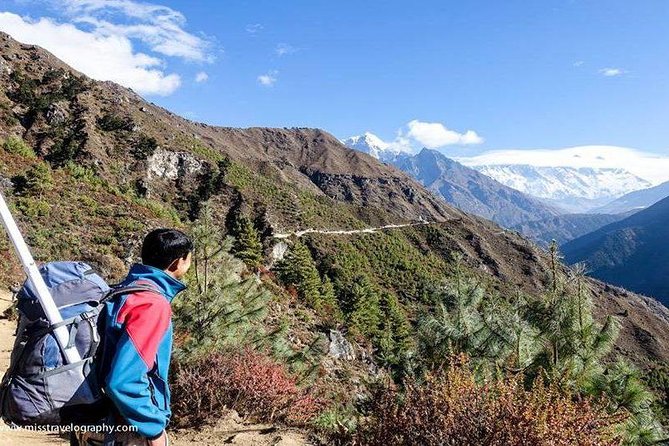
Below is a tour-style walkthrough of the days you will actually live through, and what each one is doing for you beyond the scenic photos.
More to compare around Kathmandu
- Private Kathmandu Sightseeing Tour | UNESCO World Heritage sites
★ 5.0 · 756 reviews - Kathmandu: 7 UNESCO Sites with Lunch
★ 4.8 · 744 reviews - Half day cooking class in Thamel kathmandu
★ 5.0 · 607 reviews - Everest Base Camp Trekking
★ 5.0 · 485 reviews
Day 1: Kathmandu arrival, dinner, and getting your bearings
After landing at Tribhuvan International Airport, you meet a representative from Nepal High Trek & Expedition Team. You get transferred to your Kathmandu hotel and enjoy dinner. It sounds basic, but this first evening matters. If you are jet-lagged, you want a calm night and an easy start to the next morning.
Day 2: Flight to Lukla, then Phakding and suspension bridges
You head to the Kathmandu domestic terminal to catch your scheduled flight to Lukla. Lukla is your starting point. Then you walk to Phakding, crossing several suspension bridges over the Dudh Koshi River.
This day is often where people feel the contrast. The walking is not meant to crush you, but it primes you for the rhythm you will use for the rest of the trek. You also get a preview of mountain views, including Mt. Thamserku at 6618m from the route as you move upward and slowly find altitude.
Day 3: Phakding to Namche Bazaar, slow climb, big first reward
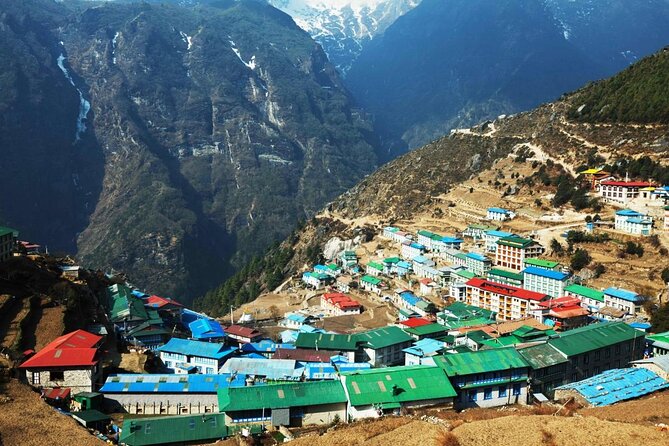
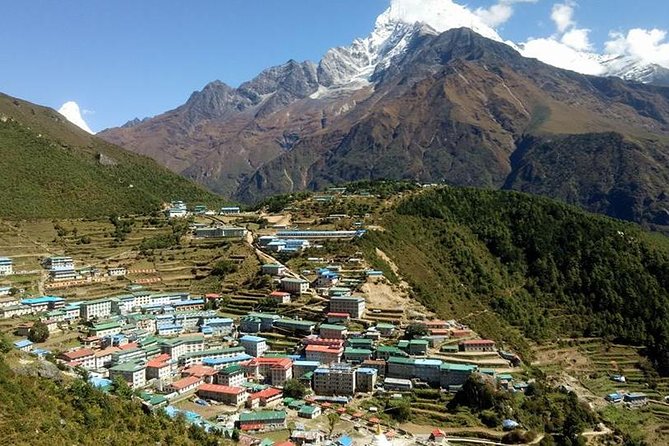
From Phakding you continue upward to Namche Bazaar, moving across more suspension bridges and building elevation. Namche is the place you will hear about nonstop because it is a real town, not a one-stop lodge. It is also a hub for comfort and practical needs.
If you like having options for food, internet access, and ways to get your bearings, Namche is where you feel that. This day sets that tone.
Day 4: Namche Bazaar day, shops, internet, and an acclimatization buffer
Today is built for exploring Namche Bazaar and its surroundings. The practical side is there, with access to things like ATMs, banks, and internet cafes. That matters because connectivity can help you manage travel nerves, not just for entertainment.
If you do nothing else today, do laundry-style preparation in your head: check your gear, adjust layers, and plan the rest of your days so you do not spend energy wondering what comes next.
Day 5: Tengboche Gompa and Everest views from the trail
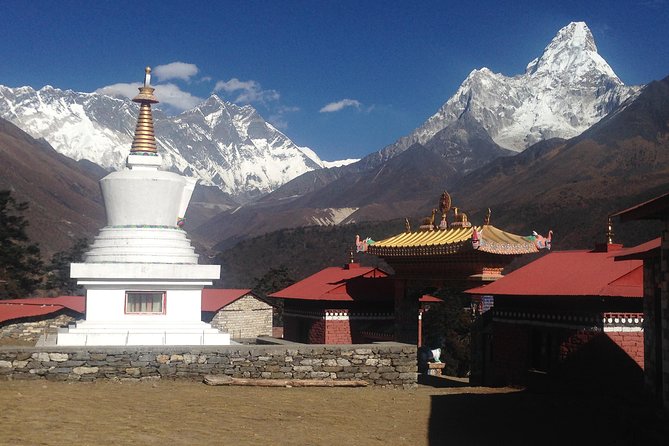
In the morning you move toward Tengboche and its monastery area, with sweeping views that can include Everest, Nuptse, Lhotse, and Amadablam as you trek. Tengboche Gompa is not just a viewpoint, it is a spiritual and cultural stop where you slow down and pay attention.
The drawback here is timing. If you want photos, you have to accept that you will stand in cold air longer than you planned. Bring patience, and your reward is worth it.
Day 6: Tengboche monasteries, then on to Dingboche
You start with a short visit to Tengboche and monasteries, then begin trekking toward Dingboche. This is another step where the itinerary keeps you moving but also lets you take in the views in stages.
By now, you will likely notice how your body responds to effort. The best strategy is not to chase pace. Let your guide set a steady tempo, the kind that helps you keep breathing controlled.
Day 7: Dingboche acclimatization, hike to Chhukung via Imja Khola
This is an acclimatization day, which is exactly what you want before the big pushes. You hike to Chhukung through the Imja Khola valley for mountain views, including strong sightlines toward Lhotse.
This kind of day is where you learn your “correct effort.” You should feel like you worked, but not like you got wrecked. If you treat it like a race, you lose the benefit.
Day 8: Khumbu Glacier edge, memorials, and a colder kind of quiet
You continue walking along the lateral moraine of Khumbu Glacier. You pass stone memorials for climbers who perished nearby. This is one of those moments that makes the trek feel real in a different way.
Then you continue climbing further into colder, harsher terrain. It is not a highlight for everyone emotionally, but it is a meaningful one. The mountains do not care about your bucket list, and those memorials help keep the experience grounded.
Day 9: Base camp day approach, Gorak Shep, and Everest Camp II
After breakfast you march to Gorak Shep. From there you see plenty of sky-reaching peaks, and then you follow the trail leading to Everest Base Camp.
You also have “Everest Camp II (2)” as a listed stop on this day. Practically, it means you are moving through the base camp area system on foot, with the terrain getting more dramatic as you near the main goal.
This is a long day, and the reward is huge, but it can also feel oddly quiet. Even when it is crowded, the cold and altitude create a different pace of thinking.
Day 10: Kalapatthar early, the sun show, then back to base area
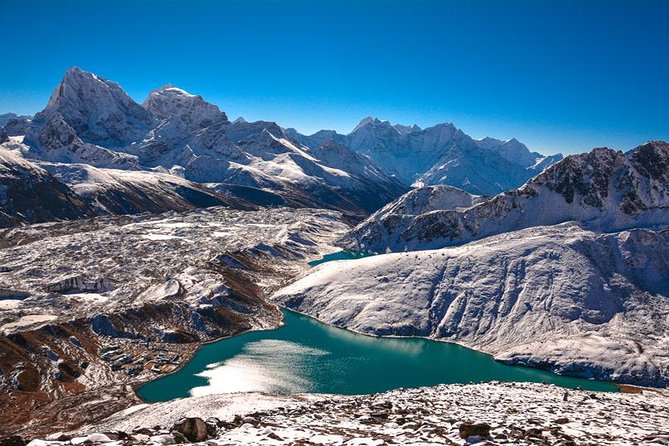
Today is the gist day of the journey, with an early trek to Kalapatthar. The itinerary calls out views as the sun pierces clouds and reflects on the snow. Translation: sunrise here can be jaw-dropping, and it is usually cold enough that you will be grateful you did not overpack with fragile comfort items.
Plan for a lot of standing and moving slowly uphill. This is not about speed. This is about being patient while the horizon does something special.
Day 11: Pheriche down and Orsho, then Pangboche monastery
From Pheriche you take a slightly different route down to Orsho and reach Pangboche. The big culture stop today is Pangboche monastery, described as the oldest monastery, with a story tied to the scalp and bones of an abominable snowman.
You also get a shift in walking from higher glacier-facing terrain into village-and-monastery life. It helps balance the intensity of the base camp section.
Day 12: Return to Lukla, explore Lukla valley, and yes, an Irish Pub
You head back from Namche to Lukla and reach earlier, leaving more leisure time. You stay overnight at a guesthouse and can explore the Lukla valley.
An Irish Pub is listed as a stop for this day. Even if you skip the bar, the idea is good: your body needs a mental landing after base camp effort.
Day 13: Kathmandu, then Kathmandu Durbar Square
You reach Kathmandu within a few hours after arriving by plane. You can spend time around the city and visit Kathmandu Durbar Square for a panoramic, memorable view of the Kathmandu valley.
This is where you start to feel proud in a quieter way. The trek is over, but you still get a last push of culture and city energy.
Day 14: Rest, pack, and farewell to the airport
After a night rest in Kathmandu, you pack your luggage and head to the airport. You need to reach TIA about three hours before your flight. There is also a small farewell program organized by Nepa High Trek.
This last day is all about smooth logistics, not adventure. Enjoy the reset, because you will not want to sprint through the airport tired.
Guides and Safety: Why Support Shows Up in Real Life
This trek is hard enough on its own. What you want is a team that manages the details that can derail you.
The stories tied to guides like Buddhi and Pawan are consistent: they keep you safe, keep the group moving, and keep morale up when conditions get tough. That includes guidance for advice and help throughout the full trip, not just at check points.
They also get credit for being well organized, with backup plans. When you are dealing with flights and mountain weather, organization is not a nice-to-have. It is how you protect your vacation from turning into a chaos experiment.
And for what it is worth, you should expect your guide to care about pacing. This itinerary is built around acclimatization days, which signals that they want you to succeed, not just finish fast.
Included Permits and Park Access: The Unsexy Stuff That Matters
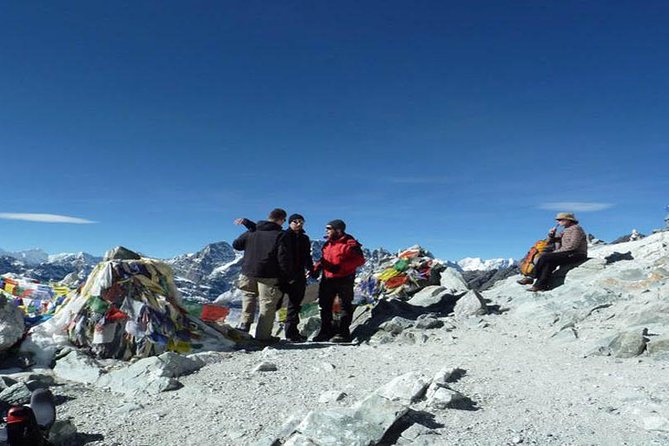
Two key items are covered: the Sagarmatha National Park permit and the Khumbu entrance fee. There is also the Pasang Lhamu Rural municipality entrance fee.
This matters because it reduces the risk of you arriving with an incomplete paper trail and losing time. It also keeps your trek centered on the trail rather than admin errands. If you have never done Nepal trekking before, you might not realize how quickly paperwork can eat a day. Here, that work is handled as part of your package.
Practical Notes for Staying Comfortable in Cold Thin Air
The itinerary is demanding enough that the tour explicitly notes you should have a strong physical fitness level. That is not sales talk. This route includes multiple long walking days and cold mornings, especially around sunrise-style viewing points like Kalapatthar.
Here are a few practical things that fit what this itinerary demands, without inventing anything:
- You will start early on days tied to monastery visits and viewpoints, so plan your sleep and layers accordingly
- You should take sunscreen seriously every day, even if you think you will not burn
- Hot tea is included during the trek (three cups), but you should still treat hydration and warmth as daily priorities
- Shower, hot water, battery recharge, and laundry are not included, so do not count on conveniences you might find elsewhere
Who This Trek Suits Best (and Who Might Reconsider)
This is a great fit if you want:
- A guided Everest Base Camp trek with a structured itinerary and acclimatization days
- Included flights from Kathmandu, so you are not arranging Lukla logistics yourself
- Solid support from a Kathmandu-based licensed guide and a team that is praised for positivity and care
- A trip that includes culture stops, like Tengboche and Pangboche monasteries, plus city time for Kathmandu Durbar Square at the end
You might reconsider if:
- You are not confident in your physical fitness for a 14-day trekking plan
- You need guaranteed daily flexibility if flights are delayed, because extra expenses in the mountains due to delays or cancellations are not covered
- You prefer trips where personal expenses are minimal, since phone use, water, and laundry or hot water costs are listed as not included
Should You Book This Everest Base Camp Trek?
Yes, if you want a guided, value-focused Everest Base Camp experience that takes care of the big logistics: Lukla flights, permits, core gear, meals, accommodation on the trek, and a licensed guide from Kathmandu. The praise for guides like Buddhi and Pawan, especially for keeping you safe and upbeat during tough stretches, is exactly what you want when high altitude turns your plans into a test of patience.
I would book with extra care if you are tight on budget for personal expenses or if you do not have travel and rescue insurance. Those are the two areas where people can get stuck after the fact.
If you want a challenge with structure and real support, this trek checks the right boxes. Just go in with solid fitness, pack smart, and take sunscreen seriously. The mountains do not care how excited you are, they only care that you are prepared.
FAQ
How long is the Everest Base Camp trek?
The itinerary is listed as 14 days (approx.).
Where does the trek start and what time is the meeting point?
The meeting point is scheduled for 8:15 am, with pickup offered.
What flights are included in the package?
Both way flight tickets are included for Kathmandu to Lukla and Lukla back to Kathmandu (KTM-Lukla-KTM).
Does the tour include trekking gear?
Yes. The package provides a sleeping bag, down jacket, and a duffel bag.
Are meals included?
Yes. The trek includes 12 breakfasts, 12 lunches, and 11 dinners.
Are permits and park fees included?
Yes. Sagarmatha National Park permit and Khumbu entrance fee are included, along with Pasang Lhamu Rural municipality entrance fee.
Do I need travel or rescue insurance?
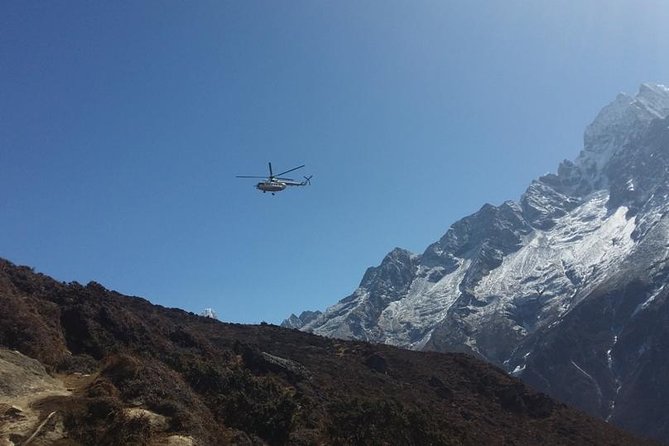
Travel and rescue insurance are not included. The tour also mentions an emergency helicopter service arrangement that is paid by your travel insurance company.
What costs are not included on the trip?
Not included are the Kathmandu hotel, porter cost, tipping for guide and porter, and personal expenses in the mountains such as phone calls, laundry service, battery recharge, bottle of water, hot water, and shower.
What if poor weather cancels the experience, or I need to cancel?
The experience requires good weather. If it is canceled due to poor weather, you will be offered a different date or a full refund. Free cancellation is available up to 24 hours in advance of the experience start time for a full refund.
Latest Kathmandu write-ups
- Langtang Valley Trek★ 5.0 · 3 reviews
- Langtang Valley Trek from Kathmandu★ 5.0 · 3 reviews
- Khopra Danda Trek★ 5.0 · 3 reviews
- 5 night / 6 days Kathmandu Nagarkot Chitwan Pokhara tour★ 5.0 · 3 reviews
- Nepal Highlights Tour: 5 Nights 6 Days Kathmandu & Pokhara Tour★ 5.0 · 3 reviews
- Kathmandu Valley Private Day Tour★ 5.0 · 3 reviews
- Kathmandu Heritage Day Tour★ 5.0 · 3 reviews
- Conquer the Himalayas: The Ultimate 16-Day Annapurna Circuit Trek★ 3.5 · 3 reviews
Everest Base Camp Trek, compared.



Everest Base Camp Helicopter Tour landing at Everest View Hotel
Read our review →


Everest Base Camp Helicopter Tour landing at Hotel Everest View
Read our review →
Browse the lists this tour appears in