
Everest Base Camp is interesting because it mixes two worlds: the high Himalayan quest for Everest Base Camp, and the quieter spiritual side of the Everest region through Buddhist monasteries. You get that dramatic see-it-with-your-own-eyes feeling of the world’s highest mountain, plus real time in Sherpa communities and sacred stops along the way, like Tengboche and Khumjung.
I especially love the way this trip builds time for acclimatization (Namche Bazaar, then Dingboche and Chukkung). I also like the practical support style, including pickup in Kathmandu and a team that is repeatedly described as friendly and safety-first, with guides such as Dinesh and Sushil mentioned for caring attention at altitude.
One possible drawback to plan around is the Lukla flight logistics. The trek includes an important note that, due to Kathmandu airport upgrades, flights may depart and return via Ramechhap Manthali, with a long early-morning drive that can start around 2:30 am.
Key Things That Make This Everest Base Camp Trek Worth Your Time
- Monastery-focused routing with big spiritual stops like Tengboche and visits around Khumjung and Hillary School
- Acclimatization days that make sense, especially Namche Bazaar, Dingboche, and an optional Chukkung Valley walk
- A sunrise at Kalapatthar day built around early starts, cameras out, and Everest views from a high vantage
- Real permits and park entry process at the Sagarmatha National Park authorized office in Monjo
- Flight contingency explained clearly, including the Ramechhap swap and the early drive timing
Kathmandu Arrival and the Fast Start That Helps You Trek Better
Day 1 is a straightforward arrival flow. You land at Tribhuvan International Airport, you get met there, and then you transfer to a hotel so you can rest and settle in. This matters more than it sounds, because on a trek like Everest Base Camp, your body is already doing extra work just by coming from low altitude.
Day 2 is your adjustment day. You visit the office briefly to talk through the trek, and if you need trekking gear you can shop in Thamel. I like this setup because it gives you a buffer to handle small missing items before you’re stuck on a mountain schedule.
If you want a lighter add-on, there’s an optional half-day Kathmandu Valley sightseeing tour. Even without that, the day’s goal is simple: get your bearings, sleep when you can, and get ready for the jump to the Everest region.
More ways to walk to Everest Base Camp:
- Everest Base Camp Trek – 14 Days
★ 5.0 · 1,499 reviews - Everest Base Camp Trek
★ 5.0 · 842 reviews - Everest Base Camp Helicopter Tour landing at Everest View Hotel
★ 5.0 · 668 reviews
The Lukla Flight Reality Check, Including the Ramechhap Swap
Day 3 starts with an early morning flight to reduce weather issues. The short flight of about 35 to 40 minutes is part of why Everest Base Camp trips feel so special so quickly, because you go from city to mountains fast.
Here’s the practical part to pay attention to: the tour includes a notice that the Lukla flight may depart and return via Ramechhap Manthali airport due to ongoing upgrades at Kathmandu airport. That means about a 4 to 5 hours drive from Kathmandu to Ramechhap, and the early start to get going is around 2:30 am. At the end of the trek, the return drive is also listed as about 4 to 5 hours.
This doesn’t mean the trip is poorly planned. It means you should be mentally ready for an early, long travel day. If you hate wakeups and driving, this is the part to consider before you commit.
Once you land at Lukla, you walk toward Phakding. You pass through Lukla town and then into lush forest before reaching Phakding for the night at a local lodge. It’s a gentle on-ramp after the flight, and it helps your legs get used to hiking again.
Monjo, Sagarmatha National Park Permits, and the Sherpa Settlements Feel
Day 4 is about entry and first real immersion. You head toward Monjo, where your permits are checked at the Sagarmatha National Park authorized office. Getting that done early helps you feel like you’re officially on the trek, not just traveling toward it.
After that, you walk into Sagarmatha National Park through deep woods and traditional Sherpa settlements. You also see the Dudhkoshi River and then ascend to Namche Bazaar. This day is a strong preview of what you’ll keep seeing: forested stretches, river crossings nearby, then climbs that gradually change the air and the feel of the trail.
In the evening, you can take a short walk around Namche Bazaar if you want. That evening freedom matters because you’re going to spend a lot of your trek time working with schedules and altitude, so the small choices become valuable.
Namche Bazaar Acclimatization and the Everest Viewpoint Sunrise Moment
Day 5 is your big acclimatization and viewpoint day in Namche Bazaar. You hike up to Hotel Everest Viewpoint, and this is where you get one of the most photogenic setups on the route: Mt. Everest and other towering peaks in a dramatic sunrise-style backdrop.
Then you walk back down to Namche Bazaar. Some people also add a walk to Thame Monastery. Even if you don’t do the extra walk, the core value of Day 5 is clear: you’re not just pushing forward, you’re giving your body a chance to adjust.
This is also where you learn the rhythm of the trek. The altitude isn’t a mystery. It’s something you feel in your breathing and your pacing. Namche gives you a place to slow down, eat, rest, and then keep going with more confidence.
More to compare around Kathmandu
- Private Kathmandu Sightseeing Tour | UNESCO World Heritage sites
★ 5.0 · 756 reviews - Kathmandu: 7 UNESCO Sites with Lunch
★ 4.8 · 744 reviews - Half day cooking class in Thamel kathmandu
★ 5.0 · 607 reviews - Everest Base Camp Trekking
★ 5.0 · 485 reviews
Tengboche Monastery Day, With Amadablam Watching You Walk
Day 6 is another step into Everest region beauty, and it comes with a specific highlight: Amadablam views. The trail from Namche connects to the main route, with a brief time walking before the bigger trail begins.
You’ll likely see mules and yaks carrying foodstuffs, which is a good reminder that the mountains are worked and lived in, not just filmed. The route goes down to the riverside, crosses the river, and then you ascend to Tengboche. The Tengboche monastery is the main attraction here.
Day 7 continues the theme, still dominated by Amadablam views. You walk through deep woods in Sagarmatha National Park, cross Dindboche Khola while approaching Dingboche, and then arrive in Dingboche. The feel of the trek changes again here, and you’ll notice it most in how the landscape around you supports fewer trees and more open mountain views.
Dingboche to Chukkung Valley: A Choice That Helps You Pace the Altitude
Day 8 gives you a fork in the road. Some people take rest at the lodge, and others walk to Chukkung Valley. If you want the extra effort, the walk starts after breakfast and takes about 2 to 3 hours to reach Chukkung. You then have lunch there and trek back to Dingboche for the overnight stay.
The payoff from Chukkung Valley is described as breathtaking views of Himalayan giants, and you even get perspective on Island Peak and other mountains. Some trekkers also like to climb Chukkung ri, though the main plan is still a day hike and return.
I like this structure because it lets you match the day to how you’re feeling. If your breathing or energy is off, you can choose rest. If you’re feeling strong, you get a worthwhile side trip without committing to a full extra multi-day detour.
Lobuche and the Everest-Edge Feeling on the Trail to Gorek Shep
Day 9 is a move toward Lobuche. You pass ridges and get magnificent views on the way. The day includes alpine bushes and dry terrain, and you walk past Sherpa people’s graveyard before reaching Lobuche.
This kind of stop is heavy, but it also adds meaning to the route. It connects the trek you’re doing to the people who have worked in these mountains for generations. Then you arrive at Lobuche, described as being located on the riverside, and you settle in for the night.
Day 10 is where the trek starts to feel like it’s about to become real. The day is set up for big mountain panorama and glacier and avalanche views. You trek to Gorekhshep first, have lunch there, and then continue to Everest Base Camp.
Celebration is built into the plan. You put your footsteps at Everest Base Camp, then return to Gorekhshep for the overnight stay. This is one of those “you’ll remember the exact timing of this day” moments, because you’ve been building toward it for days.
Kalapatthar Sunrise: The Early Start Worth Every Minute
Day 11 is sunrise day, and it begins early, around 4:30 to 5 am. You climb Kalapatthar, and the goal is to reach the top and wait for sunrise.
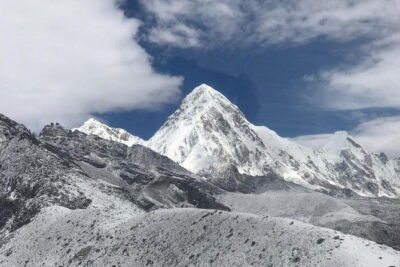
This is one of the most camera-friendly parts of the whole trek in the itinerary. You’ll see other trekkers with cameras aimed at Mt. Everest. The sunrise turns the mountain panorama into a show, and the plan calls out Everest plus peaks like Pumori, Nupse, Loatse, and other giants worth capturing.
Then you walk down to Gorekhshep and have breakfast. After that, you keep trekking onward to Periche via Lobuche.
If you want the simplest way to understand this day, it’s that Kalapatthar is the trek’s “see it from the best angle” test. You already earned the right to be tired. Now you get a payoff for it.
The Descent Through Tengboche and Toward Kyanjuma, With Rhododendron and Viewlines
Day 12 shifts into return mode, but not in a boring way. You walk down toward Kyanjuma via Tengboche. After passing through Tengboche, you walk down to the riverside, cross the bridge, and catch a trail that splits toward different destinations: one toward Namche, one toward Khumjung, and one toward Gokyo.
The route described here goes among lush rhododendron and alpine species of wildlife, with views including Twache, Thamserku, and Amadablam on the way. Even when you’re descending, you’re still climbing in a different sense because your body is adjusting to each change in altitude.
Day 13 is the thoughtful cultural capstone before you move fully back to lower elevations. You ascend to Khumjung village, then visit Hillary School. You also visit Khunde village and explore the surrounding before trekking down to Namche and onward to Monjo via Namche Bazaar. Overnight is at a local lodge again.
I like this day because it ties the expedition story you came for to the human scale of education and community. Sir Edmund Hillary’s name is part of Everest lore, and this stop makes it feel grounded in a place, not just a legend.
Lukla Back to Kathmandu: Keeping the Flight Options in Mind
Day 14 is the last hiking day to Lukla. You pass Phakding, then ascend up to Lukla town. In the evening you can take a walk around the town and near the airport.
Day 15 is the flight back to Kathmandu. The plan says you board early in the morning because wind may disturb late morning flights. Once you land in Kathmandu, you transfer to a hotel and have time to refresh, shop, or do other activities you like.
That evening you meet for a farewell dinner, which is a nice reset because the trek ends quietly but your group’s experience deserves a proper closing meal.
Day 16 ends the story cleanly: you’re dropped at Kathmandu airport so you can depart on your international flight.
Price, What It Includes, and Where You May Need Extra Budget
At $1,600 per person for about 16 days, the value here comes from how much is bundled. You get accommodations as per the itinerary, all taxes and fees listed, and meals as per itinerary, including breakfast, lunch, and dinner.
You also get hands-on support: a driver or guide, hotel pickup, and hotel pickup and drop-off. If you’re coming from abroad, those pieces reduce the number of moving parts you have to manage alone.
Two costs are explicitly not included: alcoholic drinks and souvenir photos. So if you like to buy beer or wine at the end of a long hiking day, plan for that.
Also, the trek is described as a private tour/activity with only your group participating. That can matter for pacing and communication, especially on days like Namche acclimatization and Kalapatthar where timing is everything.
Finally, the mention of mobile tickets is a small but real convenience. Less paper in a place where you’re moving often and dealing with early departures can help.
The Overall Experience: Who This Trek Fits Best
This Everest Base Camp trek is best for you if you want a structured route with acclimatization built in and you like combining the big dream of Everest with meaningful stops along the way. The monastery connections, plus the Khumjung and Khunde visits and Hillary School stop, fit travelers who want more than a checkbox destination.
It also fits people who want strong guidance. In the provided information, multiple guides are described as friendly and supportive, including Dinesh, Sushil, Prakash Giri, Procas, Raju, and Porshuram Rai. Safety and care in altitude situations is specifically called out, which is what you want when the schedule goes early and the air gets thin.
If you dislike early mornings and long transfer days, the Lukla/Ramechhap timing note is your big caution. Otherwise, the trip is described as something most travelers can participate in.
Should You Book This Everest Base Camp Trek?
Yes, if you want a classic Everest Base Camp route with a practical support system and a clear emphasis on acclimatization. The trek has strong signals in the provided details: it is rated 5 stars with a very high recommendation rate, and the guide care theme shows up repeatedly, including names like Dinesh and Sushil.
I’d especially recommend booking if you like the idea of mixing Everest views with Buddhist monastery stops, rather than doing only a hiking checklist. The itinerary’s monastery and Hillary School elements add a layer that makes the trek feel like a journey through the Everest region, not just a path to a campsite.
FAQ
What is the duration of this Everest Base Camp trek?
The duration is listed as 16 days approximately.
Where does the trek start?
It starts in Kathmandu, Nepal.
What time is the start and how does arrival work?
The listed start time is 7:15 am. On Day 1, you arrive at Tribhuvan International Airport and the team is waiting to receive you, then transfers you to your hotel.
What is included in the price?
Included are accommodations as per itinerary, all taxes, fees, and handling charges, meals as per itinerary (breakfast, lunch, dinner), a driver or guide, and hotel pickup plus hotel pickup and drop-off.
Is trekking gear provided?
No gear is listed as being provided. On Day 2, you have time to shop for trekking gear in Thamel if you require it.
What about flights to Lukla if Kathmandu airport is under upgrades?
The trip includes a notice that Lukla flights may depart and return via Ramechhap Manthali due to upgrades at Kathmandu airport. That can involve about a 4 to 5 hours drive to Ramechhap, with a start around 2:30 am, and a similar return drive time at the end of the trek.
Latest Kathmandu write-ups
- Langtang Valley Trek★ 5.0 · 3 reviews
- Langtang Valley Trek from Kathmandu★ 5.0 · 3 reviews
- Khopra Danda Trek★ 5.0 · 3 reviews
- 5 night / 6 days Kathmandu Nagarkot Chitwan Pokhara tour★ 5.0 · 3 reviews
- Nepal Highlights Tour: 5 Nights 6 Days Kathmandu & Pokhara Tour★ 5.0 · 3 reviews
- Kathmandu Valley Private Day Tour★ 5.0 · 3 reviews
- Conquer the Himalayas: The Ultimate 16-Day Annapurna Circuit Trek★ 3.5 · 3 reviews
- Kathmandu Heritage Day Tour★ 5.0 · 3 reviews
Everest Base Camp Trek, compared.

Everest Base Camp Helicopter Tour landing at Everest View Hotel
Read our review →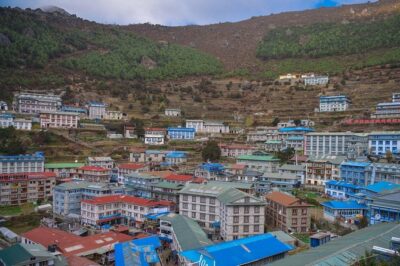
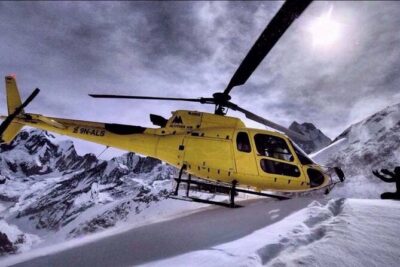
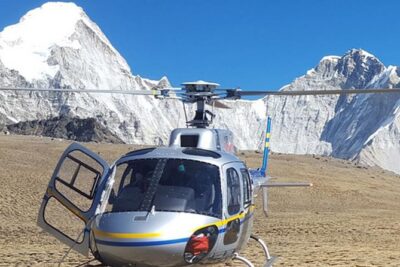
Everest Base Camp Helicopter Tour landing at Hotel Everest View
Read our review →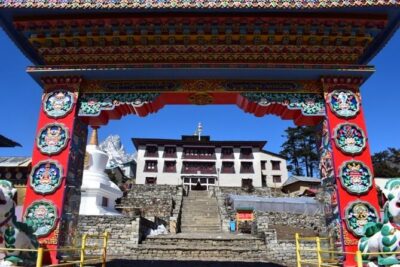
Browse the lists this tour appears in