
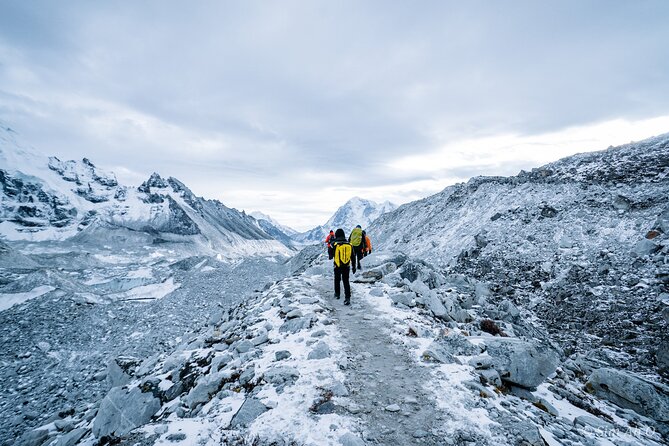
Reviewed · EVEREST BASE CAMP TREK
Everest Base Camp Trek 12 Days – Best Himalayan Adventure
A 12-day private Everest Base Camp trek is interesting because it pairs a famous destination with the everyday reality of trekking in the Khumbu region, where your days are planned around weather, altitude, and village life. It starts in Kathmandu, so you get real setup time before you jump into the mountains.
I love the experienced Sherpa guide focus on safety, and I love that the schedule builds in acclimatization days so you’re not just rushing uphill. You also get a human-scale trek, not a cattle-car walk.
One possible drawback: this is still a demanding high-altitude hike. The trip expects moderate physical fitness, and you should take the altitude seriously, even if you feel fine on day one.
Key reasons this Everest Base Camp trek is worth a close look
- Private Sherpa-guided trekking (minimum 2 people per booking) gives you steadier pacing and clearer support day to day.
- Lukla flights included, with flights that may depart from Ramechap Airport, which matters for how your schedule can flex.
- Tea-house lodging for 11 nights in twin-sharing rooms keeps things realistic and logistically simple on the trail.
- Porter support included, set up as 2 hikers per porter, so you can keep your pack more manageable.
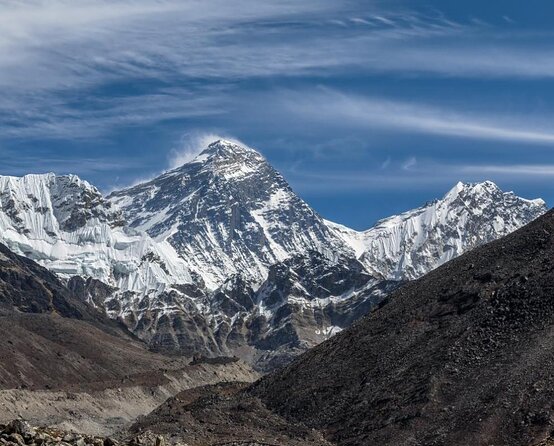
- Iconic viewpoints built into the route, including time toward Everest Base Camp and the classic sunrise stop around Kala Patthar.
- Small-group cap (maximum of 10 travelers) helps the experience feel personal on narrow trails.
Price and what you’re really buying for $1,439
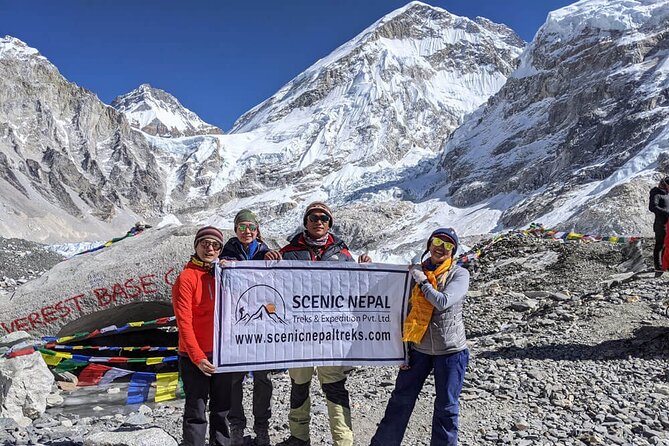
At $1,439 per person, this trek sits in the “serious adventure” category. The value comes from what’s bundled, not just the trek itself. You’re paying for the whole operating machine: a highly experienced Sherpa guide, domestic flights, permits, trekking support gear and planning, and the on-trail rhythm that keeps you moving safely at altitude.
Here’s what’s included that actually reduces your hassle:
- Return domestic flights to and from the trekking area (not just one direction)
- All necessary trekking permits
- Twin-sharing tea-house accommodation for 11 nights
- A porter setup (2 hikers get 1 porter)
- A first aid kit, plus staff insurance, medication, and equipment
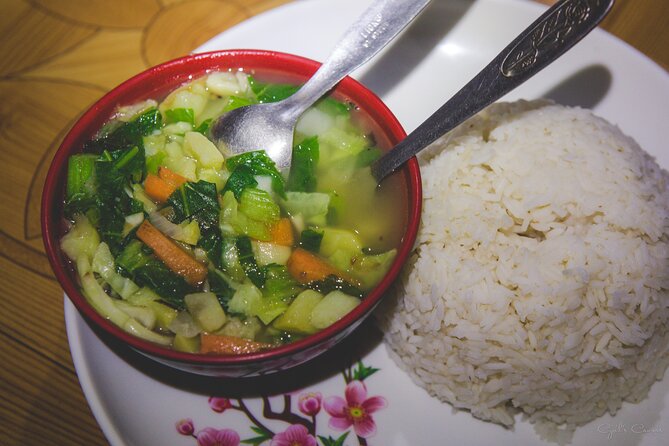
- Vegetarian option available if you ask in advance
What’s not included can affect your true daily budget:
- International airfare and your Nepal entry visa
- Personal trekking insurance
- Personal expenses, and the package notes also list meals during the trek as not included. That means your real food cost depends on what’s covered in your exact quote. I’d confirm this before you hand over money, because tea-house meals can add up.
My practical takeaway: if you want fewer moving parts and you’re okay paying for organization, this price can feel fair. If you already have flights, permits, and guide sorted, you might find cheaper options, but you’d likely give up some of the safety and logistics support.
More ways to walk to Everest Base Camp:
- Everest Base Camp Helicopter Tour landing at Everest View Hotel
★ 5.0 · 668 reviews - Gokyo to Everest Base Camp Trek
★ 5.0 · 113 reviews - Everest Base Camp Trek
★ 5.0 · 97 reviews
Kathmandu start, pickup, and the kind of prep that saves energy later
Your trek starts back at Scenic Nepal Treks & Expedition Pvt. Ltd. at Bhagwati Marg, Kathmandu. Pickup is offered, and the meeting point is near public transportation, which is handy if you like options for how to get around the city.
This matters because Everest logistics begin before you ever see mountains. In Kathmandu, you’re dealing with:
- Confirming your details for travel documents, since passport name, number, expiry, and country are required at booking
- Getting your head right for altitude work and daily hiking, not just sightseeing
- Being sure you know who your team is and how your trek day will run
If you’re the type who hates last-minute chaos, this is a good sign. The operation is set up for an organized handoff from city to trail.
Your Sherpa team and why private guidance changes the feel
This is a private guided trek, with a minimum of 2 travelers per booking and a maximum group size listed as up to 10 travelers. That small scale is a big deal in the Everest region, where trails get crowded and the pace can swing wildly.
The guide matters. In the field notes I gathered from past trek experiences linked to this company, the names come up again and again: Dipendra appears as a key contact, and guides like Shankar, Binod, Ramjee, and Santosh are repeatedly praised for patience and day-to-day care. People also mention a crew and Sherpas that feel genuinely supportive, not like anonymous logistics.
Why I like that for you:
- A good guide helps you pace to your body, not to someone else’s bravado
- It reduces the stress of decision-making when weather shifts or trails get busy
- When you’re tired, clear guidance is worth more than fancy promises
Yes, you still need discipline. No guide can change thin air. But with strong guidance, you spend more energy on the views and less on second-guessing plans.
The Lukla flight that sets the whole trek in motion
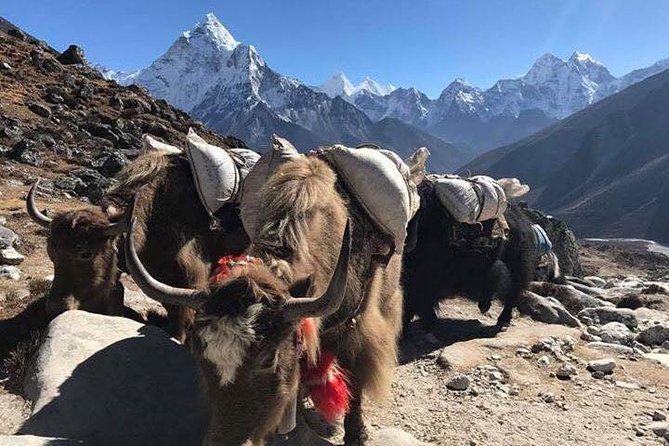
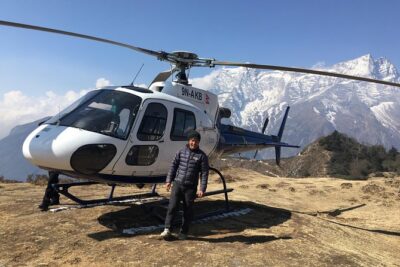
One of the biggest gears in the Everest Base Camp machine is the flight to Lukla. Domestic flights are included, and your flight may depart from Ramechap Airport. That detail is worth paying attention to, because the departure airport can affect travel time in Kathmandu and your morning plans.
Once you’re in Lukla, you transition from city to mountain rhythm fast. Expect the first days to feel like a warm-up that is not actually a warm-up. The steep sections and the higher elevation can still drain you.
Practical advice for your first hiking days:
- Start slower than you think you need to. The goal is to arrive at Namche and other stops feeling like you can keep going.
- Don’t chase altitude. If you feel winded, it’s data, not failure.
- Keep your water steady. Tea-house days are often about sipping, resting, and resetting.
The good news: the trek is built to include acclimatization time, so the plan isn’t simply a straight line toward Everest Base Camp.
More to compare around Kathmandu
- Kathmandu: 7 UNESCO Sites with Lunch
★ 4.8 · 744 reviews - Kathmandu: Local Women-Led Nepali Cooking & Momo Class
★ 4.9 · 360 reviews - Manaslu Circuit Trek
★ 5.0 · 292 reviews - Kathmandu: Food and Drink Walking Tour
★ 4.9 · 292 reviews
Namche Bazaar: the hub town and the acclimatization rhythm
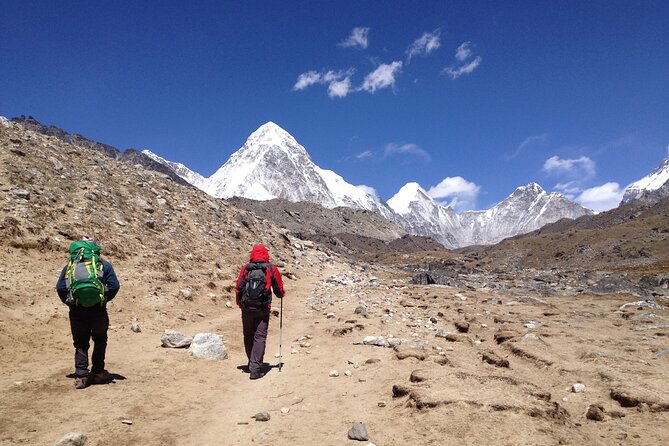
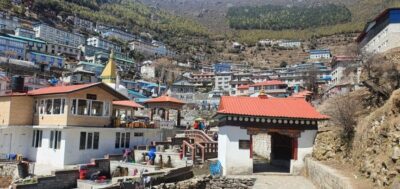
Namche Bazaar is where the Khumbu trek starts to feel real. It’s a high-altitude hub with village life, views, and the daily logistics that make trekking possible. In practical terms, Namche is where you adjust your routine.
What you should expect here:
- More people, more energy, and more chances to notice how your body responds to altitude
- A real sense of place, where trekking is part of the local economy, not just tourism
- The chance to pace yourself and settle into the days ahead
If you’re newer to hiking, this is often a confidence checkpoint. If you’re experienced, it’s still a good moment to stay disciplined. Even strong hikers can overdo it early on.
Tengboche and the monastery area: forests, suspension bridges, and classic views
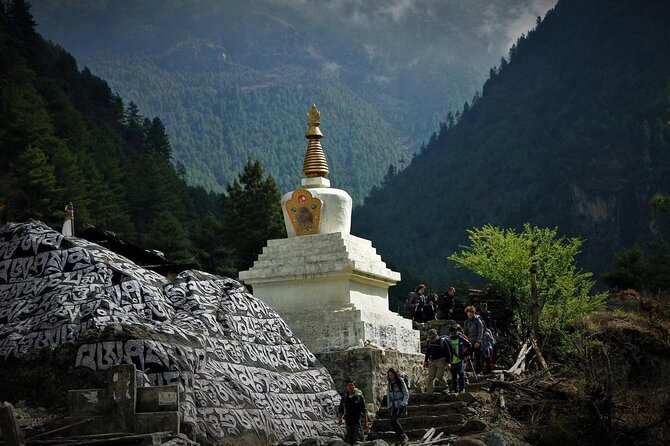
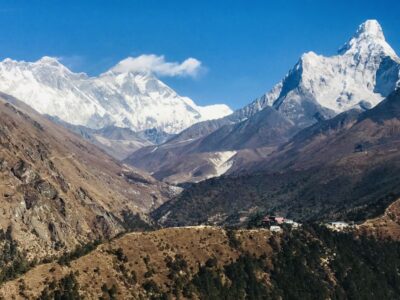
From Namche, the route moves toward Tengboche, a spot many people associate with spiritual calm and mountain drama. You’ll hike through alpine forests and cross suspension bridges along the way, which helps break the monotony of continuous uphill.
Here’s why this segment is a highlight even if your fitness is mixed:
- Suspension bridges give you a quick mental reset. You’re moving, but the view changes often.
- Forest sections can feel cooler and easier to walk than open, sun-baked stretches.
- Tengboche’s atmosphere adds meaning to the walking. The mountains are still the star, but you’re not just trudging through bare air.
Potential drawback: if you get hit with cold wind in exposed areas, layers matter. A day like this can be “beautiful and uncomfortable” unless you’re prepared.
Dingboche and the high-altitude adjustment you can feel
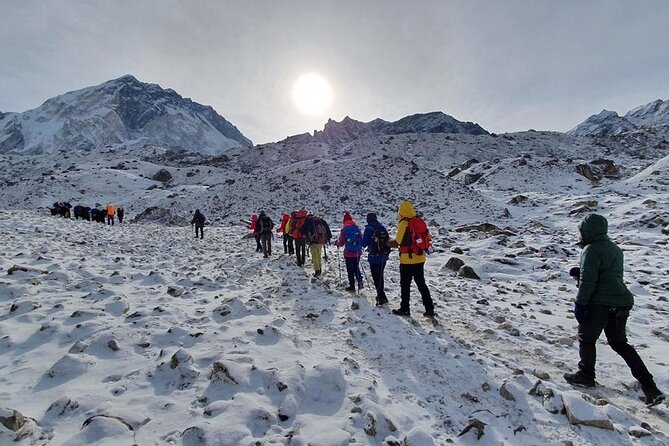
Dingboche is where the trek tightens the grip. The views remain serious, but your body may start asking more questions. This is where the acclimatization approach pays off.
Expect:
- More time spent managing your pace
- Feeling the altitude in your breathing and legs
- Tea-house breaks that help you reset, warm up, and eat something real
If you’ve ever had a trip where day three or four surprises you, this is the place where it can happen. Even if the itinerary includes acclimatization days, it’s still normal to feel fatigue.
Your best move: treat Dingboche like a day for good habits. Eat, hydrate, and keep walking only as hard as you can sustain. Base Camp doesn’t care how brave you felt at lunch.
Everest region day: moving from scenery to the main event
As the route presses into the Everest area, the trek becomes less about “where am I” and more about “how close am I.” The plan includes time around the Mount Everest zone, plus the classic path toward Base Camp itself.
A few things to understand before you go:
- The last stretch can feel long, even if the distances are not huge.
- Weather and visibility can change quickly. Your experience may vary from a perfectly clear view day to a colder day with limited sightlines.
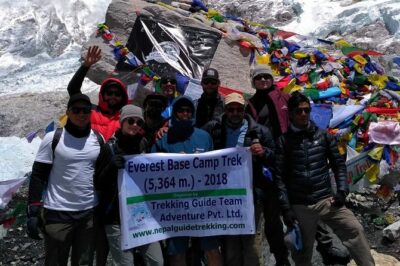
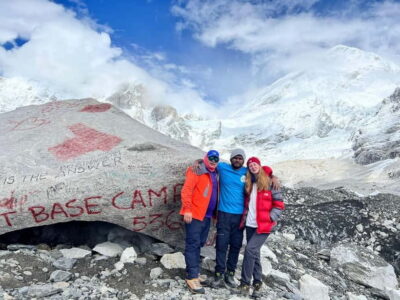
- The point of this day is not only arrival, it’s the feeling of getting there under your own power.
You’ll follow Sherpa trails through glacial valleys and high-altitude village areas, and that’s part of what makes the moment special. You’re not just collecting a photo. You’re walking the same type of route locals and trekking teams have used for generations.
Gorak Shep and Kala Patthar: the sunrise payoff people talk about
Gorak Shep is a key staging area before the Everest Base Camp area. From there, Kala Patthar is the classic viewpoint that many trekkers plan around for early light.
Why I think this stop is so valuable:
- It gives you a reason to wake up before your body wants to
- It turns the trek into a story, not just a checklist
- It’s where the Everest view becomes less abstract and more grounded
What to watch for:
- Early mornings are cold. Even if the sun comes fast once it clears, the wait can be brutal.
- The air is thinner here. Your breath will be shorter. That’s normal, and it’s exactly why you should never sprint.
Practical packing tip: bring proper warmth for dawn hours. A down jacket and gloves make a real difference, especially when you’re standing still waiting for light.
Tea-house nights: comfort level is basic, but that’s part of the deal
The trek uses tea-house accommodation for 11 nights, twin sharing during the hike. That setup keeps you moving and avoids extra setup work.
Here’s what tea-house life usually means in real terms:
- Simple rooms, basic heating if any, and limited hot comfort
- Meals that you’ll likely order on site, which is why your food budget needs attention
- Community energy, because you see fellow hikers at different stages of the same grind
I like tea houses for one main reason: they keep you focused. You’re not spending energy on camp chores. You’re walking, resting, eating, and repeating.
If you’re sensitive to cold rooms or you hate shared spaces, decide in advance whether twin sharing works for you.
What to pack, and what the cold and sun will do to you
The trek notes recommend a serious layer system: hats, warm scarf and gloves, a waterproof jacket, and a down jacket that can be needed down to around -10C depending on where and when you trek. You’ll also want warm base layers like thermal underwear and warm socks, plus a quick dry system.
A smart packing approach for this route:
- Keep your layers easy to put on and take off. Mountain weather changes fast.
- Bring items that handle both cold mornings and sun exposure during the day.
- Use a water purification plan, since water treatment tablets are included in the trek notes.
- Don’t forget sunglasses. Snow glare and bright Himalayan light can feel aggressive even when you’re not thinking about it.
If you like having everything organized, the trip notes also list a lot of helpful items such as sleeping bag and silk liner, duffel bag, maps, torch, water bottle, water purification tablets, sunblock, and a first aid kit box. Still, you should check your final packing list after booking, because what you personally use matters as much as what’s available.
Who this Everest Base Camp trek is for, and who should reconsider
This trek is described as fitting fit beginners to experienced hikers, as long as you have moderate physical fitness. That sounds generous, and it is, but here’s the real truth: Everest Base Camp is still high altitude and still walking uphill for days.
This will suit you if:
- You want a guided experience with a Sherpa-led safety mindset
- You like the tea-house style of trekking
- You want private pacing, rather than a huge group rushing past you
- You’re willing to do early mornings for viewpoints
It might be a mismatch if:
- You strongly dislike cold weather or overnight discomfort
- You don’t want to commit to altitude awareness
- You expect a low-effort hike, because this is not that
Should you book this Everest Base Camp trek?
Book it if you want the most practical kind of Everest trip: a small private group, Sherpa guidance, permits handled, flights included, and a porter setup that keeps your pack realistic. The repeated praise for guides like Dipendra, Shankar, Binod, Ramjee, and Santosh points to a real emphasis on caring support, not just moving people along.
I’d hesitate or at least confirm details if you’re uncertain about what meals cost during the trek, because the package wording mentions meals in the overview while also listing meals during the trek under what’s not included. Also, make sure you’re honest about fitness and your comfort with thin air.
If you’re ready for a demanding hike with world-class views and solid mountain support, this is a strong option for your first step into the Khumbu.
Latest Kathmandu write-ups
- 16 Days Island Peak Climbing With Everest Base Camp Private Trip★ 5.0 · 3 reviews
- 15 Days Round Annapurna Trek with Poon Hill from Pokhara★ 5.0 · 5 reviews
- Private Nepal round trip including Ghorepani Poonhill trek★ 5.0 · 3 reviews
- Everest Base Camp Trekking 16 Days★ 4.0 · 7 reviews
- 14 Days Luxury Annapurna Base Camp Trek★ 5.0 · 6 reviews
- Everest Base Camp Trek★ 5.0 · 32 reviews
- Everest Base Camp Trek★ 5.0 · 87 reviews
- 14 Days Everest Base Camp Trek★ 5.0 · 5 reviews
Everest Base Camp Trek, compared.
Everest Base Camp Helicopter Tour landing at Everest View Hotel
Read our review →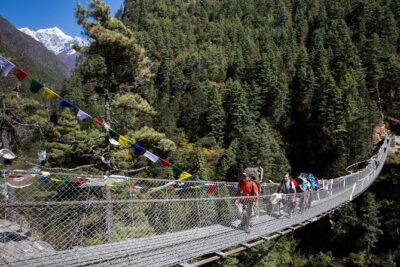
14-Day Everest Base Camp with Kala Patthar Trek
Read our review →Browse the lists this tour appears in