
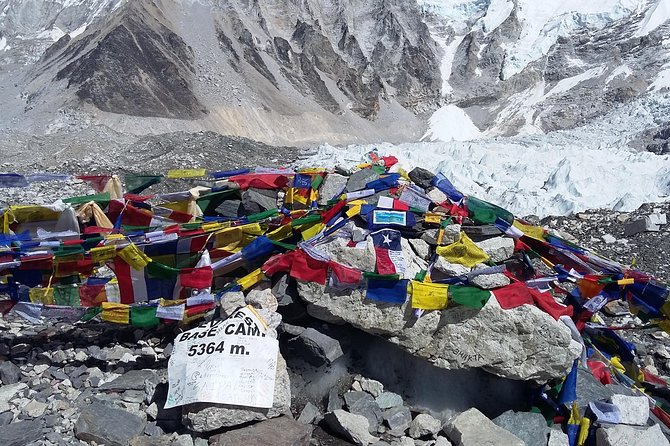
Reviewed · EVEREST BASE CAMP TREK
Everest Base Camp trek 12 days from Kathmandu
Everest Base Camp trekking is interesting because you are moving through the Everest region step by step, not just looking from afar. You fly in via Lukla, then work your way up to Everest Base Camp and the Khumbu Glacier, with a big viewpoint push to Kala Patthar. I also like that this plan includes the essentials like your down jacket, sleeping bag, and walking pole, so you are not scrambling to rent gear last minute.
The main consideration is flights. In peak season (Mar to May, and Sep to Nov), Lukla flights operate from Ramechhap Airport, which adds a 5 to 6 hour drive from Kathmandu. You can either go the day before and stay overnight near the airport, or leave Kathmandu around 1 AM on flight day, and that choice matters for your energy.
Key things I’d clock before you go
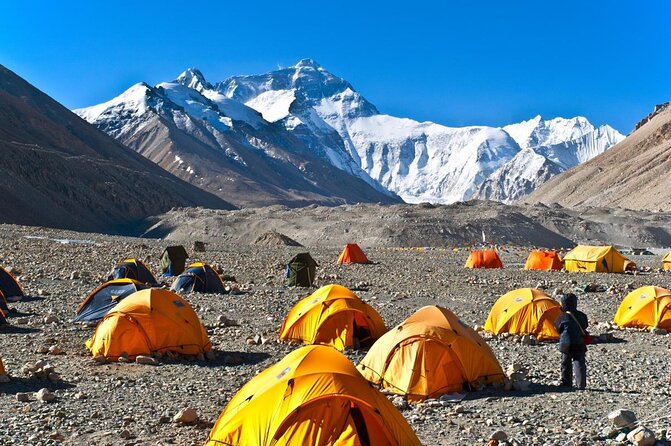
- Lukla flight included, so you are not trying to piece together transport on your own
- Gear is part of the package (down jacket, sleeping bag, walking pole), which simplifies packing
- Acclimatization is built in, including a hike to Everest View Hotel and a second acclimatization day near Dingboche
- Kala Patthar is the signature day, with a viewpoint at 5,550m before dropping back to lower altitude
- Guest houses and lodges with meals are included, helping you keep your trekking days predictable
- Government-licensed guide, plus tight day-by-day pacing and planning, which people repeatedly praise
Day 1-2: Lukla, Phakding, and the climb toward Namche Bazaar
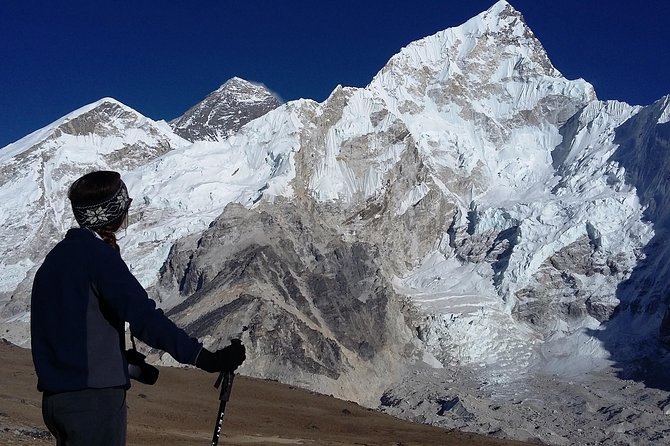
Day 1 starts with the Kathmandu to Lukla flight, about 40 minutes, followed by a trek to Phakding (2,652m). This is one of those days where you might feel like you are still getting organized, but it is also the first real taste of the rhythm: walk, breathe a little differently, then settle into a steady pace. You’ll be in guest houses or lodges each night, and breakfast, lunch, and dinner during the trek are included, so you do not have to make food decisions at every stop.
Day 2 is longer, about 6 to 7 hours, climbing from Phakding up to Namche Bazaar (3,440m). Namche is the gateway village in the Everest region, and it tends to feel like a hub. It is not just the elevation jump, it is the change in scale and the way the town supports trekking life. You’ll appreciate having Namche as a base because the next day is an acclimatization day, not another straight grind upward.
Practical tip: On Day 1, I like taking it slow right after the flight. That first day can trick you into thinking the trek is easy, then Day 2 reminds you you are climbing.
More ways to walk to Everest Base Camp:
- Everest Base Camp Helicopter Tour landing at Everest View Hotel
★ 5.0 · 668 reviews - Gokyo to Everest Base Camp Trek
★ 5.0 · 113 reviews - Everest Base Camp Trek
★ 5.0 · 97 reviews
Day 3: Acclimatization with the hike to Everest View Hotel
Day 3 is a classic acclimatization strategy. You stay in Namche and hike toward Everest View Hotel (around 3,900m), then return for the night. This kind of outing is valuable because it teaches your body how to handle the altitude without forcing the bigger push that comes later.
You get a controlled dose of effort, you practice breathing at higher elevation, and you start building confidence. Also, if you enjoy viewpoints that feel close to the Everest story, this is where you start catching that “oh wow, this is real” feeling.
One more thing I like: your guide typically sets expectations in the evenings. In reviews, people talk about getting an overview of the next day, which helps you sleep better and start smarter.
Day 4-5: Tengboche Gompa and the route onward to Dingboche
Day 4 moves from Namche to Tengboche (around 3,860m), about 5 to 6 hours. Tengboche is centered around Tengboche Gompa, an important religious site in the region. Even if you are not focused on religious architecture, the vibe is different here. It is a pause in the trekking flow, and it adds meaning to your walking days beyond “just getting higher.”
Day 5 continues from Tengboche to Dingboche (about 4,410m), again around 5 to 6 hours. Dingboche sits higher and it feels like another step up in the treks’ seriousness. You will start feeling that the later days are not just longer, they are also operating closer to where your body needs good pacing.
Possible drawback to plan for: these days are not short. If you are new to multi-day trekking, you will want to keep your pace controlled, not heroic. The itinerary is designed to progress, and it will work best if you follow that rhythm.
Day 6: The second acclimatization day near Nagarjun Hill
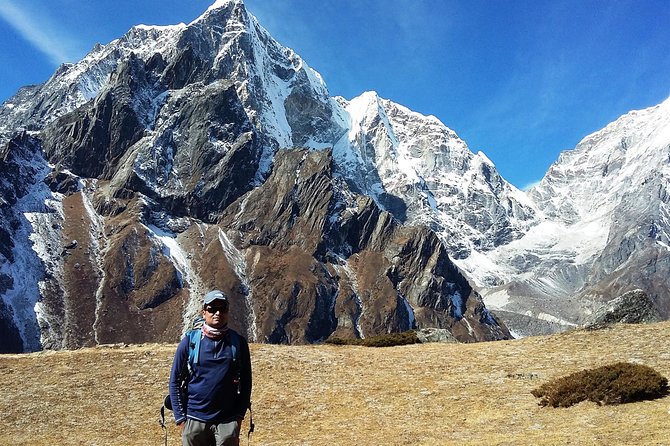
Day 6 is your acclimatization day, including a hike to Nagarjun hill (around 5,100m) over about 4 to 5 hours. This is the kind of day that can feel optional, but it is not. You are helping your body adjust, and you are also setting up the next stretch, which climbs toward Lobuche and eventually brings you to Everest Base Camp.
This day matters because after it, the walk gets into bigger altitude territory. Acclimatization days like this one can be the difference between feeling okay later and feeling wrecked.
What to expect: you will still have a steady schedule and included meals, so you can focus on walking well and resting. The route stays logical, you are not guessing what comes next.
More to compare around Kathmandu
- Kathmandu: 7 UNESCO Sites with Lunch
★ 4.8 · 744 reviews - Kathmandu: Local Women-Led Nepali Cooking & Momo Class
★ 4.9 · 360 reviews - Manaslu Circuit Trek
★ 5.0 · 292 reviews - Kathmandu: Food and Drink Walking Tour
★ 4.9 · 292 reviews
Day 7-8: Lobuche, Gorak Shep, and reaching Everest Base Camp
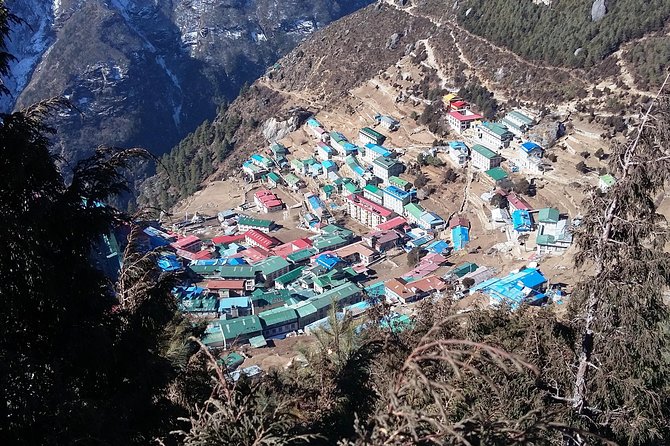
Day 7 goes from Dingboche to Lobuche (around 4,910m), about 4 to 5 hours. This is a shorter walking day in the middle of a longer plan, which is smart. It gives you time to adjust without pretending you can take every day at the same pace.
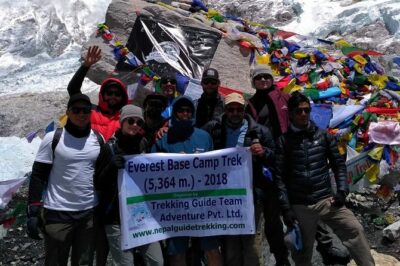
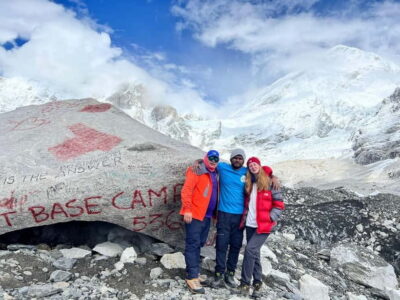
Day 8 is a big one. You move from Lobuche to Gorak Shep, then hike on to Everest Base Camp (5,320m). Expect roughly 7 to 8 hours. This is the emotional centerpiece day for most people. When you get to Everest Base Camp and the Khumbu Glacier, you are at the part of the story where expeditions begin.
This is also where I think the itinerary design really shines. You do not reach the Base Camp area without preparation. Two acclimatization days plus a steady staircase climb set you up to enjoy the moment, not just survive it.
Real-world note from reviews: organization and guide support show up repeatedly in feedback. People talk about how their guide explained what the next day would look like and could name mountains during the climb. That kind of guidance turns the day from a march into an experience you actually understand.
Day 9: Kala Patthar at 5,550m, then the descent toward Pheriche
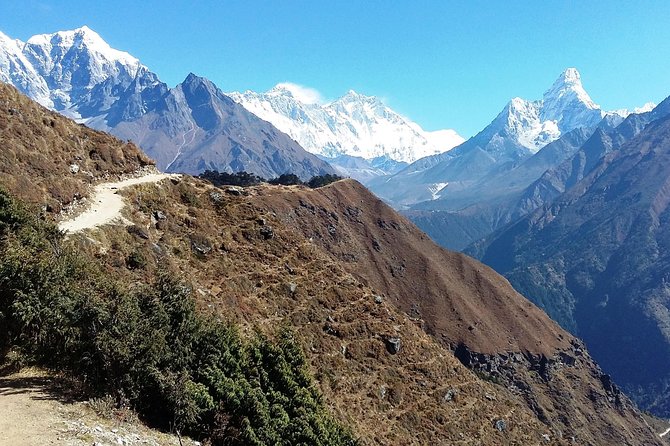
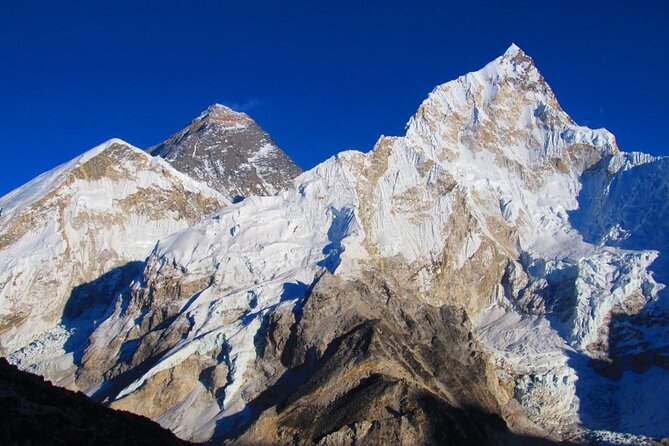
Day 9 is built around Kala Patthar (5,550m), then you continue to Pheriche (about 4,371m). It runs about 6 to 7 hours total for the day. Kala Patthar is the viewpoint that many trekkers plan for, because it delivers close views of Everest and a 360-degree panorama of the Khumbu mountains.
This is also a day where you feel the altitude in your legs. If you treat it like a sprint, you will pay for it later. If you treat it like a slow, steady climb, the view feels earned.
Then you drop down to Pheriche. That descent is not a loss of the experience, it is part of how you keep the trek sustainable. You give your body a chance to recover before the final loop back down.
Day 10-12: Pheriche to Namche, Namche to Lukla, and flying home
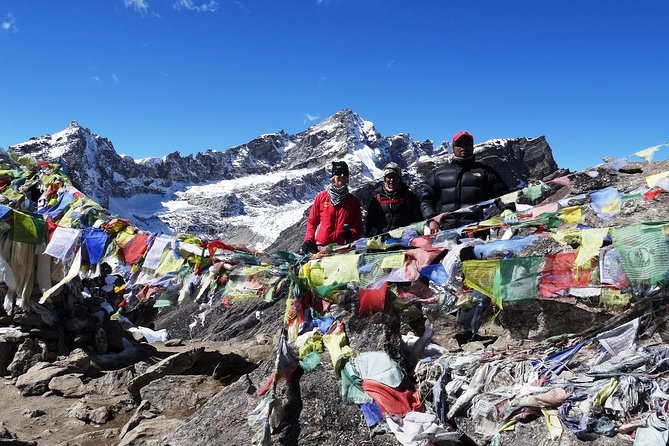
Day 10 goes from Pheriche to Namche Bazaar (about 3,440m), around 6 to 7 hours. This is a transition day. You are walking in thinner air less, and you start to feel like the trek is steering toward Kathmandu again.
Day 11 is the final big walking day: Namche Bazaar back down to Lukla, about 6 to 7 hours. When you reach Lukla, you are wrapping up the hardest part of the physical puzzle. Then you fly back to Kathmandu on Day 12.
If your head is spinning after reaching Namche earlier, that is normal. You are used to climbing, then suddenly you are using the same muscles in reverse. The included structure helps here because you are not improvising your route or timing.
One more practical thought: because the itinerary is fixed around included flights, do not treat the last days like a casual stroll. Pace yourself from Day 8 onward so you arrive ready to walk, then board.
Price and logistics: what $1,600 buys, and what it does not
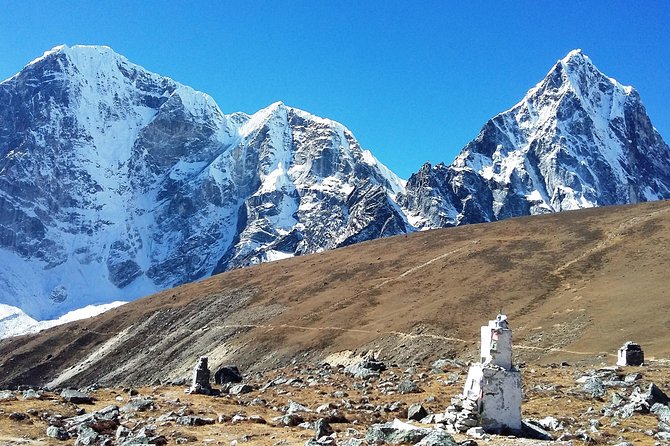
At $1,600 per person for 12 days, the value depends on what you would otherwise pay to assemble the trip on your own. Here, a lot of the heavy lifting is already covered.
Included costs you should factor in:
- Kathmandu or Ramechhap Airport pick up and drop off (sharing basis)
- Round-trip flight fare between Kathmandu (or Ramechhap) and Lukla
- Accommodation in twin sharing at guest houses or lodges
- Meals (breakfast, lunch, dinner) during the trek
- Highly experienced government-licensed guide
- Trek permits and fees
- Trekking map and trip achievement certificate
- Duffle bag, down jacket, sleeping bag, walking pole
- All government taxes, VAT, and office service charge
Not included items you should plan to budget for:
- Any Kathmandu services not listed above
- Rescue, helicopter flights, insurance, cancellation costs, evacuation for health emergencies
- Personal expenses like phone calls, internet, laundry, bar bills, hot shower, battery recharge
- Drinks (tea, coffee, hot chocolate, boiled water, bottle water, cola, beer)
- Tips for the trek crew
- Porter (if you want one)
My practical take: the included gear can meaningfully cut what you spend and reduces last-minute packing stress. The meals and lodges also help you avoid guessing costs day by day. The biggest money risk is personal spending plus drinks, because those add up quietly, especially when you are tired.
What the guide and team support really means on the trail
This trek is not just a route. It is a system, and you feel that in the daily flow. You get a highly experienced government-licensed guide, and the itinerary is paced for trekking with acclimatization stops rather than nonstop elevation gain.
In reviews, people repeatedly point to organization and communication. One common detail is that the guide gives you an overview of the next day in the evening. Another is that guides can point out peaks as you climb, naming mountains along the ascent. That makes the terrain less abstract and helps you understand what you are working toward.
Also, the package is run by Breakfree Adventures Pvt. Ltd., and past feedback praises the company’s ability to run the logistics smoothly and look after people during the trek.
A note on porters: your plan says a porter is available if needed, but it is not included automatically. In reviews, people mention porters positively, so if you think you might want extra help carrying loads, ask early. This is one of those decisions that can change how enjoyable the trek feels.
Should you book this 12-day Everest Base Camp trek?
Book it if you want:
- a well-structured 12-day Everest Base Camp plan with built-in acclimatization
- included meals, lodges, and gear, so you travel lighter and spend less time figuring stuff out
- a government-licensed guide and an organized pace, which matches the strongest praise from feedback
Think carefully if:
- you hate early starts or you might struggle with the peak-season Ramechhap switch, including the 5 to 6 hour drive or a 1 AM departure option
- you prefer private, door-to-door transfers, because pickup and drop-off are on a sharing basis
- you have not budgeted for drinks, tips, and personal expenses, since those are not included
If you are doing Everest Base Camp for the first time and you want a setup that is more “guided and planned” than “scramble and hope,” this trek makes a lot of sense.
FAQ
What is the duration and where does the trek start?
The trek runs for about 12 days. It starts in Kathmandu, with meeting time listed as 5:15 am.
How do you get to Lukla?
You fly to Lukla from Kathmandu as part of the trek, with the flight time listed as about 40 minutes on Day 1.
What happens to Lukla flights in peak season?
During peak seasons (March to May, and September to November), flights to Lukla operate from Ramechhap Airport due to high air traffic in Kathmandu. Ramechhap is a 5 to 6 hour drive from Kathmandu.
Do you need to travel to Ramechhap the day before?
You have two options: travel to Ramechhap the day before your flight and stay overnight, or depart from Kathmandu at 1 AM on the day of your flight.
Are pick up and drop off included?
Yes. Kathmandu or Ramechhap Airport pick up and drop off are included on a sharing basis as per the itinerary.
What kind of lodging and meals are included?
Accommodation during the trek is included at guest houses or lodges (twin sharing). Meals (breakfast, lunch, and dinner) during the trek are also included.
What equipment is included in the trek package?
The included items are a duffle bag, down jacket, sleeping bag, and walking pole.
What is not included, and is cancellation refundable?
Not included: rescue or helicopter flights, insurance, cancellation costs, personal expenses, drinks, tips for trek crew, and porter if needed. Free cancellation is offered, and you can cancel up to 24 hours in advance for a full refund.
Latest Kathmandu write-ups
- 16 Days Island Peak Climbing With Everest Base Camp Private Trip★ 5.0 · 3 reviews
- 15 Days Round Annapurna Trek with Poon Hill from Pokhara★ 5.0 · 5 reviews
- Private Nepal round trip including Ghorepani Poonhill trek★ 5.0 · 3 reviews
- Everest Base Camp Trekking 16 Days★ 4.0 · 7 reviews
- 14 Days Luxury Annapurna Base Camp Trek★ 5.0 · 6 reviews
- Everest Base Camp Trek★ 5.0 · 32 reviews
- Everest Base Camp Trek★ 5.0 · 87 reviews
- Everest Base Camp Trek★ 5.0 · 97 reviews
Everest Base Camp Trek, compared.
Everest Base Camp Helicopter Tour landing at Everest View Hotel
Read our review →
Everest Base Camp Trek 12 Days – Best Himalayan Adventure
Read our review →
Browse the lists this tour appears in