
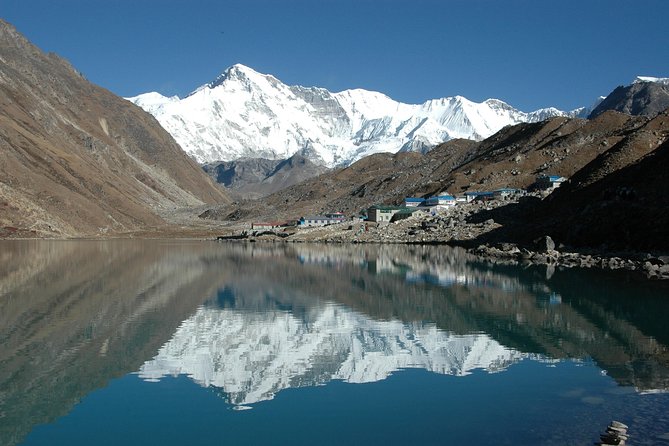
Reviewed · EVEREST BASE CAMP TREK
Everest Base camp Trek-12 days
The Everest Base Camp trek is interesting because it does something most bucket-list dreams need help with: it turns a big, intimidating mission into a clear, step-by-step route. I especially like the included Lukla flight logistics and the teahouse nights that take the daily decision-making off your plate. One consideration, though, is that you are still choosing a high-altitude, physically demanding trek, with real climbs like the steep push up toward Namche.
I also like that this is built around acclimatization, not just “keep walking and hope for the best.” You’ll trek higher on key days and sleep lower to help your body adapt. And if you care about service quality, this operator has a strong track record for responsive planning and hands-on guides, including people like Subash (owner), Ram Tamang, Basu, Suman, Shasi, and Tika mentioned in prior experiences.
Key things that make this Everest Base Camp trek work
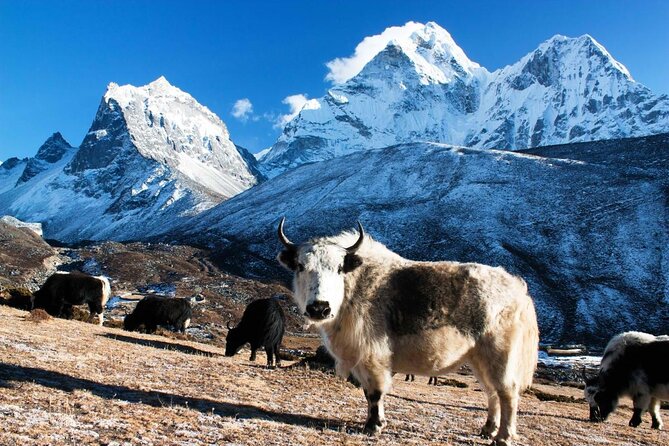
- Lukla flight thrill without the hassle, with round-trip air travel included
- Teahouse accommodation included during the trek, so you are not hunting lodging nightly
- Acclimatization days planned on purpose, including a hike above Dingboche
- National park fees and meals included, which helps the trek feel like a complete package
- Small-to-midsize group structure (max 26), making it feel social but not chaotic
- Guides who communicate clearly, plus fast answers from Subash while you are preparing
Kathmandu start, then straight into the mountains
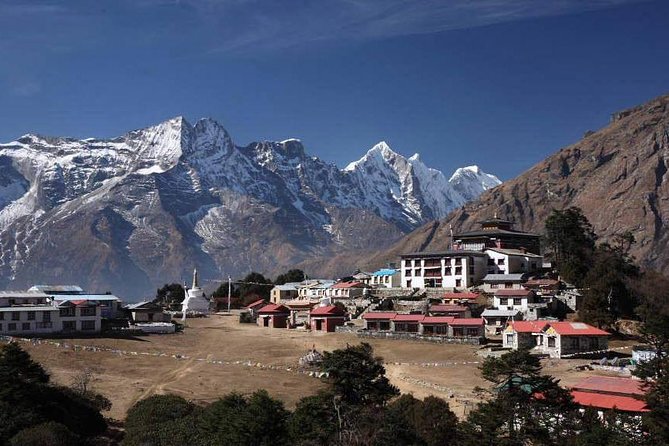
You begin in Kathmandu, with a start time of 6:00 am. The point is simple: you want daylight and a calm mind before the travel day eats your energy. On the trek side, the goal here is to shift from city pace to mountain pace quickly, without having to research every transfer yourself.
This tour also signals it is organized for real trekkers. You get a pickup offered option (so you are not scrambling for the airport route), and you use a mobile ticket, which is handy when your brain is already focused on packing and altitude.
What this means for you: you can spend your Kathmandu time doing the right prep stuff, like getting any last gear, arranging cash, and staying hydrated, instead of turning your trip into an admin project.
More ways to walk to Everest Base Camp:
- Everest Base Camp Trek – 14 Days
★ 5.0 · 1,499 reviews - Everest Base Camp Trek
★ 5.0 · 842 reviews - Everest Base Camp Helicopter Tour landing at Everest View Hotel
★ 5.0 · 668 reviews
Lukla flight and the first walking days: letting your legs find the rhythm
The early highlight is flying from Kathmandu to Lukla, with a flight time of about 40 to 45 minutes. This flight is famous for a reason. The landing near narrow airstrips feels intense, and it sets the tone for the whole trek.
Once you land, you start walking from the Lukla area toward Monzo and then down toward the Dudh Kosi River. On this first major trekking day you’re looking at about 5 to 6 hours, roughly 10 kilometers, and a maximum altitude of 2804 meters. The Dudh Kosi detail matters: the river’s water is described as chalky, coming from glacier-fed sources. It is one of those small sensory facts that makes the trail feel real right away.
Next, you follow the river trail to Phakding. This portion is not meant to crush you. It’s more about finding cadence, learning how your body reacts to sustained walking, and getting used to the teahouse rhythm that you’ll repeat for days.
You should like this section if you want early momentum. It’s easy to feel motivated here because the views start showing up even before you reach the bigger climbs.
Namche climb and Sagarmatha National Park: the first real altitude lesson
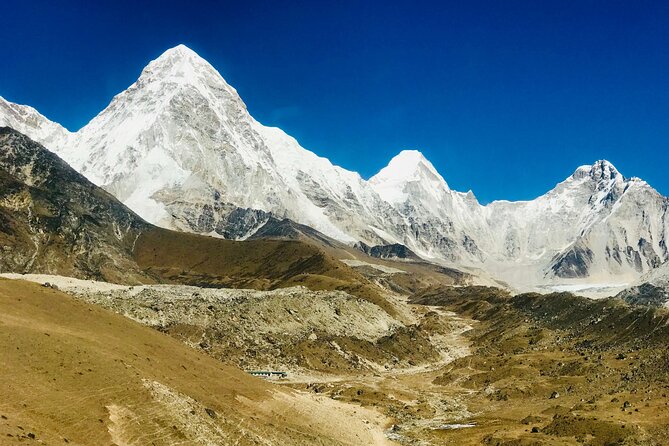
Day 3 is where the trek starts teaching you patience. You move from Monzo toward Jorasele, and then you get the steep push that leads you up to Namche. On paper, the trek time listed is 3 to 4 hours with a distance of about 4 kilometers, and the max altitude reaches 3445 meters. In real life, it feels like the “time up” is less important than the steepness and ruggedness of the trail.
You’ll pass through rhododendron forest and you get to see how the trail enters Sagarmatha National Park, a UNESCO World Heritage Site. That matters because it’s not just scenery. You’re walking through a protected zone with a long, living connection to Sherpa communities and mountain life.
A nice touch built into the pace is that you’re not rushed through everything. There’s a short break in Jorasele, then you work your way toward Namche, including crossing the Khumbu River area. The description of Khumbu River water as clean blue helps set the tone: even when you are working hard, the trail gives you visuals worth pausing for.
This is also the day where you learn your best trekking strategy. Go slow. Let the air do the hard work. If you try to “walk like flat terrain,” altitude will remind you quickly.
Acclimatization with views: Everest View Hotel, Khunde, and Khumjung
Day 4 is an acclimatization and exploration day, and it is planned the way you want an acclimatization day planned. You’ll trek high and sleep low, which is specifically mentioned as the approach for this trip. You climb above Namche toward the Everest View Hotel, and you also connect with villages like Khunde and Khumjung.
The trek time listed is 2 to 3 hours with about 800 meters of movement, and the max altitude is around 3440 meters. That’s the right kind of “work without overdoing it” day. You get activity, you get breath awareness, and you still have energy for the next big push.
One of the best reasons to like this day is the Sherpa context. You’ll see Khunde described as a large Sherpa village, then move toward Khumjung, which is described as wealthier with good houses. From Khumjung, you get views of Mt. Ama Dablam, and the walk to the Everest View Hotel is framed around the best Everest-region views.
Practical tip: take your breaks early, not late. Stop before you feel wrecked. Your photos will be better and your legs will feel better.
More to compare around Kathmandu
- Private Kathmandu Sightseeing Tour | UNESCO World Heritage sites
★ 5.0 · 756 reviews - Kathmandu: 7 UNESCO Sites with Lunch
★ 4.8 · 744 reviews - Half day cooking class in Thamel kathmandu
★ 5.0 · 607 reviews - Everest Base Camp Trekking
★ 5.0 · 485 reviews
Tengboche day and the Mongla Pass: where the trail turns scenic and serious
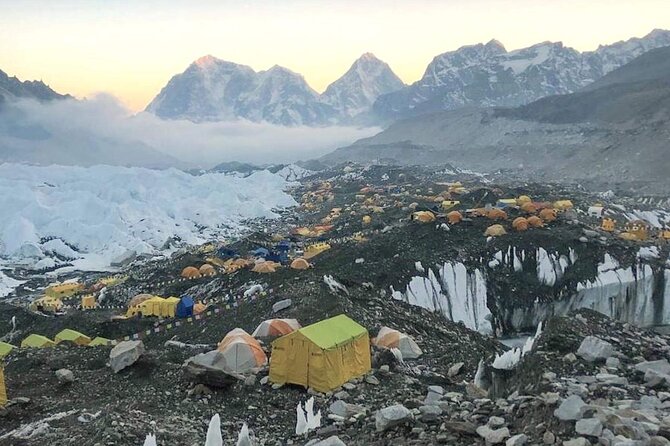
Day 5 is one of the classic “wow you’re really here” days. You leave Namche Bazaar early and head toward Tengboche, with a max altitude of 3975 meters. The trek is listed at 5 to 6 hours and about 9.5 kilometers, and you’ll hit Mongla Pass at 3975 meters.
The trail details matter here. You walk along contours, cross stone steps, and pass Buddhist monuments like gompas and stupas. This is where the trek feels like more than a hike. It’s cultural geography, tied to the monasteries and daily mountain life.
You’ll also get strong Ama Dablam views mentioned in the route description, plus a descent toward the Dudh Koshi River before climbing again toward Tengboche Villa. The push-pull pattern is typical for this region. It’s not just one long “up.” It’s rhythm, short steep sections, and constant altitude management.
A drawback for some people: this day combines scenery with a pass crossing. It’s beautiful, but it’s still a real workout. If you want an “easy scenic day,” this is not it.
Through alpine forests to 4350 meters: villages, ridges, and mountain faces
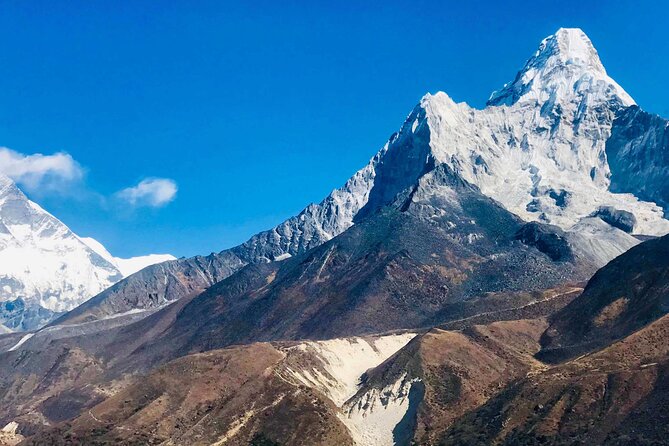
Day 6 takes you higher, to a max altitude of about 4350 meters, with a trek time of 5 to 6 hours and around 11 kilometers. You’ll trek through lush alpine forests, then pass several villages. The route description emphasizes villagers being cheerful and ready to help, which is something you’ll feel in how the tea house and trail interactions go.
The day’s character is the combination of forest descent, followed by uphill. It begins with a descent through rhododendron forests, then ascends through birch, conifer, and rhododendron. You’ll also pass the Khumbila Khola valley and rise toward a ridge line.
Then the peaks arrive in a bigger way, with mentions of Mt. Taboche, Mt. Nuptse, and Mt. Cholatse. That’s one reason Day 6 is a keeper. You’re not only gaining altitude. You’re getting a wider “mountain map” in front of you.
Dingboche acclimatization hike to Nangkartshang: a smart break day
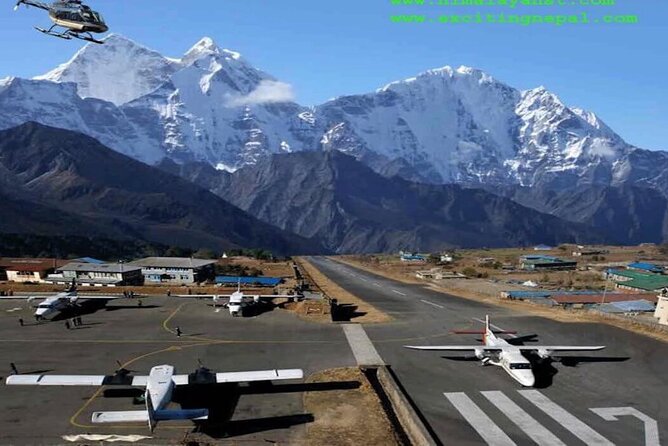
Day 7 is another acclimatization day. You hike to Nangkartshang peak just above Dingboche. It’s described as an excellent viewpoint, especially for Ama Dablam when the weather is clear.
Unlike a pure rest day, this day still gives you a mission: go up a bit, look out, and return with your body learning the altitude lesson. If you do it too fast, you’ll pay for it later. The goal is steady effort and short breaks.
In the afternoon, you can stroll around Dingboche or rest, which is valuable because the next day trends higher.
Up to nearly 5000 meters: Dusa area and the big valley feel
Day 8 runs to a max altitude of 4950 meters, with about 5 hours of walking and 11 kilometers. After breakfast in Dingboche, the trail begins with broad views and then narrows as you approach Dusa.
You’ll pass the campsite of the first successful Everest expedition, which adds a sense of historic gravity without turning the trek into a lecture. You’ll continue with Mt. Pumori views until the trail descends and curves. There’s a stream crossing and then you ascend to Duglha, where prayer flags are mentioned.
This is a day where you’ll notice how the trail becomes less “just a path” and more “a corridor between big walls.” That can be tiring, but it’s also why Everest-region treks hit so hard emotionally when the weather cooperates.
Gorak Shep and Everest Base Camp at 5364 meters: the moment you came for
Day 9 is the culmination. You move toward Gorak Shep, with a max altitude of 5364 meters, and a long walking day listed at 7 to 8 hours and about 15 kilometers.
You’ll catch first views of the Khumbu Glacier along the way. The route has gradual ups and downs at first, then becomes rough near Gorak Shep. You’ll walk over a large rock area with ups and downs, and the guidance is to move slowly to avoid altitude sickness issues.
Finally, you reach Everest Base Camp at 5364 meters. The reaction here is described as mixed feelings of physical intensity and emotional impact. I like how this trek frames it, because Base Camp is not a victory lap. It’s a threshold. You’ll feel exposed, cold, and small, and that’s part of the point.
If the weather is clear, the views of the Khumbu Icefall are a highlight here. If it’s cloudy, you still get the feeling of arrival because the air and the space change.
Kala Pathar sunrise hike: best views, early start, and cold reality
Day 10 is early. You start very early and hike 3 to 4 hours to Kala Pathar, which is described as the best viewpoint of Mt. Everest, Khumbu Glacier, and Khumbu Icefall.
When the weather is clear, the sunrise view is described as magical, with the Himalayan ranges glowing at first light. It’s also described as a 360-degree panorama, which is the kind of payoff you build a trek around.
This is also where you learn what “cold morning trekking” means. You might not want to move at first, but once you start, it’s a steady climb to a payoff that you will remember.
The descent back toward Namche: learn to hike down without punishing your knees
Day 11 is your descent. You leave the high region behind and walk through Pangboche and Tengboche, continuing to Namche Bazaar in the afternoon.
Day 11 is not listed with a max altitude in the data you provided, but the description signals a full “go downhill, keep control” kind of day. You’re still in the mountains, so legs fatigue, but at least the air feels kinder than the Base Camp zone.
This is a good day to slow down and watch your footing. Descents can be harder than they look, especially if you get excited and stride too fast.
Lukla return day: suspension bridges over Dudh Kosi and the last villages
Day 12 brings you back toward Lukla. You walk from Manjoo to Lukla, following the route through Benkar, Phakding, and Lukla. The trek distance listed is 10 kilometers, and the max altitude is 2840 meters.
You’ll cross multiple suspension bridges over the Dudh Koshi River. That bridge rhythm is a fun contrast after days on continuous paths. You’ll also see small Sherpa settlements along the way, and you finish in Lukla, described as busy with tea houses and shops.
This day feels like a “slow goodbye” because your body is tired, but your mind is watching the map of where you’ve been.
Fly back to Kathmandu: window seat payoff
Day 13 is the final leg. You take an early morning flight from Lukla to Kathmandu. The flight is short, and the data mentions getting a window seat for an aerial view of the entire region.
That wrap-up matters. It helps you connect every day of walking with the big picture, so the whole trip feels like one story instead of ten separate effort days.
What the included price really covers, and what it does not
The price is $1,400 per person for a trek of roughly 13 days. For this kind of region, the value comes from what you do not have to arrange yourself.
Included items you feel on the ground:
- Flights to Lukla and back, plus all arrival and departure logistics
- Teahouse accommodation during the trek
- National park fees
- Meals: 12 breakfasts, 11 lunches, 11 dinners
- Gear such as sleeping bags and down jackets
- Normal medical kits, plus seasonal fruits
That gear piece can be a big deal. If you do not want to buy a down jacket or source a sleeping bag, included equipment is money you don’t have to spend later.
Not included, so you should plan ahead:
- personal items like alcoholic drinks, cold drinks, laundry
- porter if you need one
One more value note from the experiences shared through previous trips: the operator is known for responsive communication and quick help during planning. People have mentioned getting fast answers from Subash and having guides who keep you informed daily. That matters because in the Everest region, clear communication reduces stress.
Who this trek is best for, and who should reconsider
This is best for moderately fit hikers with hiking experience. The route climbs repeatedly, includes steep and rugged sections, reaches high altitudes like 5364 meters, and uses passes plus early starts.
You should strongly consider this trek if you:
- want an economical group trek without cutting corners on basics
- enjoy group pacing, clear guidance, and daily structure
- want teahouse comfort in a controlled plan, not wild camping logistics
You might want to reconsider if:
- you are not comfortable with strenuous days and altitude adaptation
- you expect an easy walk with minimal climbs
- you want full control of every tea house decision (group treks reduce that freedom)
Also, note the group size cap of 26. It is not huge, but it is still a group setting. If you love solitude all day, you may feel the presence of others more often than you’d like.
Should you book this Everest Base Camp trek?
Yes, if you want Everest Base Camp without turning your trip into a logistics puzzle. The biggest wins for me are the included Lukla flights, the teahouse stays, and the way the schedule builds in acclimatization rather than just stacking climbs. Guides like Ram Tamang, Basu, Suman, Shasi, and Tika are all mentioned in past experiences, and the repeated theme is clear communication and day-to-day care.
Book with confidence if your health is solid and you train enough to hike uphill for hours. The altitude is real, and you should respect it. If you do, this trek gives you the full Everest-region experience, from chalky glacier-fed river valleys to the wide cold view from Kala Pathar.
If you want, tell me your hiking background, your age range, and your planned month of travel. I can suggest what to prioritize for training and packing around this route’s altitude pattern.
FAQ
What is the duration of the Everest Base Camp trek?
The trek is listed as 13 days (approx.) with an Everest Base Camp trekking focus across about 12 trek days plus travel days.
Where does the tour start and where does it end?
You start in Kathmandu, Nepal. The trek ends with an early flight from Lukla to Kathmandu.
Does this tour include flights to Lukla?
Yes. Flight to Lukla and Back is included, and the Kathmandu to Lukla flight is about 40 to 45 minutes.
Are teahouse accommodations included?
Yes. Teahouse accommodation during the trek is included.
What equipment is included for the trek?
Included gear includes sleeping bags and down jackets.
How many meals are included?
Meals are included as 12 breakfasts, 11 lunches, and 11 dinners.
What is the group size?
The maximum group size is 26 travelers.
What is not included in the price?
Not included are personal items such as alcoholic drinks, cold drinks, and laundry, and a porter if you need one.
Is cancellation affected by weather?
The experience requires good weather. If canceled due to poor weather, you will be offered a different date or a full refund.
Latest Kathmandu write-ups
- Langtang Valley Trek★ 5.0 · 3 reviews
- Khopra Danda Trek★ 5.0 · 3 reviews
- Langtang Valley Trek from Kathmandu★ 5.0 · 3 reviews
- 5 night / 6 days Kathmandu Nagarkot Chitwan Pokhara tour★ 5.0 · 3 reviews
- Nepal Highlights Tour: 5 Nights 6 Days Kathmandu & Pokhara Tour★ 5.0 · 3 reviews
- Kathmandu Valley Private Day Tour★ 5.0 · 3 reviews
- Conquer the Himalayas: The Ultimate 16-Day Annapurna Circuit Trek★ 3.5 · 3 reviews
- Kathmandu Heritage Day Tour★ 5.0 · 3 reviews
Everest Base Camp Trek, compared.



Everest Base Camp Helicopter Tour landing at Everest View Hotel
Read our review →


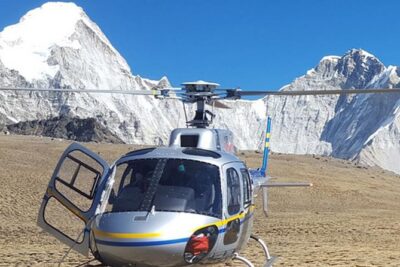
Everest Base Camp Helicopter Tour landing at Hotel Everest View
Read our review →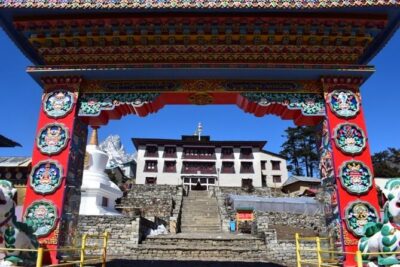
Browse the lists this tour appears in