
Reviewed · EVEREST BASE CAMP TREK
Everest Base Camp Trek
What makes the Everest Base Camp Trek so interesting is the mix of real altitude work and small, everyday Sherpa life along the route. I love that the trip includes a licensed, English-speaking guide plus support at altitude with an oxymeter, and I love that you get full board with meals and accommodations handled for you.
The main drawback to think about up front is that you are climbing into serious elevation, and you are also depending on weather for the Lukla flights. If conditions get rough, the plan can slow down, and you need to be ready for that mental and physical reality.
Key things that matter most on this Everest Base Camp trek
- Licensed guide and altitude monitoring: You get a guide plus first aid, and even an oxymeter to check oxygen saturation at higher elevations.
- Permits and fees handled: Sagarmatha National Park and Khumbu Pashang Lhamu Rural Municipality fees, plus the key entry permits tied to the route.
- Borrowed cold-weather gear: Down jacket and sleeping bag are included, so you do not need to buy expensive gear before you go.
- Acclimatization built into the route: You have a real buffer day in Namche and another acclimatization day in the Dingboche and Chhukung area.
- Lukla flights via Ramechhap: Domestic flights are included with transfers and taxes, but weather can still affect timing.
- Owner-led support you might feel early: The company owner, Khum, is described as meeting guests in Kathmandu and helping make tricky logistics feel manageable.
Kathmandu warm-up: airport pickup and getting your feet under you
Your trek starts with a proper arrival setup. You are met at Kathmandu International Airport and transferred to a hotel, then guided through what comes next.
I like that this is not a hand-off-and-good-luck system. The program is set up so you can ask questions before you leave town, and the owner Khum is often the person people connect with early. In past experiences, that welcome has included very personal touches like meeting at the airport with garlands, and quick support with what to pack and what not to.
One practical note, Kathmandu days are your last easy oxygen day. Use this time to sleep, hydrate, and keep plans simple.
More ways to walk to Everest Base Camp:
- Everest Base Camp Trek – 14 Days
★ 5.0 · 1,499 reviews - Everest Base Camp Trek
★ 5.0 · 842 reviews - Everest Base Camp Helicopter Tour landing at Everest View Hotel
★ 5.0 · 668 reviews
Lukla flight and the gentle start through Phakding
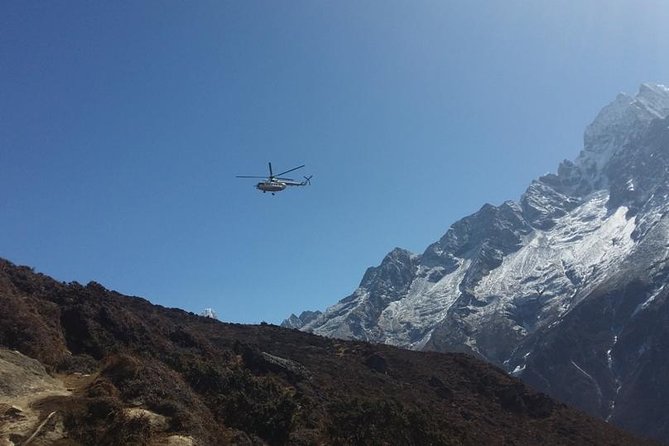
After your Kathmandu prep, you connect to the airport for your short flight up to Lukla. The flight portion is about 30 minutes, and the trek immediately begins with a gentle walk along the river and paved footpaths.
Your first real night stop in the trekking phase is Phakding at about 2,610m. The area is described as a pretty village with teahouses and scattered green conifers, and the trail design keeps things manageable while your body adjusts.
This is a good place to get your trekking rhythm. Keep your pace comfortable, let your lungs catch up, and save effort for later climbs.
Monjo permits and the uphill grind to Namche Bazaar
From Phakding, the route pushes to Monjo, another Sherpa settlement on the classic line into the Khumbu region. This is where you officially enter Sagarmatha National Park and show the permits you need, including the SNP entry permit and a TIMS card.
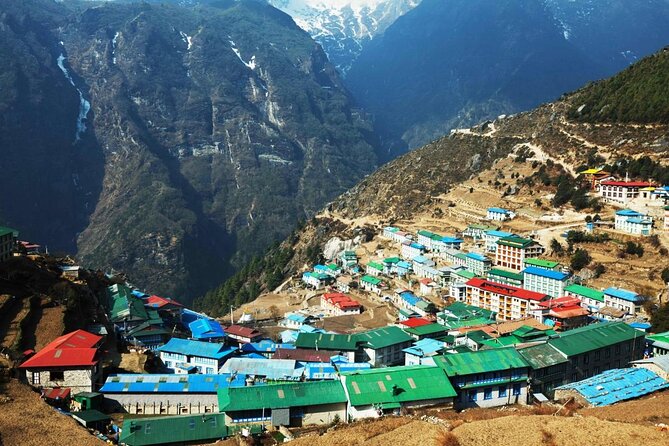
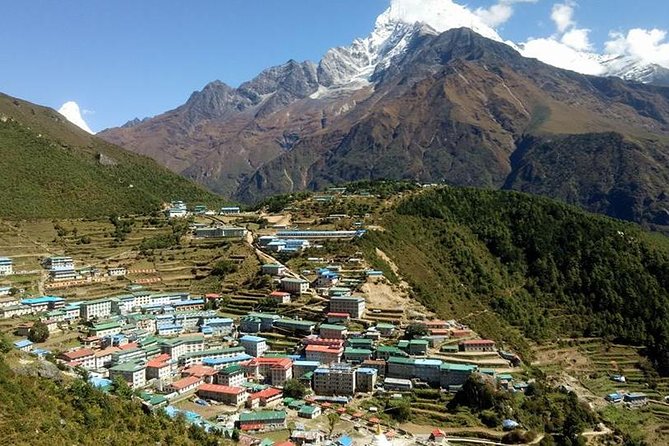
Then comes the big uphill day: you work your way to Namche Bazaar with a tough climb of roughly 590m over about 5 hours. The reward is fast, because halfway up you can spot Everest and Lhotse for the first time.
Along the way, you also get a better sense of the area’s geometry. As you approach Namche, nearby peaks like Thamserku and Kwangde appear, and Khumbila (5,707m) is part of the sacred backdrop you start to learn.
Namche acclimatization: choosing Khumjung, Thame, or Shyanboche views
You stay two days in Namche Bazaar, and that matters. This trek is built around altitude tolerance, and Namche is where you give your body time to adapt before the route gets serious.
In Namche, you can shape your day a bit:
- You can hike to Khumjung for a local school and hospital visit.
- You can head toward Thame to connect with Sherpa Everest history, including ties to Tenzing Norgay.
- Or you can go to Shyanboche (about 3,720m) for the airstrip area and the Everest View Hotel.
That last option comes with a caution. The Everest View Hotel sits at nearly 4,000m, and many people struggle with altitude there, so treat it as a choose-your-own-risk day. If you feel even slightly off on your acclimatization day, keep it simple.
This is also where you start noticing Sherpa culture as something living, not museum-style. Tea houses, gompas, and everyday village rhythms turn the trail into a social experience.
More to compare around Kathmandu
- Private Kathmandu Sightseeing Tour | UNESCO World Heritage sites
★ 5.0 · 756 reviews - Kathmandu: 7 UNESCO Sites with Lunch
★ 4.8 · 744 reviews - Half day cooking class in Thamel kathmandu
★ 5.0 · 607 reviews - Everest Base Camp Trekking
★ 5.0 · 485 reviews
Tengboche monastery day: chants, steep valleys, and big views
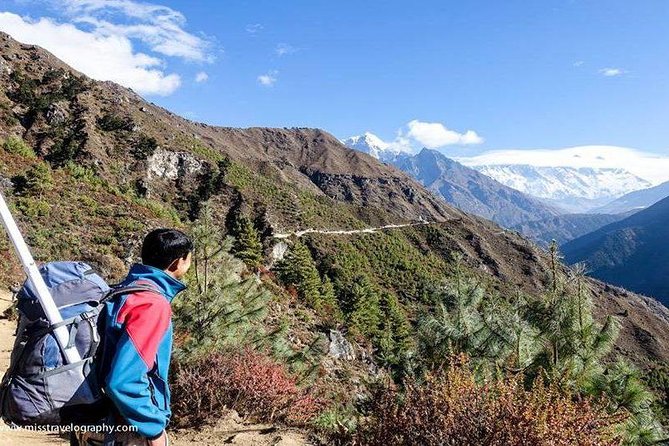
Next up is the Tengboche area, centered around the main Tibetan monastery in the region. The route has you descend briefly back toward the Dudh Koshi at about 3,550m, then climb to Tyangboche around 3,870m.
The payoff is exactly what people dream about from this trek: views that feel almost too close, including Everest, Thamserku, Amadablam (Amadablam is often spelled that way here), and the valley below. And the monastery itself is not just a stop sign. You can enter and listen to monks chanting and working through their mantras.
Keep your expectations realistic on the physical side. Even though the schedule is not the longest, it is still a meaningful height shift, so your pace should stay cautious.
Dingboche, Pangboche, and Chhukung: slow altitude wins
As you leave Tengboche, the route follows the Imja Khola valley through wooded forest. The trail contours gradually toward Pangboche, including time at an older gompa site above the main village.
Then you climb up to Dingboche at about 4,360m. From there, views of Amadablam and Island Peak get described as breathtaking, and that sense of scale is part of why this route feels so “real.”
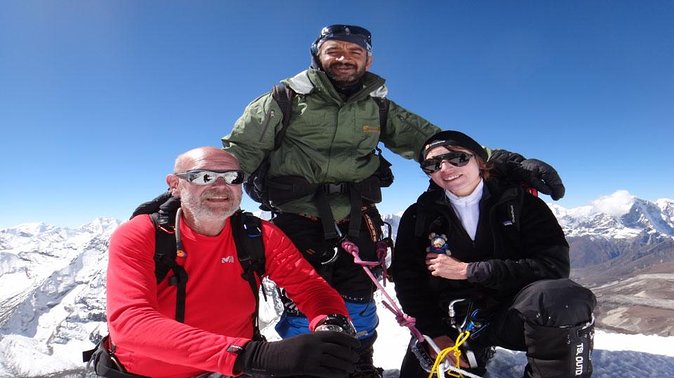
You also get another acclimatization day in the region, and you can hike to Chhukung for the sweeping scenery. Chhukung is described as offering magnificent views that include Makalu, Island Peak, and Peak 38. If you prefer to keep it light, there are alternative hikes too, like toward Nangkartshang Peak.
This is a strong stretch for people who want to understand the mountains by angles and ridgelines. It is less about a single wow moment and more about slowly watching the whole high wall of the Himalaya arrange itself in front of you.
Lobuche to Gorakhshep: moving into the glacier-zone feel
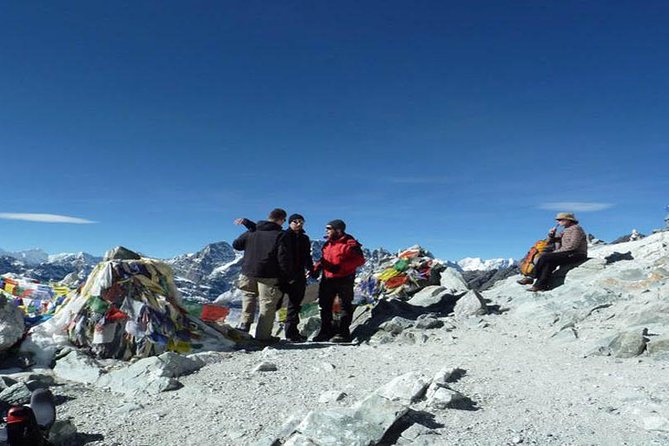
As you head toward Lobuche, the valley becomes more barren. The trail is still scenic, but it shifts character: more rocks, more starkness, and a bigger focus on dramatic, snow-capped peaks towering overhead.
On this day, you will see the route join near the trail below Thugla, and you can spot Cholatse across the valley. The path can get quite rocky in places, so watch your footing instead of chasing speed.
Then you push toward Gorakhshep, where you can stop for lunch. After that, the trek continues to Everest Base Camp at about 5,400m.
The glacier-zone feeling is hard to describe until you experience it. Your eyes start working differently, you feel the cold more, and the whole day turns into careful steps.
Everest Base Camp and Kala Patthar: the view that earns the pain
Reaching Everest Base Camp is described as a lifelong dream for many people, and it makes sense. Even though the base camp is at 5,400m, it is not only about spotting Everest straight on.
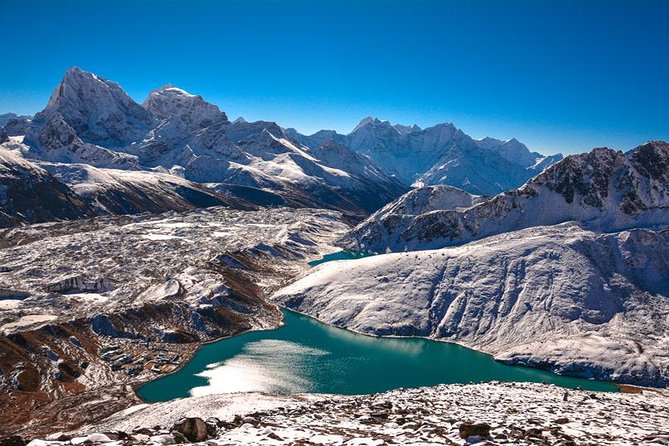
From Base Camp, your attention often shifts to the surrounding giants, including Khubutse, Pumori, Changtse, and the Khumbu Icefall. So you get a broader “Everest region” experience instead of a single mountain photo.
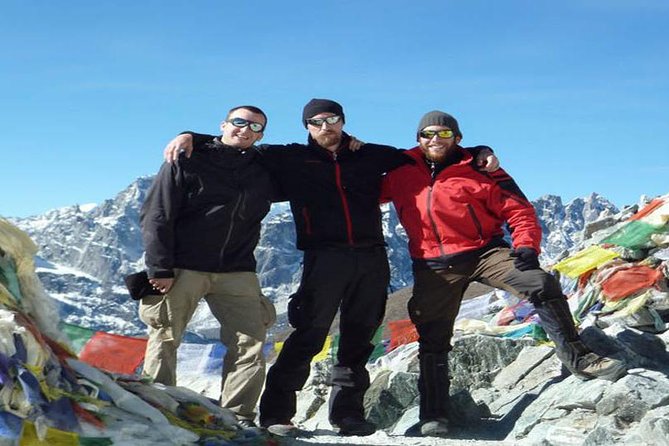
Then comes the big viewpoint day: the ascent of Kalapatthar, often called Black Rock. At the top, the view is described as 360 degrees, with a long list of major peaks that can include Pumori, Everest, Lhotse, Changtse, Nuptse, and more.
After the peak moment, you descend and return back through Pheriche and retrace steps toward Lukla. This is where tiredness hits most people. Even the review stories tied to this route include mentions of exhaustion and the fact that a helicopter transfer can be a preferred fix when available.
Heading back down: Pangboche, forests, suspension bridge, and Lukla night
The return journey is not just walking backward. You spend time re-connecting with parts of the Khumbu region you saw earlier, and that makes it feel familiar in a helpful way.
You pass Tengboche via Pangboche again, and you move through rhododendron forest. You also cross Imja Khola and meet monasteries on the way, then continue through pine forest and across the Dudh Koshi River sections.
Important village stops on the way include Phungi Tenga, Sansa, and Kyanhjuma before you end the day in Namche Bazaar again.
Then you head for Lukla via the famous Tenzing and Hillary suspension bridge. This is a good day to keep your motivation steady. The altitude is still real, but the trail feels more like returning home than climbing deeper into the unknown.
Fly back to Kathmandu and use your last day in the city well
When you get back to Lukla, you take an early morning flight back to Kathmandu. The description here includes flying over the clouds and getting a mesmerizing view of the Khumbu region, which is a neat way to end the big mountain focus without more hiking.
Back in Kathmandu, you check into your hotel and get the rest of the day to relax or explore. This program also gives you freedom on your final full day, and it is a smart move because Kathmandu is where you can switch gears.
If you want a classic mix, you can organize visits to UNESCO heritage spots like Pashupatinath, Swoyambhunath, and Bouddhanath, plus Baktapur Durbar Square. If you prefer shopping and easy wandering, Thamel is the natural choice for souvenirs.
What $1,690 really buys you on this Everest Base Camp trek
The price looks like a chunk, but a lot is wrapped into it. At this level, you are not just paying for a guide and some nights in the mountains.
What is included:
- A licensed English-speaking guide with insurance and equipment support, plus first aid kit and an oxymeter for altitude checks.
- Food during the trek with full board, including breakfast, lunch, and dinner.
- Kathmandu hotel accommodation plus guesthouse stays during the trek.
- All necessary permits, including Sagarmatha National Park entry and Khumbu Pashang Lhamu Rural Municipality fee.
- Borrowed trekking gear like sleeping bag, duffel bag, and down jacket.
- Domestic flights with taxes and transfers, Kathmandu or Ramechhap to Lukla and back.
- Airport pickup and drop off in Kathmandu.
- Help with rescue and evacuation arrangements if things go wrong.
What is not included:
- A visa to Nepal and your international flights.
- Travel insurance for helicopter evacuation if needed while trekking.
- Porters to carry your luggage, though you can add one for an extra cost.
- Personal expenses like laundry and calls.
- Tips for your guide, porter, and driver, which are recommended.
My value take: the biggest savings are usually the domestic flight planning and the permits, plus the included gear. If you would otherwise pay for those separately, this package format can look more reasonable fast.
Gear and packing that keeps you comfortable at night
You do not need to buy everything for cold weather. The program includes a down jacket and sleeping bag for the trek, plus a duffel bag.
That said, you still need to be smart about layering. Nights at elevation can feel cold even when days are sunny, and the oxymeter and first aid kit are there for monitoring, not comfort.
Vegetarian food is available if you tell the operator during booking. That is helpful because high-altitude menus can be limited, and you do not want to discover dietary issues after you are already climbing.
If you want to move easier, add a porter option when booking. You will still walk, but a lighter load often makes the later days feel less punishing.
Safety, weather, and what can change when flying to Lukla
This trip requires good weather. Domestic flights depend on it, and Lukla is known for cloud and fog challenges.
The good news is that the program includes worst case help with rescue and evacuation arrangements. Also, the company owner Khum is described as helping with logistics tied to unplanned helicopter flights when closures happen, including support like setting up deposits in the office in Kathmandu.
Still, bring your own travel insurance. The data here is explicit that helicopter evacuation insurance is not included, so plan that before you go.
On the trekking side, let your guide lead the pacing. The route is demanding partly because it forces you to climb, not because every day is a marathon.
Should you book this Everest Base Camp trek?
Book it if you want a classic, structured Everest Base Camp route with permits, domestic flights, full board, and borrowed cold-weather gear handled for you. This is a strong fit for people with moderate physical fitness who are ready to work steadily at high altitude.
Skip it or at least ask more questions before booking if you want a laid-back vacation pace. You are going up to Everest Base Camp around 5,400m and doing the Kala Patthar viewpoint push, and the program expects you to manage that.
If you do book, my best practical advice is simple: plan for weather, move slowly on acclimatization days, and treat the included guide support as part of the experience, not a checkbox.
FAQ
Do I need a visa and international flights for this trek?
Yes. A visa to Nepal is not included, and your international flights to and from Nepal are also not included.
Are permits included for Sagarmatha and the Khumbu area?
Yes. The trip includes all necessary trekking permits, including Sagarmatha National Park and the Khumbu Pashang Lhamu Rural Municipality fee.
Is food and accommodation included during the trek?
Yes. The trek includes hotel accommodation in Kathmandu and guesthouse accommodation during the trek, plus full board with breakfast, lunch, and dinner.
What gear is included for cold weather?
You can borrow a sleeping bag, duffel bag, and down jacket through the program.
Can I add a porter for my luggage?
Yes. Porters to carry luggage can be booked at an extra cost.
What is the cancellation policy if weather affects the trip?
You can cancel for a full refund if you cancel up to 24 hours in advance. If the experience is canceled due to poor weather, you will be offered a different date or a full refund.
Latest Kathmandu write-ups
- Langtang Valley Trek★ 5.0 · 3 reviews
- Khopra Danda Trek★ 5.0 · 3 reviews
- Langtang Valley Trek from Kathmandu★ 5.0 · 3 reviews
- 5 night / 6 days Kathmandu Nagarkot Chitwan Pokhara tour★ 5.0 · 3 reviews
- Nepal Highlights Tour: 5 Nights 6 Days Kathmandu & Pokhara Tour★ 5.0 · 3 reviews
- Kathmandu Valley Private Day Tour★ 5.0 · 3 reviews
- Conquer the Himalayas: The Ultimate 16-Day Annapurna Circuit Trek★ 3.5 · 3 reviews
- Kathmandu Heritage Day Tour★ 5.0 · 3 reviews
Everest Base Camp Trek, compared.



Everest Base Camp Helicopter Tour landing at Everest View Hotel
Read our review →



Everest Base Camp Helicopter Tour landing at Hotel Everest View
Read our review →
Browse the lists this tour appears in