
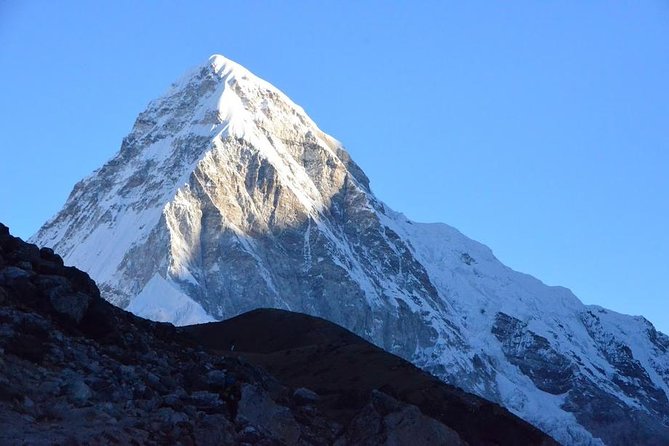
Reviewed · EVEREST BASE CAMP TREK
Everest Base Camp trek- 13 Days
Everest Base Camp is interesting on its own, but this version adds a real hook right at the start: the Kathmandu to Lukla flight. It is short, but it feels like you are stepping into the mountains before you even begin walking. I also love the full support built into the trek, with an English-speaking licensed guide and a porter for every two people, so you can focus on altitude, pacing, and enjoying the Sherpa villages.
The main drawback to think about is comfort. You sleep in basic tea houses where toilets and bathrooms are outside, and drinks are not included, so budget for extra costs beyond the base price.
Key things that make this Everest Base Camp trek worth your attention
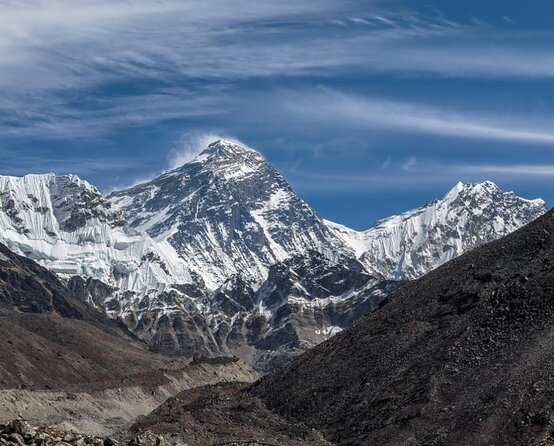
- Lukla flight time is built in (about 30 minutes), and you get real sense of arrival fast
- Licensed English-speaking guide plus strong porter support (up to 25 kilos per porter per two travelers)
- Acclimatization days are scheduled, not something you wing
- Iconic stops like Namche Bazar, Tengboche Monastery, and the Everest Base Camp day plus return
- Tea house trekking with included meals, but outside bathroom setup
- A Nepali farewell dinner with live cultural show, plus transfers and key permits handled
Lukla flight first, then the real mountain work starts
Day 1 begins early, with a 5:15 am start from Outdoor Himalayan Treks in Thamel (Outdoor Himalayan Treks, Thamel Marg, Kathmandu). This is one of those departures where you will be glad you packed the night before. The trek package includes hotel-to-airport-to-hotel transfers, so you are not trying to wrestle with transport while half awake.
Then comes the flight. You fly Kathmandu to Lukla at about 2,840 m and land to start your trekking day at Phakding around 2,610 m. Lukla is famous for being stressful for some people, but the payoff is big: you go from city noise to Himalayan air quickly. If you are the type who gets nervous before flights, plan on breathing slowly and keeping things practical. If you can handle a bumpy approach, you will likely feel a rush as soon as you step out.
Day 1 also sets the tone for the whole trip. You trek about 4 to 5 hours, and you are learning how the body responds at altitude. It is not about speed. It is about steady walking, short breaks, and getting your rhythm early.
More ways to walk to Everest Base Camp:
- Everest Base Camp Trek – 14 Days
★ 5.0 · 1,499 reviews - Everest Base Camp Trek
★ 5.0 · 842 reviews - Everest Base Camp Helicopter Tour landing at Everest View Hotel
★ 5.0 · 668 reviews
Kathmandu handoff, transfers, and who you will travel with
This trek is organized as a private group, meaning only your group participates. You also get pickup offered, and the meeting point is near public transportation. In real life, that matters. You can arrive in Kathmandu, use normal streets and taxis to reach Thamel, and then let the tour handle the mountain logistics.
One detail I really like for value is how much gets sorted before you climb. You are not just buying a guide. You are getting the pieces that keep trips from turning chaotic: transfers, permits, flights, emergency assistance, and a structured plan across 13 days.
From the reviews, I kept noticing names attached to support on the ground. People spoke very highly of Ram (manager) and mentioned quick responses when plans shifted. Others thanked Krishna and Dipak for detailed trek support, and Dilly came up in a special thank-you as well. I would treat this as a good sign that the company runs with a real team, not just a driver with a clipboard.
Day 2 to Namche Bazar: river valleys, Sherpa villages, and a climb that teaches pacing
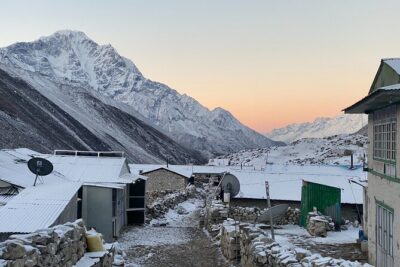
The next day takes you from Phakding up to Namche Bazar, around 3,440 m, with a 6 to 7 hour trek. This is where your legs start to notice the altitude, even though the scenery is doing its best to distract you. You cross hanging bridges, pass through Sherpa village areas, and get that classic mix of views and everyday mountain life.
Namche Bazar is often called the gateway to Everest, and it earns that name. It feels like a hub, with lodges, tea houses, shops, and people moving in both directions. I like Namche because it gives you a reset after the early climb, and it gives you a place where you can feel the trekking community.
Practical tip: in Namche, slow down on any steep sections. The body does not care if your legs feel good. The altitude is the boss.
Acclimatization days: the part that makes Everest Base Camp feel possible
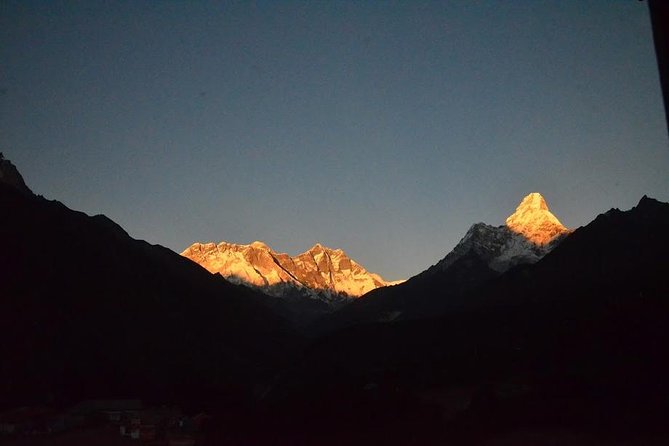
There are acclimatization days built into the plan. One is after you reach Namche, and another is in Dingboche. These are not optional in spirit. They are the difference between a trek that feels manageable and one that turns into an endurance gamble.
Acclimatization works because it reduces the risk of altitude sickness. It also improves your energy. You get time to catch your breath, hydrate, and adjust your walking pace. You learn how your sleep changes. You learn how to eat when you are not hungry.
The plan also keeps you moving across villages rather than treating altitude like a straight line. For example, after Namche you head toward Tengboche, but you pause first with that acclimatization buffer. Later, you repeat the approach in Dingboche before pushing deeper toward higher zones.
If you are thinking, this is a lot of days spent climbing, then resting, then climbing again, you are right. That is exactly what makes the trek smarter.
More to compare around Kathmandu
- Private Kathmandu Sightseeing Tour | UNESCO World Heritage sites
★ 5.0 · 756 reviews - Kathmandu: 7 UNESCO Sites with Lunch
★ 4.8 · 744 reviews - Half day cooking class in Thamel kathmandu
★ 5.0 · 607 reviews - Everest Base Camp Trekking
★ 5.0 · 485 reviews
Tengboche Monastery at around 3,860 m: a spiritual stop and a viewpoint day
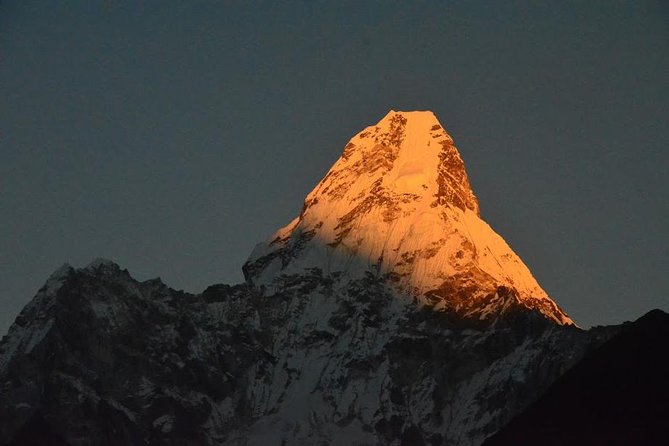
Day 4 has you heading from Namche up to Tengboche around 3,860 m for a 5 to 6 hour trek. Tengboche is a highlight for a reason. The Tengboche Monastery is listed as over 350 years old, and the whole area feels like a calm pocket in the middle of a hard climb.
This is also the day where the trekking feels more than just distance. You are moving through Sherpa communities and getting a sense of why people live their lives here with faith at the center. Even if you are not into monasteries, you will likely appreciate the quiet break from the grind.
Potential drawback: Tengboche can mean colder air and changing weather. I recommend packing for layers you can add quickly. Also, plan to keep your time flexible. If you are slow on the trail that day, you will still want enough daylight left for the full experience.
Through Dingboche toward Lobuche: where the air gets thin and the mood gets serious
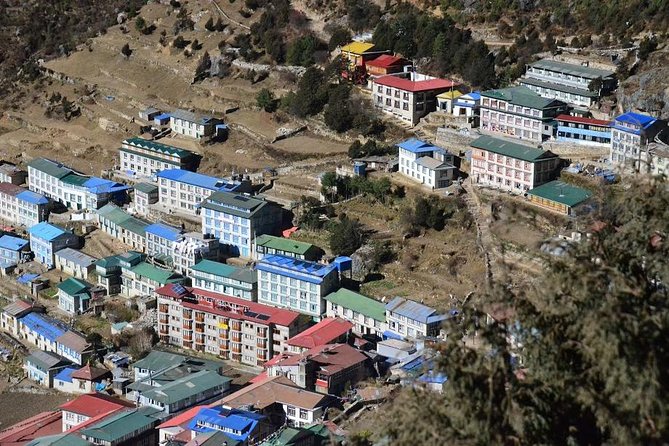
After Tengboche comes Dingboche, and then you acclimatize there. Next you head toward Lobuche. These sections are less about constant big climbs and more about the steady grind of high-altitude walking.
Dingboche is a key staging point. I like it because it is less flashy than Namche but more meaningful as a health stop. You are not racing to a photo. You are protecting your body for the day you will go to Everest Base Camp and return.
Then the plan pushes onward to Lobuche and the classic high route toward Gorak Shep. This is where you begin to feel the emotional shift. The trek starts as a journey. Later it becomes a mission.
Gorak Shep, Everest Base Camp, and the day-trip reality check
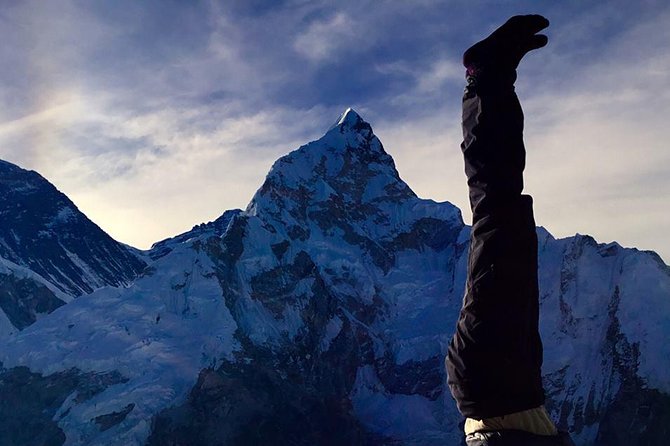
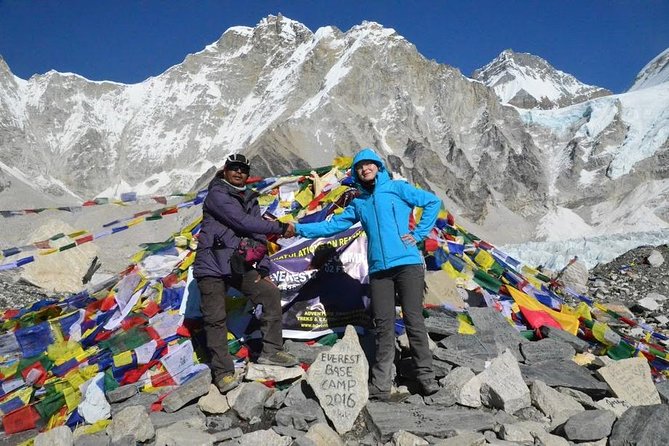
One of the biggest days is when you go from Lobuche to Gorak Shep, then out to Everest Base Camp and back. This is typically the kind of day where you want to keep your expectations grounded.
You will reach the base camp area, and it will feel like a major checkpoint. But it is still a long day at altitude. Pace matters. Hydration matters. And you will likely feel it in your legs and lungs more than in your imagination.
This is also where tea-house trekking logistics matter. Your included meals make a difference here. The package includes breakfast, lunch, and dinner, with you able to choose from the menu for each meal (one dish per meal). That sounds simple, but it helps a lot on days where you are too tired to think.
Also remember what you are not getting: drinks are not included. That means you may end up spending extra on bottled water, boiled water, tea, or coffee. Plan to budget for that, especially if you prefer to drink often rather than ration yourself.
Kalapatthar sunrise: the payoff, if your body cooperates
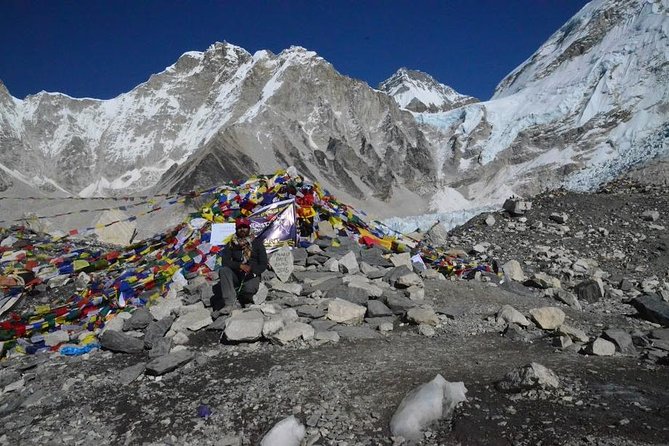
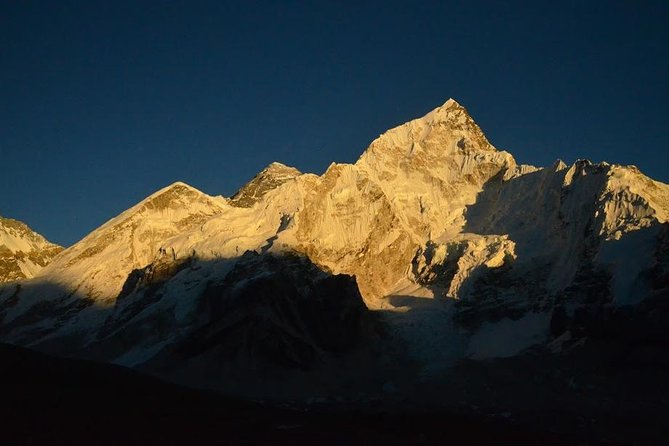
The plan includes a sunrise-view day at Kalapatthar, then you head to Pheriche. If you are the kind of person who can handle early starts, this is your moment. Kalapatthar is known for big views, and sunrise gives the light time to turn everything from gray to dramatic.
The honest part: at altitude, sunrise hikes can be harder than expected because it is colder and your body is still processing the thin air. If you feel worn down, keep moving slowly. Do not chase others up to the viewpoint.
After Kalapatthar, you descend to Pheriche. That return section matters because it gives you a place to recover, eat, and reset. The trek is not over when the photos happen. The real test is how you feel after.
Heading back: Tengboche to Namche, then Lukla and Kathmandu
The return route follows the same big stepping-stones, but the feeling is different. Your body already knows what the air costs, so your pace tends to improve. You still need care, though. Descents can stress knees, and rushing can lead to slips.
You go from Pheriche to Tengboche, then back to Namche. After that comes the big relief: trek to Lukla, then fly back to Kathmandu and transfer to your hotel. The program includes a farewell dinner in the evening at an authentic Nepali restaurant, with a live cultural show. That is a great way to close the loop, because you get food, warmth, and stories all in one place.
One more thing to keep in mind: the experience is weather dependent. If poor weather cancels the trek, you are offered a different date or a full refund. So if you are booking around tight travel dates, leave breathing room.
Tea houses, meals, and what comes included versus what you pay for
This trek stays in basic tea houses. The package specifies that toilets and bathrooms are outside. That sounds small, but it changes your daily routine. You will want warm layers, especially for evenings and early mornings.
Food is included in a structured way. You get breakfast, lunch, and dinner, and you can choose food from the menu for one dish each meal. That is valuable because menu choice helps you handle appetite changes at altitude. Still, do not assume you can order anything you want. The package is clear about what is included.
What is not included is where people often get surprised:
- drinks like cold drinks, alcohol, bottled mineral water, boiled water, tea, and coffee
- extra snacks and desserts
- wifi and battery charging fees
- hot shower access
- photography charges
This is normal for the region, but it means your real spending often depends on hydration and comfort purchases.
Gear reality: carrying less helps more than you think
The trek includes a strong porter for every two travelers, carrying up to 25 kilos. Porter expenses and the porter’s expenses are covered. That is a big quality-of-life upgrade.
In practice, this means you can pack to survive the cold, manage rain, and keep yourself comfortable without worrying that every gram will become a battle. You still need your essentials on you, but you do not have to carry everything to base camp.
Also, your guide’s expenses are included, and you get emergency assistance. One point to take seriously: insurance is included for guide and porters, but your personal trekking insurance is not listed as included. I strongly suggest you arrange your own coverage before you go, so you are protected end to end.
Price and logistics: is $1,300 good value for Everest Base Camp?
At $1,300 per person for 13 days, the value is in what gets handled for you. This is not just a guide fee. You are also paying for:
- Kathmandu to Lukla flights and transfers
- park and village permits (Sagarmatha National Park entry and Khumbu village entry)
- group structure over a full 13 days
- guide support and porter support
- emergency assistance
- included meals
When you compare that to trekking setups where only the guide is included, the price makes more sense. The biggest cost drivers are usually flights, permits, and staffing. Here, the package covers many of those up front.
The tradeoffs are what is excluded: drinks, hot shower, charging, wifi, and tips. Tips for the guide and porters are listed as mandatory, so you should budget for that from the start. Drinks add up too, especially bottled or boiled water.
If you want a trek where logistics feel managed and your day-to-day life is simpler, this package is positioned well for that.
Who this Everest Base Camp trek suits best
This trek is marked for moderate physical fitness. That is realistic: you should be able to handle long hiking days and altitude.
You will likely love it if:
- you want a classic Everest Base Camp route with major stops like Namche Bazar, Tengboche Monastery, Gorak Shep, and Kalapatthar
- you appreciate a guide who handles English communication and the permits side
- you value porter support so you can keep your pack lighter
You might want a different option if:
- you hate cold weather and basic tea house comfort
- you are extremely sensitive to altitude and prefer shorter hikes with more frequent comfort breaks
- you want to rely on hot showers, wifi, and lots of drink choices included in the price
Should you book this Everest Base Camp trek?
I think you should book it if you want Everest Base Camp with structured support, included permits and flights, and a realistic pacing plan that respects acclimatization. The standout strength, based on what people praised, is the human support. Names like Ramani and Ram show up as responsive managers, and guides like Krishna and Dipak are credited for careful trek service. That kind of on-the-ground attention matters in a place where weather and altitude can change your day.
Book it with eyes open about comfort. Tea houses are basic, bathrooms are outside, and drinks cost extra. Also budget for mandatory tips. If you can handle that trade, this trek has the ingredients for a memorable, well-run Everest Base Camp journey.
If you want, tell me your age range, fitness level, and travel month, and I’ll suggest how to pace the acclimatization days and what to pack for the cold nights.
Latest Kathmandu write-ups
- Langtang Valley Trek★ 5.0 · 3 reviews
- Khopra Danda Trek★ 5.0 · 3 reviews
- Langtang Valley Trek from Kathmandu★ 5.0 · 3 reviews
- 5 night / 6 days Kathmandu Nagarkot Chitwan Pokhara tour★ 5.0 · 3 reviews
- Nepal Highlights Tour: 5 Nights 6 Days Kathmandu & Pokhara Tour★ 5.0 · 3 reviews
- Kathmandu Valley Private Day Tour★ 5.0 · 3 reviews
- Conquer the Himalayas: The Ultimate 16-Day Annapurna Circuit Trek★ 3.5 · 3 reviews
- Kathmandu Heritage Day Tour★ 5.0 · 3 reviews
Everest Base Camp Trek, compared.

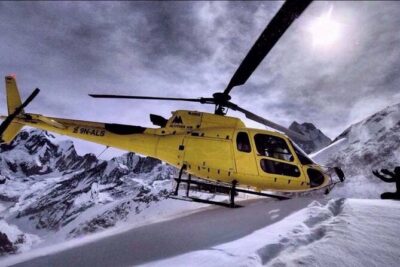
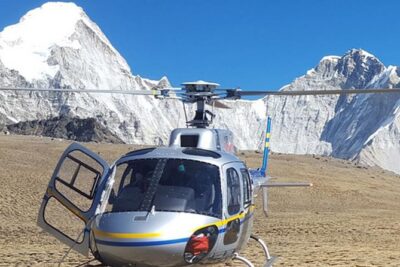
Everest Base Camp Helicopter Tour landing at Everest View Hotel
Read our review →
Everest Base Camp Helicopter Tour landing at Hotel Everest View
Read our review →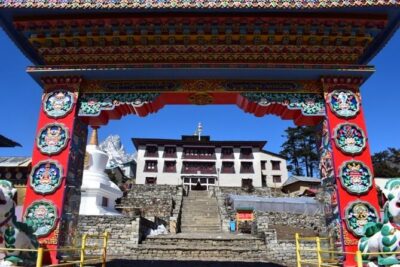
Browse the lists this tour appears in