
Reviewed · EVEREST BASE CAMP TREK
Everest Base Camp Trek -14 Days
Everest Base Camp is interesting because it mixes big high-altitude goals with day-by-day routines you can actually manage. I like the small group size (max 12), and I also like how the logistics are handled end to end, from the airport meet-up to flights and the licensed guide. In the best stories about this operator, the owner Dil is the calm, responsive point person, and guides like Sujal show up ready to keep you moving.
My other favorite part is the way the itinerary is built around views and acclimatization rhythm, not just pushing uphill. You’re walking through classic places like Tengboche and Dingboche, then aiming for Kala Patthar for sunrise, which is the kind of payoff that makes the early mornings feel worth it. One possible drawback to think about: you are going high, to about 5,364 meters, and even with rest days and acclimatization, you still need to take altitude seriously.
Key Things That Make This Everest Base Camp Plan Worth Your Time
- Lukla flights are included, so you avoid the most stressful part of planning
- Licensed government guide + full-board lodge meals during the trek keep your head clear
- Small group (max 12) makes the trek feel social without getting chaotic
- Kala Patthar sunrise is built in with a dedicated early climb
- Tengboche monastery and Dingboche rest day break the hike with meaningful scenery and timing
- Owner support shows up in real meet-and-greet style, sometimes even with a garland welcome
Entering the EBC Route the Right Way, With Lukla Already Taken Care Of
Most first-time Everest trekkers fixate on Everest Base Camp, which makes sense. But the real make-or-break moment is the day you fly into Lukla. This package includes round-trip Kathmandu to Lukla flights, plus departure taxes, so you’re not scrambling to stitch together transport while also worrying about permits, lodging, and daily logistics.
You also get a practical start in Kathmandu: the meeting point is in Thamel (44600), near public transportation, and pickup is offered. That matters because Thamel can feel like a busy maze when you’re jet-lagged. Having someone meet you at Tribhuvan airport and transfer you to your hotel the first night reduces the mental load.
This is also a tour where the paperwork is taken care of. You get the TIMS card and the Everest national park documents included, so you’re not trying to figure out where to go and what to bring on your own. That’s a big deal for value, because the time cost of “DIY admin” is real, and it’s easy to waste a day in Kathmandu.
Finally, this operator is pitching the trek as timely, because Everest Base Camp is expected to move. Whether that happens on your exact dates or not, the point is simple: you’re not just buying a hike, you’re buying a shot at the classic version of the journey while it’s still happening.
More ways to walk to Everest Base Camp:
- Everest Base Camp Trek – 14 Days
★ 5.0 · 1,499 reviews - Everest Base Camp Trek
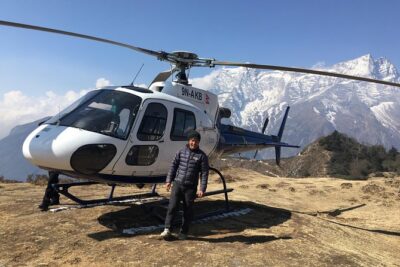
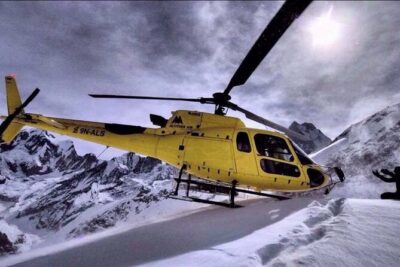
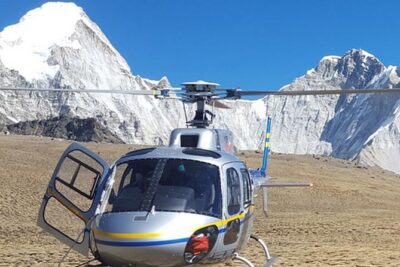
★ 5.0 · 842 reviews - Everest Base Camp Helicopter Tour landing at Everest View Hotel
★ 5.0 · 668 reviews
The Group Size and Guide Setup That Makes the Trek Feel Manageable
Your group is capped at 12 people. On a crowded trail like the Khumbu, that’s the sweet spot where you can still meet people easily without feeling like you’re in a factory line.
You’ll hike with a professional, experienced, friendly government-licensed guide. That matters for two reasons. First, the guide helps you keep the pace realistic. Second, it reduces the stress of “what’s the best decision now?” when the altitude starts to tug at your legs.
The tour also mentions you’ll have crew to handle luggage across the trek. Practically, that means you’re not carrying everything yourself. If you want a porter, the guide team notes that a local porter is an optional extra (not included unless you choose it). For most hikers, that option is worth considering only if you know you’ll be more comfortable with it.
From the accounts associated with this trekking company, guides and owners are part of the support structure, not just names on paper. People highlight a smooth handoff at the airport and attentive guidance during the trek, including leaders like Sujal, Amer, Laxman, Ram, Saugat, and Subash. You may or may not get the same person, but the consistent theme is that the team doesn’t treat you like a booking number.
What Your Days Look Like, Stop by Stop, and Why Each One Matters
This schedule runs about 13 days, with travel and the Kathmandu wrap-up making it feel closer to a full 14-day trip in real planning. Here’s how the flow works and what to watch for.
Day 1: Arrive in Kathmandu, Settle in Without Hassle
You land at Tribhuvan International Airport, meet the ART staff, and get transferred to your hotel for the overnight. This is about getting your sleep, hydration, and bags sorted so you can start the next day with a clear head.
More to compare around Kathmandu
- Private Kathmandu Sightseeing Tour | UNESCO World Heritage sites
★ 5.0 · 756 reviews - Kathmandu: 7 UNESCO Sites with Lunch
★ 4.8 · 744 reviews - Half day cooking class in Thamel kathmandu
★ 5.0 · 607 reviews - Everest Base Camp Trekking
★ 5.0 · 485 reviews
Day 2: Kathmandu to Lukla, Then a Controlled Start
You’ll take an early scenic flight to Lukla, listed as about 35 minutes. Once you arrive, you’re introduced to the crew that carries your luggage. The hike starts from Lukla with a short about 2 hours acclimatization trek.
That first day-on-feet is not about distance. It’s about waking up your breathing pattern and learning how your body reacts when you go from city air to mountain air fast.
Day 3: Pine Forest, Dudkosi River, First Big Everest Views
Today you trek through lush pine forest and cross the Dudkosi River. The itinerary also calls out your first amazing view of Everest, along with other peaks like Kusum (spelled in the text as Kusum, though the exact naming can vary on maps).
This is the day where you start to notice the atmosphere. You’ll likely feel the altitude in small ways, not dramatic suffering. Pay attention to your pace here, because today sets the tone for later.
Day 4: Acclimatization and a Full Look at the Major Peaks
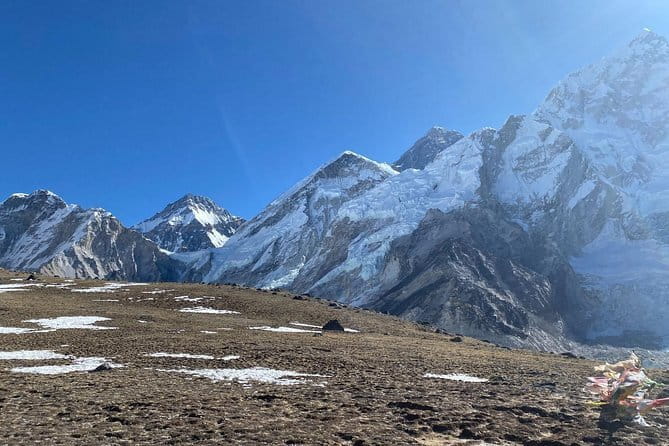
The plan includes rest and acclimatization, plus an ascent to a lookout. From this vantage, the itinerary lists views of Mt. Everest, Lhotse, Cholatse, Thamserku, Kwangde, Khandala, and Ama Dablam, plus a beautiful valley view.
This is a classic EBC move: you don’t just walk, you also pause to see what you’re working toward. It helps your brain connect effort to outcome, which is useful when the trek starts feeling repetitive.
Day 5: The Rhododendron Climb and the Dudh-Koshi Rhythm
You’ll trek along the Everest high route, including the famous descent toward the Dudh-Koshi River and the ascent along rhododendron areas.
This day is all about rhythm. Descent helps your breathing calm down, but it can punish your knees. The ascent then reminds you that the trail is always doing two things at once, pushing height and building endurance.
Day 6: Tengboche Monastery Morning
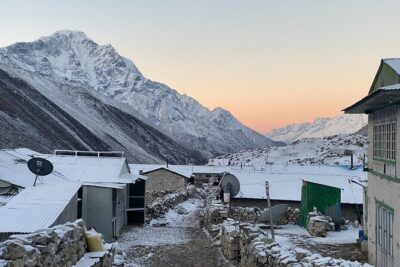
After breakfast, your trail takes you through a forest, with an early focus on the monastery in Tengboche and surrounding mountain views. The description emphasizes how pristine and spectacular it looks early in the day.
Tengboche is the kind of stop that gives you a mental reset. Even if you’re tired, you’ll probably find yourself slowing down to take in the scene. It’s also an energy saver, because it breaks the hike with a cultural moment, not just a viewpoint.
Day 7: Dingboche Rest Day, Built Around Fields and Recovery
Today is a rest day at Dingboche, a key village for people headed to Everest Base Camp, Ama Dablam, and Imja Tse. The itinerary highlights the village charm and the stone walls that protect barley fields.
A rest day is not “do nothing.” It’s “do just enough.” Keep walking a little, hydrate, and watch how your sleep feels. This is where your altitude plan becomes real, not theoretical.
Day 8: Steeper Climb to Chukpo Lari Memorials
You trek to Duglha via gradual climb, then face a steep climb toward Chukpo Lari, where you’ll see memorials honoring climbers who died on Mt. Everest.
This is one of those days where the trail comes with a heavy reminder. It also keeps you grounded. When you’re tired, the memorials can help you shift from self-focus to meaning.
Day 9: Lobuche to the Khumbu Glacier Northwards
Leaving from Lobuche, the trail goes across flat meadow sections and then follows the Khumbu Glacier northwards, with short climbing up and a move onto the lateral moraine.
This is the point where Everest Base Camp starts to feel close, even when it still isn’t. Your body might also feel more “worked.” Keep steady effort, and don’t chase speed.
Day 10: Kala Patthar Sunrise, 2 Hours of Climbing Payoff
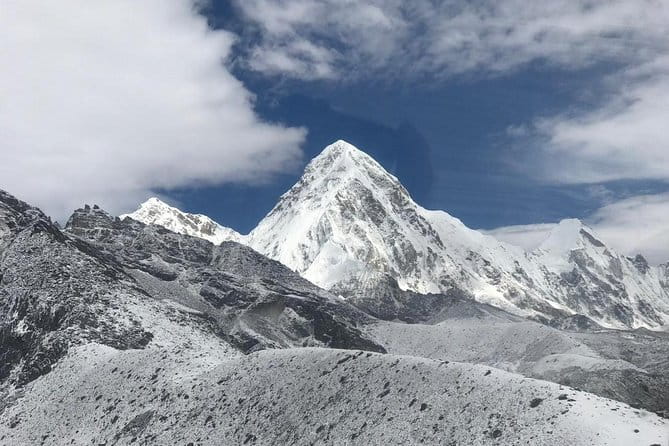
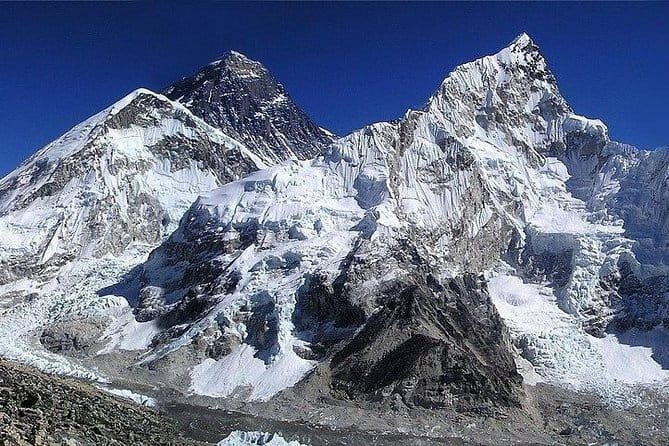
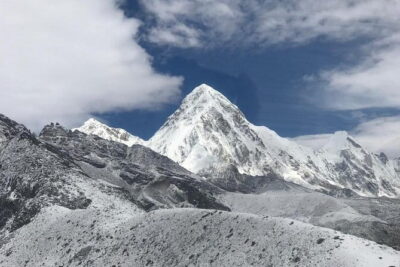
You wake early and climb about 2 hours to Kalapathar, described as at the bottom of Mt. Pumori. From there, the sunrise is framed as a 360-degree experience, including Mt. Everest, Nuptse, and Lol (the text is cut, but Nuptse and Everest are clearly listed).
This is the classic EBC emotional peak. You’re standing in cold air, moving slowly uphill in the dark, then watching the peaks turn on one by one. It’s not just beautiful, it’s motivating.
Day 11: Down Through Sherpa Villages and Back Toward Tengboche
The trail descends through Sherpa villages and you reach the bank of the Dudkosi River, cross it, then head into forest via Dingboche, climbing up again toward Tengboche.
On paper it’s a standard day, but descending plus a re-climb can feel like two different hikes. Treat it as recovery-building, not just “the way back.”
Day 12: Jorsalle, Manjo, Benkar, Phakding, Suspension Bridges
Today you descend steep sections back by the route, passing places like Jorsalle, Manjo, Benkar, and Phakding, plus multiple suspension bridges over the Dudh Koshi River.
This day often feels long because it’s real trekking, not a highlight. Still, suspension bridges give you a constant visual break. They also remind you how much walking you’re getting done without noticing.
Day 13: Fly Back to Kathmandu, Then a Leisure Day
You fly back to Kathmandu and get a leisure day. In real terms, that’s where you start eating normal food again and letting your legs unclench.
Where the Value Really Comes From: Meals, Lodges, Flights, and Documents
At $1,420 per person, the first question you should ask is not “Is it cheap?” The right question is “What would I pay to recreate this package on my own?”
This plan includes:
- Return flights between Kathmandu and Lukla
- Lodge accommodations during the trek
- Full-board meals (breakfast, lunch, dinner) during the trek
- A licensed guide
- Park paperwork and TIMS
- A first aid medical kit, plus a basic first aid box including Diamox
- Emergency rescue operation, funded by travel insurance
- Government and local taxes listed as covered
And you’re also told you’ll celebrate with a night at a top Kathmandu hotel and dinner. That part matters because it avoids the common trap of feeling wiped out after the hike, then having to shop around for basic comfort.
Yes, you still pay for water and drinks, and personal items like Wi-Fi, snacks, and shower extras. That’s normal on the Khumbu, but it’s good to plan for it so your budget stays sane.
If you’re the type of traveler who hates negotiating, asking multiple people for schedules, and verifying permits, this kind of package is usually worth it. You trade a little flexibility for peace of mind.
Altitude Reality Check: Why the Schedule Helps, and What You Still Control
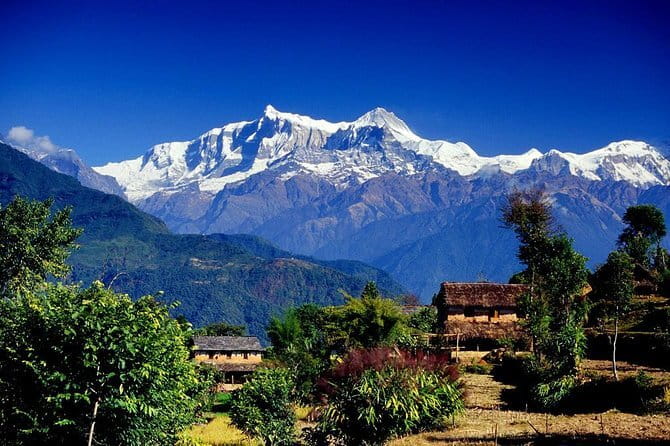
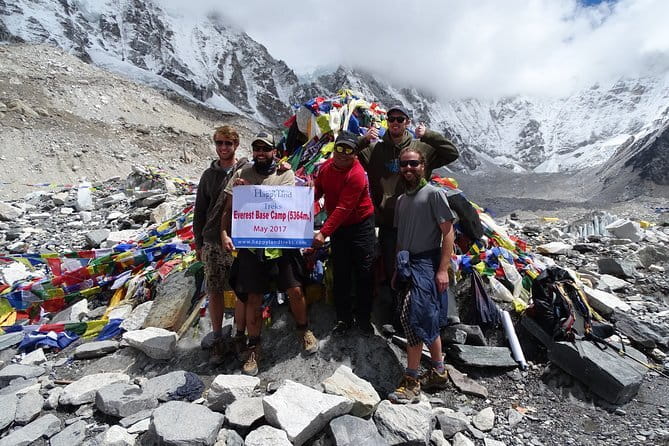
You’ll aim for Everest Base Camp at 17,598 feet (5,364 meters). That’s serious altitude. The itinerary includes acclimatization points and a rest day at Dingboche, plus view days that build in earlier pacing.
But the schedule cannot remove risk. What you can control is how you use the plan:
- Stick to the pace your guide sets, especially early
- Don’t “save energy” by walking fast, because altitude punishes hard starts
- Keep drinking, even when you’re not thirsty
- Tell your guide immediately if symptoms change
The good news is the tour includes Diamox in the included first aid kit, and it includes a medical kit. That helps you feel less alone if something goes wrong. Still, always treat altitude meds as a medical decision, not a souvenir.
The Hidden Upside: Classic Stops That Feel More Personal Than You Expect
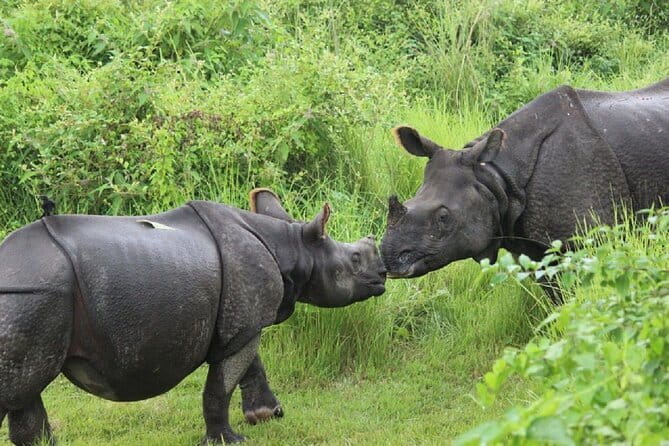
Even though this is a structured itinerary, the best parts are the human moments built into the route.
Tengboche is a monastery morning with mountain views, and Dingboche is a rest day inside Sherpa village life. The memorials at Chukpo Lari add weight, and Kala Patthar gives you a hard-to-fake reward.
On top of that, the operator is described as organized and responsive. People also mention the meet-and-greet vibe, including garlands of marigolds at the airport. It sounds small, but it’s a real way to start a journey without feeling stranded.
If you’re traveling with family or teens, it’s worth noting that this trek style has been done by groups including two sons aged 17 and 15, with support called out as making the experience easier for younger members. I’m not saying this is a kids’ trek, but I am saying the team seems to understand that not everyone hikes like a mountain robot.
Who This Trek Fits Best (and Who Might Want a Different Style)
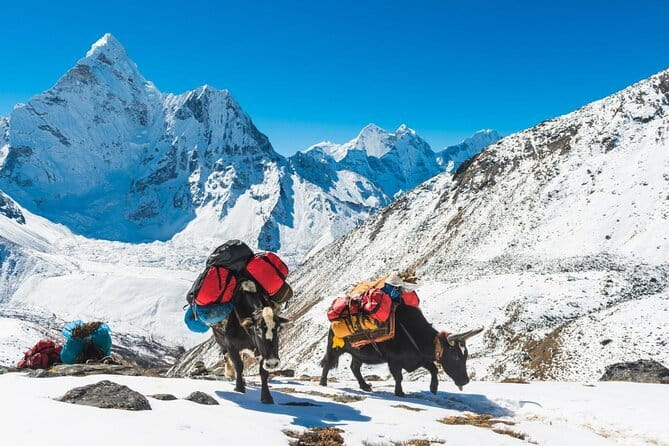
This is a strong match if you:
- Want a preplanned EBC route with support and fewer moving parts
- Like a small group where you can talk to people but still have space to hike
- Prefer a licensed guide and included paperwork, instead of a DIY permit maze
- Can commit to moderate physical fitness and steady effort
It’s less ideal if you:
- Want to fully control every day and detour on your own
- Are looking for fully inclusive comfort like unlimited Wi-Fi, included drinks, or porter service for free
- Know you struggle with altitude and need a different medical approach
Quick Budget Reality: What You Should Plan to Pay On Top of the Tour Price
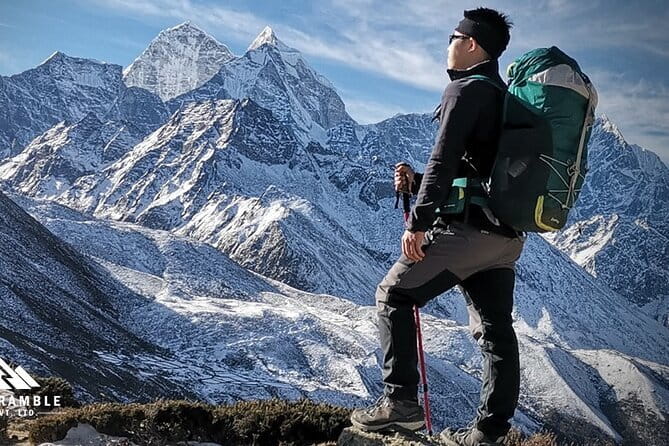
The tour price covers a lot, but not everything. Expect extra costs for:
- Visa fees for Nepal entry (not included)
- International flights to Nepal (not included)
- Hot and cold drinks, snacks, and water
- Wi-Fi
- Any local porter if you choose to add one
- Tips/gratitude for guides and staff, which are not included
Plan these early and you’ll feel calmer when you see small charges stacking up in lodges.
Should You Book This Everest Base Camp Trek?
I’d book this trek if you want the classic Everest Base Camp experience with Lukla flights, licensed guiding, lodge meals, and documents handled, and you like the idea of a max-12 group that stays social without turning into a circus. The itinerary’s pacing choices, including the Tengboche and Dingboche timing and the dedicated Kala Patthar push, make it feel designed for people who want both effort and payoff.
I wouldn’t book it if you’re looking for lots of free-floating time to improvise your route, or if altitude risk is something you haven’t planned with a doctor’s guidance. This trip asks you to respect the mountains, not negotiate with them.
If you’re ready for that mindset, this package looks like good value for what it includes, especially because the hardest pieces, flights and paperwork, are already locked in.
FAQ
Where is the trek meeting point in Kathmandu?
You meet in Thamel, Kathmandu 44600, Nepal. The tour also ends back at the meeting point.
Are flights to Lukla included?
Yes. The package includes round-trip flights Kathmandu to Lukla and Lukla to Kathmandu, including departure taxes.
How many days is the trek?
The itinerary runs for 13 days approximately, with travel and a Kathmandu leisure day included. The overall trip is presented as about 14 days total.
What permits or trekking documents are included?
The tour includes the Everest national park paperwork and a TIMS card.
What meals and accommodations are included during the trek?
You get full-board meals (breakfast, lunch, and dinner) during the trek, and accommodations at trekking lodges are included.
Is a porter included?
A local porter is not included if you need one. The tour includes luggage handling by the crew you’re introduced to after landing in Lukla, and you can add a porter if required.
Does the tour include Diamox?
Yes. The included first aid box mentions Diamox for high altitude sickness.
What is the cancellation policy?
You can cancel for free up to 24 hours in advance for a full refund. If you cancel less than 24 hours before the experience starts, the amount paid is not refunded.
Latest Kathmandu write-ups
- 10 days Annapurna Base Camp Trek★ 5.0 · 5 reviews
- Visit Swayambhunath and Bauddhanath Stupa with Guide★ 5.0 · 5 reviews
- Langtang Trek from Kathmandu 7 Days★ 5.0 · 5 reviews
- 7 Day Kathmandu Pokhara Tour★ 4.5 · 5 reviews
- Island Peak Climbing with Everest Base Camp★ 5.0 · 5 reviews
- Chandragiri Hill Cable Car Tour with Hotel Transfers from Kathmandu★ 4.5 · 5 reviews
- Everest Mountain Flight★ 5.0 · 5 reviews
- Kathmandu city day tour (4 world heritage sites)★ 5.0 · 5 reviews
Everest Base Camp Trek, compared.
Everest Base Camp Helicopter Tour landing at Everest View Hotel
Read our review →
Everest Base Camp Helicopter Tour landing at Hotel Everest View
Read our review →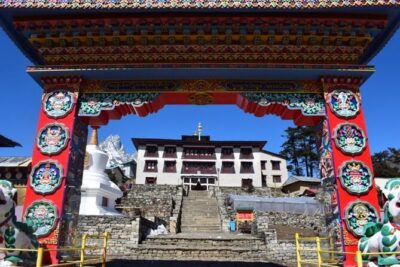
Browse the lists this tour appears in