
Reviewed · EVEREST BASE CAMP TREK
Everest Base Camp Trek -14 Days
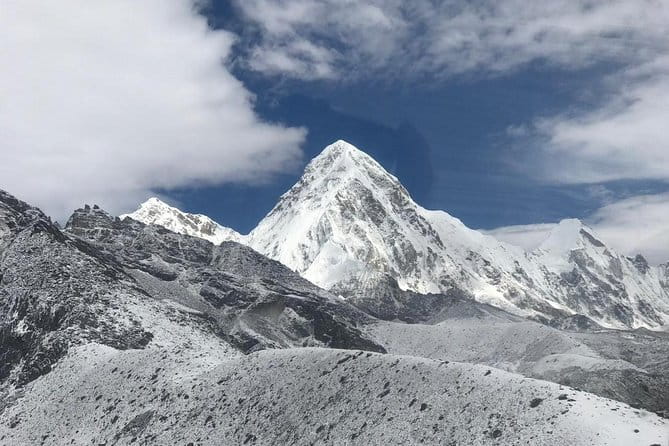
Everest Base Camp is interesting because you’re not just walking in the Himalaya, you’re moving through real Sherpa villages with a front-row seat to the world’s highest mountain region. The trek starts with a flight into Lukla, then climbs steadily through classic Khumbu stops like Namche Bazaar and Tengboche toward Everest Base Camp and Kalapatthar.
What I like most is the way this trip builds in human-friendly pacing. You get acclimatization days in Khumjung and Dingboche, plus a structured route that helps your body adjust before the higher sections. I also appreciate the practical support built into the plan: airport pickup, Kathmandu hotel, daily meals on trek, permits and fees handled, and a guide plus porters (1 porter for every 2 clients).
One consideration: altitude is still altitude, and the itinerary includes high points like Thukla Pass and Gorakshep, so you need to take the slow part seriously. Also, even with flights included, weather can cause delays, and you should plan for the possibility of extra time in the mountains.
Key things that make this Everest Base Camp trek worth a hard look
- Lukla flight plus a gentle first day into Phakding sets your rhythm fast.
- Acclimatization built into the itinerary (Khumjung and Dingboche) instead of skipped.
- Tea house lodging each night, with meals included while trekking so you can focus on walking.
- EBC day and Kalapatthar day are clearly separated, which helps you manage energy and timing.
- Permits and Khumbu valley fees are included, plus the team handles paperwork.
- Strong guide and staff reputation for safety and help during medical issues (including emergency response arrangements mentioned in feedback).
Kathmandu first, so you start trekking with your head clear
Day 1 is arrival in Kathmandu, and Day 2 is the big jump to Lukla and the trail. This operator includes airport pickup and a private vehicle transfer to your hotel, which matters in Kathmandu because jet lag plus traffic stress is not a great combo before your first mountain walk.
You also get two nights in a 3-star hotel with breakfast. That extra night cushion is practical if your flight timings shift, and it gives you time to organize gear, pick up any essentials you missed, and eat a proper meal without worrying about trekking rations.
From there, you’ll be guided from Kathmandu toward the flight day. This is where the “all paperwork handled” part becomes real value: your TIMS permit and Khumbu valley fees are included, and the necessary paper work is taken care of for you. Less admin means less risk of missing something on a tight schedule.
More ways to walk to Everest Base Camp:
- Everest Base Camp Trek – 14 Days
★ 5.0 · 1,499 reviews - Everest Base Camp Trek
★ 5.0 · 842 reviews - Everest Base Camp Helicopter Tour landing at Everest View Hotel
★ 5.0 · 668 reviews
Lukla to Phakding: the first taste of Khumbu living
Your trek begins after flying to Lukla (2860m). Day 2 goes from Lukla to Phakding (2610m) and takes about 3 to 4 hours. Even though that’s a descent, it’s a smart start: it gets you moving, not exhausting you, and it helps you get used to the trekking pace and footing.
Phakding is a good “settle in” stop. You’ll start seeing the trail culture quickly: other trekkers, friendly lodge staff, and the steady grind of people hiking for days. Lodging is in tea houses, so expect the basics, not luxury. The practical win is that meals (breakfast, lunch, dinner) are included while trekking, so you aren’t hunting for food every time the air gets thin.
If you’re planning for altitude, Day 2 is also your cue to keep your effort controlled. You do not need to prove fitness on day one. Save your lungs for the climb toward Namche.
Namche Bazaar climb and the long day rhythm
Day 3 is Phakding to Namche Bazaar (3446m), usually 6 to 7 hours. This is where Everest Base Camp treks start to feel real, not just scenic. The trail rises, the air thins, and your pace has to slow down even if your legs feel strong.
Namche is more than a waypoint. It’s a proper hub in the Khumbu region, so it’s where you’ll likely notice the Sherpa influence most clearly, including the cultural rhythm of the area. And because Sagarmatha National Park is part of this route, you’re also trekking through a protected region, not just a scenic corridor.
One small but important detail: since this is a private tour/activity, your group experience should stay tight. You aren’t juggling a crowd. Your guide can adjust the pace and breaks based on how everyone is handling the day.
Khumjung acclimatization: why the smart day matters
Day 4 is an acclimatization day with visits to Khumjung Village and Hotel Everest View (3880m). You’re higher, and you’re moving, but you’re not doing a full “walk all day uphill” push. That’s exactly what acclimatization should feel like: enough activity to help, not enough to fry you.
Khumjung is a meaningful cultural stop. You get a chance to see how Sherpa communities live at altitude, and you’re in the orbit of places that trekkers talk about for a reason: the view and the perspective. You’ll also be at a higher elevation than Namche, which helps your body acclimate before the next climbing day.
If you tend to rush, Day 4 is where you should practice discipline. Drink regularly, keep your breathing calm, and let your body do the work. This is also where a good guide earns their paycheck, because acclimatization is often about timing and pacing, not willpower.
More to compare around Kathmandu
- Private Kathmandu Sightseeing Tour | UNESCO World Heritage sites
★ 5.0 · 756 reviews - Kathmandu: 7 UNESCO Sites with Lunch
★ 4.8 · 744 reviews - Half day cooking class in Thamel kathmandu
★ 5.0 · 607 reviews - Everest Base Camp Trekking
★ 5.0 · 485 reviews
Tengboche to Dingboche: the climb keeps stepping up
Day 5 takes you from Namche Bazaar to Tengboche (3860m), around 5 to 6 hours. Then Day 6 moves on to Dingboche (4360m), also about 5 to 6 hours. These days increase altitude steadily, and the trail becomes more about endurance and careful breathing.
This is still part of a “scenic trek,” but it’s the kind where fatigue starts changing your perception. Your legs may feel okay, but your heart rate can jump quickly on steeper stretches. Don’t fight that. Let your guide set the rhythm.
Lodging continues to be tea house style. That means heating can be inconsistent, and rooms are usually simple. You’ll be relying on your layers, your routine, and the fact that meals are included so you can keep eating even when you don’t feel like it.
Dingboche acclimatization: the day you protect
Day 7 is another acclimatization day in Dingboche (4360m). This is the second key “slow day” on the itinerary. It’s there because the next stages go higher fast: you’ll head toward Lobuche, then push into the EBC area and the higher viewpoints.
If you want fewer altitude problems later, take this day seriously. Your job is to rest well, move gently, hydrate, and follow your guide’s advice. If you feel headachey or nauseous, say something early. The best time to manage altitude issues is before they become a problem.
The value of having a strong team shows up here. Reviews from past guests mention quick, practical help during medical situations and proper emergency response coordination when needed. That doesn’t remove altitude risk, but it reduces how helpless you feel if something goes wrong.
Thukla Pass to Lobuche: get ready for the high-country feel
Day 8 is Dingboche to Lobuche (4910m), about 5 to 6 hours. This is one of the “higher days” before the summit-style excitement of Base Camp and Kalapatthar.
The route includes crossing Thukla Pass (4830m). Even if you don’t remember the exact minutes you cross, you’ll feel what pass days are like: colder air, more exposure, and a steady climb that tests your patience. Keep your effort smooth, and don’t overstride. Short steps work better when your body is struggling for oxygen.
Lobuche sits at a high elevation, and it can feel more stark than the lower villages. That’s normal. It’s also why this trek doesn’t rush you into EBC. You still have the big day ahead, and you need to arrive at the right energy level.
Gorakshep, Everest Base Camp, and the Khumbu Glacier approach
Day 9 is a long one: Lobuche to Gorakshep and onward to EBC (5360m), around 6 to 7 hours. You’ll move across the high approach toward Everest Base Camp and follow the Khumbu Glacier route area as you get closer.
This is the heart of the trip. Base Camp itself is not a summit, but it’s a powerful place because it represents the attempt zone for the world’s highest mountain. You’ll want time for photos, but also time for checking in with your body. High altitude fatigue can hit suddenly, especially if you start too fast.
A practical note: on days like this, the pace can vary based on weather and group energy. Since your trek includes a guide, you’re more likely to get sensible decisions about breaks and timing rather than everybody stopping whenever they feel like it.
Kalapatthar for the views, then Pheriche for the recovery
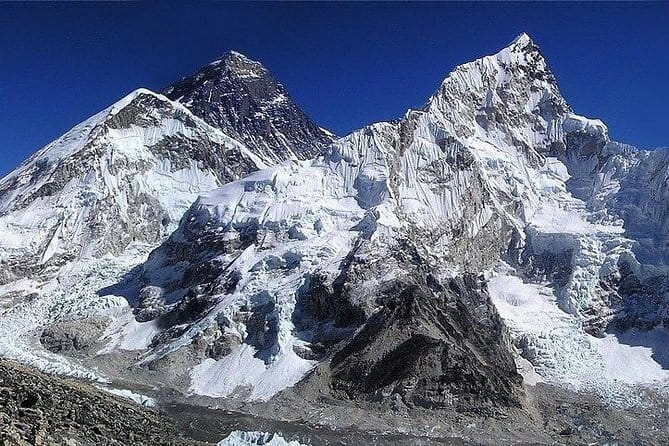
Day 10 takes you from Gorakshep to Kalapatthar (5545m) and then onward to Pheriche (4371m) in about 4 to 5 hours. Kalapatthar is your payoff viewpoint, the place people hike for when they want sweeping views of the Everest region.
Kalapatthar at over 5500m means cold and altitude focus. Your reward is a big-picture view, but your job is to move carefully and keep layers working. Once you reach Pheriche, the trek shifts back to “recover and re-center” mode.
You then repeat the descent pattern in reverse for the next couple of days: Pheriche to Namche, Namche to Lukla. That’s not a punishment. It’s how you bring your body down gradually after your high points.
The long descent back to Lukla and Kathmandu
Day 11 is Pheriche to Namche Bazaar (3446m), about 6 to 7 hours. Day 12 is Namche to Lukla (2860m), around 5 to 6 hours. These days are mentally tricky because you might feel better from higher to lower, but legs still take a beating on downhill sections.
Then Day 13 is your flight from Lukla to Kathmandu, and Day 14 is departure. If you’re someone who gets impatient while descending, this is where trekking discipline pays off. Your knees will appreciate slow, controlled steps.
After 14 days, you’ll probably feel like you blinked and suddenly you’re back in Kathmandu. That’s why the included farewell dinner is a nice touch: it gives you closure with an authentic Nepalese meal and cultural performance.
Price, what’s included, and what you should budget separately
The trek price is $1,800 per person. On paper, that sounds straightforward. In practice, value comes from what’s handled for you and what you still need to cover on your own.
Included value that really matters:
- Airport pickup and private transfer to your Kathmandu hotel
- Two nights in a 3-star hotel with breakfast in Kathmandu
- Meals during the trek (breakfast, lunch, dinner)
- TIMS permit and Khumbu valley fees, plus all paper work
- Guide and porters (1 porter for 2 clients)
- Lodging in tea houses for the duration of the trek nights
- Travel and rescue arrangements
- Duffle bag (returned after the trek)
- Company T-shirts
- First aid kit and medical supplies on hand
- Flights between Kathmandu and Lukla (and also Kathmandu/Ramachap to Lukla, plus the return)
What’s not included, and you should expect to pay for:
- Nepal visa fee
- International airfare
- Any extra Kathmandu nights if flights or timing force changes
- All meals in Kathmandu (so plan for your lunches and dinners before and after the trek)
- Expenses if you get stuck due to weather or flight delays
- Travel and rescue insurance
- Personal expenses like phone calls, laundry, bar bills, battery recharge, bottle or boiled water, and hot shower costs
- Tips for guide and porter
My take on the $1,800: it’s a solid price point if you want a trip where logistics are handled end-to-end. It’s especially good if you hate doing paperwork, coordinating permits, and negotiating lodging at the last minute. If you’re the kind of traveler who plans everything independently, you might pay less on your own. But if you want a smooth, staffed experience, the included pieces add up.
Guides, porters, and the safety culture you want on Everest routes
This trek is built around real human help. You’ll have an experienced guide and a porter system (1 porter for 2 clients). That means someone is managing the comfort details like carrying your heavier stuff, and your guide is focused on route pacing and safety decisions.
Feedback on this operator repeatedly highlights the same themes: professionalism, responsiveness, and real care when something goes wrong. Some guests mention medical issues during the trek and praise how the team handled it, including arranging emergency evacuation and hospitalization. That kind of competence is not guaranteed on every trek company, so it’s worth weighing.
Names that show up in past feedback include Bhagwat Simkhada on the Kathmandu and organizing side, and lead guides like Prakash Adhikari. Co-guides mentioned include Urken Sherpa, and other guides named in feedback include Badri and Nima. You can’t assume the exact team will be the same on your dates, but the pattern is clear: the operation emphasizes capable guides and strong coordination.
What you should do to make this trek easier on your body
This itinerary is for travelers with at least moderate physical fitness, and it runs in all weather conditions, with guidance to dress appropriately. Altitude is the real workload here, not just hiking distance.
Here’s how I’d set yourself up based on the schedule’s demands:
- Take acclimatization seriously on days in Khumjung and Dingboche. Those are not “free sightseeing days,” they’re altitude prep.
- Keep your pace slow on climbs, especially on the way toward Lobuche and on the pass sections.
- Plan for cold at higher elevations. Kalapatthar and Gorakshep will feel it, even if the lower days are comfortable.
- Bring extra money for personal items you don’t want to hunt for, especially things like bottled or boiled water costs and phone charging.
- Do not rely on included medical supplies as your only safety plan. Travel and rescue insurance is not included, so get it before you go.
- Budget tips for your guide and porter. They’re not included, and good service is normal to reward.
Should you book this Everest Base Camp trek?
I’d book this trek if you want a classic Everest Base Camp route, you like having logistics handled, and you prefer a safety-first operator with a track record of quick help when medical issues pop up. The included permits, fees, and daily meals on trek are big practical wins, and the two acclimatization days are a good sign you’re not being pushed too fast.
I’d hesitate if you hate altitude challenges or you’re worried about weather-related flight delays and extra time costs. This route is designed for the real Himalaya, not a controlled environment. If you can accept that reality and prepare for it, this trek gives you a meaningful, structured journey from Lukla to Base Camp and back.
If you want Everest Base Camp as a once-in-a-lifetime trek with staff support and clear pacing, this one makes a lot of sense.
FAQ
Where do I meet the group, and when does it start?
You meet at Tribhuvan Airport in Kathmandu, Nepal. The start time is listed as 7:00 am.
How long is the Everest Base Camp trek?
The duration is listed as 14 days (approx.).
Is airport pickup included?
Yes. Pickup from the airport and transfer to your hotel by private vehicle is included.
Do I get hotel nights in Kathmandu?
Yes. The package includes two nights in a 3-star hotel in Kathmandu with breakfast.
Are flights included to Lukla and back?
Yes. Flights are included from Kathmandu to Lukla and from Lukla back to Kathmandu. It also notes Kathmandu/Ramachap to Lukla may be used.
Are trekking meals included?
Yes. Lunch, dinner, and breakfast are included during the trekking days.
Are permits and park fees included?
Yes. TIMS permit and Khumbu valley fees are included, along with necessary paper work.
Do I have a guide and porter?
Yes. An experienced guide is included, and porters are included with a ratio of 1 porter for 2 clients.
What is included for trekking bags?
You get a duffle bag included, and it is returned after the trek.
What is not included in the tour price?
Not included: Nepal visa fee, international airfare, meals in Kathmandu, any extra hotel nights due to scheduling changes, expenses if you are stuck in the mountains, travel and rescue insurance, personal expenses in Nepal, and tips for guide and porter.
Latest Kathmandu write-ups
- Langtang Valley Trek★ 5.0 · 3 reviews
- Khopra Danda Trek★ 5.0 · 3 reviews
- Langtang Valley Trek from Kathmandu★ 5.0 · 3 reviews
- 5 night / 6 days Kathmandu Nagarkot Chitwan Pokhara tour★ 5.0 · 3 reviews
- Nepal Highlights Tour: 5 Nights 6 Days Kathmandu & Pokhara Tour★ 5.0 · 3 reviews
- Kathmandu Valley Private Day Tour★ 5.0 · 3 reviews
- Conquer the Himalayas: The Ultimate 16-Day Annapurna Circuit Trek★ 3.5 · 3 reviews
- Kathmandu Heritage Day Tour★ 5.0 · 3 reviews
Everest Base Camp Trek, compared.

Everest Base Camp Helicopter Tour landing at Everest View Hotel
Read our review →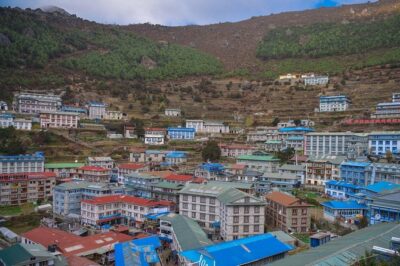
Everest Base Camp Helicopter Tour landing at Hotel Everest View
Read our review →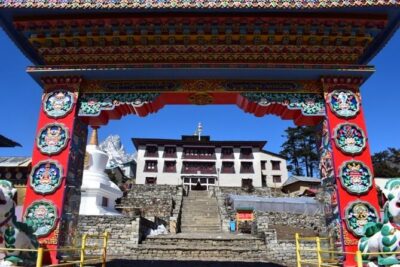
Browse the lists this tour appears in