
Reviewed · EVEREST BASE CAMP TREK
Everest Base Camp Trek – 14 Days
Everest Base Camp is interesting because it mixes big-decision logistics with real mountain walking. One day you are in Kathmandu, the next you are on the trail above the Dudh Kosi River, heading toward Sagarmatha National Park and the Khumbu’s Sherpa villages. I also like that this plan includes two nights in Kathmandu with a 3-star hotel, plus an English-speaking guide from the start.
My second big reason I’d be excited to do this trek is the intentional altitude pacing. You get an acclimatization day in Namche Bazaar and another in Dingboche, so you are not just grinding uphill every day. The one drawback to weigh is that the trip depends on weather, especially for the Lukla flights, so you need flexible expectations and travel insurance that covers medical care and emergency evacuation.
Key highlights to look for
- Lukla flight included: A 35-minute scenic hop into Lukla sets up a fast start to the Khumbu.
- Acclimatization built in: Extra days in Namche and Dingboche help your body adjust before higher trekking.
- Guides and porter support: You travel with an English-speaking guide, plus a porter plan where 2 guests share 1 porter.
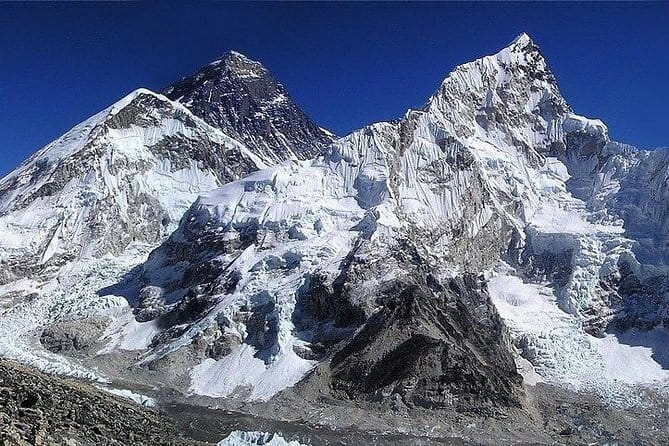
- Big viewpoint moments: Kala Patthar (5,545 m) is the main high payoff, with Everest and neighboring peaks nearby.
- Sherpa culture stops: You can visit places like the school Sir Edmund Hillary built in Khumjung.
- Small group size: Maximum of 15 travelers means less chaos in tea houses than you might expect on popular routes.
Why Everest Base Camp feels like a real trek, not a box-check
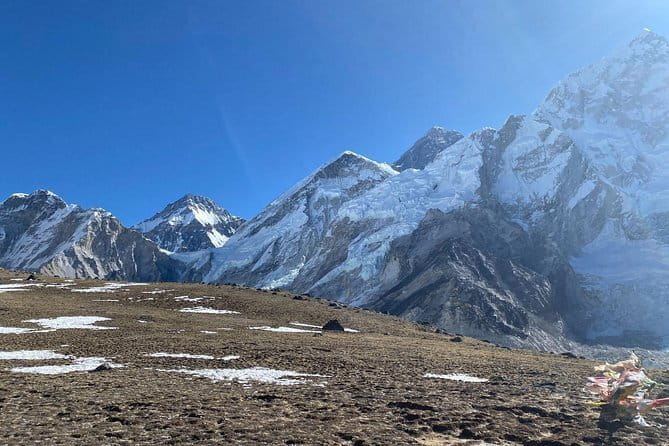
This is not just a hike to a photo spot. The route is shaped by geography and altitude, so the experience naturally turns from valley villages to high-alpine terrain. As the days stack up, the air gets thinner, forests fade, and the mountains get sharper and closer, especially around Everest Base Camp and Kala Patthar.
I also appreciate the way the itinerary uses people-friendly timing. The plan includes nights in major hubs, so you get a rhythm: walk, eat, rest, then repeat. That matters because “just keep going” is not how altitude works.
More ways to walk to Everest Base Camp:
- Everest Base Camp Trek – 14 Days
★ 5.0 · 1,499 reviews - Everest Base Camp Trek
★ 5.0 · 842 reviews - Everest Base Camp Helicopter Tour landing at Everest View Hotel
★ 5.0 · 668 reviews
Price and logistics: what you’re paying for at $1,800
At $1,800 per person, the real question is value for what is included. This package covers the big cost drivers that usually get added later: permits and the flights Kathmandu to Lukla and back, plus a guide and porter support.
It also includes 2 nights in Kathmandu in a 3-star hotel or similar, so you are not scrambling for a last-minute booking right before the trek. Meals are listed as 12 breakfasts, 10 lunches, and 10 dinners, which helps your budget during the days when it is hardest to plan on the fly.
A practical note: tips for guide and porter are not included, and tipping is expected. If you are the type who likes to know total trip cost upfront, set aside a portion of your budget for that.
Kathmandu warm-up: jet lag, paperwork, and getting on track
Day 1 is all about easing in. You meet the airport representative at Tribhuvan International Airport, and you are taken to your hotel. The start time is listed as 6:15 am, so you should plan for an early day even before the trek begins.
Kathmandu gives you what you need before the mountains: a bed, a chance to get settled, and access to the gear you might have forgotten. If you are traveling with any small nerves about the trek, this buffer day helps your brain switch modes from city travel to hiking.
Lukla day: the 35-minute flight that changes everything
On Day 2, you fly from Tribhuvan International Airport to Tenzing-Hillary Airport in Lukla at 2,804 m. The flight is brief, about 35 minutes, but it is a huge altitude jump and it sets the pace for the rest of the trip.
After landing, the guide briefs you and introduces the porters. Then you start trekking down toward the Dudh Kosi River and join the main trail heading toward Namche Bazaar. The walking to Phakding is described as easy, which is exactly what you want on a first trekking day at altitude.
If you are prone to stress about travel timing, this is where organization matters. A clear start means you focus on breathing and footing instead of hunting for route details.
More to compare around Kathmandu
- Private Kathmandu Sightseeing Tour | UNESCO World Heritage sites
★ 5.0 · 756 reviews - Kathmandu: 7 UNESCO Sites with Lunch
★ 4.8 · 744 reviews - Half day cooking class in Thamel kathmandu
★ 5.0 · 607 reviews - Everest Base Camp Trekking
★ 5.0 · 485 reviews
Namche Bazaar acclimatization: where altitude meets Sherpa life
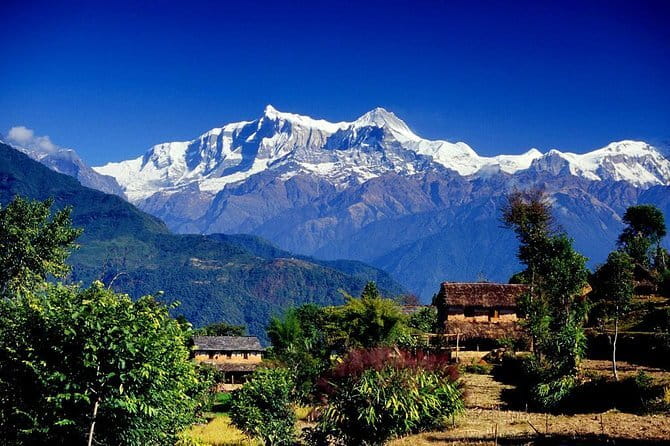
Namche Bazaar is where the trek really starts to feel like the Khumbu. On Day 3, you walk through forests, traditional villages with plowed fields, and yak pastures. You also see Thamserku as you approach the entrance area to Sagarmatha National Park. The trail is not just scenery, it is a slow, steady transition into a different world.
You then spend Day 4 at altitude with purpose. The plan builds an acclimatization day so your body can adjust. You can hike around the area for a few hours, or visit the Sir Edmund Hillary school in Khumjung. That stop adds meaning because it connects the trek to the people who live here and the history of mountain exploration in the region.
For many trekkers, Namche is also where you do last-minute supplies. If you forgot chocolate or small comfort items in Kathmandu, this is a place to catch up.
Tengboche to Dingboche: prayer flags, pine forests, and going higher
Day 5 is a steady step up toward Base Camp country. You leave Namche and hike to Tengboche. The trail climbs gradually, and at points it runs close to steep slopes, so watch your footing and take your time. You stop for lunch at 3,680 m, then continue to Tengboche for the night.
Tengboche is described with pine forests, small waterfalls, and colored rhododendrons. Even if you are tired, details like that help your mind stay present. It is easier to enjoy altitude when the day has small visual rewards.
Day 6 brings you into the Dingboche zone at 4,410 m. The route includes a few key transitions: you pass Pangboche, cross an alpine meadow above the tree line, and move through areas where the trail splits. The focus here is views, including Ama Dablam and the Imja River.
You also get an interesting practical detail in Dingboche. The helicopter landing pad is close to Moonlight Lodge, and there is an internet cafe and even a billiards hall noted as being among the highest in the world. That means if you want a small routine reset on a rest day, Dingboche is set up for it.
Your second acclimatization day in Dingboche (Chhukung options)
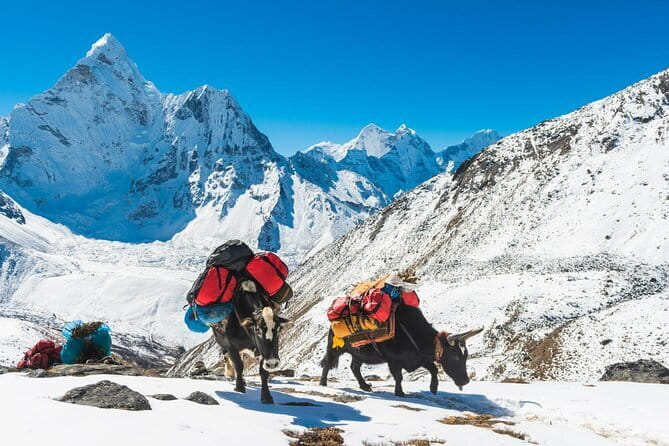
Day 7 is another built-in altitude check. You can climb to Chhukung Ri at 5,550 m for views of Makalu, Ama Dablam, and Baruntse. Or you can hike around Chhukung village at 4,730 m.
I like having two choices. If you feel strong, you can go for the viewpoint. If you feel your legs or lungs need an easier day, you can keep it gentler and still get the benefits of being outside and moving.
The plan also mentions Hotel Bright Star as a lunch spot in Chhukung. That is helpful because it removes one decision when you are working with limited time and altitude.
Lobuche: snow starts to show, and the trail feels emptier
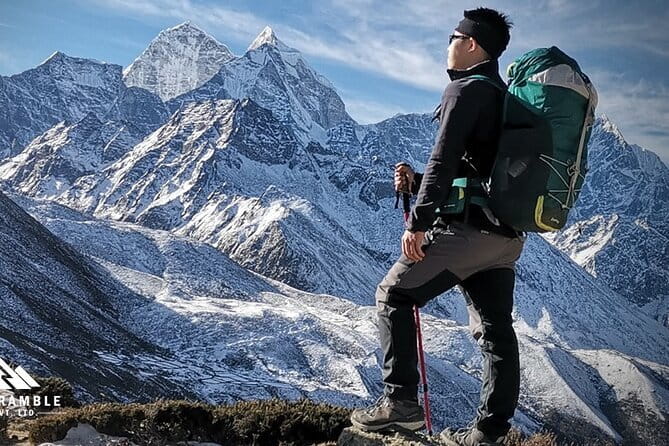
Day 8 hikes you to Lobuche at 4,910 m. You travel between wide valleys through Dughla, cross yak fields near Dusa, and then reach Lobuche. This is where the character of the trek changes.
Above the tree line, the trail is now empty in places and snow-covered. You see slopes with snow rather than green hills and forests. Also, there are no Sherpa villages where you sleep in Lobuche, so you rely on the tea houses for comfort and meals.
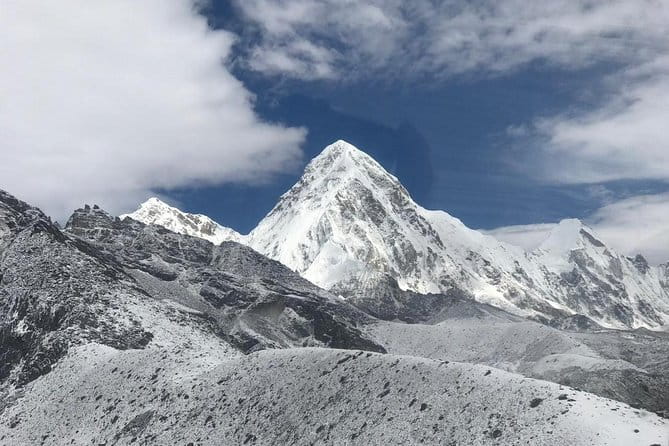
The payoff is the views. You get mountains like Tawache, Pumari Peak, and Cholaste nearby, and the plan calls out that you cannot look away. In practical terms, that matters because the visual reward makes the tougher walking feel worth it.
Gorakshep and Everest Base Camp: two stages of the big moment
Day 9 moves you toward the Base Camp area. It is about a two to three hour hike from Lobuche to Gorakshep. At around 4,900 m, you walk along the Khumbu Glacier, described as the world’s tallest glacier, about 12 km long with moon-like shapes.
This is also when the day shifts into exploration. You are not just marching. You take time to look at ice formations and small water pools, then head toward Everest Base Camp itself.
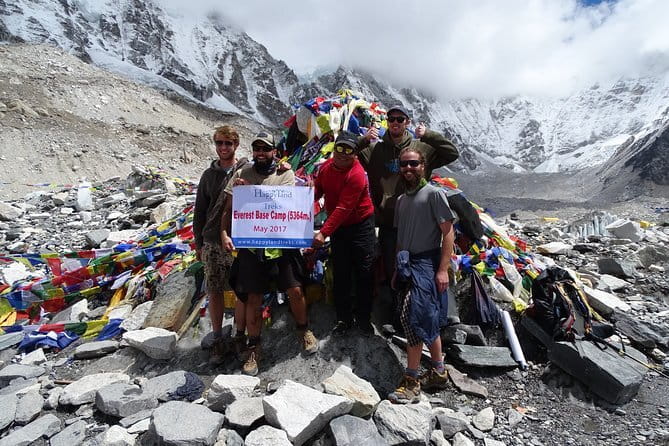
Standing at the base of the world’s tallest mountain is the emotional peak. Afterward, you return down to Gorakshep. If you are thinking ahead, this is the part where having a good breakfast matters. You are pushing effort to reach a goal, then still need the energy to walk back.
Kala Patthar at 5,545 m: the view that makes the hard days click
Day 10 is built around the highest viewpoint in this route: Kalapatthar at 5,545 m. You walk toward the top for a close view of Mount Everest, Ama Dablam, and Pumori.
This is the day when you feel the trek’s total story. Earlier days trained your legs and acclimatized your body. Now the mountains fill your field of view, glaciers too. It is a classic late-stage reward: you worked for it, and the reward is specific, not vague.
After the main climbing time, the plan includes a visit to the H.M.A.R. hospital built in 1975, or you can visit a nearby village at 4,371 m. That adds a human dimension. It is a reminder that this area is not only for big expeditions, it is also supported by community and healthcare.
The return trek: easier walking, same altitude awareness
Day 11 walks you back toward Namche Bazaar with an easier trail and frequent brief stops to take in the views. The route passes Orsho, Somare, Pangboche, and Tengboche. Then you reach Namche again.
When people fear return days, it is often because they think they will be exhausted. But a downhill and flatter-feeling route can be a relief. Still, altitude doesn’t disappear just because the trail feels easy. You keep pace, hydrate, and take it slow.
Day 12 is the final trek day in the Everest region. You head back to Lukla. The plan includes a group moment: talking about what each person did to make the trek happen, then relaxing with a hot shower, and in the evening, drinks and dancing with other group members.
Even if you are not the dancing type, the point is social decompression. You come down from intense days, so it helps to share the story while it is still fresh.
Back to Kathmandu: last mountain looks and the chance to plan your next stop
Day 13 is the return flight from Lukla to Kathmandu. It is again about 35 minutes, and you get your last look at the mountains and your last morning in the Everest region. Then you are met and taken back to the Kathmandu hotel.
Day 14 ends with an airport transfer to Tribhuvan International Airport for your departure flight. The plan notes you can extend your trip with other activities like a jungle safari in Chitwan, river rafting, shopping in Kathmandu, or mountain biking. That flexibility is useful if you want to avoid “all mountains, no rest” travel burnout.
Guides, support, and why names matter for peace of mind
One of the strongest signals from the operator side is consistency in service and planning. Past trekkers have praised leadership and smooth coordination, including strong engagement from Binod Sapkota and guides like Sujan Nepal, TB, Shiva, Dipak, and Tribhuvan in different trekking experiences.
I take those names as a clue about how the company approaches your trip. You are not just handed a route. You have people who handle briefing, help with preparedness, and keep things running when weather or timing gets tricky.
Who should book this Everest Base Camp trek, and who should think twice
This trek fits best if you have moderate physical fitness and want the classic Everest Base Camp experience with Sherpa village culture and multiple acclimatization stops. You also get structured support with a porter for luggage and an English-speaking guide with 10+ years of experience.
It might not be the best choice if you want total independence. This is a planned group trek with flights, set pacing, and included meals. Also, because the trip requires good weather for flight days, you should be comfortable with some uncertainty.
One more practical check: alcohol consumption has a minimum age of 18 years. If that matters to your group, you will want to plan accordingly.
Should you book this Everest Base Camp trek?
Book it if you want a well-paced, organized shot at Everest Base Camp with acclimatization days in Namche and Dingboche, plus the classic high viewpoint finish at Kala Patthar. The value is strongest if you like having major logistics handled, including permits and the Kathmandu-Lukla-Kathmandu flights, while you focus on hiking and altitude.
Don’t book it if your schedule is rigid or you can’t handle weather disruptions tied to Lukla flights. Also, only book if you are serious about altitude safety, meaning you carry required insurance coverage and you are honest about your fitness. If you do those things, this route is a meaningful, memorable way to experience the Everest region the way it is actually lived, not just photographed.
FAQ
What is included in the price for this Everest Base Camp trek?
The package includes a trekking guide (English speaking, 10+ years experience), porter service for luggage (2 guests sharing 1 porter), all permits, flights Kathmandu-Lukla-Kathmandu, 2 nights in Kathmandu at a 3-star hotel or similar, and meals listed as 12 breakfasts, 10 lunches, and 10 dinners.
How do you travel between Kathmandu and Lukla?
You fly from Tribhuvan International Airport in Kathmandu to Tenzing and Hillary Airport in Lukla. The flight time is listed as about 35 minutes, and you return the same way at the end of the trek.
What altitude does the trek reach?
The plan highlights Kala Patthar at 5,545 m. It also mentions Chhukung Ri at 5,550 m, Lobuche at 4,910 m, and Dingboche at 4,410 m, with Everest Base Camp reached during the days around Gorakshep.
Are there rest or acclimatization days during the trek?
Yes. You have an acclimatization day in Namche Bazaar (Day 4) and a day off in Dingboche with options like climbing Chhukung Ri or hiking around Chhukung village (Day 7).
What fitness level do I need?
The tour states that travelers should have a moderate physical fitness level.
How big is the group?
The tour/activity has a maximum of 15 travelers.
Latest Kathmandu write-ups
- Langtang Valley Trek★ 5.0 · 3 reviews
- Khopra Danda Trek★ 5.0 · 3 reviews
- Langtang Valley Trek from Kathmandu★ 5.0 · 3 reviews
- 5 night / 6 days Kathmandu Nagarkot Chitwan Pokhara tour★ 5.0 · 3 reviews
- Nepal Highlights Tour: 5 Nights 6 Days Kathmandu & Pokhara Tour★ 5.0 · 3 reviews
- Kathmandu Valley Private Day Tour★ 5.0 · 3 reviews
- Conquer the Himalayas: The Ultimate 16-Day Annapurna Circuit Trek★ 3.5 · 3 reviews
- Kathmandu Heritage Day Tour★ 5.0 · 3 reviews
Everest Base Camp Trek, compared.



Everest Base Camp Helicopter Tour landing at Everest View Hotel
Read our review →



Everest Base Camp Helicopter Tour landing at Hotel Everest View
Read our review →
Browse the lists this tour appears in