
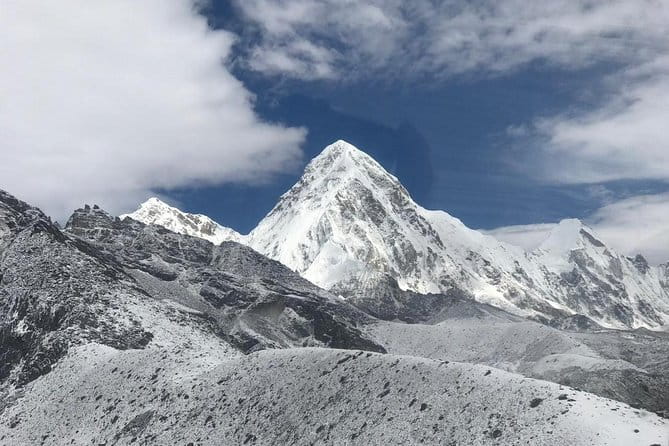
Reviewed · EVEREST BASE CAMP TREK
Everest Base Camp Trek – 14 Days
Everest Base Camp is interesting because this trek is not only about a photo at the end. You work your way through the Khumbu, visit places like Tengboche Monastery, and then push up to Kalapaththar (5,545m) for big mountain views tied to real trekking effort.
What I like most is the way the trip balances scenery with pacing. You get early-Lukla-start views and a clear acclimatization rhythm built into the route, including rest-day hikes around Namche and higher options from Dingboche. The main consideration is that this is a cold, physically hard trek at altitude, and even on the planned route you may still notice altitude-sickness symptoms and need to move slowly and deliberately.
Key Things You Will Notice on This Everest Base Camp Trek
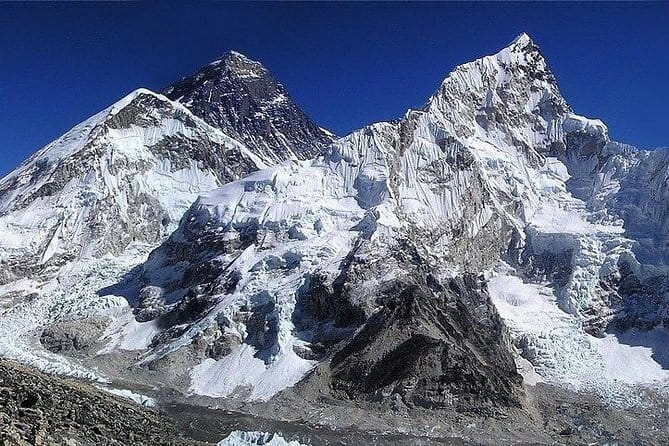
- Lukla flight sunrise views from the 40-minute Tenzing-Hillary Airport segment
- Acclimatization built in, with rest-day hikes near Namche and optional peaks from Dingboche
- Tengboche Gompa and Khumbu villages, not just trail and lodges
- Meaningful memorial prayer flags near the Lobuche area, including names like Scott Fischer and Babu Chhiri Sherpa
- A true high point day, where the trek’s top altitude is Kalapaththar at 5,545m
- Well-run logistics, including pre-booked lodges and responsive staff support in Kathmandu
Why Everest Base Camp Feels More Than a Checklist
If you’ve seen Everest Base Camp on postcards, you already know it looks dramatic. What surprised me while mapping this itinerary is how much it focuses on the lived-in Khumbu side of the story: monasteries, Sherpa communities, and the steady change from pine forests to stone and ice country as you climb.
The route also gives you a more realistic view of what you can expect. Base Camp sits high, at about 5,364m, but Everest is not guaranteed to be in your direct sightline from every Base Camp-adjacent viewpoint. You spend a long, important day reaching the Base Camp area, then you head back to Gorakshep. That means you get the “you were there” experience, without pretending every moment is a perfect Everest-on-the-horizon postcard.
Finally, there is a clear peak-and-reward logic. The itinerary’s highest altitude is Kalapaththar (5,545m), which makes the final climb day the emotional highlight for most people. Even the early start has a purpose, you go up while light is changing so you can catch views as the morning comes in.
More ways to walk to Everest Base Camp:
- Everest Base Camp Trek – 14 Days
★ 5.0 · 1,499 reviews - Everest Base Camp Trek
★ 5.0 · 842 reviews - Everest Base Camp Helicopter Tour landing at Everest View Hotel
★ 5.0 · 668 reviews
Price and Value: What You Pay for on a 14-Day Package
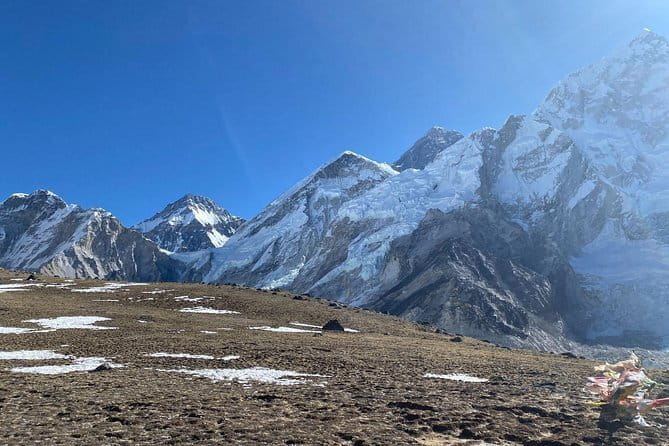
This trek costs $1,099.06 per person for 14 days (about 12 trekking days plus 2 days in Kathmandu). That price matters less as a number and more as a package decision.
Here’s what’s included, based on the tour details:
- 14 nights accommodation, with 2 night 3-star hotel in Kathmandu including breakfast
- Meals during the trek: 3 meals per day (breakfast, lunch, dinner), with coffee and tea
- Both-way domestic flight tickets to Lukla (or from Ramechhap, depending on your routing)
- Airport pick up and drop by private car in Kathmandu
- Trek support items like a driver pickup/drop to Ramechhap by shared vehicle if you like to use private car (not mandatory), and pre-booked lodging on the trek days
- All taxes, fees, and handling charges
What is not included:
- International airfare and Nepal visa fee
- Food in Kathmandu and any extra days in Nepal
- Tips for guides, porters, and driver
My practical take: the value is strongest if you do not want to manage the moving parts yourself. Domestic flights to and from Lukla, lodge bookings along the way, and meal planning can turn into real work and added stress. Paying for the bundle can be a good deal if you want the trek to feel organized from the start.
Where you should be careful is hidden opportunity cost. If you plan extra Kathmandu nights, private add-ons, or want more flexibility around flights, that can push your true total higher since extra food in Kathmandu is not included.
Day 1 in Kathmandu: Hotel Setup and Meeting Your Team
On arrival at Tribhuvan International Airport, an airport representative meets you. You then ride in a private tourist vehicle to your hotel, and you have time to relax or stop by their office to go over trek details.
Why this first day matters: it lets you start Day 2 with fewer unknowns. You’re also in Thamel Marg, so you’re close to the part of Kathmandu where you can handle basic purchases if needed, without burning time on long commutes.
This package includes two nights in Kathmandu, which helps you adjust to time, rest, and the reality that your next two weeks are all walking, cold mornings, and altitude.
Day 2: The Lukla Flight and the First Steps Toward Phakding
After breakfast, you go by vehicle to the domestic airport terminal early. The flight to Lukla is described as about 40 minutes, and the morning sunrise over snowcapped mountains is a key highlight.
When you land at Tenzing-Hillary Airport, the trek begins almost immediately after you meet your crew. You walk to Phakding, and this first trekking day is a warm-up in lodge life, not an endurance test.
Overnight is in a lodge or tea house in Phakding. That matters because your body learns the rhythm fast: slower walking, more frequent pauses, and more attention to how your breathing feels.
More to compare around Kathmandu
- Private Kathmandu Sightseeing Tour | UNESCO World Heritage sites
★ 5.0 · 756 reviews - Kathmandu: 7 UNESCO Sites with Lunch
★ 4.8 · 744 reviews - Half day cooking class in Thamel kathmandu
★ 5.0 · 607 reviews - Everest Base Camp Trekking
★ 5.0 · 485 reviews
Day 3: Into Sagarmatha National Park and Your First Big Everest Views
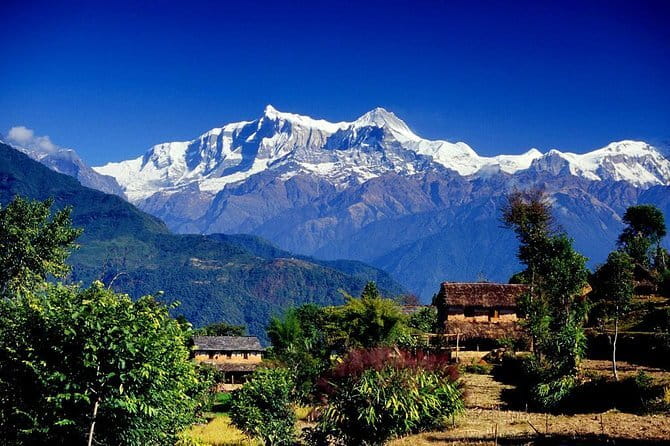
The route takes you through pine forests and past the Dudh Koshi River, with views toward peaks like Maunt Thamserku. After passing settlements and a check post, you enter Sagarmatha National Park.
Then the trail works upward through a confluence area, including the joining of Dudh Koshi River and Bhote Koshi River. The day ends in Namche Bazaar, where you get your first major welcome sighting of Everest along with ridges tied to Mount Lhotse and Mount Nuptse.
Practical note: Namche is also where you’ll see the infrastructure of trekking towns, like ATMs, internet cafes, and restaurants. It’s not luxury, but it is convenient when you need to re-check gear, charge devices, or just understand where you are.
Day 4: Namche Rest Day, Thame or Khunde, and the Visitor Center Stop
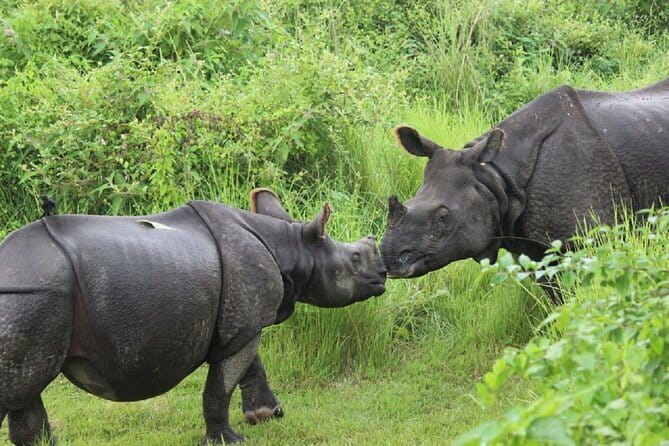
Day 4 is an acclimatization rest day. Instead of pushing higher, you do a short hike to a nearby viewpoint area such as Thame or Khunde, then do a local tour.
A key stop here is the Tourist Visitor Center, which shares information about Everest climbers, Sherpa culture, and the region’s flora and fauna. I like this kind of stop because it helps you interpret what you see on the trail. When you later pass monasteries and village areas, you’re not just walking through scenery, you’re moving through a culture with context.
Overnight again is in a lodge/tea house in Namche.
Day 5: Tengboche Gompa at Tyangboche and the Monastery Day
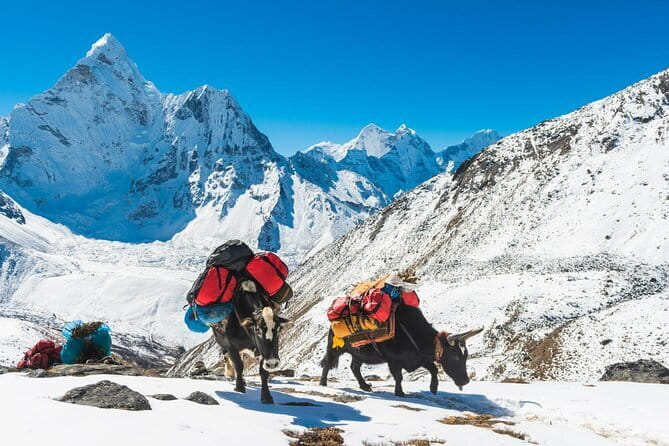
You leave Namche behind and continue along trails through juniper and rhododendron forests. As the vegetation changes, the mountain views tighten and feel closer.
You reach Tyangboche (Tengboche) and visit the area’s major monastery, the Tengboche Gompa. This stop is more than a quick photo break. It’s a moment where you see how spiritual life is woven into the daily rhythms of the Khumbu.
If you want a reason this trek feels authentic, this is one. The trail gives you hard altitude work, and the monastery day gives you a softer human perspective.
Day 6: Dingboche via Upper Pangboche, Shomare, Orsho, and Tsuro Wog
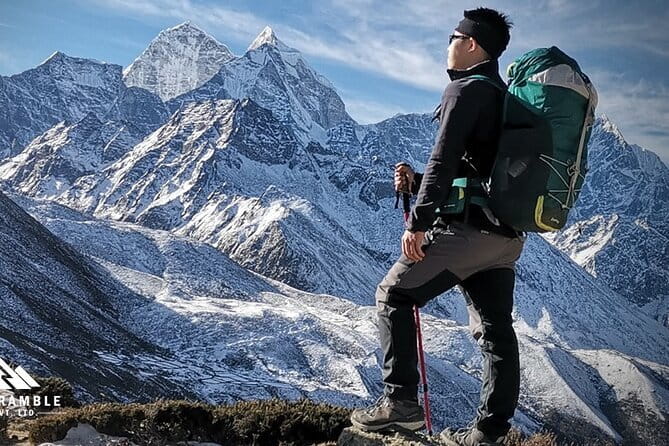
The day to Dingboche starts with trekking from Phorse or Tengboche. You pass through alpine forest sections and reach a larger village area in upper Pangboche. Then the itinerary moves through smaller village stops including Shomare, Orsho, and Tsuro Wog.
You’ll also be watching for changing mountain silhouettes. On the way, you can see peaks such as Taboche, Mount Thamserku, Mount Ama Dablam, Mount Nuptse, Mount Cholatse, and Mount Lhotse, among others.
It’s an 8-hour day in the plan. That’s the kind of time window where you learn a simple rule: if you rush, altitude punishes you. Slow, steady, and consistent wins here.
Overnight is in a lodge/tea house in Dingboche.
Day 7: Acclimatization Day With Options Up to Chhukung Ri
Day 7 is another acclimatization day. You can choose hiking options such as:
- Nangkartshang Peak (5,083m)
- Chhukung Ri (5,546m)
Another alternative mentioned is Nagarjun Hill at about 2,128m, plus local village hikes around Chhukung and Imja.
Why I consider this day a strong design choice: it gives you control. If you feel fresh, you can push. If you feel cloudy, you can still get walking in while protecting energy for the harder Base Camp and summit days.
Your reward is big views of surrounding peaks, including Makalu and Ama Dablam, depending on which hike you choose.
Overnight stays in Dingboche.
Day 8: Lobuche, Chupki Lhara, and Prayer Flags With Names
From the Dingboche area you trek toward Lobuche. The route includes walking up the steep terminal moraine of the Khumbu glacier, then climbing to the Chupki Lhara section with boulders.
This is also a day where the itinerary slows down emotionally. You pass a collection of stones with prayer flags used as memories for American mountaineer Scott Fischer and Nepalese Everest summit icon Babu Chhiri Sherpa. Those details make the route feel human, not mechanical.
The plan also notes that you may experience small symptoms of altitude sickness around here. I’d treat that as permission to go ultra-prudent with your pace. If you feel off, you don’t “push through,” you manage breathing and keep moving calmly.
Overnight is in a lodge/tea house in Lobuche.
Day 9: Everest Base Camp to Gorakshep, and Why Everest May Not Be in View
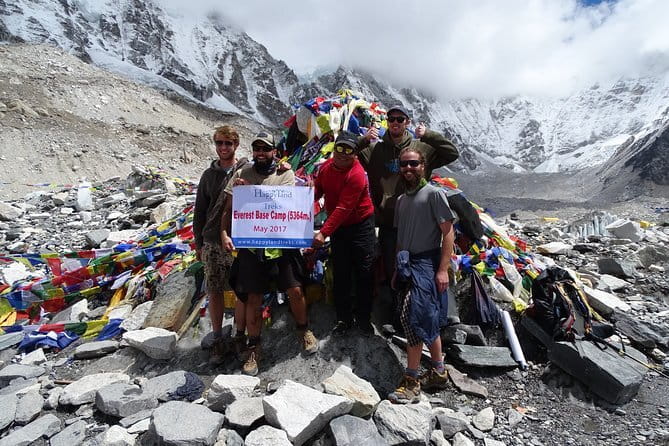
Day 9 is described as the most important day of the route: you trek to Everest Base Camp (about 5,364m), then return to Gorakshep. The timing in the plan is roughly 7 to 8 hours.
You pass a viewpoint area called Thangma Riju, where there’s a 360-degree panoramic view of surrounding snowcapped mountains. The itinerary is specific that Mount Everest itself is not seen from here, which is useful to know in advance.
Instead, you get strong views of peaks like Nuptse, Pumori, and the wider ridge lines that shape the Everest massif. Then you return to the area near Kalapathar and Changri glacier terrain.
At a practical level, this is the day where you learn that “the work” is as much about conserving focus and energy as it is about reaching a point on a map.
Overnight is in Gorakshep.
Day 10: The Early Climb to Kalapaththar (5,545m) and the Descent Toward Periche
This is the climax day in the plan. You start much earlier so you can watch the sky shift, with morning light hitting the mountains.
On the way up toward Kalapaththar, you can see peaks such as Lingtren, Khumbutse, and Changtse. The plan also recommends that you pause, catch your breath, and take photos when you can, because climbing at this altitude is not a straight-line sprint.
At the top, you’re promised panoramic views of the Himalayas. Then you descend after lunch toward Periche and sleep in a lodge/tea house.
If you’ve ever worried that the “top moment” is rushed or chaotic, this itinerary design helps. The day is long, but it’s built for slow movement, not reckless speed.
Day 11: Down Through Duglha and Pangboche, With an Oldest Monastery Stop
Day 11 continues the descent back toward lower villages. You move through Duglha after passing terminal moraine areas, then stop through places like Pheriche, Orsho, and Shomare.
Then you reach Pangboche. The itinerary highlights an older monastery in the region, and it includes a local legend about the storage of scalp and bones of Yeti, described as a snowman. Even if you treat legends as legends, it’s still an intriguing cultural stop.
After a bridge above Dudh Koshi River and into Dudh Koshi gorge, you continue downhill through pine forests to a Sansa trail junction. After lunch, the itinerary continues toward Namche Bazaar again, with mountain views of Ama Dablam, Lhotse, a tip of Everest, and Tengboche in the wider panorama.
Overnight returns to Namche.
Day 12: Steep Down to Lukla, Slowly Controlled on Rocky Terrain
The plan’s final trekking day focuses on a steep downward trail. It’s still hard work. The itinerary specifically says you should walk slowly and in a controlled manner on rocky terrain.
You cross a suspension bridge over Dudh Koshi, then pass open plains and rhododendron forest while enjoying distant mountain views. Eventually you reach Lukla.
Overnight is again in a lodge/tea house in Lukla.
Day 13: Lukla Flight Back to Kathmandu and a Well-Deserved Evening
You enjoy the mountain flight from Lukla to Kathmandu and then have time for shopping and walking around the city. The itinerary also frames the evening as a celebration for finishing the Everest Base Camp trek.
This rest day is also smart logistically. Your body will feel it by this point, and having a Kathmandu day breaks the nonstop rhythm so you’re not forced to immediately pack and travel.
Day 14: Wrap-Up Drop at the Meeting Point
Your tour ends back at the meeting point. If you want to extend, you can. Otherwise, a representative drops you for final departure.
For me, that last day is a reminder that trekking success is not just “getting there.” It also includes smooth transitions back to normal life.
How the Trek Gets Managed: Pace, Acclimatization, and Real Support
This route does a few things right for altitude management, and you feel it in the structure:
- Rest days in Namche and Dingboche, with optional hikes
- Clear transitions from forest zones into higher alpine and glacier-adjacent areas
- A big push day sequence, Base Camp to Gorakshep, then Kalapaththar early morning
- A final controlled downhill back to Lukla, which reduces the risk of pushing your body at the end
In the trekking world, people talk a lot about views. The practical truth is that what gets you to the top is your pace. Here, the itinerary keeps reminding you to go slow and conserve energy.
Service support seems to be a major reason people feel taken care of. In the feedback I saw, Ghan is named repeatedly as a responsive Kathmandu point person who helps with gear and planning, and who meets you at the airport. Other guides and porters named include Santosh Tamang, who was described as caring and even assisting someone who needed help during the trek, and Raju, credited with care and support. Another guide named Lila is described as professional and attentive throughout. Those names are not just feel-good details. They signal that you’re not walking a solo route with guesswork.
Also note the lodge approach. People specifically praised that lodging was pre booked and that rooms were handled well. That removes one common headache on multi-day mountain trips.
Who This Trek Suits Best, and Who Might Rethink It
This trek fits you best if:
- You have moderate physical fitness and you’re willing to walk long days
- You want a structured route with acclimatization built into the itinerary
- You prefer having pre-booked lodges and meals handled, instead of planning everything daily
Consider rethinking if:
- You want a short, easy hike. This is a cold, physically hard trek and you will be climbing repeatedly
- You expect Everest to be perfectly visible from every Base Camp moment. The itinerary notes Everest is not seen from at least one key Base Camp-adjacent viewpoint
If you’re traveling as a small group, the setup also helps. This is listed as private, so only your group participates.
Should You Book This Everest Base Camp Trek?
I’d book this if you want a well-run Everest Base Camp experience that focuses on pacing, logistics, and the Khumbu culture on the way up and down. The included domestic flights, Kathmandu hotel with breakfast, and three-meals-per-day trek plan add up to a package that reduces daily stress. Add in the itinerary’s acclimatization logic and a high-point day at Kalapaththar, and you’re set up for a memorable trip that feels earned, not just purchased.
Before you book, double-check your expectations about what you see from Base Camp, and be honest about cold and altitude. If you can accept that you’ll need slow controlled effort, you’ll probably love how all the pieces fit together.
FAQ
Where does the tour start and end?
It starts at Himalayan Partner Treks and Expedition at 3rd Floor, Heliptter Tours in Nepal, Thamel Marg, Kathmandu 44600, Nepal. It ends back at the same meeting point.
When does the tour start each day?
The start time listed is 5:00 am.
How long is the Everest Base Camp trek?
The duration is 14 days (approx.).
What is the highest altitude on this route?
The highest altitude covered is Kalapaththar at 5,545m.
What accommodation is included in Kathmandu?
The package includes 2 nights at a 3-star hotel in Kathmandu with breakfast.
Are meals included during the trek?
Yes. You get 3 meals per day during the trek (breakfast, lunch, dinner), including coffee and tea.
Are flights included?
Yes. The package includes both-way flights tickets to Lukla or from Ramechhap.
What is not included in the price?
International airfare and Nepal visa fee are not included, and food in Kathmandu and extra days in Nepal are also not included. Tips for guides, porters, and driver are not included.
Who is this tour suitable for?
The tour says travelers should have a moderate physical fitness level.
Can I cancel for a full refund?
Yes, free cancellation is listed. You can cancel up to 24 hours in advance for a full refund. If you cancel less than 24 hours before the start time, the amount you paid will not be refunded.
Latest Kathmandu write-ups
- Langtang Valley Trek★ 5.0 · 3 reviews
- Khopra Danda Trek★ 5.0 · 3 reviews
- Langtang Valley Trek from Kathmandu★ 5.0 · 3 reviews
- 5 night / 6 days Kathmandu Nagarkot Chitwan Pokhara tour★ 5.0 · 3 reviews
- Nepal Highlights Tour: 5 Nights 6 Days Kathmandu & Pokhara Tour★ 5.0 · 3 reviews
- Kathmandu Valley Private Day Tour★ 5.0 · 3 reviews
- Kathmandu Heritage Day Tour★ 5.0 · 3 reviews
- Conquer the Himalayas: The Ultimate 16-Day Annapurna Circuit Trek★ 3.5 · 3 reviews
Everest Base Camp Trek, compared.



Everest Base Camp Helicopter Tour landing at Everest View Hotel
Read our review →


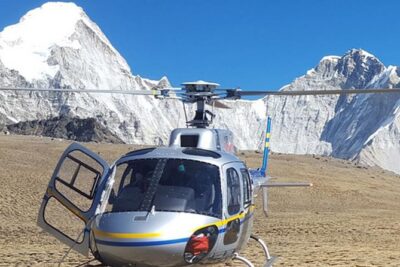
Everest Base Camp Helicopter Tour landing at Hotel Everest View
Read our review →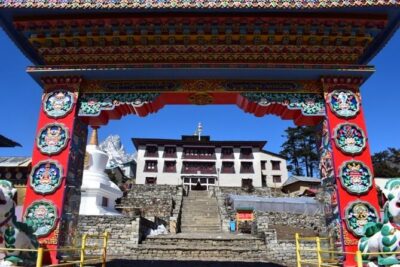
Browse the lists this tour appears in