
Reviewed · EVEREST BASE CAMP TREK
Everest Base Camp Trek 14 days
Everest Base Camp Trek is interesting because you start in Kathmandu, fly to Lukla, and then walk step by step into the high Himalaya over 5,000m. I like how the route builds in acclimatization stops at Namche Bazaar and Dingboche, and I also like the way Happyland Treks handles the moving parts, including pickup in Kathmandu and domestic flights to Lukla. One drawback to consider is that altitude is real work, and the trek needs steady fitness plus good weather for the Lukla flights.
I also like the human touch. Happyland Treks founder Bimal Dahal, known as Happy Bimal, is the kind of operator who explains the trek clearly ahead of time, and that helps you show up calmer and better prepared. If you are not comfortable with cold, basic tea house living, or paying for extras along the trail (like hot showers and battery charging), plan for that now.
Key highlights worth putting on your radar
- Lukla flight built into the package, Kathmandu to Lukla and back again
- Two Kathmandu nights with breakfast, plus airport pickup and drop-off
- Acclimatization days at Namche Bazaar and Dingboche, not just a rushed grind upward
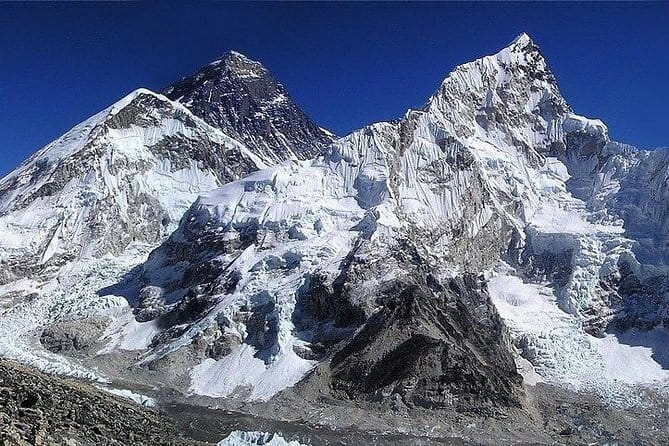
- Kalapathar sunrise at 5,550m, one early hike with big payback
- Tea house meals included, with three cups of tea or coffee per trekking day
- Strong pre-trip communication from Bimal Dahal (Happy Bimal), including planning guidance
Why Everest Base Camp feels like a different planet in 14 days
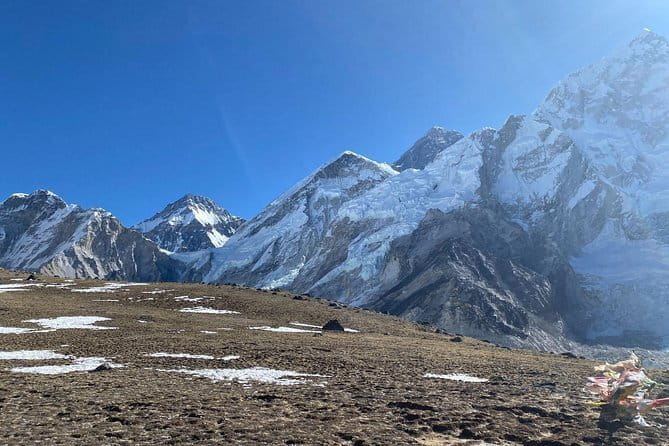
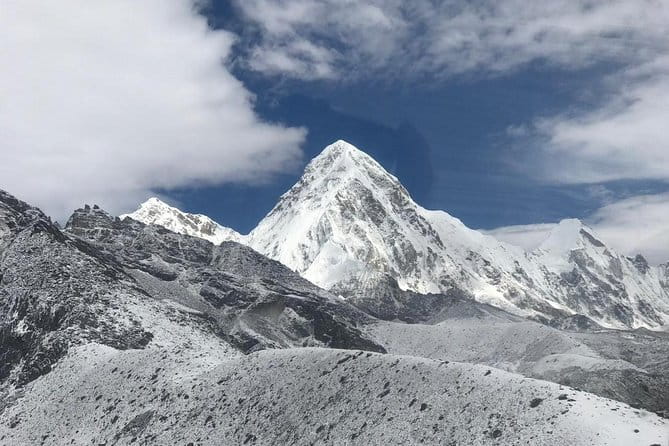
This is one of the few treks where you can feel the mountains change your breathing day by day. You start around Lukla at 2,840m, then climb to Everest Base Camp area at 5,364m, plus the big viewpoint day at Kalapathar (5,550m). The numbers matter, because the itinerary is built around getting your body used to altitude, not just getting your boots moving.
I like that the route keeps giving you landmarks to aim for. You are not guessing where you are going, you are walking toward Namche, then Tengboche, then Dingboche, then the high camps like Gorakshep. That clarity makes the long days feel less like a mystery and more like a plan.
The big consideration is that this is still a high altitude trek. Even with acclimatization, you can feel fatigue, sleep poorly, or get hit by altitude stress. If you know you get sick easily, want a very laid back holiday, or hate early mornings, you should think carefully before committing.
More ways to walk to Everest Base Camp:
- Everest Base Camp Trek – 14 Days
★ 5.0 · 1,499 reviews - Everest Base Camp Trek
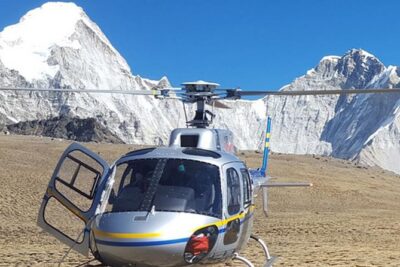
★ 5.0 · 842 reviews - Everest Base Camp Helicopter Tour landing at Everest View Hotel
★ 5.0 · 668 reviews
Happyland Treks logistics: Kathmandu nights, pickup, and the Lukla flight factor
Your trip starts in Kathmandu with two nights of accommodation with breakfast and airport pickup and drop-off. That matters because it removes the stressful scavenger hunt for transport on day one, and it gives you time to prepare properly. You also get a clear meeting point at Happyland Treks in Kathmandu, with a start time of 5:00 am.
Then comes the key logistical piece, the flight to Lukla. You fly Kathmandu to Lukla (about 40 minutes), trek after landing, and later fly Lukla back to Kathmandu. Domestic flights are included, along with airport tax, which is a real value because these flights can be expensive when booked separately.
One more detail I appreciate is that Happyland Treks includes the paperwork side: TIMS card and Everest National Park trekking entry permit. Permits are not glamorous, but they keep your trek legitimate and help your guide operate smoothly with local requirements.
A note you should take seriously: this experience requires good weather. If poor weather forces a cancellation, you are offered a different date or a full refund, so you will want a little flexibility in your overall Nepal plan.
Day-by-day rhythm from Lukla to Namche Bazaar
Day 1 is arrival and orientation. You land in Kathmandu, get transferred to your hotel, and overnight in Kathmandu so you can prep for the trek.
Day 2 is the big transition day. You fly from Kathmandu to Lukla (2,840m), eat breakfast in Lukla, then trek to Phakding (2,610m). That drop in elevation is a helpful warm-up, and it gives your legs time to wake up before the higher climbs start.
Day 3 pushes upward to Namche Bazaar (3,440m). Trekking from Phakding to Namche is where the trail starts to feel more Himalayan. This is also a long day in practice, even if you are pacing yourself, because you are moving into the zone where oxygen is thinner.
Day 4 is the acclimatization day at Namche Bazaar. The itinerary calls it rest, chilling, exploration, and enjoying the view. In plain terms, this day can make or break how you feel later, so treat it like training for survival, not like a free sightseeing sprint.
My practical advice: use this day to walk a little, not a lot. You want your body to register altitude and keep functioning, not get wrecked right before the climb to Tengboche.
Tengboche to Dingboche: where acclimatization becomes a lifestyle
Day 5 takes you from Namche to Tengboche (3,868m). This is a classic trekking move, gaining elevation while still staying in a range your body can adjust to. Tengboche is often the kind of stop where you get a calmer village feel and strong mountain sightlines.
Day 6 moves to Dingboche (4,410m). Higher elevation means slower steps and more frequent breaks. You will likely notice how every “quick push” feels heavier here than earlier days.
Day 7 is another acclimatization day at Dingboche. The plan is explore around, rest, and get your body ready for the higher stretch. This is the day you should focus on sleep and hydration, because the next steps take you toward near-5,000m altitude and higher camps.
Here is why I think these acclimatization stops are a strong part of this package. Many trekking plans try to cram more altitude gain than your body can comfortably handle. This one gives you two intentional breathing pauses, Namche and Dingboche, which is what you want for a safer, more enjoyable experience.
More to compare around Kathmandu
- Private Kathmandu Sightseeing Tour | UNESCO World Heritage sites
★ 5.0 · 756 reviews - Kathmandu: 7 UNESCO Sites with Lunch
★ 4.8 · 744 reviews - Half day cooking class in Thamel kathmandu
★ 5.0 · 607 reviews - Everest Base Camp Trekking
★ 5.0 · 485 reviews
The high camps: Lobuche, Gorakshep, and Everest Base Camp
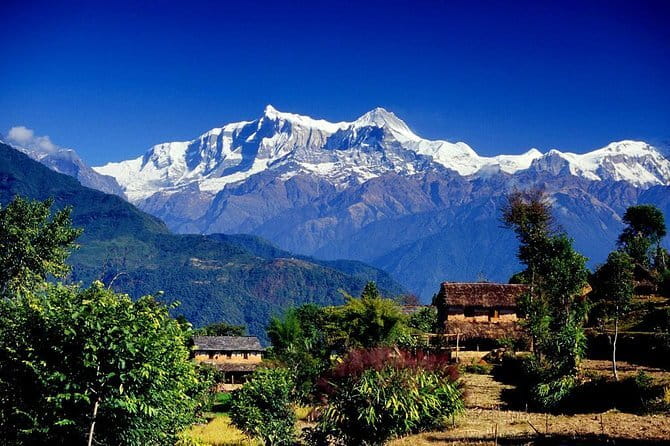
Day 8 is from Dingboche to Lobuche (4,910m). You are climbing into a zone where every extra meter feels big. Expect cold, expect slower trekking, and expect that your effort feels louder than your surroundings.
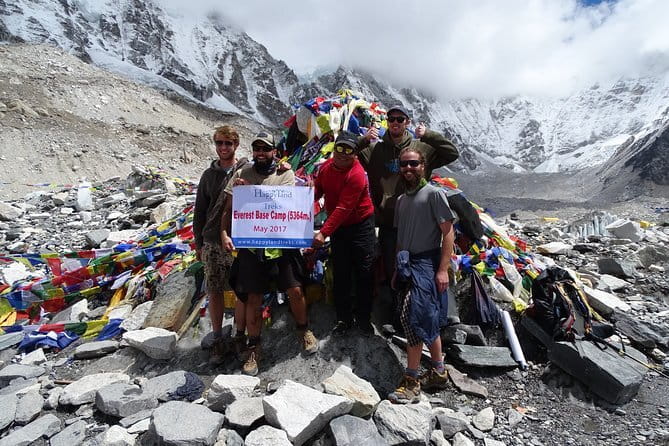
Day 9 is the high summit approach day in stages. You trek from Lobuche to Gorakshep (5,180m), then onward to Everest Base Camp (5,364m), and overnight in Gorakshep. This is one of those days where you can feel both excitement and fatigue at the same time.
Gorakshep is your base for the next morning. Staying there is not just about convenience, it sets you up for the viewpoint day that comes right after. It also means you get used to sleeping at a higher elevation, which can be uncomfortable, but it is part of the plan.
I love that the itinerary is explicit about what you are doing on day 9, because Everest Base Camp is the goal, not an optional detour. When you know you will reach Base Camp and sleep nearby, the day feels structured instead of uncertain.
Kalapathar sunrise: the early hike that makes the whole trek feel worth it
Day 10 starts early with the hike up to Kalapathar (5,550m) to see the sunrise and mountain range, including Mt Everest. Then you return to Gorakshep for breakfast and trek to Pangboche (3,990m).
This is the classic high altitude “payoff” day. Even when sunrise plans change due to clouds or conditions, the effort still gives you big views and a sense of achievement. You are also gaining experience on how your body handles early starts at altitude, which helps you feel steadier on the way down.
The trek from Pangboche to lower elevations begins the shift from altitude grind to long-distance recovery. You will feel the difference when you start dropping again, even if it is not a dramatic downhill all at once.
Heading back down: Pangboche to Namche to Lukla
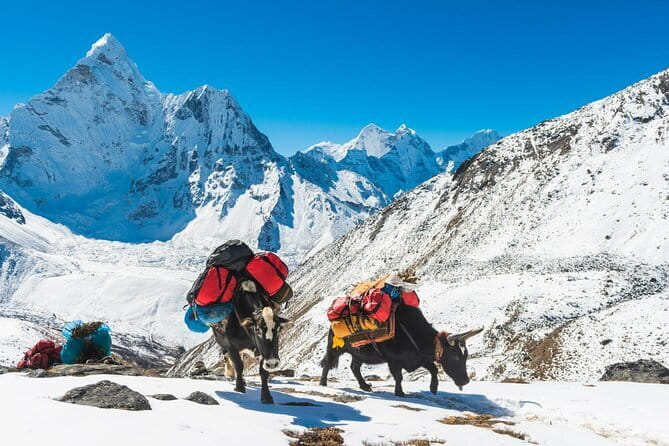
Day 11 is Pangboche to Namche Bazaar (3,440m). This is a major “reset” day because you are coming back into the altitude zone where your body feels more like itself. Still, downhill can be tough on knees, so go slow and use breaks.
Day 12 is Namche Bazaar to Lukla (2,840m). By now you might feel tired of trekking, but this is also a satisfying day because you can sense the journey ending. You are returning to the place you first landed after your flight, which gives you a clean loop in the itinerary.
Day 13 is a morning flight back to Kathmandu (1,336m). Then the trip ends at the meeting point, with Day 14 offered for departure or extra time in Kathmandu.
If you have even one extra day in Kathmandu, you can use it to wash clothes, eat a proper meal, and decompress. This trek turns your daily schedule upside down, and your body appreciates a softer landing.
Price and value: what $1,897 covers and what you still need to budget
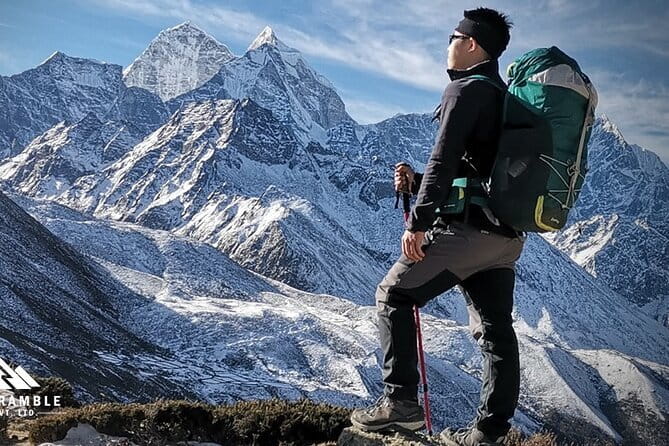
At $1,897 per person, this is not a cheap trek, but it is also not just a guide walking with you. Your package includes domestic flights Kathmandu to Lukla and back, two nights in Kathmandu with breakfast, tea house accommodation during the trek, and all standard meals while trekking.
That is the value math that matters. If you had to piece together flights, permits, guide, porter, and meals yourself, you would likely spend time and money chasing logistics. Here, those elements are bundled.
You also get porter service (1 porter between 2 people basis). That helps a lot if you want to keep your pack reasonable. You still need to carry some personal gear, but cutting the load usually makes high altitude days more manageable.
What is not included is equally important for planning. You pay for travel medical insurance and emergency evacuation costs, Nepal entry visa fee, international airfare, and personal equipment. You also should plan for tips for guide and porter, plus personal expenses like hot showers, water bottle costs, cold drinks, hot water, and battery charging.
My take: the price feels most fair if you want a smooth, handled experience and you are already ready to budget for insurance, visa, and the extra comforts that are not included.
Tea houses, meals, and daily comfort at altitude
This trek is built around tea house accommodation and included standard meals with three cups of tea or coffee a day. That means you do not need to carry a full cooking system or figure out every meal stop.
Still, tea houses at altitude are not hotel living. You should expect basic comfort and pay attention to warm layering and cold nights. The itinerary also flags that hot shower and other personal comforts are extra, so plan to rely on what is included, plus what you bring.
A practical approach is to treat the meals as fuel, not as a restaurant experience. Eat regularly, even when you are not super hungry, and drink enough to stay functional.
The itinerary includes a medical kit and covers staff accommodation, food, salary, insurance, and medicine for staff. That does not replace your personal responsibility, but it does suggest the operator is set up for real trekking conditions.
Fit level, safety, and the one thing you should not bargain with
The trek is described as needing moderate physical fitness. That is a good sign, but altitude makes this more demanding than a normal moderate trek. You should train your walking endurance ahead of time and practice steady pacing rather than speed.
Because evacuation costs are not included, I strongly recommend you plan travel medical insurance that explicitly covers high altitude trekking. The data here is blunt: insurance and emergency evacuation cost are not part of the package, so treat that as a must, not a suggestion.
Also remember that flights and schedule depend on weather. The plan includes domestic flights and a return flight to Kathmandu, and the experience can be canceled due to poor weather. If your whole vacation is locked to one fixed flight date, you will feel stress when nature decides otherwise.
Who this trek suits best
This works well if you want the classic Everest Base Camp route with real acclimatization stops. It also fits you if you appreciate handled logistics, like pickup in Kathmandu and pre-organized domestic flights to Lukla.
It is a good choice for people who want a private experience, because this is listed as private, meaning only your group participates. If you travel with friends or family, the shared porter arrangement can also help keep things reasonable.
It may not suit you if you hate early mornings, dislike cold weather, or need frequent hotel-style comfort. The package is designed for trekking reality, not resort comfort.
FAQ
What is included in the Everest Base Camp trek package?
Included are airport pickup and drop-off in Kathmandu, two nights of accommodation in Kathmandu with breakfast, TIMS card, Everest National Park trekking entry permit, standard meals (breakfast, lunch, dinner) while trekking, three cups of tea or coffee per day, tea house accommodation during the trek, an English speaking guide, porter service (1 porter between 2 people basis), medical kit, trip certificate, and a company duffel bag and a t-shirt. Domestic flight tickets and airport tax for Kathmandu to Lukla and back are also included.
Are the Kathmandu and Lukla flights included?
Yes. Domestic flights Kathmandu to Lukla and Lukla to Kathmandu, plus airport tax, are included.
Do I get an acclimatization day?
Yes. There are acclimatization days at Namche Bazaar and at Dingboche.
What trekking permits are covered?
The package includes a TIMS card and the Everest National Park trekking entry permit.
Is there a porter service, and how does it work?
There is porter service listed as 1 porter between 2 people. That means you should plan to share porter support with your group arrangement.
What meals and drinks are included on the trek?
Standard meals are included while trekking, including breakfast, lunch, and dinner. You also get three cups of tea or coffee per day.
What is the cancellation policy?
Free cancellation is offered up to 24 hours in advance for a full refund. If canceled less than 24 hours before the experience starts, the amount paid is not refunded. The experience requires good weather, and if canceled due to poor weather you are offered another date or a full refund.
Should you book this Everest Base Camp trek with Happyland Treks?
If you want the core Everest Base Camp experience with acclimatization days, tea house living, and a package that covers flights, permits, meals, and a guide, this is a strong match. The price becomes easier to justify when you consider that domestic flights to Lukla and the official permit paperwork are included.
Book it if you are ready for cold nights, slower altitude days, and paying for personal extras like hot showers and battery charging. If you have a tight schedule or dislike weather-dependent planning, then you should add buffer time and protect your travel dates.
Latest Kathmandu write-ups
- Langtang Valley Trek★ 5.0 · 3 reviews
- Langtang Valley Trek from Kathmandu★ 5.0 · 3 reviews
- Khopra Danda Trek★ 5.0 · 3 reviews
- 5 night / 6 days Kathmandu Nagarkot Chitwan Pokhara tour★ 5.0 · 3 reviews
- Nepal Highlights Tour: 5 Nights 6 Days Kathmandu & Pokhara Tour★ 5.0 · 3 reviews
- Kathmandu Valley Private Day Tour★ 5.0 · 3 reviews
- Kathmandu Heritage Day Tour★ 5.0 · 3 reviews
- Conquer the Himalayas: The Ultimate 16-Day Annapurna Circuit Trek★ 3.5 · 3 reviews
Everest Base Camp Trek, compared.



Everest Base Camp Helicopter Tour landing at Everest View Hotel
Read our review →


Everest Base Camp Helicopter Tour landing at Hotel Everest View
Read our review →
Browse the lists this tour appears in