
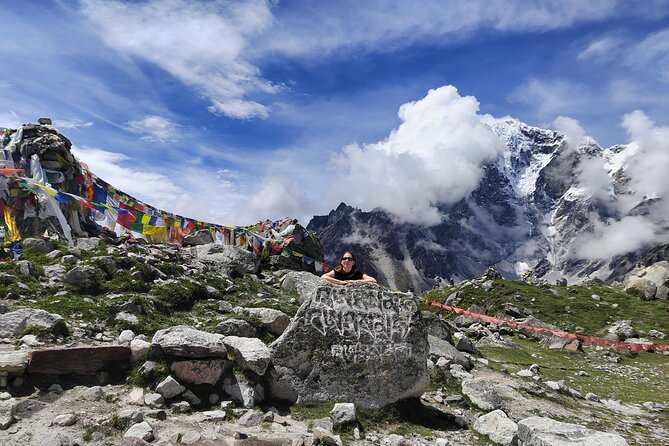
Reviewed · EVEREST BASE CAMP TREK
Everest Base Camp Trek 15 Days
Everest Base Camp is interesting because you are trekking toward the world’s highest mountain, but you are also moving through Sherpa villages, Buddhist monasteries, pine and rhododendron forests, and the surreal icefall zone of the Khumbu region. I especially like the focus on clean, scenic lodges for warm nights and the Sherpa hospitality that keeps the whole experience human, not just hardcore. One thing to consider: this is a high-altitude trek where even a smooth plan depends on your pace, and it also runs only in good weather.
You’ll want to be realistic about fitness and schedule. The tour asks for moderate physical fitness, and start time is early at 6:15 am in Kathmandu. Also, key costs are not included, like the Nepal visa, insurance, and tips for guide and porter, so your total budget will be higher than the headline price.
Key Highlights You Should Know
- Sherpa-led support with named guides and porters: Pasang, Lakpa, Buddha Tamang, Gumbo, and more show up in standout experiences.
- Lodge comfort on most nights: clean, scenic lodging is part of the selling point, not an afterthought.
- Cultural trekking, not just altitude: Sherpa traditional villages and Buddhist monasteries along the way.
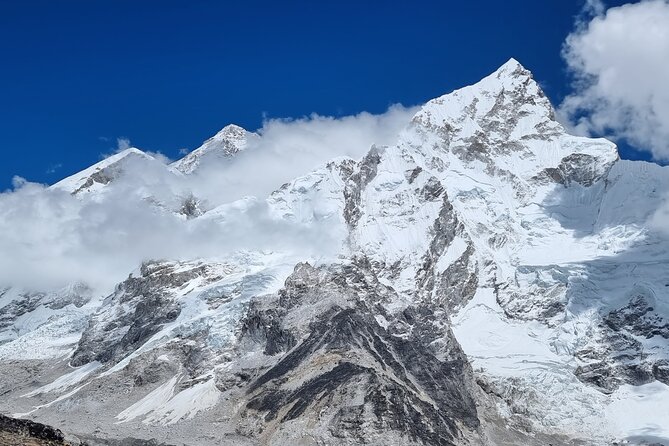
- Classic high-mountain scenery zones: views of big peaks plus forest trekking before the harsher icefall area.
- Well-run private group feel: it’s private, so your group stays together.
- Strong value structure: meals, sleeping bag, duffel bag, and all fees and taxes are included in the price.
Everest Base Camp, Sherpa Villages, and Why This Trek Feels Personal
Everest Base Camp hits your bucket list in a very direct way, and that alone is powerful. But what makes this version of the trek feel more personal is the mix: you are not only chasing elevation and views, you are also living among Sherpa communities and their Buddhist traditions. Expect monastery stops and village days that give context for what you are seeing high above the clouds.
Two parts consistently matter to me when I look at value for a trek like this. First, the emphasis on warm, comfortable lodge nights. High altitude days are exhausting, and having a real place to sleep matters more than people think. Second, the repeated praise around guide care and porter support. When the team is strong, the trip feels safer and more manageable, especially on tired days.
The main drawback is also the most common one on the Everest trail: weather and altitude. The itinerary depends on good conditions, and the tour specifically says it requires good weather. If you are the type who hates waiting, you’ll need patience.
More ways to walk to Everest Base Camp:
- Everest Base Camp Trek – 14 Days
★ 5.0 · 1,499 reviews - Everest Base Camp Trek
★ 5.0 · 842 reviews - Everest Base Camp Helicopter Tour landing at Everest View Hotel
★ 5.0 · 668 reviews
Kathmandu Start: The Early 6:15 am Advantage
This trek begins in Kathmandu at Sherpa Expedition And Trekking, Chaksibari Marg, with a start time of 6:15 am. You can also count on pickup being offered, and the meeting point is near public transportation, which is handy if your schedule in Kathmandu is flexible.
Why that matters: an early start helps you get your day moving without wasting daylight on logistics. On trekking trips, timing can snowball. Miss a smooth transfer window and you risk delays that feel bigger once you are already tired.
This is also a private tour/activity, meaning only your group participates. For many people, that is the difference between a trek that feels personal and one that feels like a moving crowd.
Training for “Moderate Fitness” on a High-Altitude Trek
The tour is aimed at travelers with moderate physical fitness. That phrase can sound safe, but on Everest it means you should be comfortable walking for long periods and handling steep sections. You do not need to be an ultrarunner, but you should be able to hike steadily without getting completely wrecked after an hour.
Here’s the reality you should plan around: even when the route is well supported by guides and porters, the altitude still changes how you breathe and sleep. One of the standout themes in the guidance described by the team members is attention to your adaptation. In other words, a good guide does not just push, they watch how you respond.
Practical prep tips that actually help:
- Train for uphill walking, not just flat treadmill time.
- Build endurance in gradual steps, and keep your sessions consistent.
- Bring your own altitude plan mentally, meaning you expect slower days and you do not force the pace.
If you have medical questions, don’t guess. Use your insurance and clinician guidance before you go, because the tour lists insurance as something you must arrange yourself.
Lodge Nights, Warm Meals, and What That Does for Your Pace
The included meals are dinner, breakfast, and lunch. You also get a sleeping bag and a duffel bag, which is useful if you do not want to buy gear you’ll barely use again.
On Everest Base Camp treks, the lodge factor is more than comfort. It directly affects your daily rhythm. When nights are warm and decent, you recover better and you wake up with more patience. And when you are dealing with altitude, patience is a survival tool.
Also, the trip includes all fees and taxes, which removes a category of surprise costs. It does not cover everything (more on that soon), but it helps keep the core trek budget clearer.
What you should budget for outside the package:
- Alcoholic beverages
- Soda or pop
- Snacks
- Nepal visa
- Insurance
- Tips for guide and porter
That list sounds normal, but on a trek it can add up. If you like tasting local drinks, set aside a realistic daily amount. If you snack constantly, pack your favorites where allowed and set expectations.
More to compare around Kathmandu
- Private Kathmandu Sightseeing Tour | UNESCO World Heritage sites
★ 5.0 · 756 reviews - Kathmandu: 7 UNESCO Sites with Lunch
★ 4.8 · 744 reviews - Half day cooking class in Thamel kathmandu
★ 5.0 · 607 reviews - Everest Base Camp Trekking
★ 5.0 · 485 reviews
Culture on the Trail: Buddhist Monasteries and Sherpa Village Life
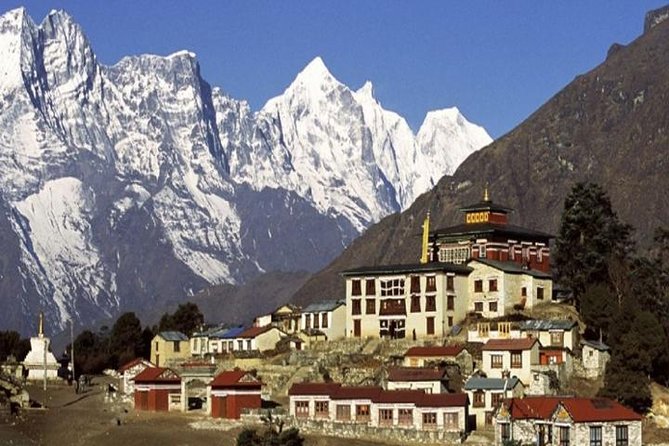
One of the best parts of this trek is that it’s designed to be more than a viewpoint hike. You’ll explore Sherpa traditional villages, learn about Buddhist culture and customs, and visit old heritages and interesting monasteries.
This is the part that makes the trek feel meaningful even when the mountain views are wrapped in cloud. You still have life around you: people going about their days, religious art and prayer culture, and the rhythms of highland communities. It turns the experience from a physical challenge into a full cultural journey.
From a practical perspective, monastery and heritage stops also give you built-in pacing breaks. You can rest, absorb the setting, and reset before the next walking push.
If you enjoy seeing how people adapt to extreme environments, this section is the closest thing to “the point” beyond Everest itself. You’re watching culture and faith operate at altitude, with mountain weather and terrain shaping daily life.
The Trek’s Natural Progression: Forests to the Khumbu Icefall Zone
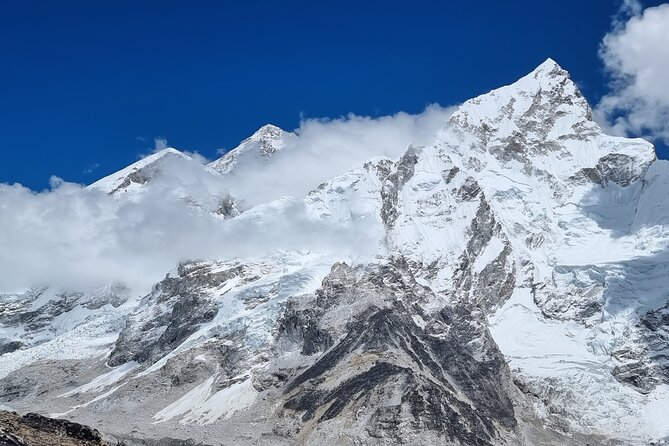
This tour is described as moving through alpine rhododendrons and pine forests, and then toward the barren Khumbu icefall glaciers. That shift matters, because it changes what the day feels like.
Early on, forests and rhododendrons often mean a more comfortable walking environment. Trees can make the air feel less harsh and can reduce glare. It’s also a mood shift: the trek begins with greenery and familiar trail textures.
As you go higher, the scenery becomes more stark. Approaching the Khumbu icefall area means you are getting closer to the glacial systems that make Everest famous and dangerous. Even if you never feel “technical,” the icefall zone is a reminder that this landscape is always moving. It’s not a static photo background.
A good guide will also manage expectations. Your day may be slow one moment and then feel faster the next, depending on altitude, weather, and energy. A strong team keeps the experience steady and safe.
Reaching the Everest Base Camp Feeling: Views at 5,364 m
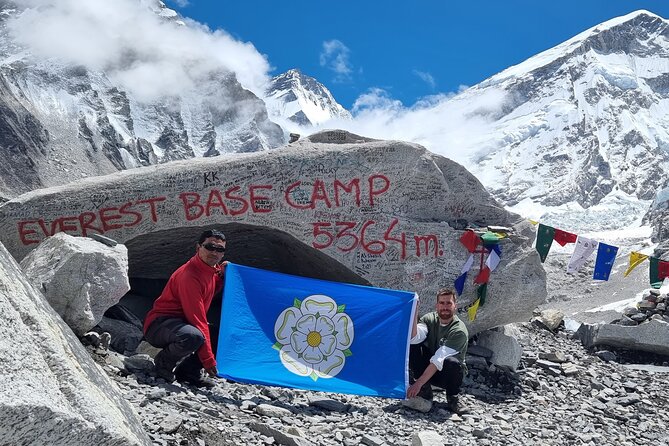
The goal is the base of the world’s highest peak, Mt. Everest, at 5,364 m. That number is what you’ll remember after the trek, but the feeling is usually what surprises people.
At that altitude, the mountain presence becomes real. You stop thinking in terms of walking distance and start thinking in terms of breath, energy, and moments. Panoramic views of high mountains are part of what you’re traveling for, and the entire route is structured to build you toward those payoffs.
A balanced note: conditions can change quickly at altitude. Cloud cover, wind, and trail congestion can affect what you see. The tour emphasizes good weather requirements, and that matters here. If the skies cooperate, the views can feel almost unreal. If they do not, you still get the accomplishment and the cultural journey, and you may have to focus more on the experience than the perfect photo.
The Real MVPs: Guides and Porters Who Keep You Moving
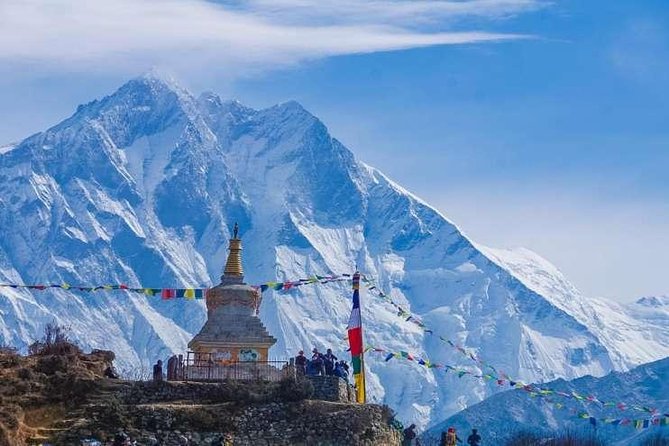
If you only take one lesson from the glowing experiences tied to this trek, take this: the guide and porter relationship drives the quality of the days.
Multiple named team members come up as standout people:
- Pasang gets praise for making the trip feel like family and for strong support.
- Lakpa is repeatedly mentioned alongside porters for helping people complete the trek successfully.
- Ram is noted for flexible logistics, including help when travel delays hit Kathmandu late at night.
- Porters such as Neema, Paseng, Kumar, Gumbo, and Tendi show up in the kinds of details that matter, like carrying day bags when you’re exhausted and giving attention to altitude adaptation.
What this means for you: look for a team that manages both effort and emotions. On Everest treks, morale can swing. A guide who watches your pace, encourages you without rushing you, and explains what’s ahead can make a hard day feel normal.
Also, porter support can change how you experience altitude. When porters carry the day bag, your legs and breathing feel less strained. That can be the difference between finishing strong and limping in.
Price and Value: What $2,400 Gets You, and What It Doesn’t
The listed price is $2,400 per person for about 15 days. For many trekkers, that’s a big number, so you should judge value by what’s included.
Included in the tour price:
- Dinner, breakfast, and lunch
- Sleeping bag and duffel bag
- All fees and taxes
- Pickup offered
Not included:
- Nepal visa
- Insurance
- Tips for guide and porter
- Alcoholic beverages
- Soda or pop
- Snacks
So is $2,400 good value? It can be, because trekking costs in Nepal often get messy once you start adding permits, meals, and basic gear. Here, the core trek package is structured to reduce those surprises. The biggest missing pieces are also typical for the region: visa, insurance, and tips.
My practical suggestion: budget like this:
- Add visa and insurance on top.
- Plan a daily amount for drinks and snacks.
- Plan tips based on how your guide and porter team performs for you.
If you like clarity and prefer a package that covers the essentials, this structure fits that mindset.
Weather, Delays, and How to Stay Flexible
The tour explicitly says it requires good weather. If the experience is canceled due to poor weather, you are offered a different date or a full refund.
Weather is not a small factor on Everest. Cloud, wind, and trail conditions can affect when you can walk and when you can safely travel. The best way to travel on this kind of trip is with flexible expectations, especially if you are connecting through flights.
There’s also a strong signal that the team can handle real-life travel disruptions. In at least one case, they were flexible about meeting prep when a flight delay affected arrival in Kathmandu late at night. That kind of communication reduces stress before you even start trekking.
Who This 15-Day Everest Base Camp Trek Suits Best
This trek suits you if:
- You want a bucket list Everest goal with Sherpa cultural context
- You prefer clean, organized lodge nights rather than full outdoor camping
- You value strong guide and porter support over solo problem-solving
- You can manage moderate fitness and you’re willing to go slow when altitude demands it
It might not suit you if:
- You want full independence and minimal guidance
- You hate early mornings and structured start times
- You are very price sensitive and haven’t planned for visa, insurance, and tips
This is also a good fit for a group that wants privacy. Because it’s private, your pace and rhythm stay more consistent.
Should You Book This Everest Base Camp Trek?
I’d say book it if you want the classic Everest Base Camp experience with real support and an emphasis on lodge comfort and Sherpa culture. The combination of included meals, sleeping bag and duffel bag, and all fees and taxes makes it easier to plan your spending. And the repeated praise for guides like Pasang and Lakpa, plus porters like Neema, Kumar, Gumbo, and Tendi, is the strongest argument here.
Hold off or ask tougher questions first if you are unsure about your ability to handle altitude pacing, or if you hate weather uncertainty. Since the trek requires good weather, you should be comfortable with the possibility of schedule shifts.
If you do book, the smartest move is to train for steady uphill walking, plan your extra costs early, and go in ready for slower days at altitude. That is the formula that turns Everest into an accomplishment you remember, not just a hard trip you survive.
FAQ
How long is the Everest Base Camp trek?
The duration is approximately 15 days.
Where do we meet, and what time does it start?
The meeting point is Sherpa Expedition And Trekking, Chaksibari Marg, Kathmandu 44600, Nepal. The start time is 6:15 am.
Is this a private tour?
Yes. This is a private tour/activity, so only your group participates.
What is included in the price?
Dinner, breakfast, and lunch are included. You also get a sleeping bag and duffel bag, and the price includes all fees and taxes.
What is not included?
Not included are Nepal visa, insurance, tips for guide and porter, alcoholic beverages, soda or pop, and snacks.
What happens if weather is poor or the trek is canceled?
This experience requires good weather. If it is canceled due to poor weather, you will be offered a different date or a full refund.
Latest Kathmandu write-ups
- Langtang Valley Trek★ 5.0 · 3 reviews
- Khopra Danda Trek★ 5.0 · 3 reviews
- Langtang Valley Trek from Kathmandu★ 5.0 · 3 reviews
- 5 night / 6 days Kathmandu Nagarkot Chitwan Pokhara tour★ 5.0 · 3 reviews
- Nepal Highlights Tour: 5 Nights 6 Days Kathmandu & Pokhara Tour★ 5.0 · 3 reviews
- Kathmandu Valley Private Day Tour★ 5.0 · 3 reviews
- Conquer the Himalayas: The Ultimate 16-Day Annapurna Circuit Trek★ 3.5 · 3 reviews
- Kathmandu Heritage Day Tour★ 5.0 · 3 reviews
Everest Base Camp Trek, compared.



Everest Base Camp Helicopter Tour landing at Everest View Hotel
Read our review →


Everest Base Camp Helicopter Tour landing at Hotel Everest View
Read our review →
Browse the lists this tour appears in