
Reviewed · EVEREST BASE CAMP TREK
Everest Base Camp Trek
Everest Base Camp is interesting for one big reason: you trade a cushy city start for a real-world altitude climb, plus that fast, flight-and-feet switch in Lukla. The route packs in iconic views and strong culture stops, from Sherpa villages to Tengboche monastery. I also like the sense of rhythm here, moving from Kathmandu to the mountains with clear staging and Lukla flight days that set expectations.
Two things I like a lot are the Namche acclimatization day and the practical guidance from staff people called out by name. A day in Namche lets you adjust at about 3,440m/11,283ft, then you can hit the Sherpa Museum. And the way guides are credited for calm, hands-on support, like Ram’s steady coaching (plus porter Amer’s help), makes this feel less like a rough self-guided mission.
One drawback to weigh carefully is weather risk. Flights can be delayed or canceled due to local factors, especially around Lukla, and your schedule depends on having solid skies and backup timing.
Key things I’d flag before you go
- The Lukla flight day is the schedule maker or breaker, so plan to be flexible.
- A real acclimatization pause in Namche helps your body handle the climb.
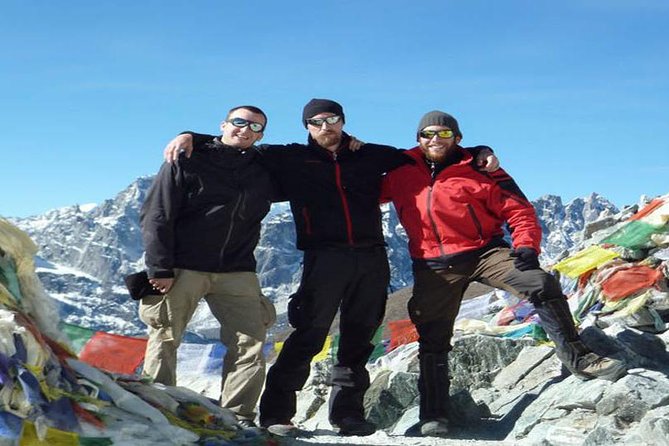
- Kala Patthar at 5,550m is the Everest view payoff and one of the hardest “yes, I did it” moments.
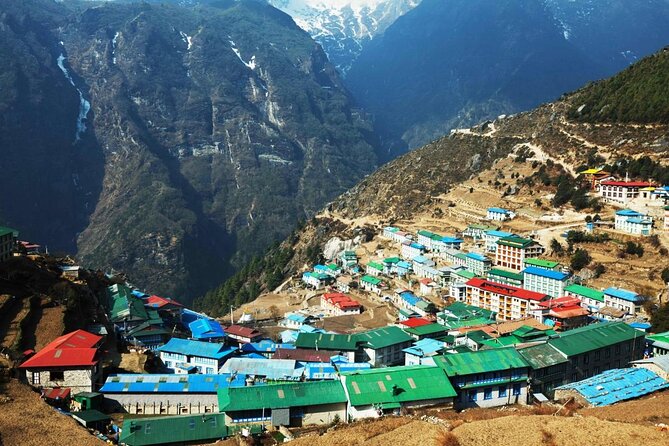
- Sherpa culture stops are built in, including the Sherpa Museum and monasteries like Tengboche and Pangboche.
- Group size stays small, with a maximum of 8 travelers, which usually means less chaos on the trail.
- Meals and key logistics are covered, including Kathmandu hotels and most trekking day meals.
Kathmandu setup in Thamel: getting ready without rushing
Your trip starts in Kathmandu, with pickup from the airport and a drive to a hotel near Thamel. This matters more than it sounds. You’re landing in a new country, and the organizer includes a pre-trip meeting to get your group aligned for the next day.
You stay for 2 nights on a bed-and-breakfast plan at Hotel Kailash Kutee or a similar category. In real trekking terms, this is your buffer night. You can sleep, eat something familiar, and sort out last-minute gear without stressing about missing a transfer.
If you want a low-effort Kathmandu day, Thamel is a convenient base. You can walk, pick up forgotten essentials, and keep expectations simple: early wake-up, big flight day ahead.
More ways to walk to Everest Base Camp:
- Everest Base Camp Trek – 14 Days
★ 5.0 · 1,499 reviews - Everest Base Camp Trek
★ 5.0 · 842 reviews - Everest Base Camp Helicopter Tour landing at Everest View Hotel
★ 5.0 · 668 reviews
The Lukla flight: short in time, big in impact
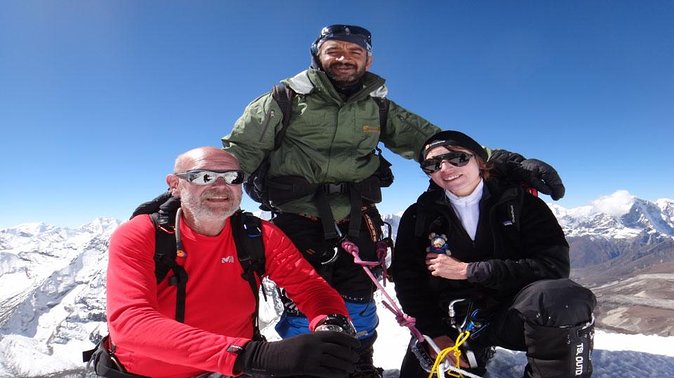
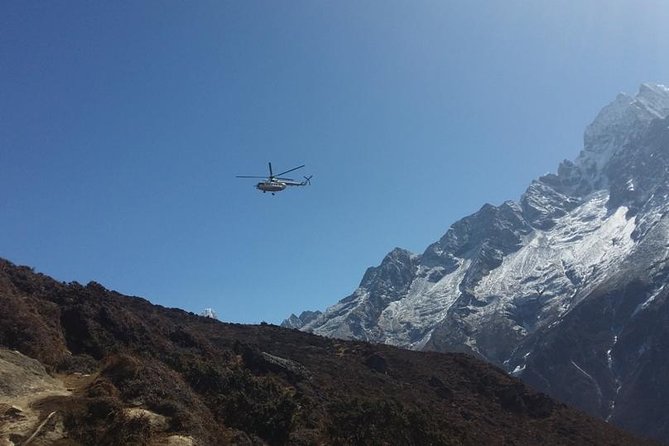
On day 2, you take a picturesque flight of about 40 minutes from Kathmandu (or Ramechap) to Lukla. The plan is weather-dependent, and local factors can mean cancellations and delays, so you should treat this as a day where patience is part of the itinerary.
Lukla is also where trekking reality hits fast. You don’t ease in gradually. Once you land, you start moving on foot right away, which helps you get into the trekking mindset quickly.
After the flight, you walk northwest to Phakding for the night. This is a gentle first trekking day that helps your legs wake up while you get used to the altitude feel.
Phakding to Namche Bazaar: Dudh Koshi, bridges, and Sherpa life
Day 3 is about transitioning from river valleys to the Sherpa hub of Namche Bazaar. You begin after early breakfast, trekking along the western banks of Dudh Koshi. The day includes crossing suspension bridges, then continuing toward Monjo before heading on.
When you approach Namche, it starts to feel like the Everest region has its own system. You’ll see more lodges, more trekking flow, and a stronger sense of community. Namche Bazaar sits around 3,440m/11,283ft, and reaching it is both an accomplishment and a prompt for respect.
It’s also a good day for pacing. You’ll want to keep effort steady, not heroic. Save your big pushes for Kala Patthar later.
Namche acclimatization: Sherpa Museum time and an Everest-view pause
Day 4 is your acclimatization day in Namche Bazaar, and I really like that the schedule gives you time instead of rushing. The altitude is real here, so the trip builds in a “breathe, look, adjust” block.
You can spend time visiting the Sherpa Museum, which focuses on Sherpa culture and mountaineering history. This is the kind of stop that makes the trek feel less like a checklist and more like a place with people behind the stories.
Another option on this day is getting mountain views from the famous Hotel Everest View, often described as the highest-placed hotel in the area. Even if you don’t go inside, the area is a strong reminder of what you’re working toward.
This is also a great day for smart hydration and simple movement. You’re not “resting” the way you might at sea level. You’re still learning how your body reacts.
More to compare around Kathmandu
- Private Kathmandu Sightseeing Tour | UNESCO World Heritage sites
★ 5.0 · 756 reviews - Kathmandu: 7 UNESCO Sites with Lunch
★ 4.8 · 744 reviews - Half day cooking class in Thamel kathmandu
★ 5.0 · 607 reviews - Everest Base Camp Trekking
★ 5.0 · 485 reviews
Tengboche and Deboche: rhododendrons, monastery quiet, and mountain scale
Day 5 moves you toward Tengboche. The route climbs up a high-level path above the Dudh Koshi and strings together big views of peaks such as Everest, Nuptse, Lhotse, and Thamserku.
Tengboche is where the scenery turns emotional for many people, because the mountains look close and the spiritual atmosphere is noticeable. The day is also paced enough to let you enjoy it without turning it into a suffering-only day.
Day 6 continues to Dingboche, and the trek includes rhododendron forests and meadows, plus a stop at the Buddhist nunnery at Deboche before arriving near the Imja Khola. The mix here, nature plus quiet culture, is one of the best reasons to do a guided route. You get context instead of just walking through.
You’ll reach Dingboche for the night. At this point, the trail is still very much a trekking route, not a sightseeing stroll. But the payoff is that you start to see how the Himalaya reshapes the sky.
Dingboche rest day: why the “slow day” is actually smart
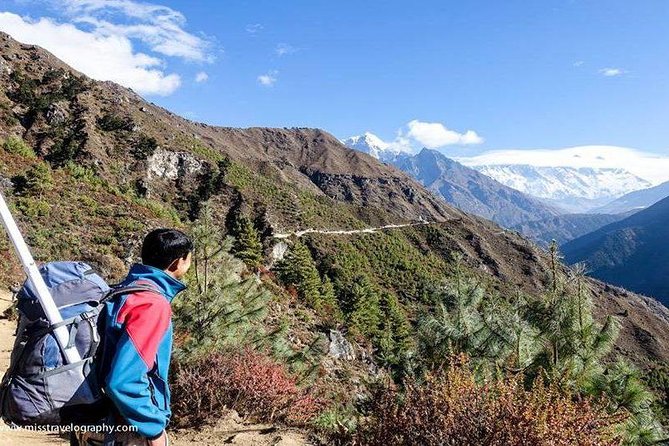
Day 7 is a rest day in Dingboche. That’s not filler. It’s training for the tougher days coming after Lobuche and toward Everest Base Camp.
You can relax, or you can choose a shorter day walk if you feel good. I like this flexibility because it respects different bodies and different comfort levels with altitude.
In a place like Dingboche, rest also means you can manage small issues early: sore ankles, mild headaches, or fatigue from cold nights. You’re aiming to arrive fresh enough for the higher, more strenuous segments.
Lobuche and the Everest approach: memorials, moraine, and icefall reality
Day 8 heads to Lobuche and takes you through the Dughla area over a hill dotted with memorials for Sherpas who lost their lives on Everest trips. That stop changes the tone. It reminds you this trek is connected to real people, not just postcard peaks.
The day also features views of Kalar Pattar and Pumori, then continues along the Khumbu Glacier moraine. “Moraine” can sound technical. On the ground, it’s part rocky, part slanted, and part reminder that glaciers move whether you’re ready or not.
You’ll overnight in Lobuche. This sets up day 9, which is a classic long day toward Base Camp and then onward to Gorak Shep.
Everest Base Camp and Gorak Shep: crossing stony ground, then facing the glacier
Day 9 starts with a push after lunch toward Everest Base Camp, including a route that passes by the Khumbu Icefall. You’ll trek through stony dunes, moraines, and streams, then reach Base Camp for a tour of the area and views of the glacier.
This is one of the most meaningful parts of the trek, because the views come with scale and a little discomfort. The base camp area is not a theme park. It’s windswept and real.
Afterward, you continue on to Gorak Shep. The day includes a small incline that quickly becomes steeper, then a descent back down to where you check into your lodge. Lodges at Gorak Shep are simple, and the elevation makes everything feel sharper: cold bites sooner, and breathing feels heavier.
Kala Patthar at 5,550m: the dawn view you plan for
Day 10 is Kala Patthar day, reaching 5,550m, the highest point on this trek. You go for the Everest dawn views, and the guide schedules the timing so you can catch that early light.
The big challenge here is not only altitude. It’s cold, and it’s effort before you feel fully warmed up. If you’re the type who likes to overthink, this is also where calm guidance helps. People have credited guides like Ram for keeping them steady through tough moments, and days like this are where that support matters.
After the view, you descend to Gorak Shep, have breakfast, then trek back toward Pheriche for the overnight. This downhill leg is still physical, but it’s usually a relief compared with the climb.
Returning downhill: monasteries on the way back to Namche
Day 11 brings you back from Pheriche toward Namche Bazaar, with stops that keep it meaningful. You visit Pangboche monastery, described as the oldest monastery in the area, and you’ll continue descending via Tangboche.
This is a good day for soaking in how different the valley feels when you’re not pushing upward. The mountains remain huge, but your brain gets a little breathing space. You still have to walk, but you’re walking with momentum now.
Day 11 ends at Namche for the night, giving you one more chance to reset before the final Lukla travel day.
Lukla, then the flight math: Kathmandu or Ramechap timing
Day 12 is the long downhill leg to Lukla, usually around 6 hours. You’ll walk at a more relaxed pace through lush green surroundings, past mountain vistas and Sherpa hamlets, then cross the Hilary suspension bridge before arriving in Lukla.
This is also the day when you confirm your departure details with your guide, because flights can be weather-dependent and schedules can shift.
Day 13 is fly day back to Kathmandu or via Ramechhap. The plan includes the possibility that, during busy season, flights may route to Ramechap due to air traffic at Kathmandu. If that happens, there’s included time for travel onward (listed as 4 hours).
Day 14 is your final day in Kathmandu, with freedom for extra activities and a transfer to Tribhuvan International Airport if you’re flying out.
Price and value: what $1,300 covers, and what you still own
At $1,300, the value is strongest if you want a guided, logistics-heavy trek without building the entire operation yourself.
Included basics that matter:
- Airport transfers on arrival and final departure
- Kathmandu accommodations for 2 nights on a bed-and-breakfast plan
- Flights for you KTM to Lukla and back (or Ramechap to Lukla and back), plus the drive to Ramechap during peak season
- Meals during the trek, listed as 13 breakfasts, 11 lunches, and 11 dinners
- All fees and taxes
What’s not included:
- personal expenses and beverages
- tips for guide and driver
- alcohol
One practical note: for a trip like this, your “real” budget also includes what you pay before Nepal. Not shown here are flights to Kathmandu from your home country, travel insurance, and gear you might need to buy or rent.
Still, for what’s included, I’d call this a solid price point, especially because group size stays small (max 8 travelers) and key moving parts like flights and meals are handled for you.
Guides and support: why the human piece shows up again and again
This trek is physical, but it’s also mental. And the reviews you provided highlight something consistent: the guide matters, and porter support can make a noticeable difference.
I specifically saw names like Ram and Amer referenced for guidance and porter help. Other guides and staff mentioned include Bishnu, Prakash, Gore, and team members like Tilak, Binode, and Sanjay. That pattern tells me you’re not just getting a route map. You’re getting real people managing weather calls, pacing, and daily needs.
Small group size helps too. You’re more likely to get attention when you need it, and less likely for the day to feel like a traffic jam.
Practical fitness and pacing: what “moderate” really means here
The tour asks for moderate physical fitness, and I think you should interpret that as: you can hike consistently, you’re comfortable with altitude, and you can walk several hours on trekking days.
You should be ready for:
- steep moments (especially around Gorak Shep and Kala Patthar)
- cold mornings and nights at higher elevations
- longer walking days like the push toward Everest Base Camp
Also, you’ll want to train your feet and ankles, not only your lungs. Most people focus on cardio, then find their ankles protesting on the descents.
Finally, know that weather can change the feel of the trek. One review notes a surprise snowstorm, and another mentions doing the trek in monsoon with some afternoon rain. So you should pack for real conditions, not just forecast optimism.
Should you book this Everest Base Camp trek?
If you want the full Everest Base Camp experience with structured acclimatization, guided decisions, and flights plus meals handled for you, this is a good bet. The strongest reasons to book are the Namche adjustment day, the Kala Patthar focus, and the way staff support shows up in real guest stories.
I would not book this lightly if you hate schedule uncertainty. The Lukla flight can shift with weather and local factors, and that can ripple through timing.
If you’re comfortable with altitude trekking and you want a small-group setup that takes care of the big logistics, go for it. If you’re looking for a relaxed vacation style, pick a lower elevation trek instead.
FAQ
Is airport pickup and drop-off included?
Yes. You get pickup on arrival and transportation to the international airport on the final day.
What about flights to and from Lukla?
Flights are included for your route KTM to Lukla and back, or Ramechap to Lukla and back. The guide’s flights are also included, and during peak season there can be an included drive to Ramechap.
Where do you stay in Kathmandu before the trek?
You stay 2 nights in Kathmandu on a bed-and-breakfast plan at Hotel Kailash Kutee or a similar category near Thamel.
Are meals included during the trek?
Yes. The package includes 13 breakfasts, 11 lunches, and 11 dinners during the trek.
What is the highest point on this trek?
The highest point is Kala Patthar at 5,550m.
How many travelers are in the group?
The maximum group size is 8 travelers.
What happens if weather causes cancellations?
If poor weather forces the experience to be canceled, you’ll be offered a different date or a full refund.
Latest Kathmandu write-ups
- Langtang Valley Trek★ 5.0 · 3 reviews
- Khopra Danda Trek★ 5.0 · 3 reviews
- Langtang Valley Trek from Kathmandu★ 5.0 · 3 reviews
- 5 night / 6 days Kathmandu Nagarkot Chitwan Pokhara tour★ 5.0 · 3 reviews
- Nepal Highlights Tour: 5 Nights 6 Days Kathmandu & Pokhara Tour★ 5.0 · 3 reviews
- Kathmandu Valley Private Day Tour★ 5.0 · 3 reviews
- Kathmandu Heritage Day Tour★ 5.0 · 3 reviews
- Conquer the Himalayas: The Ultimate 16-Day Annapurna Circuit Trek★ 3.5 · 3 reviews
Everest Base Camp Trek, compared.



Everest Base Camp Helicopter Tour landing at Everest View Hotel
Read our review →


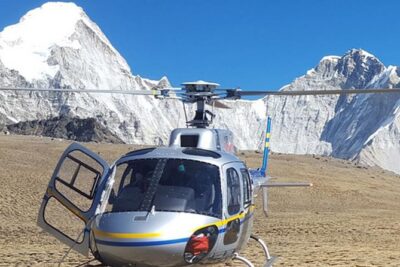
Everest Base Camp Helicopter Tour landing at Hotel Everest View
Read our review →
Browse the lists this tour appears in