
Reviewed · EVEREST BASE CAMP TREK
Everest Base Camp Trek
An Everest Base Camp trek hits different when you start with the Lukla flight and then walk your way north into the Khumbu. You get big, fast-changing scenery, real mountain logistics, and Sherpa culture up close. I like how this trip builds in time to adjust, instead of treating altitude like a math problem you can speedrun.
Two things I really like: the scenic Lukla flight that gets you into the Everest region quickly, and the strong focus on views and Sherpa culture once you’re on the trail. A possible drawback to plan for is weather. If conditions are rough, flights can get delayed or rerouted, and the whole schedule can shift.
You’ll also be dealing with real altitude. Even with acclimatization, this is not a stroll, so a moderate fitness level matters. If you’re prone to altitude sickness or hate cold mornings, budget extra patience for your body and your schedule.
Key takeaways before you go
- Lukla flight plus classic Khumbu walking: fast access, then gradual climb
- Namche acclimatization day: helps your body adjust before you go higher
- Kalapatthar timing for big views: the payoff viewpoint for the trek
- Everest Base Camp experience: the famous landing strip for dreamers and trekkers
- Sherpa guidance that feels hands-on: guides like Shankar Pandey, Krishna, Shajan, and Ngathe Sherpa show up repeatedly
- Gear support plus porter load rules: down jacket and down sleeping bag provided, porter carry limited to 15kg
Lukla flight reality: why it matters more than you think
The whole trip starts with a flight from Kathmandu to Lukla. It’s short, it’s scenic, and it puts you right into the Everest region without days of road travel. That matters because Everest Base Camp is already a big physical commitment. Saving you time at the beginning is not a luxury, it’s part of the overall pacing.
Lukla also sets expectations. Mountain weather is not negotiable. The trek operator requires good weather for the experience to run, and if it gets canceled because of poor conditions, you’ll be offered a different date or a full refund. That’s the clean version. The messier version is that the route can shift when conditions change, and a strong team is what keeps the plan moving.
What I’d do if I were you: pack your flexibility mindset before you pack your socks. You cannot control the sky, so you prepare for it. The best treks are the ones where you treat schedule changes like part of the adventure, not a personal insult.
More ways to walk to Everest Base Camp:
- Everest Base Camp Trek – 14 Days
★ 5.0 · 1,499 reviews - Everest Base Camp Trek
★ 5.0 · 842 reviews - Everest Base Camp Helicopter Tour landing at Everest View Hotel
★ 5.0 · 668 reviews
Value check on price: what $1,350 covers and why it’s fair
At $1,350 per person, this trek price is best understood as a package built around logistics, not just hiking days. You’re paying for a guided route in a remote region, the service team, and the day-to-day meals.
Here’s what is included:
- Breakfast, lunch, and dinner during the trekking days
- Down jacket and down sleeping bag provided for the trek
- Pickup is offered
- A mobile ticket is used
- Entry ticket is free (for the areas covered as part of the experience)
- A private setup, so only your group participates
What’s not included is also important:
- Lunch and dinner in Kathmandu
- Personal trekking equipment
- Phone calls, laundry, hot shower, battery charging, bar bills, and anything extra you buy on the go
- Travel and rescue insurance
- Tea and coffee during the trek
- Tips for driver, guides, and porters
- Any extending trips
So where’s the value? You’re not just paying for someone to point at mountains. You’re paying for meals and cold-weather gear support, plus a guide team that can help you handle the “above 5,000m” part without panic.
One extra value signal from the local side is the porter policy. The experience notes a maximum 15kg (33 pounds) load, and it specifically emphasizes porter rights and against exploitation. That matters because it affects how your gear moves, how your trek feels day-to-day, and the ethics of the operation.
From Kathmandu to Phakding to Namche: the trek’s first big rhythm
After your flight lands in Lukla, you start walking north. The plan described here is straightforward: you reach Phakding after about three hours, then continue up through the Dudh Kosi valley to Namche Bazar.
This first stretch is where the trek teaches you its rules:
- You’ll learn how fast you should walk.
- You’ll feel how quickly your body adjusts to altitude.
- You’ll see how quickly weather can turn the trail from bright and easy to cold and serious.
Phakding is a useful early stop because it breaks the journey into something your body can handle. It’s also where you start seeing the Khumbu’s “everyday mountain life” instead of just imagining it.
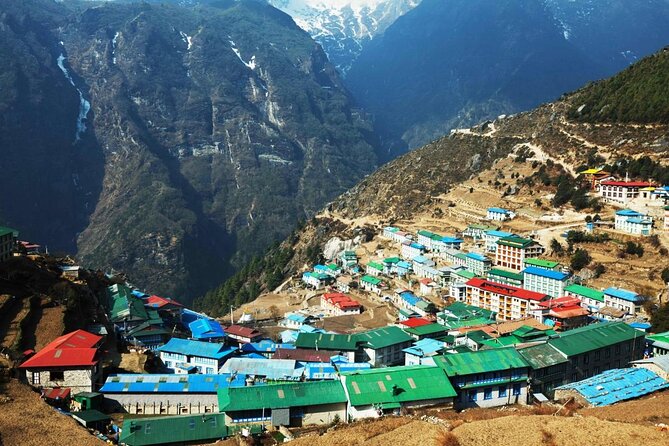
Then comes Namche Bazar and the one-day acclimatization stop. This is not wasted time. It’s how you get a better shot at enjoying the higher days. Namche is at an altitude that makes you feel it, but it’s still reachable enough that your body can respond. The logic is simple: you acclimatize here, then you go higher with fewer problems.
A small practical note: acclimatization days can turn into “too much wandering” days. Stay active, but don’t treat it like a sightseeing binge. Your goal is to feel slightly better, not completely crushed.
Namche and Syangboche: resting higher without stalling
After the Namche acclimatization day, the trek moves further north toward Syangboche Airport. This is one of those phases where the elevation is doing most of the work, even when your legs are tired.
What you’ll experience here is a shift in how everything feels:
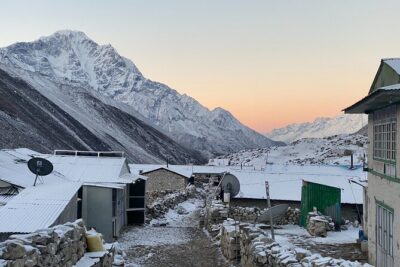
- The cold becomes more constant, especially early morning.
- Air feels thinner, so short efforts burn faster.
- Your pace slows naturally, and that’s okay.
The big win of this section is that it keeps you moving toward the classic payoff viewpoints without leaving you stuck in a single altitude band too long. Done right, you get enough rest to keep going, but not so much rest that the trek drifts into “waiting for your courage.”
I’d also plan your mindset. This part is where I see many people either succeed quietly or panic loudly. The easiest approach is to walk steady, hydrate, and let the guide team keep the rhythm.
More to compare around Kathmandu
- Private Kathmandu Sightseeing Tour | UNESCO World Heritage sites
★ 5.0 · 756 reviews - Kathmandu: 7 UNESCO Sites with Lunch
★ 4.8 · 744 reviews - Half day cooking class in Thamel kathmandu
★ 5.0 · 607 reviews - Everest Base Camp Trekking
★ 5.0 · 485 reviews
Kalapatthar: the viewpoint that turns effort into memory
Kalapatthar is one of the reasons people choose Everest Base Camp in the first place. It’s the altitude-minded payoff viewpoint, and it’s where the trek’s work starts feeling worth it.
I like how this trip includes Kalapatthar as a distinct highlight, not just a line item. When you’re on the higher trail, the cold and fatigue can blur your motivation. Reaching Kalapatthar gives you a clear goal with a clear reward: broad, dramatic Everest-region views.
Here’s what you should know before you go:
- Expect a tough push compared to the earlier days.
- Start early, dress warm, and move like you mean it but do not sprint.
- Bring your eyes and your patience. The magic is in the sky clearing and the light doing its thing.
Even the guide teams stand out most here. In past experiences with this operator, guides such as Krishna and assistant Shajan are mentioned for helping people when it gets hard above 5,000m. That kind of support is more than comfort. It can help you keep walking at the pace that actually works for you.
Everest Base Camp: what you’re really there for
Reaching Everest Base Camp is the bucket list moment, no question. But the best way to enjoy it is to treat it as both a destination and a cultural checkpoint.
This trek is built around Sherpa culture, and you’ll feel it in the rhythm of tea houses, local hospitality, and the way your guide team communicates and interprets the region. One of the strongest patterns in guide feedback is that people felt cared for, not just led. That shows up with guides like Ngathe Sherpa, Gelu Sherpa, and Sagan Thapa, with comments about guides helping with small details and safety when conditions get demanding.
You’ll also notice that the trekking experience is not “only scenery.” It’s the small practical stuff:
- walking at your own pace
- warm lodges at the end of the day
- meals that keep you moving
- reminders about cold, hydration, and pacing
The goal is simple. You want to arrive at Base Camp feeling like you earned the moment, not like you survived it.
Guides, pacing, and safety on the Khumbu timeline
This trip lists a named coordinator, Shankar Pandey. You’ll also see guide names come up again and again, including Krishna, Shajan, Ngathe Sherpa, Gelu Sherpa, and Sagan Thapa.
Why does that matter? Because Everest Base Camp is mostly about pacing and decision-making. Weather, energy levels, and altitude can force changes. The guide and assistant team is what keeps your trek coherent.
From the pattern of feedback, here’s what tends to go right:
- The guides match your fitness level and keep you from overshooting
- They help when you struggle above 5,000m
- They stay responsive if something changes, like flight disruptions
If you value a calm leader, this is the right style. A good guide doesn’t make you feel weak. They help you keep moving in a way your body can manage.
What to pack: the equipment list that actually protects your trek
You don’t need to buy everything new, but you do need the right layers and cold protection. The provided equipment guidance is detailed, and it makes sense for Everest region conditions.
Footwear and socks:
- Walking boots
- Wool and liner socks
- Sandals (useful for lodge time)
Clothing and cold layers:
- Waterproof jacket and trousers
- Trekking trousers
- Long sleeve shirts
- Micro fleece
- Mid to heavyweight fleece
- Thermals or base layers (merino or synthetic)
- Fleece pants
- Medium weight down jacket
Cold hand and head needs:
- Fleece gloves
- Warms mittens and/or gloves
- Wool or fleece hat
- Sun hat
- Scarf
- Head torch and extra batteries
- Sunglasses
Personal gear:
- Sleeping bag is often listed in packs, but this operator says they provide down sleeping bags and down jackets, so you can plan your packing around that
- Backpack for day items
- Stuff sacks for dry gear
- Two water bottles, with Nalgene wide mouth suggested
- Sunscreen and lip salve with high SPF
- Insect repellent
- Water purification tablets (Pristine, Biox Aqua, or Aqua Mira are listed)
- Trekking poles
- Camera with spare batteries and memory cards
- Insurance certificate
- Personal first aid kit and any personal medications
- Diamox is described as optional for acclimatization
One packing rule you’ll thank yourself for: split your load. Your day backpack carries what you need on the trail. The rest goes into a duffel or large pack carried by a porter, with a 15kg limit.
If you get tempted to pack “just in case” items, resist. In the mountains, weight is energy, and energy matters more than you think.
Is this trek right for you? Who will love it, who should rethink
This experience fits people with moderate physical fitness and the patience for altitude. It’s also a private group setup, so you’re not stuck adapting to random strangers’ hiking styles.
You’ll likely love it if:
- You want a guided Everest Base Camp trek with clear milestones (Namche, Syangboche, Kalapatthar, Base Camp)
- You care about Sherpa culture, not just a photo stop
- You appreciate a team approach, especially if you’re not a hardcore acclimatizer
- You want meals handled and cold-weather gear supported
You should think twice if:
- You can’t handle altitude uncertainty or cold early mornings
- Weather-driven schedule changes would stress you out too much
- You assume tea and coffee are included every day (they’re not)
- You’re not willing to budget for tips and personal expenses
This is an adventure with real effort. The upside is that the structure is designed to help you finish strong.
Should you book this Everest Base Camp trek?
I’d book this trek if you want a well-run, Sherpa-led Everest Base Camp experience with solid support: meals included, cold gear support with down jacket and down sleeping bag, and a team led and coordinated by Shankar Pandey with guides like Krishna and Gelu Sherpa showing up in many successful outings.
You should hold off if you want a risk-free schedule. The trek depends on good weather, and flight plans can change. Also, make sure you budget for what’s not included, especially travel and rescue insurance, personal equipment, and tips.
If your goal is to reach Everest Base Camp with your energy mostly intact, you’ll like the pacing and the focus on acclimatization. This is not just about getting there. It’s about getting there in one piece, with the views actually landing in your brain.
FAQ
How long is the Everest Base Camp trek?
The duration is listed as about 14 days.
What is the price per person?
The price is $1,350.00 per person.
Are flights to and from Lukla included?
The experience includes scenic flight to and from Lukla.
Is pickup in Kathmandu included?
Pickup is offered.
What meals are included during the trek?
Breakfast, lunch, and dinner are included for the trek days.
Is travel or rescue insurance included?
No. Travel and rescue insurance is not included.
Can I cancel and get a full refund?
Yes. You can cancel up to 24 hours in advance for a full refund. The experience also requires good weather, and if it is canceled due to poor weather you’ll be offered a different date or a full refund.
What trekking equipment should I bring, and is there a porter weight limit?
You should bring personal trekking equipment and clothing. For porter carry, the maximum weight allowance is 15kg (33 pounds), with an emphasis on porter rights and against exploitation.
Latest Kathmandu write-ups
- Langtang Valley Trek★ 5.0 · 3 reviews
- Khopra Danda Trek★ 5.0 · 3 reviews
- Langtang Valley Trek from Kathmandu★ 5.0 · 3 reviews
- 5 night / 6 days Kathmandu Nagarkot Chitwan Pokhara tour★ 5.0 · 3 reviews
- Nepal Highlights Tour: 5 Nights 6 Days Kathmandu & Pokhara Tour★ 5.0 · 3 reviews
- Kathmandu Valley Private Day Tour★ 5.0 · 3 reviews
- Conquer the Himalayas: The Ultimate 16-Day Annapurna Circuit Trek★ 3.5 · 3 reviews
- Kathmandu Heritage Day Tour★ 5.0 · 3 reviews
Everest Base Camp Trek, compared.

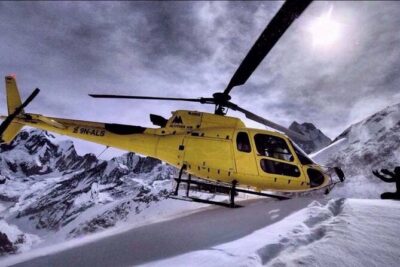
Everest Base Camp Helicopter Tour landing at Everest View Hotel
Read our review →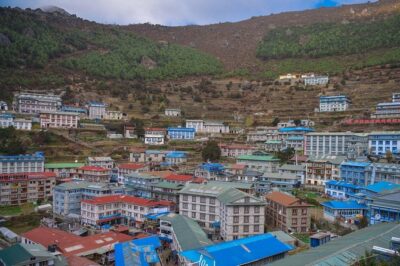
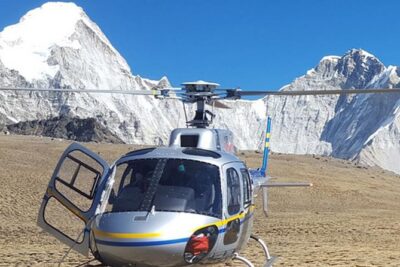
Everest Base Camp Helicopter Tour landing at Hotel Everest View
Read our review →
Browse the lists this tour appears in