
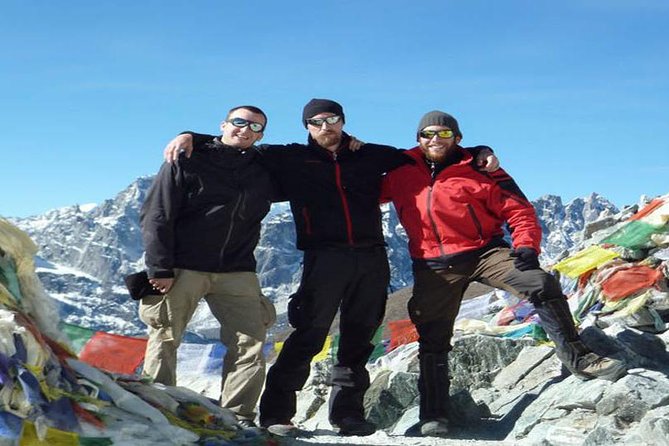
Reviewed · EVEREST BASE CAMP TREK
Everest Base Camp Trek
What makes this Everest Base Camp trek especially interesting is that it turns a bucket-list idea into a day-by-day plan, from Kathmandu to the world’s highest ridgeline. I love the way the trip is fully guided and customizable, so the pace can match your group. I also love the logistics safety net, with round-trip flights to Lukla plus meals and lodge accommodation handled for you. The main drawback to plan for is the one you cannot ignore: Lukla weather can delay or even cancel flights, so build in mental and, if possible, time backup.
You’ll walk through the Khumbu region at a classic height-climb rhythm, with acclimatization days at Namche Bazaar and Dingboche. Along the way, you pass Sherpa villages and the feeling of mountaineering history at every turn, from rhododendron forests to hilltop religious stops in the Tengboche area. And based on past guide assignments I’ve seen attached to this operator, you may be paired with guides such as Raj, Chakra, Santosh, Raji, or Raman, who are consistently praised for organizing meals, rooms, and fixes when problems pop up.
At about $1,380 per person for roughly 12 days, the value mainly comes from what’s included: flights, permits, first aid support, full-board meals during the trek, and transfers in Kathmandu. If you’re comfortable handling a few personal costs like phone use, extra bottled or boiled water, and tips, this package can make the whole trip feel smoother. If you expect everything to be friction-free even with weather, you’ll want to stay realistic, because the mountains set the schedule.
Key highlights worth caring about
- Private, customizable guiding: your route and pace can be adapted for how you’re doing physically.
- All-in during the trek: full-board meals plus twin-sharing lodge stays keep you focused on walking, not budgeting each day.
- Acclimatization built in: days in Namche Bazaar and Dingboche help your body adjust before higher trekking.
- Iconic viewpoints: Kala Pattar is on your route for a dramatic Everest moment after hiking high.
- Permits covered: Sagarmatha National Park fees and TIMS are included, so you don’t scramble paperwork.
- Real-world Lukla risk management: you get guidance and contingency thinking for delays and cancellations.
Why Everest Base Camp still feels real, even on a “standard” route
The Everest Base Camp trek works because it’s not just about the summit dream. It’s about the slow conversion of altitude on your body and the gradual narrowing of your world into trail, breath, and views. This route starts with the Lukla flight, then steps upward through Khumbu villages where you feel the pace of Sherpa life and the logistics of mountain seasons.
You’ll also get the satisfying “story arc” built into the itinerary. You move from Namche’s busy hub energy, to Tengboche’s hilltop monastery zone feeling, then onward toward higher Sherpa valleys. By the time you reach Gorak Shep, you’re already living at the edge of what most people consider comfortable hiking. Then Everest Base Camp and Kala Pattar land like a payoff you’ve earned.
And yes, you follow the emotional footsteps of Tenzing Norgay Sherpa and Edmund Hillary, not as a museum moment, but as part of the living, working landscape of the Khumbu. Even if you’ve read about Everest your whole life, you still get that physical “oh wow” when the terrain changes and the big peaks start showing up repeatedly at new angles.
More ways to walk to Everest Base Camp:
- Everest Base Camp Trek – 14 Days
★ 5.0 · 1,499 reviews - Everest Base Camp Trek
★ 5.0 · 842 reviews - Everest Base Camp Helicopter Tour landing at Everest View Hotel
★ 5.0 · 668 reviews
Price and what’s actually included for $1,380
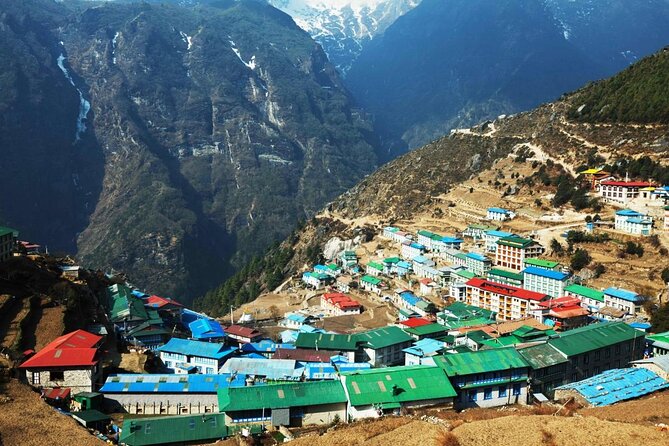
This price makes sense when you look at what’s bundled, not just the headline number. Included items that reduce stress and surprise costs include:
- Round-trip flights Kathmandu to Lukla and Lukla to Kathmandu, including departure taxes
- Private vehicle airport transfer in Kathmandu (drop and pickup)
- Full-board meals (breakfast, lunch, dinner) during the trekking days
- Twin-sharing lodge accommodation during the trek
- Experienced guide and a first aid medical kit
- Sagarmatha National Park permit fee plus TIMS fee
- Government taxes and office service charge
That “full board + lodge + guide + permits” combo is a big deal in the Everest region, where food and lodging are part of your daily budget anyway. It also gives you one less thing to manage at altitude, because your day is already demanding.
What’s not included matters too. You’ll still be responsible for travel and rescue insurance, personal expenses (phone calls, laundry, battery recharge, bar bills, showers, and similar items), and tips. Porter service is not automatically included either, though it’s listed as an option. If you want a porter, decide early so you can plan costs and comfort.
One more value point: this trip is described as private and only your group participates. That matters because Everest Base Camp is not the place for “sort of want to, sort of might” planning. Having your own group lets the guide adjust pacing and logistics without negotiating around other schedules.
Lukla flights: the main risk you should plan around
In the Khumbu, the trek is serious, but the flight is the wild card. Kathmandu to Lukla and back often face delays by hours, and sometimes cancellations for a day or more, due to weather on the Lukla airstrip. Even during strong seasons like October and November, this can still happen.
Here’s the practical takeaway: assume you might wait. Waiting can be at the Kathmandu side, the Lukla side, or both. When that happens, your trekking days may shift, which is why the operator specifically recommends mentally preparing and arranging contingency time if you can.
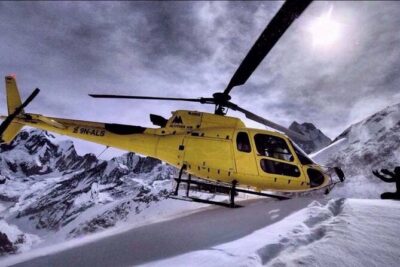
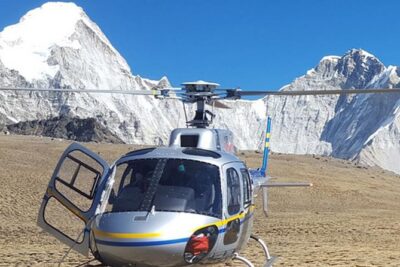
If you get stuck and need a fast exit or reentry, there is a helicopter rescue option. The tentative cost is about US$3,000 per lift, accommodating up to 5 people, and it can be arranged from Kathmandu or Lukla. The mountain weather still controls feasibility, but helicopters typically have easier access than walking out if the weather allows.
If you’re trying to squeeze this trek into a tight Nepal schedule, this is where it can break. I’d rather you be slightly “late on paper” but calm in real life than on time and stressed.
Your acclimatization rhythm: why Namche and Dingboche are not optional
This itinerary is built around altitude adaptation, with acclimatization days placed at the right moments. After Lukla and your first climb into the 2,600 to 3,000 meter zone, you reach Namche Bazaar at 3,446m on Day 02. Then you get a full acclimatization day there on Day 03.
That’s not a “rest day for fun” in disguise. It’s time for your body to handle thinner air while you can still move around. Namche is also a hub, so it’s the moment when you can mentally settle into the trek: you know the trail, you’ve seen the village setup, and you can feel what high-altitude breathing is like before you go higher.
Then the pattern repeats higher. You reach Dingboche at 4,410m on Day 05. Day 06 is another acclimatization day. From there you continue upward, and the move to Lobuche and then Gorak Shep becomes much more doable because you’ve already given your body time to adjust.
This is where customizing the plan helps. If you’re tired, the guide can adjust how hard each day feels. The goal is consistency, not hero moments.
More to compare around Kathmandu
- Private Kathmandu Sightseeing Tour | UNESCO World Heritage sites
★ 5.0 · 756 reviews - Kathmandu: 7 UNESCO Sites with Lunch
★ 4.8 · 744 reviews - Half day cooking class in Thamel kathmandu
★ 5.0 · 607 reviews - Everest Base Camp Trekking
★ 5.0 · 485 reviews
Day-by-day: walking the Khumbu to Everest Base Camp and back
Below is how the trek unfolds, and what each stop really means for your body and your eyes.
Day 01: Fly Kathmandu to Lukla, then trek to Phakding (2,652m)
You start with the flight into Lukla and then hike to Phakding. This is your warm-up into Khumbu walking, not a “push day.” Expect a steady effort, gentle elevation gains, and the first taste of Sherpa valley life.
Practical note: because the flight can be delayed, your Day 01 can stretch out. If you pack for flexibility, you’re calmer when you land.
Day 02: Trek to Namche Bazaar (3,446m)
Today is the big step upward. Namche feels like the gateway village, both higher and busier, and you’ll likely notice how breathing changes even when the trail seems familiar.
This is the day to keep your pace controlled. Faster walking can feel good for 30 minutes, then hurt for the next three hours.
Day 03: Acclimatization in Namche Bazaar (3,446m)
You stay at the same elevation to help your body adjust. This day is also mentally useful. You can settle your gear, ask questions, and reset your rhythm before moving into higher altitudes.
If you’re sensitive to altitude, this is also the day where your guide’s pacing choices matter most.
Day 04: Trek to Tengboche (3,820m)
You continue upward into the Tengboche area at 3,820m. This is where hilltop stops and monastery vibes commonly show up on the route, and the scenery tends to open as you approach the higher viewpoints.
It’s still a trekking day, but the height is high enough that you’ll feel the pace. The trick is smooth effort, short breaks, no sprinting.
Day 05: Trek to Dingboche (4,410m)
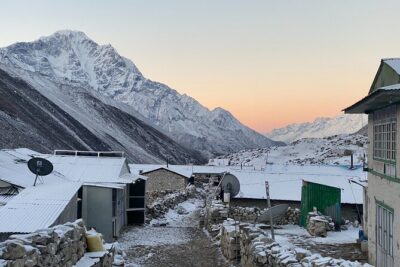
Dingboche sits higher at 4,410m. This is a notable jump from the day before, and the air feels thinner. Lodges here tend to be simple, but you’ll appreciate the routine: walk, rest, eat, sleep, repeat.
Day 06: Acclimatization in Dingboche (4,410m)
Again, you hold elevation to let your body catch up. This day helps you prepare for the high camps and the cold feeling that starts to show up more consistently.
Some past trekkers mention extra cold-weather gear being provided in certain situations, like down jackets and sleeping bags, so you might find that the team supports you if temperatures run harsher than expected.
Day 07: Trek to Lobuche (4,930m)
You climb toward 4,930m. This is where fatigue can creep in, not just from altitude but from the cumulative effort. The good news is that you’re getting closer to the Everest staging areas in a very real, physical way.
Day 08: Gorak Shep (5,140m) then Everest Base Camp (5,364m)
This is your hardest-feeling day for most people, but also the most rewarding. You go to Gorak Shep at 5,140m, then push on toward Everest Base Camp at 5,364m.
Even if the base camp itself is mostly a working environment rather than a postcard, the feeling hits hard because of what you did to reach it. You’re also in Sagarmatha National Park terrain, where the bigger peaks show up as a constant theme, including views of several 8000 meter peaks.
Day 09: Kala Pattar (5,554m), then back to Pheriche (4,243m)
Kala Pattar at 5,554m is the moment many people chase: a higher vantage point with big summit views when conditions cooperate. Then you drop back to Pheriche at 4,243m.
That descent matters. Going down reduces strain on legs and gives your body breathing space after days near the top of your trekking zone.
Day 10: Trek to Namche (2,840m)
You head back down to Namche at 2,840m. This is easier than the ascent, but it can still feel tough because downhill often punishes knees and shins.
Day 11: Trek to Lukla (2,840m)
Another descent day, landing at Lukla around 2,840m. It’s a relief to reach the airport area again, but remember: your final flight still depends on conditions.
Day 12: Fly back to Kathmandu and transfer to hotel (1,300m)
You return to Kathmandu at 1,300m and get transferred to your hotel. After 10 to 11 days of rhythm, it feels oddly quiet at lower altitude.
If flights run late, your Day 12 can stretch. That’s one reason it helps to keep Kathmandu plans simple.
Lodges, food, and why the guide matters beyond directions
In Everest Base Camp treks, you aren’t just buying routes. You’re buying how the trip feels day after day. What I like here is that meals and lodge accommodation are included during the trekking portion. That removes the “will this place have food, and will I like it” stress.
The biggest human factor is the guide. When things go off script, altitude makes “minor problems” bigger. In past trip experiences connected to this operator, guides like Raman, Raj, Chakra, Santosh, and Raji are repeatedly praised for sorting accommodation and food quickly and for finding workable solutions when issues pop up.
That kind of problem-solving matters in the real world, especially with tight trail days and unpredictable mountain timing.
Permits and national park fees you should not want to chase
This is an area where small paperwork mistakes become big headaches. Here, Sagarmatha National Park permits and TIMS fees are included. You’re also covered by the trek’s official support structure with a first aid medical kit and government taxes included.
It’s not flashy, but it’s the kind of “quiet competence” that makes trekking smoother.
Who this trek is best for (and who should rethink it)
This trek is listed as a private activity with a moderate physical fitness requirement and a minimum age of 8 years. If you can hike several hours a day and handle gradual altitude, you’re in the right zone.
It’s especially suited for you if:
- You want a classic Everest Base Camp itinerary with built-in acclimatization
- You don’t want to juggle permits, lodge booking, and meal planning
- You want someone to help manage real issues like slow pacing, cold nights, or timing friction from flights
It might not be the best match if:
- Your schedule is extremely tight and you cannot afford potential flight delays
- You dislike the idea of twin-sharing lodges
- You plan to rely on last-minute gear shopping rather than preparing for altitude conditions
Should you book this Everest Base Camp trek?
If your priority is a guided, all-in Everest Base Camp experience with fewer logistics headaches, I think this is a solid booking choice. The included structure, especially flights to Lukla, full-board meals, lodge stays, and permits, is where the value lives.
My one big caution is timing. If you can add a little buffer for weather delays, you’ll enjoy this trek more because you’ll stay calm when the mountain changes the schedule. If you cannot, plan to be flexible, and keep expectations grounded.
If you want a classic Khumbu route to Everest Base Camp with a thoughtful altitude rhythm, and you’d rather spend energy on walking than on logistics, this is the kind of trek that can turn into a truly memorable one.
Latest Kathmandu write-ups
- Langtang Valley Trek★ 5.0 · 3 reviews
- Khopra Danda Trek★ 5.0 · 3 reviews
- Langtang Valley Trek from Kathmandu★ 5.0 · 3 reviews
- 5 night / 6 days Kathmandu Nagarkot Chitwan Pokhara tour★ 5.0 · 3 reviews
- Nepal Highlights Tour: 5 Nights 6 Days Kathmandu & Pokhara Tour★ 5.0 · 3 reviews
- Kathmandu Valley Private Day Tour★ 5.0 · 3 reviews
- Conquer the Himalayas: The Ultimate 16-Day Annapurna Circuit Trek★ 3.5 · 3 reviews
- Kathmandu Heritage Day Tour★ 5.0 · 3 reviews
Everest Base Camp Trek, compared.

Everest Base Camp Helicopter Tour landing at Everest View Hotel
Read our review →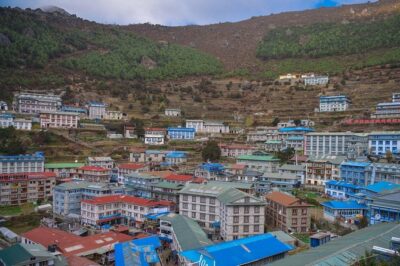
Everest Base Camp Helicopter Tour landing at Hotel Everest View
Read our review →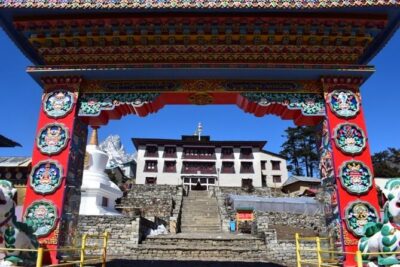
Browse the lists this tour appears in