
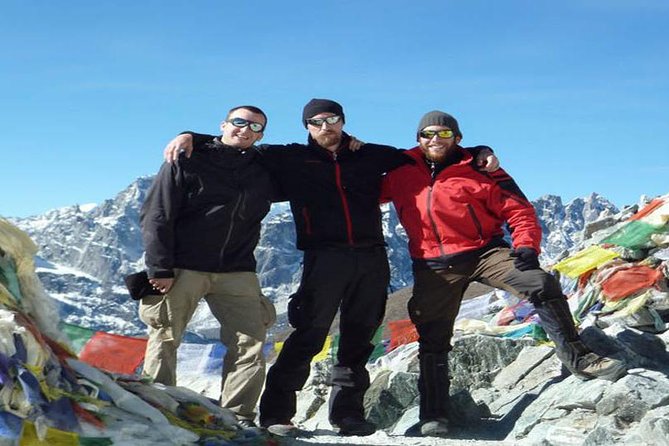
Reviewed · EVEREST BASE CAMP TREK
Everest Base Camp Trek
Everest Base Camp is interesting because it is not just a viewpoint, it is a full mountain walk through Sherpa towns, monasteries, and icefall views that feel close enough to touch. What I like most is the day-by-day structure with a licensed, English-speaking trekking guide, plus the local support in Kathmandu when you need help before you even start hiking. A fair consideration: this itinerary leans on trekking time and altitude days, so if you are new to mountain walking, you will want to respect the pace and acclimatization.
My second big win is that the trek is built around smart altitude stops like Namche acclimatization and the Kala Patthar push. That setup helps you get to Base Camp and still enjoy the hike, not just survive it. If you hate “rules of the mountains,” like going slower than you want, you may find that part tough.
Key Things I’d Watch Before You Go
- Licensed guide, not guesswork: you trek with a government licensed English-speaking guide for the planned day-by-day route.
- Porters for a big chunk of the trek: porter service for 11 days, with a ratio of 1 porter for 2 clients.
- Acclimatization days are actually included: Namche time, plus a hike to Nangkartshang above Dingboche.
- Everest Base Camp at 5,365 m, plus Kala Patthar at 5,555 m: you get the “closest without mountaineering” classic.
- Park permits and local trekking fees are covered: Everest/Sagarmatha National Park entry and the Pasang Lhamu Rural Municipality fee are included.
- Filtered water on the trail: Katadyn Pocket Water Filter is included, plus seasonal fruits during the trek.
First Up: Kathmandu Arrival, the Pre-Trek Meeting, and What You Must Bring
Your first contact is simple and practical. You land at Tribhuvan International Airport, and an airport representative meets you outside with a Travel Pinto signboard. Then you get transferred to your hotel in a private tourist vehicle.
After that, there is a pre-trek meeting where you get your bearings fast and clear the paperwork. If you arrive after 4 pm, the briefing happens later, with your guide. If you arrive earlier, you meet at the office. Either way, plan to bring your passport, three passport-size photos, and a readable copy of your travel insurance policy. You will also clear any remaining balance and sign a legally binding trip form plus a non-liability disclaimer.
This matters because Everest is paperwork-lite once you are on the trail, but it is paperwork-heavy before you start. Getting this done calmly in Kathmandu helps the first day feel organized instead of frantic.
More ways to walk to Everest Base Camp:
- Everest Base Camp Trek – 14 Days
★ 5.0 · 1,499 reviews - Everest Base Camp Trek
★ 5.0 · 842 reviews - Everest Base Camp Helicopter Tour landing at Everest View Hotel
★ 5.0 · 668 reviews
The Lukla Flight Plan: Why Manthali Can Replace Kathmandu
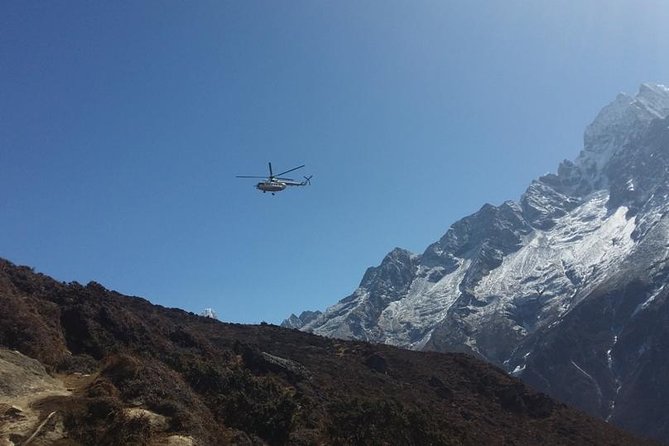
The trek’s “engine” is the flight into Lukla, but there is a real-world twist. During heavy traffic congestion at Kathmandu airport in peak trekking seasons (March, April, May, October, November), the Lukla flights shift to Manthali Airport in Ramechhap district. You start early in the day for the scenic flight from Kathmandu to Lukla, landing at Tenzing and Hillary Airport (2,804 m).
Why you should care: this change can affect your early schedule, how you plan transport timing, and how you handle nerves, because flights in the region still demand patience. The good part is that the trek operator builds this contingency into the route planning, so you are not left improvising.
Day by Day: What Each Step Feels Like and What to Expect
Day 2: From Lukla Down to Phakding, Then Back Toward Namche
After landing, the guide briefs you and introduces porters before you start walking. The first leg heads toward Phakding at 2,610 m. You descend toward the Dudh Kosi River and connect with the main trail toward Namche Bazaar.
This stretch is a gentle warm-up. The walking is described as easy, and you spend time joining the rhythm of the Khumbu region, where prayer flags and suspension bridges start showing up right away. The value here is psychological: your body learns that this is a hike, not a cliff-face test.
More to compare around Kathmandu
- Private Kathmandu Sightseeing Tour | UNESCO World Heritage sites
★ 5.0 · 756 reviews - Kathmandu: 7 UNESCO Sites with Lunch
★ 4.8 · 744 reviews - Half day cooking class in Thamel kathmandu
★ 5.0 · 607 reviews - Everest Base Camp Trekking
★ 5.0 · 485 reviews
Day 3: Namche Bazaar, Suspension Bridges, and the Sherpa Town Buzz
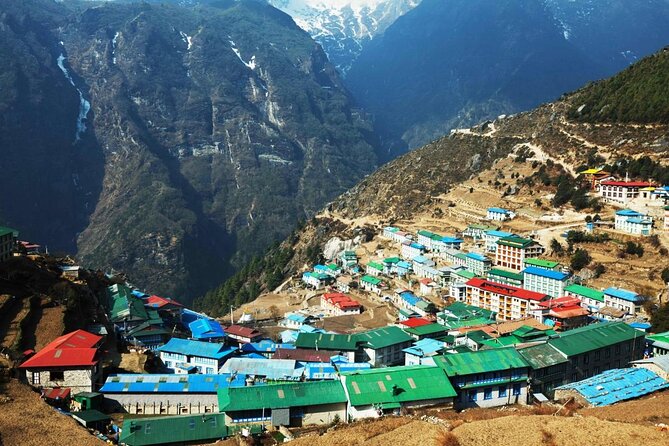
You continue along the Dudh Koshi, crossing suspension bridges that hang over the river, often draped with prayer flags. You enter Sagarmartha National Park and then climb steeply toward Namche Bazaar, the biggest Sherpa settlement along the Everest trail.
Namche is also practical. It has restaurants, lodges, shops, money exchange services, internet cafes, and bakeries. That means you can rest, eat well, and top up essentials without feeling stuck. I like that you are not forced to carry every little thing forever. In mountain trekking, that small relief can be the difference between enjoying the day and counting blisters.
Day 4: The Acclimatization Day That Also Gives You Big Views
Day 4 is the kind of stop that makes later days easier. You spend time in Namche to acclimatize and adjust to thinning air, then trek a short distance to the Sherpa Museum. After that, you hike up to Syangboche Airport and the Everest View Hotel.
This is your “look around and take it in” day, with a reward view of the Himalayas including Mt Everest when the weather cooperates. The drawback is weather dependency. If clouds roll in, you might not get the clean panoramas. That is true on Everest no matter who you trek with.
Day 5: Tengboche Gompa, Monastery Quiet, and a Big Jump Up
Your route continues beside the Dudh Koshi with mountain views, reaching Tengboche at 3,860 m. Tengboche is famous for its monastery, where the wall hangings, a 20-foot Buddha sculpture, and the religious instruments are part of the experience.
You also get a prayer ceremony either in the morning or evening depending on the day’s schedule. This matters because it breaks the trek’s routine. Walking all day can make everything feel repetitive, so having a cultural anchor helps the whole journey feel fuller.
Day 6: Dingboche and the Ama Dablam Framing
From Tengboche, the trail drops to Debuche, then crosses another suspension bridge over the Imja Khola and climbs toward Pangboche before arriving at Dingboche. The day is slower on purpose, taking your time so you avoid altitude hit as much as possible.
Dingboche is also scenic in a specific way. You get views of Lhotse, Island Peak, and Ama Dablam, and the itinerary keeps pushing that “high mountain look” into your day rather than hiding it behind foggy hours.
Day 7: Acclimatization Through a Viewpoint Hike, Not Base Camp Rush
This is another acclimatization day. You do not make progress toward Base Camp. Instead, you hike to Nangkartshang peak above Dingboche, which is an excellent viewpoint.
The payoff is Ama Dablam views. If weather is clear, you can see Ama Dablam from summit to its feet. The rest of the day is free time: village strolling or resting. This is important because recovery time is part of the trek, not downtime you feel guilty about.
Day 8: Lobuche and the Feel of the Glacier Country
Today you trek along the lateral moraine of the Khumbu Glacier and pass stone memorials for climbers who perished on nearby summits. Then you continue to Lobuche, at the foot of giant Lobuche peak.
The itinerary warns that breathing problems may arise due to altitude. That is not a scare line, it is a reminder to slow down, drink water, and listen to your guide. If you treat altitude like a willpower problem, you will pay for it.
Day 9: The Glacier Push to Everest Base Camp at 5,365 m
This is the big day walk: along the Khumbu Glacier and up to Everest Base Camp at 5,365 m. It is described as the closest you can get to Mt Everest without mountaineering equipment. During spring, expedition teams may be near base area before summiting.
You also get the view of the Khumbu Icefall from Base Camp, which is a spectacular, surreal scene. Then you return to Gorak Shep for the night. The practical tip here is to budget energy for the return. People often feel euphoric at the top, then drain themselves on the way back.
Day 10: Kala Patthar, the 5,555 m Viewpoint, and the Descent to Pheriche
Kala Patthar at 5,555 m is described as one of the most difficult but rewarding days. Most of the morning is spent climbing that peak. The reward is a mountain panorama where Everest towers directly ahead and around you, with giants like Nuptse, Pumori, Chagatse, and Lhotse.
After a quick descent back toward Gorak Shep, you get hot breakfast, then trek down to Pheriche. I like that hot food is built in here, because on a high day you need warmth and calories to keep functioning.
Day 11: Back Down to Namche Bazaar
You leave the high mountains behind, descending through Pangboche and Tengboche and continuing to Namche Bazaar. You arrive in the afternoon.
This day is about recovery, getting your legs back, and easing out of the altitude zone. The route still uses trekking terrain, but it feels more like a long downhill reset than an “attack day.”
Day 12: Final Trek Day to Lukla, Then a Group Celebration
You trek from Namche back to Lukla. The afternoon is free, so you can wander, relax, and enjoy a hot shower. In the evening, there is time for celebratory drinks and dancing with your trek-mates.
That little party moment is not silly. It is a mental marker that you finished the climb of the whole experience, not just reached a point on a map.
Day 13: Lukla to Kathmandu Flight and the Option to Extend
You get the last glimpse of the mountains, then take the 35-minute scenic flight back to Kathmandu. On arrival, you are met and transferred back to your starting hotel.
There are also add-on ideas if you want more time in Nepal. Options mentioned include Chitwan jungle safari, river rafting, Kathmandu shopping tours, and mountain biking, among other activities.
Day 14: Depart Nepal from Tribhuvan International Airport
The trek ends back in Kathmandu. An airport representative drops you to Tribhuvan International Airport for your departure flight.
What You Get for the $1,600 Price: Value That Matters on Everest
At $1,600 per person for about 14 days, this is not a budget trek, but it also does not feel overpriced for the level of logistics included.
Here is what you are actually paying for:
- Guide support: a professional, government licensed English-speaking trekking guide.
- Porters: porter service for 11 days, easing your load.
- Flights covered: Kathmandu to Lukla and back, including airport departure tax for that sector.
- Accommodations: 3-star twin-share lodging in Kathmandu for 2 nights with breakfast, plus guesthouse twin-share on the trek.
- Meals on the trail: standard meals (breakfast, lunch, dinner) are included during the trekking days.
- Permits and local fees: Everest/Sagarmatha National Park entry permit and Pasang Lhamu Rural Municipality fee.
- Water and trail essentials: Katadyn Pocket Water Filter and seasonal fruits.
What is not included is also clear, and you should read it like a budget checklist:
- Lunch and dinner in Kathmandu
- Travel insurance that covers emergency high-altitude rescue and evacuation
- International airfare and airport departure tax
- Nepal visa
- Alcoholic and other drinks
- Personal trekking equipment
- Tips for guide and porter, which are expected
Also note: the package includes emergency medical evacuation arrangements in a worst-case scenario, plus a first-aid kit. Still, you should treat travel insurance as non-negotiable, because those costs can be huge and the trek is high altitude.
Lodging on the Route: Guesthouses, Attached Toilets, and Cold Nights
The Kathmandu portion is cushier: 3-star twin-share accommodation for 2 nights, with breakfast included.
On the trek, the plan uses guesthouse accommodation in the towns of Lukla, Phakding, and Namche with attached toilets. Elsewhere, you should expect typical guesthouse facilities as the itinerary does not promise attached toilets everywhere. The weather can also be cold. Even with warm buildings, mountain temperatures can surprise you at night, so pack for real winter-like conditions.
The Guide and Porter Team: Why Names Show Up Again and Again
In the mountain world, you remember the people who keep you calm. In past trips, guides including Dave, Suraj, Devendra, Mohan, and Uddhav came up as helpful and responsible, with porters described as friendly and supportive.
That lines up with how the trek is built: you have day-by-day guidance, and you also have porter support for 11 days. A good guide helps you adjust pacing, handle route timing, and make quick decisions when plans need small changes. When altitude or weather gets weird, that skill becomes the difference between a tough day and a scary one.
Who This Trek Fits Best (And Who Might Struggle)
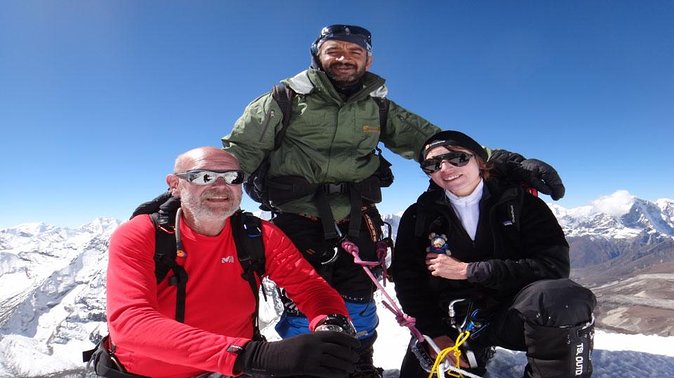
This trek is best for people with moderate physical fitness who are willing to trek uphill most days and accept slow acclimatization. It also fits groups well, and the maximum group size is up to 14 participants, which helps with coordination.
If you hate altitude uncertainty or you have limited trekking experience, you might find the schedule demanding. The itinerary specifically includes altitude warnings around Lobuche and expects you to take acclimatization seriously. You can still do it, but you should go in with respect, not bravado.
Should You Book This Everest Base Camp Trek?
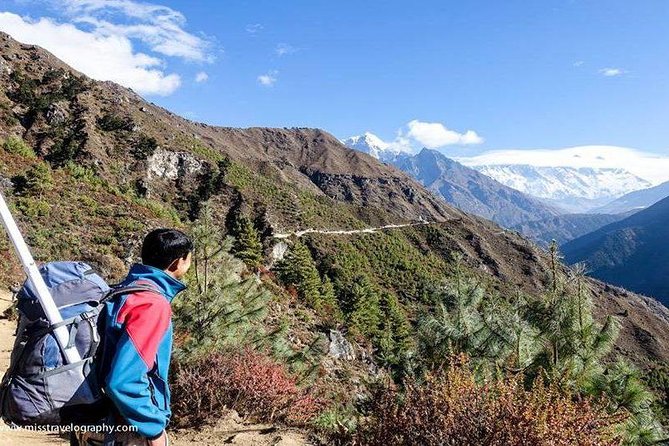
I would book it if you want the classic Everest Base Camp route with licensed guide support, porter help, and the key permits and flights handled, so you do not spend your vacation juggling logistics. The itinerary’s acclimatization days are a major plus, and the inclusion of filtered water plus daily meals on the trail is practical.
I would think twice if you are counting every extra cost, because the trek budget includes things outside the package like Kathmandu meals, tips, insurance that covers high-altitude evacuation, and personal equipment. Also, if you want a fast, no-wait style hike, this plan is built for altitude and pacing, not speed.
If you want a structured Everest journey that still leaves room for you to add extra Nepal days on your own schedule, this is a solid, value-driven way to go.
Latest Kathmandu write-ups
- Langtang Valley Trek★ 5.0 · 3 reviews
- Khopra Danda Trek★ 5.0 · 3 reviews
- Langtang Valley Trek from Kathmandu★ 5.0 · 3 reviews
- 5 night / 6 days Kathmandu Nagarkot Chitwan Pokhara tour★ 5.0 · 3 reviews
- Nepal Highlights Tour: 5 Nights 6 Days Kathmandu & Pokhara Tour★ 5.0 · 3 reviews
- Kathmandu Valley Private Day Tour★ 5.0 · 3 reviews
- Conquer the Himalayas: The Ultimate 16-Day Annapurna Circuit Trek★ 3.5 · 3 reviews
- Kathmandu Heritage Day Tour★ 5.0 · 3 reviews
Everest Base Camp Trek, compared.



Everest Base Camp Helicopter Tour landing at Everest View Hotel
Read our review →



Everest Base Camp Helicopter Tour landing at Hotel Everest View
Read our review →
Browse the lists this tour appears in