
Reviewed · EVEREST BASE CAMP TREK
Everest Base Camp Trek
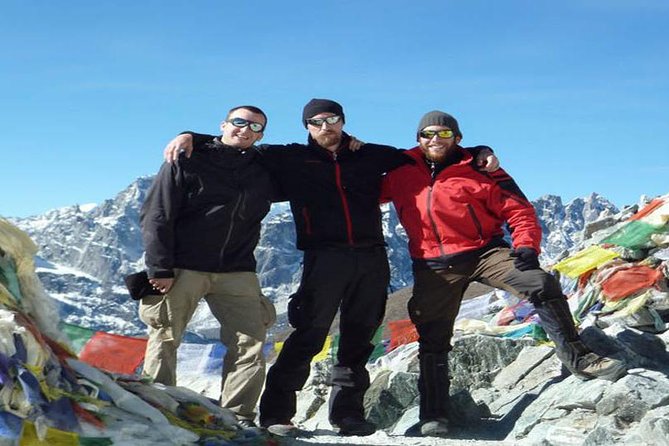
Everest Base Camp is interesting because it turns the word Everest into something you can reach on foot. You trade highways and Wi-Fi for stone paths, Buddhist prayer flags, Sherpa settlements, and the steady climb of the Himalayas.
I love two things about this trek. First, you get both-way Lukla flights and private airport pickup, so the hardest logistics are handled before you even start walking. Second, the experience is carried by a guide team that shows up for the planning, with Hari, Ongchhu, and Nima highlighted in past trips.
One possible drawback to consider is that this is still a real trekking challenge. You should have moderate physical fitness, and the days at altitude ask for patience and steady effort, not speed.
Key Points You’ll Feel on Day One
- Round-trip Kathmandu to Lukla flights reduce travel stress and keep your schedule focused on the trail
- Acclimatization stops in Namche Bazaar and Dingboche give your body time to adjust before higher days
- Everest Base Camp via Gorakshep with a return to Gorakshep means you stay flexible when conditions change
- Guides who prepare you early, including pre-trip checklist time with Hari, Ongchhu, and Nima
- Lodge trekking with three meals a day during the trek, plus a vegetarian option when you book
Everest Starts With Lukla, Not a Slow Build
This trip begins the way most people picture Everest, with an early start from Tribhuvan Airport in Kathmandu at 6:00 am. Then comes the flight to Lukla, followed immediately by your first trekking day.
What I like about this structure is that it gets you into the mountain rhythm fast. You’re not spending days traveling across Nepal first, you’re spending those days walking, adjusting, eating, and sleeping at altitude.
You will feel the practical side of the Himalayas right away too. Trail days are the main event, but the comfort of having a private vehicle pickup and drop helps you focus on your trek instead of local transportation puzzles.
More ways to walk to Everest Base Camp:
- Everest Base Camp Trek – 14 Days
★ 5.0 · 1,499 reviews - Everest Base Camp Trek
★ 5.0 · 842 reviews - Everest Base Camp Helicopter Tour landing at Everest View Hotel
★ 5.0 · 668 reviews
Price and What You Get for $1,390
At $1,390 per person, the value depends on what you compare it to. This price includes the big ticket items that usually blow up the budget for Everest treks.
Here’s what’s included that matters most:
- Both-way flights Kathmandu to Lukla and back
- Airport transfers in a private vehicle
- Lodge/guest house during the trek with three meals daily (listed as 11 B, 11 L, 11 D)
- A trekking guide plus guide expenses like salary and insurance
- Permits and taxes
That’s important, because permits and the Lukla flights are not optional extras on a trip like this. By packing those into the package, you’re less likely to get surprised by separate costs later.
What is not included, and you should plan for it:
- Travel insurance for trekking
- Hotel and meals in Kathmandu
- Tips for guide(s), porter(s), and driver(s)
- Alcohol and beverages of any kind
If you want the trip to feel smooth, that included portion is the difference between an organized trek and a logistical scramble.
Day 1: Lukla to Phakding, the First Real Trek Day
After landing in Lukla, you trek to Phakding. This day is your transition from city pace to mountain pace, and you’ll likely feel it most in your breathing and your legs.
Phakding is also your first taste of the trail setting. Expect a quieter, greener feel as you move away from the noise of town life and toward forests and river scenery that show up along the route.
The practical win on Day 1 is that you’re not starting with a long, punishing push. It’s a gentle on-ramp, and it helps you get your gear and routine working before the higher days.
Days 2 to 3: Phakding to Namche Bazaar, Then Acclimatize
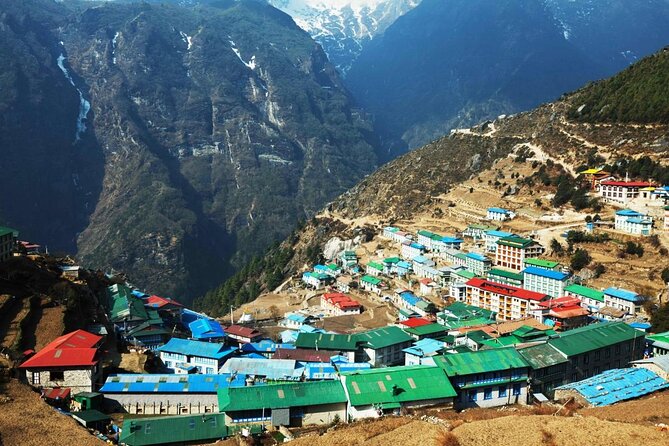
Day 2 takes you from Phakding to Namche Bazaar. Namche is a key town stop, and it’s where the trek starts to feel more alive with Sherpa communities, guest houses, and a noticeable shift in altitude.
Then Day 3 is your first acclimatization day in Namche Bazaar. This is not wasted time. It’s how you help your body adjust before you head to higher villages.
If you’ve done any trekking before, you already know the pattern: you gain altitude slowly, you rest wisely, and you treat fatigue like a signal, not a challenge. Namche is built for that mindset, and it sets you up for the rest of the week.
More to compare around Kathmandu
- Private Kathmandu Sightseeing Tour | UNESCO World Heritage sites
★ 5.0 · 756 reviews - Kathmandu: 7 UNESCO Sites with Lunch
★ 4.8 · 744 reviews - Half day cooking class in Thamel kathmandu
★ 5.0 · 607 reviews - Everest Base Camp Trekking
★ 5.0 · 485 reviews
Day 4: Namche Bazaar to Tengboche, Monasteries and Mountain Views
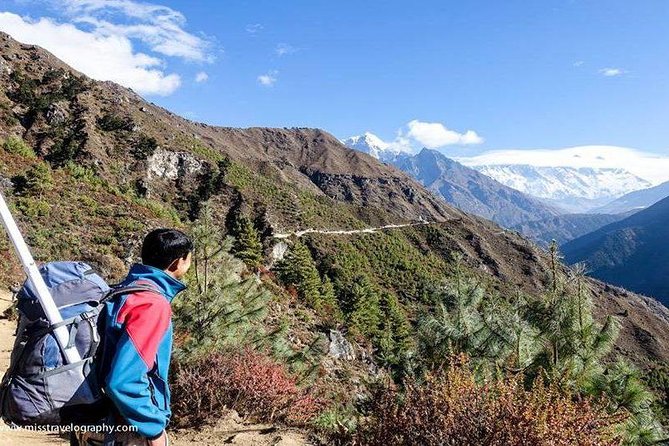
On Day 4 you go from Namche Bazaar to Tengboche. This stretch is where the cultural side comes into focus along with the natural scenery.
Tengboche is tied to Buddhist monasteries, and you’ll also pass chortens, mani walls, and colorful prayer flags. These details matter because they give the trail meaning beyond altitude. You’re walking through living beliefs, not just scenery.
A practical note: these cultural stops can make you slow down in a good way. You pause more, look around, and reset your pace. That helps more than you might think once the steep days begin.
Days 5 to 6: Tengboche to Dingboche, Then Acclimatize Again
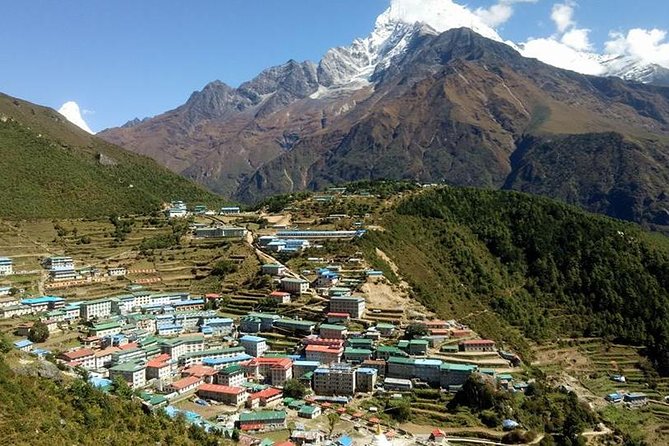
Day 5 moves you from Tengboche to Dingboche. The air tends to feel sharper here, and the walking rhythm changes as the trail climbs toward higher settlements.
Day 6 is your second acclimatization day at Dingboche. This second rest is one of the smartest parts of the whole itinerary. It gives you another chance to reduce the risk of pushing too hard too fast.
I like that this trek doesn’t treat acclimatization like paperwork. It builds it into the schedule, so you’re not guessing when to stop or how much to rest. Your body gets a pause at the exact time you need it.
Day 7: Dingboche to Lobuche, Getting Closer to the Big Day
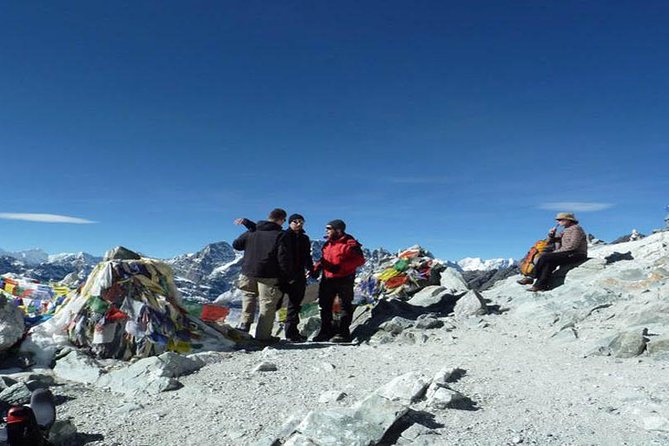
Day 7 goes from Dingboche to Lobuche. This is a steady step up from the earlier village days.
Along the route, you can expect the trail to feel more rugged, with rocky sections and the stark beauty that comes as forests thin and the high-country feel takes over. The vibe changes from greenery and river sounds toward wide mountain views and colder mornings.
What you should watch for here is energy management. You’re not just climbing, you’re also learning how your breathing changes. If you keep a calm pace, you’ll arrive in better shape for the Base Camp push.
Day 8: To Everest Base Camp via Gorakshep, Then Back to Gorakshep
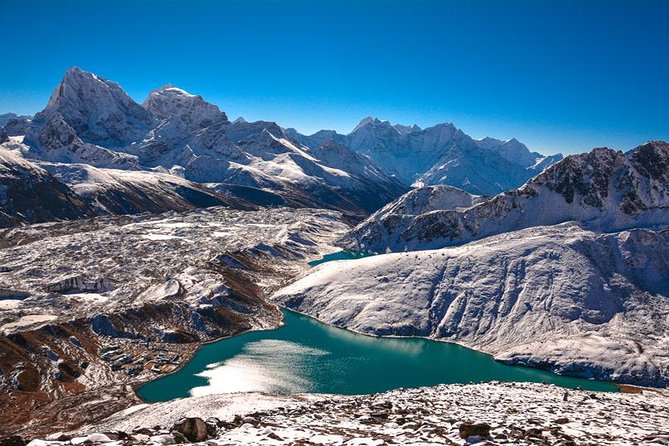
Day 8 is your main milestone, going from Lobuche to Everest Base Camp via Gorakshep, then returning back to Gorakshep.
This format matters. You’re not just going forward once and finishing the day at Base Camp. You reach the goal, then you backtrack to your sleeping area, which helps keep the itinerary more controlled.
The route is packed with the high-altitude character people hope for: big cold-air mornings, dramatic ground textures, and the kind of silence you don’t get lower down. It’s also a day that can be emotionally intense, because you finally put your feet near the place you’ve been picturing.
If conditions shift, having the plan built around Gorakshep helps you stay flexible without losing the chance to reach the Base Camp area.
Day 9: Gorakshep to Kala Patthar, Then Pheriche
Day 9 starts at Gorakshep, continues to Kala Patthar, then trekking down to Pheriche.
Kala Patthar is a viewpoint stop that helps you see more of what you’re working toward. It’s also a day that balances effort and payoff, because you’re still trekking, but you’re doing it with a very clear focus on the view ahead.
When you reach Pheriche, you’re moving back toward a more livable rhythm. It’s a descent day in practice, even if your legs still feel it. Think of it as the emotional recovery after the Base Camp high.
Day 10 to 11: Pheriche to Namche, Then Phakding and Lukla
Day 10 takes you from Pheriche to Namche Bazaar. This is a longer day in terms of effort, since you’re working your way down through familiar terrain while staying aware of how your body reacts after the Base Camp day.
Day 11 goes Namche Bazaar to Phakding and then to Lukla. You’re wrapping the trek loop and moving toward the flight day.
This is where I recommend you stay patient with the pace. Going down feels easier than going up, but your knees and ankles still do the work. Take your time, especially on uneven sections.
Day 12: Lukla Back to Kathmandu
Day 12 ends with your flight from Lukla to Kathmandu, taking you back to the meeting point area.
This last day is shorter in walking terms, but it’s not a casual finish. You’ve already spent days at altitude, so it’s wise to stay hydrated and keep your energy steady.
Then you’re back into traffic, buildings, and everyday comforts, which can feel like a strange switch after days of mountains and thin air.
What the Lodges and Meals Actually Mean for Your Comfort
During the trek, you stay in guest houses or lodges with meals included: 11 breakfasts, 11 lunches, and 11 dinners. For most people, this is more important than it sounds. When you’re trekking, meal planning is one less thing you have to think about.
The meals aren’t described in detail here, but you should expect classic trekking fare: the kind of food that’s filling and practical for cold mornings. Also, if you prefer vegetarian meals, this trek offers a vegetarian option when you advise at booking.
One more detail I like: it’s not framed as a luxury trip. It’s framed as a trek trip. That means you’ll spend your budget and energy where it counts, on the path, the acclimatization, and the guide support.
Why the Guide Team Feels Like the Main Advantage
The highest praise in past experiences isn’t about gear. It’s about people.
A standout detail is how the guide team handles questions before you even start. In one example, the guide Hari, along with Ongchhu and Nima, answered a long list of questions and then met with the traveler for close to two hours to go over a checklist.
That pre-trek support is practical. It means you arrive with fewer unknowns, and you’re more likely to pack and plan correctly for the days ahead. On a trek like this, confidence matters almost as much as fitness.
Once you’re on the mountain, that same support shows up as staying calm, staying on schedule, and feeling like help is right there when altitude and fatigue start talking.
Permits, Weather, and the Real-World Practicalities
The trip includes all necessary permits and taxes, which keeps your logistics clean. You’re not trying to figure out paperwork during a stressful countdown.
It also operates in all weather conditions. That doesn’t mean you can ignore weather, but it does mean you should pack and dress for cold, wind, and changing conditions. A trek like this will test your clothing choices fast.
Fitness wise, the requirement is moderate physical fitness. That’s encouraging, but it still means you should prepare. If you’re the kind of person who can walk steadily for hours and manage stairs without panicking, you’re in the right neighborhood.
The Best Fit: Who This Trek Works For
This Everest Base Camp trek is a great fit if you want a real mountain journey without handling the complicated pieces yourself.
You’ll likely enjoy it most if you:
- Want included flights to Lukla and transfers that reduce stress
- Like a structured plan with acclimatization days built in
- Care about both nature and culture, including monasteries and prayer flags
- Appreciate a guide team that takes your questions seriously, like Hari, Ongchhu, and Nima
If you’re aiming for a high-pace sprint or you hate early mornings, this might feel like too much effort. But if you want a thoughtful, guided Everest approach, it fits well.
Should You Book It?
I’d book this trek if you want the essentials handled well: flights, permits, guide support, and lodge meals during the trek. The price makes sense when you look at what it includes, and the guide-focused prep gets a lot right.
Don’t book it if you haven’t built up your endurance, because acclimatization days help, but they do not erase the physical demands. Also plan your insurance and Kathmandu lodging yourself, since those are not included.
If you want the Everest feeling, the Sherpa culture moments, and a team that prepares you before you step off the plane, this is a solid choice.
Latest Kathmandu write-ups
- Langtang Valley Trek★ 5.0 · 3 reviews
- Khopra Danda Trek★ 5.0 · 3 reviews
- Langtang Valley Trek from Kathmandu★ 5.0 · 3 reviews
- 5 night / 6 days Kathmandu Nagarkot Chitwan Pokhara tour★ 5.0 · 3 reviews
- Nepal Highlights Tour: 5 Nights 6 Days Kathmandu & Pokhara Tour★ 5.0 · 3 reviews
- Kathmandu Valley Private Day Tour★ 5.0 · 3 reviews
- Kathmandu Heritage Day Tour★ 5.0 · 3 reviews
- Conquer the Himalayas: The Ultimate 16-Day Annapurna Circuit Trek★ 3.5 · 3 reviews
Everest Base Camp Trek, compared.



Everest Base Camp Helicopter Tour landing at Everest View Hotel
Read our review →



Everest Base Camp Helicopter Tour landing at Hotel Everest View
Read our review →
Browse the lists this tour appears in