
Reviewed · EVEREST BASE CAMP TREK
Everest Base Camp Trek
Everest Base Camp Trek is interesting because it mixes a once-in-a-lifetime mountain goal with real-life Himalayan travel. You fly into Lukla, then walk day after day through Sherpa villages, forests, and monasteries in Sagarmatha National Park. I especially like that the program builds in acclimatization before the hardest push.
Two things I’d point to right away: you get hot soup at high places and a real guide plus porter support (2 trekkers for 1 porter), which matters when you’re carrying less and moving safely. The only real consideration is the difficulty and altitude grind, including the early start for Kala Patthar and the long downhill legs on tired legs.
Key Points I’d Bookmark Before You Go
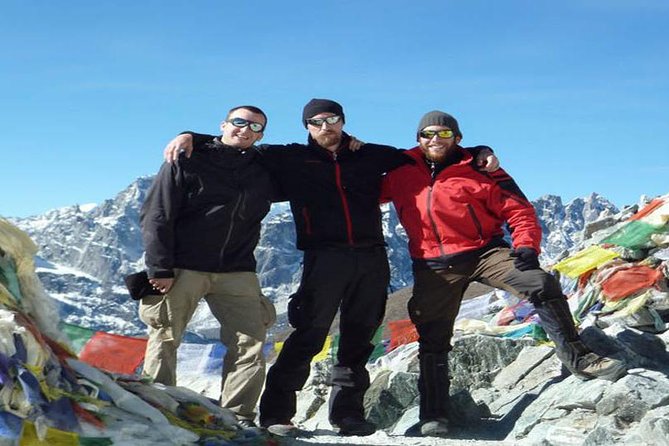
- Kala Patthar is the payoff: you’ll hike early for the best Everest views, then turn around and keep trekking down.
- Acclimatization is built in: you get a Namche “explore and adjust” day before higher terrain.
- Tea house comfort with simple basics: meals are included, but personal costs like hot shower and battery charging are on you.
- Private group travel: it’s set up so only your group participates, not a giant mix of strangers.
- Porters reduce the load: the 2-to-1 porter ratio can make the difference on steep days.
- Pro guide and local taxes included: you’re not hunting for logistics or paperwork once you arrive.
Flying Into Lukla, Then Living the Everest Routine
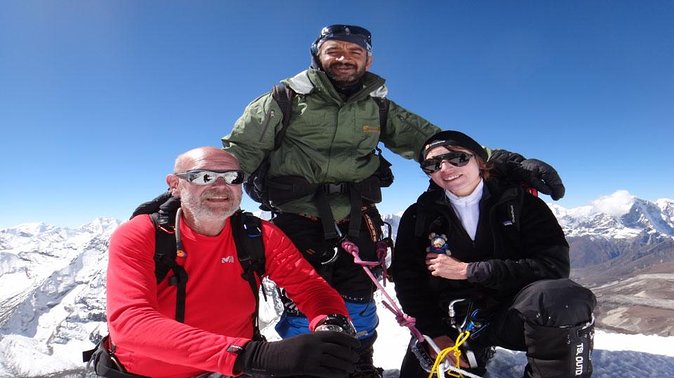
The Everest Base Camp Trek starts with a flight from Kathmandu to Lukla, about 25 minutes, and it’s one of those parts that always feels dramatic in real time. Even if you’ve read about it, seeing the mountains close around you changes your mood fast. Then you’re off trekking right away, walking around Phakding at about 2,650 meters.
Day 1’s trek is only about 3 hours, which is smart. It helps your body wake up before the longer days. If you’re the type who likes to get oriented, you’ll appreciate that you’re walking through villages and Buddhist monastery areas while your lungs are still doing that first-day calibration.
The main drawback of this opening is simple: it sets a pace. You’re not just sightseeing Kathmandu and then “starting later.” You begin the trek immediately after landing, so come with a travel day buffer if you can.
More ways to walk to Everest Base Camp:
- Everest Base Camp Trek – 14 Days
★ 5.0 · 1,499 reviews - Everest Base Camp Trek
★ 5.0 · 842 reviews - Everest Base Camp Helicopter Tour landing at Everest View Hotel
★ 5.0 · 668 reviews
Namche Bazaar: Where You Breathe, Eat, and Get Your Bearings
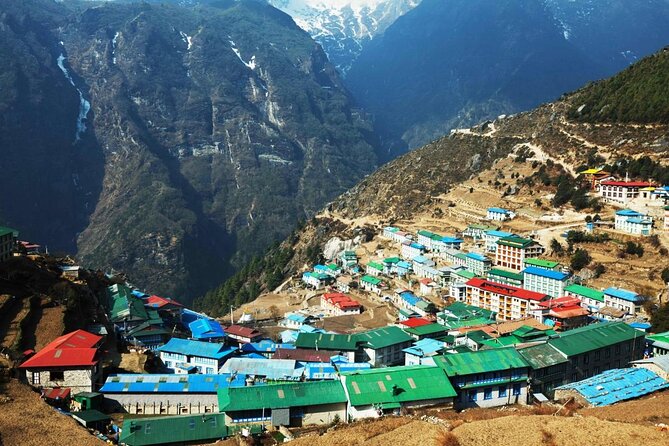
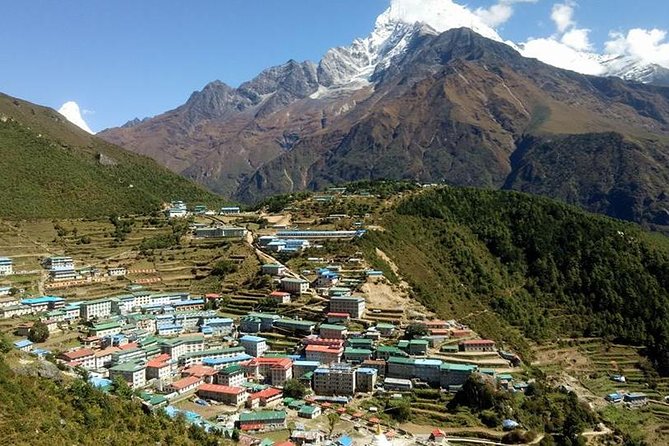
Day 2 climbs from Phakding to Namche Bazaar, around 6 hours of trekking, reaching about 3,440 meters. This is one of the key transition days because Namche is where the “Everest region life” becomes obvious. You’ll pass perennial rivers, waterfalls, and villages that feel genuinely lived in, not staged.
You also get lunch options along the route (with stops like Monje or Jorsalle mentioned for the day), and you might even catch a view toward Everest from spots near Namche like Top Danda if the weather behaves. On a practical level, that’s huge, because good visibility early makes everything feel more real.
Day 3 is your acclimatization day in Namche, and I love this part because it turns the trek from pure climbing into smarter climbing. You’re free to explore the town and do short hikes around it, including viewpoints like Everest View Point and nearby peaks that you can reach by walking rather than forcing altitude with a long scramble. You can also visit the Sagarmatha National Park museum if you want a grounding in what you’re passing through. This day is not a “waste day,” it’s a chance to help your body adjust so later days feel more manageable.
A small but important note: acclimatization days only work if you don’t treat them like a full-on rest-and-party day. Eat, hydrate, move gently, and keep your expectations realistic. Your legs should feel better over the next 48 hours, not destroyed.
Tengboche to Dingboche: Monasteries, Rhododendrons, and Higher Altitude
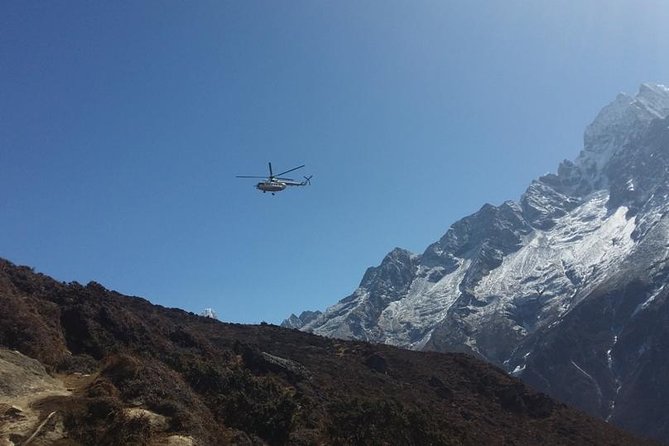
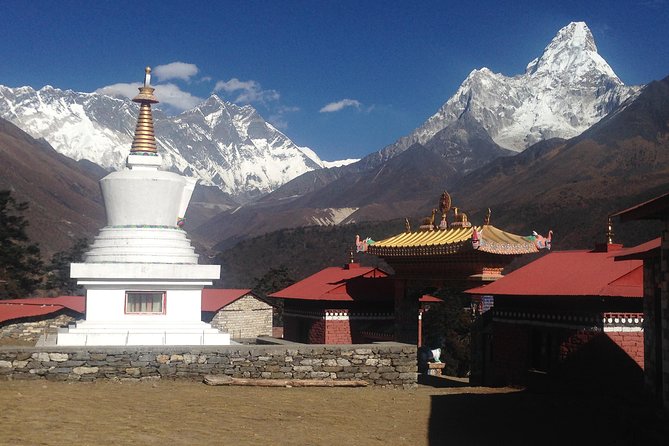
From Namche to Tengboche (about 5 hours) you’ll climb through scenery that changes as elevation rises. The trail crosses rhododendron forest and river edges, then ends with Tengboche at about 3,860 meters. This is where the culture hits a strong note. Tengboche monastery is the focus, and visiting there gives the trek more meaning than just “walk to a number on a map.”
Day 4 is a good example of how this trek balances emotion and logistics. It’s long enough to feel like progress, but not so long that you arrive battered. And you’re in an area where morning and evening light can make the mountain presence feel close, even when you don’t see Everest directly.
Day 5 takes you to Dingboche, about 5 hours, reaching around 4,400 meters. Dingboche sits in the higher zone where the air feels thinner and the scenery looks more spare. It’s a day where you’ll notice the routine: take breaks, keep moving, and don’t rush your breathing just to “pass time.” Lunch and dinner are handled on the route, and you’ll overnight at Dingboche to prepare for the next higher pushes.
Day 6 continues the trend from Dingboche to Lobuche, about 5 hours, to around 4,910 meters. As you gain height, views toward peaks like Nuptse and neighboring high points become more frequent, and the day feels more “Himalaya raw.” It’s also the point where the cold can get serious, so you’ll want to be ready with layers that are easy to manage on and off while walking.
Gorakshep and Everest Base Camp: The Day You Earn
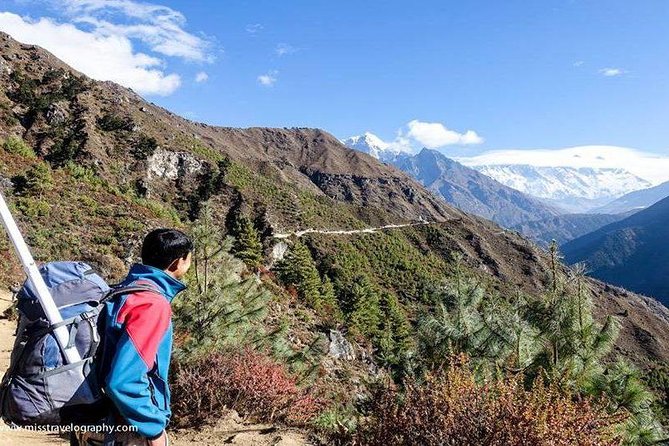
Day 7 is a shorter-sounding segment on paper, about 3.5 hours from Lobuche (listed as Labuche in the schedule) to Gorakshep at around 5,150 meters. But the altitude changes the effort more than the hour count does. When you arrive, you eat lunch, then you’re set up for the big push to Everest Base Camp and back.
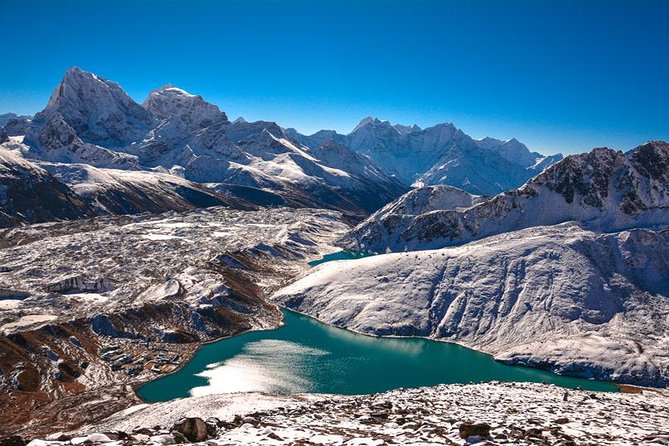
This is the classic arc: walk toward the ice and the glacier country until you reach Everest Base Camp around 5,364 meters, then return to Gorakshep for the night. What makes this day special is how quickly the environment changes your awareness. You’re not just walking a trail anymore, you’re walking in a place that feels intensely exposed. Every break feels strategic. Every breath feels intentional.
There’s also something motivating about knowing you’ll go back to the same starting point. It reduces the mental load. You don’t feel like you’re committing to an endless unknown, you’re following a plan toward the one moment you came for.
One drawback you should plan for: the “felt difficulty” is high, even if you’re in shape. If you go too fast on the way out, you’ll pay for it on the return. Save energy for steady movement.
More to compare around Kathmandu
- Private Kathmandu Sightseeing Tour | UNESCO World Heritage sites
★ 5.0 · 756 reviews - Kathmandu: 7 UNESCO Sites with Lunch
★ 4.8 · 744 reviews - Half day cooking class in Thamel kathmandu
★ 5.0 · 607 reviews - Everest Base Camp Trekking
★ 5.0 · 485 reviews
Kala Patthar: When the Trek Turns Into a Memory
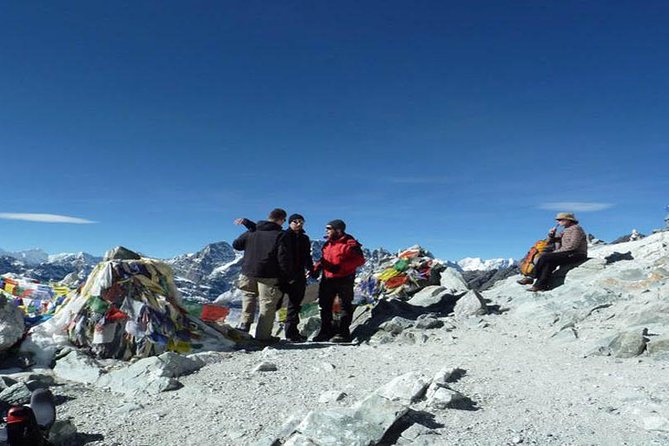
Day 8 is an early morning hike to Kala Patthar, about 3 hours up, then a return down toward Lobuche (about 2.5 hours). Kala Patthar is described as the best viewing platform for the Everest region, and that tracks with why hikers treat it as the emotional climax. If the weather is clear, the views can be jaw-dropping, and even if you don’t get perfect visibility, the experience is still meaningful because you worked for it.
The practical part is early starts. You’ll want to sleep with your system in mind, so you can get moving without fighting your own gear. Bring layers that you can manage quickly and comfortably, since it can feel colder while you’re still and warmer once you’re moving.
After Kala Patthar, you come back down and keep going with the trek routine. The descent is work, not a reward-only moment. Your knees will feel it. That’s why this stage is also about patience: you already did the hard thing, now you protect your body so the final days feel doable.
Coming Back Down via Tengboche and Namche
Day 9 retraces the route from Labuche back toward Tengboche, about 5.5 hours. This kind of “same trail, different feelings” day can be easier mentally because you know what’s coming next, but it’s not automatically easier on your legs. Downhill can be harder than you expect, especially after a high point day like Kala Patthar.
If the weather is clear, you’ll likely notice views that you missed earlier. If it’s cloudy, the day can feel more like steady trekking through familiar scenery, which is still valuable because it keeps you moving toward the finish.
Day 10 goes from Tengboche to Manjo via Namche Bazaar, about 6 hours. This day is longer in walking time, but the schedule gives you natural checkpoints like lunch around Namche and a route through Jorsalle. You’re heading toward lower elevations, so the air feels better, but you still have to keep your focus. The trail can include stops and bridges that help you stay engaged, and you’ll feel a sense of momentum as you approach the Lukla area.
Day 11 is the final trekking day back to Lukla from Manjo, about 5 hours. The route includes crossing the Dudh Koshi River on a suspension bridge and walking alongside a road for a bit. That mix of trail and easier walking can feel like a gift. You’ll sleep in Lukla, which is a classic “almost there” night, and it sets you up for the final flight.
Day 12 brings the short flight from Lukla back to Kathmandu, about 25 minutes. Then you’re escorted onward by vehicle, so you don’t have to figure out what comes next when you’re tired. One more practical perk: you can use your first Kathmandu evening to enjoy Thamel without over-scheduling. Your legs need downtime, not more stress.
Tea Houses, Meals, and What’s Included Versus What’s Not
This trek runs on tea house lodging, with three meals a day during the trek and hot soup in the high places. For many people, that’s the real comfort win. You’re not constantly wondering where you’ll eat, and the hot soup is exactly what you want when it’s cold enough to make you feel slow.
The tradeoff is that tea houses are simple. You may find differences between rooms, and you should expect basic amenities rather than modern comfort. The good news is you’re not paying for constant upgrades either. Your money is going toward guide time, transport between key points, and the structure of the trek.
Speaking of money, the price is listed at $2,500 for this 12-day trek. For what you get, that can be fair value if you want a managed experience rather than building it yourself. Included items cover airport pickup and drop in Kathmandu for international and domestic flights, transportation along the itinerary, tea house accommodation, meals, hot soup, and a professional guide.
You also get porter service, which reduces your load. Porters are a serious part of the math here. If you were solo, you’d either carry everything or pay for alternatives. This arrangement helps you focus on walking and acclimatizing rather than logistics.
What’s not included matters too. Nepal visa is not included. Your travel and rescue insurance for yourself is also not included, so you should arrange that before you go. Personal expenses like hot showers, charging batteries, laundry, bar bills, and even water costs are on you. If you’re planning to use a lot of power-hungry gear, budget for it. And of course, tips for your guide and porters are not included.
The Human Factor: Guides, Support, and That Private-Group Feeling
This is listed as a private tour/activity, so only your group participates. That matters. You’re not forced into a pace mismatch with other trekkers who have different stamina, different comfort with altitude, or different ideas about how often to stop. Your guide can tailor the rhythm to your group.
The trek also includes a professional guide for trek and sightseeing. In the provider’s reviews, I’ve seen names like Jangbu credited for being supportive and present on a tough trek, and Ajay praised for staying on top of a family’s needs from airport pickup through the end of the trip. I can’t promise which guide you’ll get here, but it does suggest the company places real value on attentive guidance, not just “handoff and good luck.”
The porter ratio is also a big quality signal. With 2 trekkers per 1 porter, you’re not overloading one person, and it’s designed to keep the experience practical. That helps you avoid the common new-trek mistake of carrying too much and turning a great trek into a slog.
Who This Trek Suits Best, and Who Should Rethink It
You’ll likely love this trek if you want a classic Everest route with a clear schedule: fly to Lukla, build altitude gradually, reach Base Camp, then chase the big views from Kala Patthar. The day-by-day structure gives you a steady rhythm. It also means you’re not constantly making decisions about where to stay or how to handle meals.
This is a moderate fitness requirement on paper, but the altitude and trekking time still demand respect. If you’ve never hiked for hours at a steady pace, or you get winded easily on climbs, you should prepare with training hikes and focus on pacing. The itinerary has some shorter days, but it also has the kind of “small steps in cold air” that challenge everyone.
If you’re the type who wants the freedom to change routes day by day, this might feel a bit structured. But if you want confidence and support, it’s well matched.
Should You Book This Everest Base Camp Trek?
I’d book this trek if you want a guided, supported way to reach Everest Base Camp and climb to Kala Patthar, without having to manage every logistics detail yourself. The included meals, hot soup, tea house lodging, and porter support make it more realistic. And the acclimatization day in Namche is the kind of planning that can protect you from common altitude mistakes.
I’d hesitate if you know you struggle with long hikes after a flight, or if you’re hoping for luxury comfort. This is a working trek in high-altitude conditions. Plan for cold, plan for simple lodging, and treat pacing as part of your success plan.
If you’re ready for hard work and big views, this one is a strong choice.
FAQ
Where does the trek start?
It starts at Tribhuvan Airport in Kathmandu, Nepal, with a listed start time of 5:15 am.
What’s the total length of the trek?
The duration is listed as 12 days approximately.
How do you travel between Kathmandu and the trekking area?
You fly from Kathmandu to Lukla, then later fly from Lukla back to Kathmandu. The flights are listed as about 25 minutes each time.
What kind of accommodation and meals are included?
You’ll stay in tea house accommodation during the trek, with three times meals included and hot soup in high places.
Do I need to carry all my gear?
A porter service is included, with a porter-to-trekker ratio of 2 trekkers to 1 porter.
What costs are not included?
Not included are Nepal visa, international flights to and from Kathmandu, travel and rescue insurance for clients, personal expenses like hot shower and battery charging, extra Kathmandu nights outside the itinerary, and tips for your guide and porters.
Is there a cancellation window for a refund?
Yes. You can cancel up to 24 hours in advance for a full refund, and changes made less than 24 hours before the experience start time are not accepted.
Latest Kathmandu write-ups
- Langtang Valley Trek★ 5.0 · 3 reviews
- Langtang Valley Trek from Kathmandu★ 5.0 · 3 reviews
- Khopra Danda Trek★ 5.0 · 3 reviews
- 5 night / 6 days Kathmandu Nagarkot Chitwan Pokhara tour★ 5.0 · 3 reviews
- Nepal Highlights Tour: 5 Nights 6 Days Kathmandu & Pokhara Tour★ 5.0 · 3 reviews
- Kathmandu Valley Private Day Tour★ 5.0 · 3 reviews
- Conquer the Himalayas: The Ultimate 16-Day Annapurna Circuit Trek★ 3.5 · 3 reviews
- Kathmandu Heritage Day Tour★ 5.0 · 3 reviews
Everest Base Camp Trek, compared.



Everest Base Camp Helicopter Tour landing at Everest View Hotel
Read our review →



Everest Base Camp Helicopter Tour landing at Hotel Everest View
Read our review →
Browse the lists this tour appears in