
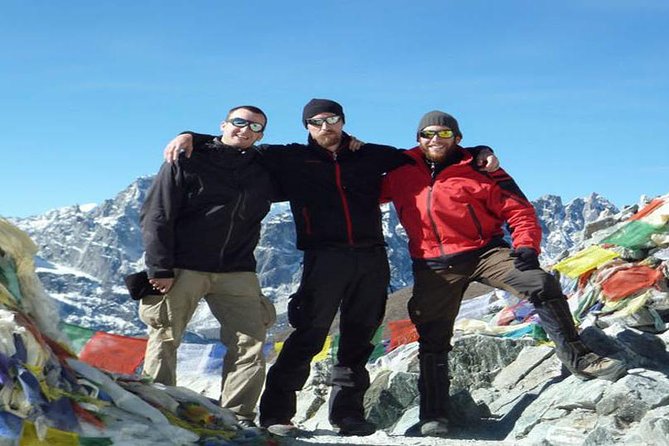
Reviewed · EVEREST BASE CAMP TREK
Everest Base Camp Trek
Everest Base Camp trekking is interesting because you get a front row seat to Sherpa culture and the long, slow build toward the Everest region, not just a one-day sightseeing hit. I like the way this route builds acclimatization into your days (Namche and Dingboche are not just stops, they are part of the plan), and I also love that the itinerary includes a Kala Patthar viewpoint, a classic goal for big-altitude scenery. One real consideration: you are dealing with altitude plus flight timing to and from Lukla, which can shift your schedule.
I also appreciate the practical support built into the trip. You get private airport transfers in Kathmandu, lodge stays along the trail, and a small group size (up to 15 people), with porters arranged at 1 porter for every 2 trekkers. From the feedback, the guide matters a lot, and names like Pradip (often called Master Zi or Big Z) show up again and again for helping people feel safe and informed.
Key Highlights You’ll Feel on the Trek
- Acclimatization built in, with rest and altitude management around Namche Bazaar and Dingboche
- Kala Patthar is included, giving you a major viewpoint before the descent to lower villages
- Practical guiding, with Pradip repeatedly praised for mountain know-how and spotting wildlife
- Porters share the load, with 1 porter for 2 people so you can keep a manageable day pack
- Kathmandu includes real downtime, with two nights in a 3-star standard hotel both before and after the trek
Everest Base Camp Trek: The “Why” That Matters for Real Life
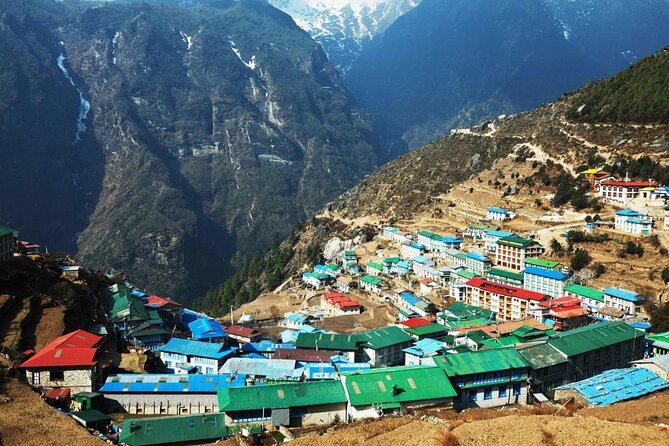
This trek is called the mother of all treks for a reason: it has rhythm. You start low, you walk steadily, and your body gradually learns what the altitude feels like. Over 14 days, you will move through Sherpa villages, monastery country, glacier country, and eventually the area most closely linked with Everest dreams.
The route also gives you contrast. You’re not just hiking to a single dot on a map. You’ll pass through places like Namche Bazaar (a Sherpa hub), then head toward Tengboche (known for monasteries), then climb onward to higher settlements like Dingboche and Lobuche before finishing at Everest Base Camp and Kala Patthar.
The tradeoff is the obvious one: you need solid physical fitness and you need patience. Altitude can make even a simple day feel like work, and mountain weather is not predictable. The good news is the itinerary is shaped for that reality, with acclimatization stops where you actually pause.
More ways to walk to Everest Base Camp:
- Everest Base Camp Helicopter Tour landing at Everest View Hotel
★ 5.0 · 668 reviews - Gokyo to Everest Base Camp Trek
★ 5.0 · 113 reviews - Everest Base Camp Trek
★ 5.0 · 97 reviews
Price and Value: What $1,500 Buys You Here
At $1,500 per person, what you are paying for is not just walking toward Everest. You’re paying for the whole operating system around the trek: lodging, meals on the trail, local logistics, guide and porter support, and key trekking paperwork.
From the included list, your money covers:
- 2 nights in Kathmandu at 3-star standard hotels (arrival day and after the trek)
- Lodge or tea house accommodations during the trek
- An experienced guide plus porters (1 porter for 2 people)
- TIMS card fees, a first aid medical kit, and insurance for the guide and porter
- Meals on the trek: 14 breakfasts, 11 lunches, 11 dinners
You also get airport support. There are private vehicles for Kathmandu transfers and a focus on the domestic flight timing to and from Lukla.
What is not included is also important. Lunch and dinner in Kathmandu are on you, and all drinks (alcoholic and non-alcoholic) are not included. That’s normal for Nepal trekking, but it does affect your daily budget once you get back to town.
Kathmandu Arrival Day: Why Day 1 Can Make or Break Your Trip
Your first day is all about landing, transferring, and getting sleep you actually need. You arrive at Tribhuvan International Airport, you’re met by a representative, and you transfer to your hotel. This is a gift you want in a trek like this, because the next stage involves an early flight and a sharp change in altitude.
You also get that pre-trek support through the meeting process described for Kathmandu. If you share your international flight details ahead of time, you are met at the airport with your name. If you booked your own Kathmandu hotel, the meeting time is coordinated by email.
Tip that helps: treat the first day like a recharge, not a sightseeing marathon. Kathmandu is busy, but your lungs will be working harder soon, so keep it calm.
Day 2: Kathmandu to Lukla, then Phakding
Day 2 is where the trek becomes real. You take an early flight from Kathmandu to Lukla (2886m), then trek to Phakding (2640m). That first walking day is not about speed. It is about starting your rhythm and learning how your body responds after the flight.
Expect a long day in time blocks, even if the walking distance is manageable. The value of having guide and porter systems in place shows up here. You’ll know where your main luggage is going, and you can keep a day pack light.
There is even a named “Irish Pub” stop in the itinerary. Think of it as a village break point on the route where you can reset, not as a reason to plan your whole evening.
More to compare around Kathmandu
- Kathmandu: 7 UNESCO Sites with Lunch
★ 4.8 · 744 reviews - Kathmandu: Local Women-Led Nepali Cooking & Momo Class
★ 4.9 · 360 reviews - Manaslu Circuit Trek
★ 5.0 · 292 reviews - Kathmandu: Food and Drink Walking Tour
★ 4.9 · 292 reviews
Days 3 and 4: Namche Bazaar and Acclimatization That Feels Smart
On Day 3, you trek from Phakding to Namche Bazaar (3440m). Namche is famous for a reason. It is a center for the Sherpa community, and it’s also where many trekkers start to feel the altitude more strongly. You’re walking into a place with layers of culture, not just altitude.
Day 4 is not a forced march. It is an acclimatization day in Namche Bazaar. This is a key part of how the trip protects you from the biggest beginner mistake on high trails: going too hard too soon.
What you’ll likely enjoy on this kind of day:
- time to browse, snack, and watch life move through the valley
- a chance to ask your guide questions about weather, altitude, and what to expect next
- a slower pace that keeps your energy for higher passes later
From the guide praise in feedback, the best experience tends to come when you actually use this day to learn. Guides like Pradip are repeatedly noted for mountain knowledge and for pointing out wildlife along the way, which is exactly the kind of “small details” experience that makes a rest day feel worth it.
Day 5: Tengboche and the Monastery Stop You’ll Remember
Day 5 takes you from Namche Bazaar to Tyangboche (3867m). This is one of the trek’s spiritual and scenic chapters. Tengboche is well known for monasteries, and the itinerary’s focus here is basically telling you: slow down and notice the change.
Even if you are not a monastery person, this stop works because it’s a breakpoint in your mental map. You’re higher now. The air feels thinner. Your views have more geometry, and villages feel more spread out.
Also, it helps emotionally to have a “meaningful stop” after a day that built altitude. You’re doing the work. This is where the trek rewards you for it.
Days 6 and 7: Dingboche and the Second Acclimatization Layer
Day 6 climbs from Tyangboche to Dingboche (4260m). Day 7 is another acclimatization day, staying in Dingboche (4260m). That is a lot of time near high altitude, and it’s also what makes the route feel safer for most people who take acclimatization seriously.
These days help you:
- reduce the risk of pushing past what your body can handle
- settle into a consistent routine with tea house meals and rest
- prepare for the higher sections that follow, including areas around Lobuche and Gorakshep
If you’re someone who gets anxious at altitude, these rest-focused days are the best antidote. You have time to talk with your guide and ask what “normal” feels like versus what should worry you.
Day 8: Dingboche to Lobuche, and the Quiet Build Toward Base Camp
Day 8 takes you from Dingboche to Lobuche (4930m), with lunch at Dugla (4595m). This is where the trek starts feeling more “Everest region” and less “village trek.”
The air is thinner, the climbs feel steeper in effort, and your body asks for slower pacing. Lodges here can be basic, but the comfort focus is practical: warm food, a place to sleep, and the ability to recover.
If you’re budgeting, remember that hot drinks and extra comforts often cost extra at tea houses. Meals are included on the trek, but drinks and snacks are not.
Day 9: Lobuche to Everest Base Camp via Gorakshep
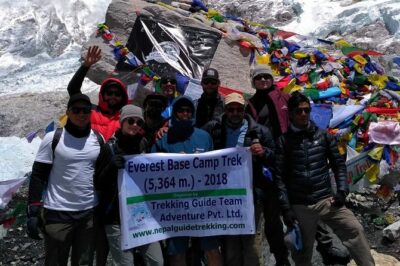
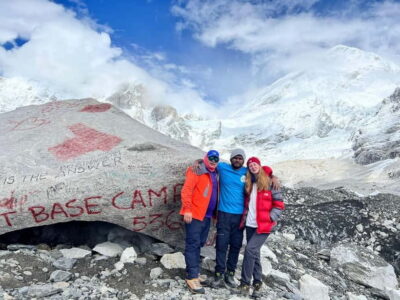
Day 9 is the big push toward the finish line. You trek from Lobuche to Everest Base Camp via Gorakshep (5140m). This is the section many people remember most because it feels like the world changes around you.
It’s also the point where you want to manage effort. Base Camp days are often emotionally intense, so it helps to keep your pacing steady rather than getting swept into a sprint mode.
Accommodation is again in lodges or tea houses. If you like photos, this is the day where you’ll be stopping more than you think. That’s fine. Just protect your breathing and don’t burn matches you need later.
Day 10: Gorakshep to Kala Patthar, then down to Pheriche
Day 10 is a two-part win. You hike from Gorakshep to Kala Patthar (5545m), then trek down to Pheriche (4243m). If you care about one dramatic viewpoint, this is it.
Kala Patthar is a high step. The altitude is real, and your legs will tell you about it. But the payoff is also real, which is why this trek includes it rather than treating the day as a simple transit.
Then you get your reward in the other direction: the descent to Pheriche gives you a break from maximum altitude stress. You’ll have a chance to settle back into lower elevation routines and sleep more comfortably than you did at the highest points.
Day 11 and 12: Return Through Namche to Lukla
Day 11 goes from Pheriche back to Namche Bazaar (3440m). Day 12 heads from Namche to Lukla (2886m). The return route matters because it is not just retracing steps. Your views can hit differently on the way back, and you often feel more confident since you’ve already done the hard work of acclimatization.
Day 12 includes another “Irish Pub” stop in the itinerary. By this point, you’ll likely appreciate the chance to have something familiar and warm after days focused on trail food.
When you arrive in Lukla, you refresh and rest. This is also when you’ll be thinking ahead to your flight plan back to Kathmandu.
Day 13 and 14: Lukla to Kathmandu, then airport drop-off
Day 13 is your early flight from Lukla to Kathmandu. You arrive at TIA and are received by representatives, then transferred to your hotel.
Day 14 is simpler: drop-off to Tribhuvan International Airport for your flight departure. It’s the last buffer before you go back to normal life.
One more practical note on logistics. The itinerary is built around domestic flights, and flight delays or cancellations can happen. The trip plan states that if a Lukla flight is cancelled, they reschedule you for the following day, subject to availability. In a group, a helicopter option may be possible, but the cost is your own expense and starts at about US$500 per person, depending on group size. If you choose that route, the information also suggests having travel insurance that covers flight cancellation for at least US$500 for a day.
What the Guide and Porters Really Do for Your Experience
In a trek like this, the guide is not just navigation. A good guide makes altitude feel manageable and turns uncertain moments into decisions you can live with.
The strongest praise in the feedback is about Pradip. Multiple write-ups credit him with making the experience enjoyable through deep knowledge, and they specifically note his ability to spot different wildlife along the trail. Others mention safe, well-informed guidance in difficult terrain.
You’ll also feel the porter setup. Your main luggage is carried by porters, so you can hike with a day pack holding what you need. The package states that small loads allow you to fully enjoy the trek.
What to pack for your day pack, based on the guidance you received:
- water bottle
- camera
- sunscreen
- spare jacket
Lodging, Charging, and Water: The Stuff That Keeps You Comfortable
Lodging is a mix by altitude. In Kathmandu, you get a standard 3-star style hotel with attached bath and A/C plus hot and cold shower. On the trek, you stay in Mt. Lodge and local tea houses, with twin share accommodation unless you request a single supplement.
If you want a single room, it’s available on request for an additional US$200.
Electricity is not guaranteed everywhere, but the information says electricity is available in some villages and solar power in others. You may need to pay for recharging batteries in these places, so bringing spare batteries is smart.
Water is a practical topic. The package says normal water is available for free, and you’re recommended to bring water purification pills. Bottled or boiled water is also available along the way.
Your Budget After You Pay: Small Costs That Add Up
Even with meals included on the trek, you’ll want extra cash for the extras:
- drinks (alcoholic or non-alcoholic), which are not included
- snacks on walking days
- hot showers where available
- tips for the support team
The guidance here is pretty clear: tips are appreciated after the trek. You’re advised to allocate about 10 to 15% of the total tour cost for staff if you felt the service was good.
In Kathmandu, lunch and dinner are not included, and a meal cost of roughly US$5 to 7 is mentioned. Entrance fees for Kathmandu activities are estimated around US$25. For simple budgeting, the info suggests around US$12 to 15 per day for hot drinks, shower, and snacks on trek, assuming you are not drinking alcohol or doing much shopping.
Who This Trek Fits Best, and Who Should Rethink It
This trek is for people with strong physical fitness. The information explicitly says travelers should have a strong physical fitness level.
It is especially good if you want:
- a guided trek with structured acclimatization
- a route that includes both Everest Base Camp and a high viewpoint day at Kala Patthar
- small group operation, up to 15 people
It might not be ideal if:
- you cannot handle altitude stress at all
- you are unwilling to accept the possibility of flight changes to Lukla
- you want zero extra costs for drinks, charging, or tips
Should You Book This Everest Base Camp Trek?
If you want an organized route that takes acclimatization seriously, this package makes sense. The combination of guide support, porter carry help, and the inclusion of Everest Base Camp plus Kala Patthar is a strong value proposition for $1,500.
I’d also consider booking if you care about having a guide who knows the mountains and pays attention to trail moments. The feedback strongly repeats Pradip’s name for making people feel safe and informed, and for adding extra joy by spotting wildlife.
Book with a clear head about the tradeoffs. You need fitness, you need patience for weather and flight timing, and you need a small budget for drinks and extras. If you can handle that, you’re set up for a trek that stays with you long after your return to Kathmandu.
FAQ
How many days is the Everest Base Camp trek?
The duration is listed as 14 days (approx.).
Where do we meet in Kathmandu, and when?
The start meeting point is Tribhuvan Airport in Kathmandu, Nepal, with a start time listed as 5:30am.
What’s included in the trek price?
The package includes airport pickup and drop-off by private car/van/bus, hotel stays in Kathmandu (two nights), lodge or tea house accommodations during the trek, guide and porters (1 porter for 2 people), TIMS card fees, a first aid medical kit, and trekking meals (14 breakfasts, 11 lunches, 11 dinners).
Are porters included, and how is luggage handled?
Yes. Your main luggage is carried by porters, and you carry a day pack during the trek. The information also notes a 15 kg luggage allowance on Nepal domestic airlines, including your hand bag, and that excess weight may be charged.
Is travel insurance included?
No. Your travel insurance is not included. The information also notes that if Lukla flights are cancelled and a helicopter is needed, that cost is your own expense, and travel insurance should cover flight cancellation for at least US$500 for a day.
What happens if the Lukla flight is delayed or cancelled?
If the flight is cancelled, they will reschedule your flight for the following day, subject to availability. In a group, they may hire a helicopter to fly in or out as per the plan, but the helicopter cost is your expense.
Can I cancel for a full refund?
Yes. Free cancellation is offered if you cancel up to 24 hours in advance of the experience start time for a full refund.
Latest Kathmandu write-ups
- 16 Days Island Peak Climbing With Everest Base Camp Private Trip★ 5.0 · 3 reviews
- 15 Days Round Annapurna Trek with Poon Hill from Pokhara★ 5.0 · 5 reviews
- Private Nepal round trip including Ghorepani Poonhill trek★ 5.0 · 3 reviews
- Everest Base Camp Trekking 16 Days★ 4.0 · 7 reviews
- 14 Days Luxury Annapurna Base Camp Trek★ 5.0 · 6 reviews
- Everest Base Camp Trek★ 5.0 · 87 reviews
- Everest Base Camp Trek★ 5.0 · 97 reviews
- 14 Days Annapurna Base Camp Trekking | Best trek for visit Nepal 2020★ 5.0 · 19 reviews
Everest Base Camp Trek, compared.
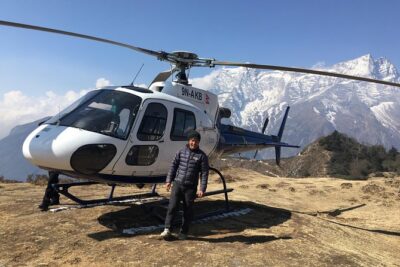
Everest Base Camp Helicopter Tour landing at Everest View Hotel
Read our review →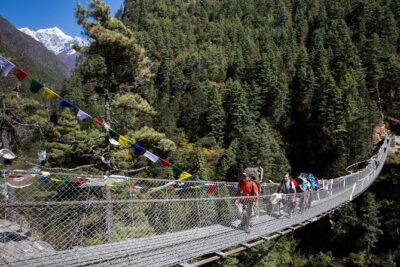
Everest Base Camp Trek 12 Days – Best Himalayan Adventure
Read our review →
Browse the lists this tour appears in