
Reviewed · EVEREST BASE CAMP TREK
Everest Base Camp Trek
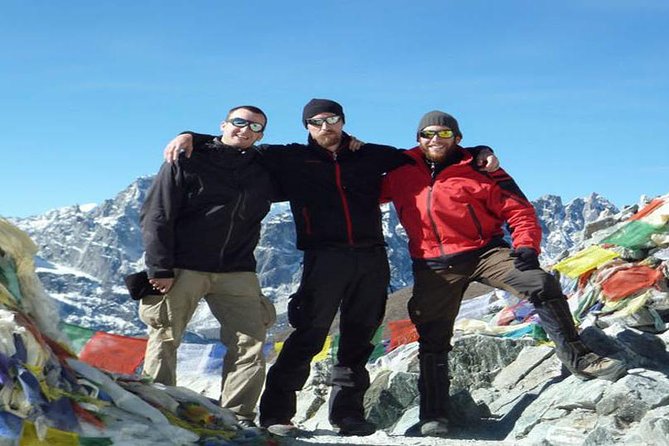
Walking to Everest Base Camp is interesting because it feels like the world shrinks, one altitude step at a time, until the biggest mountain on Earth is finally close enough to point at. I like how this trek turns the dream into a guided routine, with logistics handled so you can focus on walking and breathing.
Two things I especially like: meals and accommodation are included on the trek, and the trip is built around the kind of acclimatization pacing that keeps most people safer and moving with confidence. The main drawback to consider is the altitude itself. This is for fit travelers who will take slow days seriously, because the mountains do not care about good intentions.
You’ll start early in Kathmandu, fly to Lukla, then spend 10-plus days hiking in stages through Sherpa towns and high views. It is intense, yes, but it is also the kind of trip where good guidance makes a big difference when your body starts negotiating.
Key things I’d circle before you book
- Round-trip flights between Kathmandu and Lukla are included, which removes one big unknown.
- Trekking permits are arranged for you, so you are not stuck chasing paperwork.
- Acclimatization days in Namche Bazaar and Dingboche give your lungs a chance to adapt.
- Big summit-style moments are scheduled well, including Kalapatthar and a day that goes to EBC and back to Gorakshep.
- Small group size (max 12 travelers) keeps the trek feeling manageable and lets guides adjust pace.
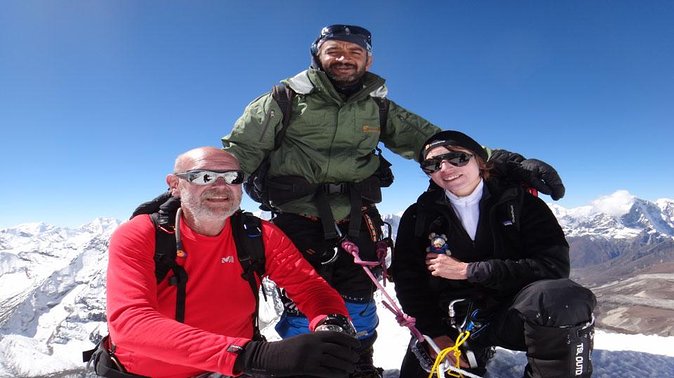
- Guide support stands out in feedback, with names like Nima, Madan, Manoj, Madhav, Pralhad, and Manu showing up in people’s stories about staying safe and motivated.
Lukla day: why the 5:15 AM start matters
This trek has a very clear tone from the beginning: plan for an early start. The meeting time is 5:15 am, and from there you’ll handle the Kathmandu side of the trip and get set for your flight.
Then comes Lukla, the famous little airport that makes or breaks the first big day for many itineraries. The good news is that this tour includes round-trip flights Kathmandu to Lukla, so you are not trying to stitch together transport on your own. The flight itself is short, but the effects are immediate: once you land, you are hiking.
On day 1, you do a first walk of about 3.5 hours to Phakding after landing. That is a solid “warm-up” distance. It is not a stroll, but it is not the full altitude wall either. Your job here is simple: get your rhythm, hydrate, and avoid the classic mistake of walking too fast because the views look amazing.
More ways to walk to Everest Base Camp:
- Everest Base Camp Trek – 14 Days
★ 5.0 · 1,499 reviews - Everest Base Camp Trek
★ 5.0 · 842 reviews - Everest Base Camp Helicopter Tour landing at Everest View Hotel
★ 5.0 · 668 reviews
Price and value: what $1,445 realistically buys you
At $1,445 per person, the sticker price looks like a lot until you break down what is actually included.
This price covers several heavy-hitter items:
- Round-trip flights from Kathmandu to Lukla
- Trek accommodation and meals (with 11 breakfasts, 11 lunches, and 11 dinners)
- Trekking permits arranged for you
- A guided trek structure with planned rest and acclimatization days
What you still need to budget for:
- Travel insurance
- Personal expenses
- Porter (not included)
- Tipping
Here is how I think about value on an Everest Base Camp trek: the costly parts are often the flights to and from the trailhead, and the everyday logistics of feeding you and booking your nights. If those are handled, you reduce both stress and surprise spending. You still have to plan responsibly, but you avoid that annoying feeling of paying twice for the basics.
One more value point: the group is limited to 12 travelers max. Smaller groups tend to move with less chaos, and guides can actually watch everyone’s pace and breathing. That matters more at altitude than it does on a beach vacation.
The full day-by-day hike: what each stage really feels like
Day 1: Lukla to Phakding, the first altitude adjustment
After your short flight to Lukla airport, you walk for about 3.5 hours to Phakding. This is the day where your body is still figuring out how much effort feels “normal.” Keep your pace honest. If you go too hard, you will pay for it later.
Expect to spend a good chunk of the day simply settling in, including getting comfortable with trekking snacks and water intake. The upside is that the day is long enough to feel like you started the real trek, but not long enough to overwhelm you completely.
More to compare around Kathmandu
- Private Kathmandu Sightseeing Tour | UNESCO World Heritage sites
★ 5.0 · 756 reviews - Kathmandu: 7 UNESCO Sites with Lunch
★ 4.8 · 744 reviews - Half day cooking class in Thamel kathmandu
★ 5.0 · 607 reviews - Everest Base Camp Trekking
★ 5.0 · 485 reviews
Day 2: Rocky uphill to Namche Bazaar (about 8 hours)
Today is mostly uphill, and the terrain is described as dirty and rocky. That combination can feel tougher than a trail that looks smoother, because your feet and balance work harder.
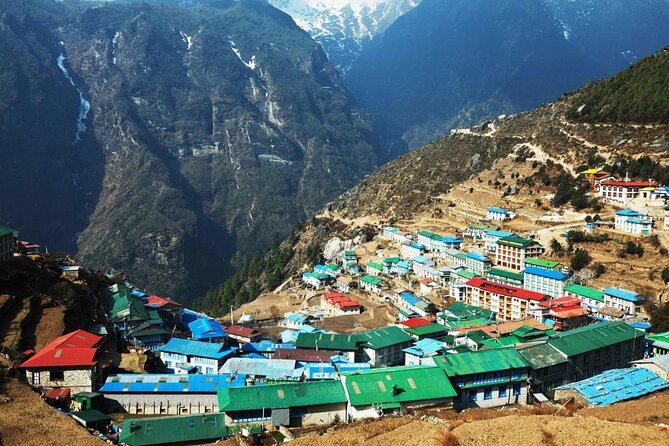
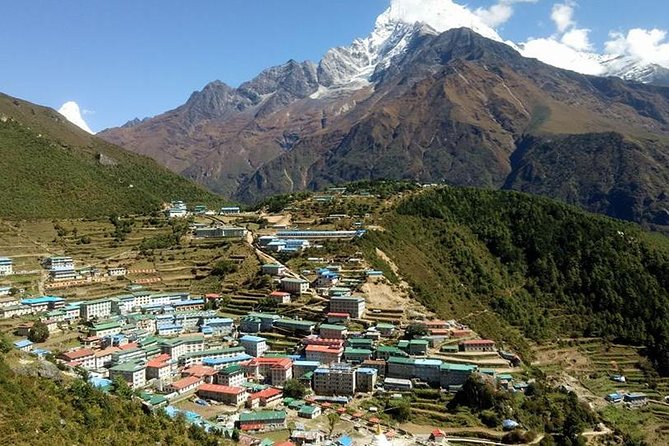
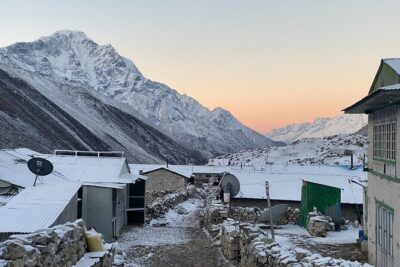
You reach Namche Bazaar, a colorful mountain hub where the trek starts to feel more social and less like wilderness. This is a key day psychologically. You see real settlement life at altitude, and it becomes easier to believe the higher days are doable.
A practical drawback: if you are the type who gets excited and speeds up early, you will struggle more on this kind of rocky climb. Aim to move steadily, not heroically.
Day 3: Acclimatization around Namche, including an Everest viewpoint stop
This is your acclimatization day, with a day trip around Namche that includes the Everest View Hotel. You stay in the Namche area while getting enough walking in to help your body adjust.
Think of this day as training for the next phase. You practice slow steps, you check how your body responds to exertion, and you take advantage of the built-in flexibility of a guided day trip.
If your breathing feels rough today, that is not a reason to panic. It is information. Good guides use that information to keep the rest of the trek realistic.
Day 4: A monastery trip for culture and a lighter rhythm
Today includes a trip to the monastery. Even if your hike days are long, this kind of cultural stop breaks the pattern and gives your body a chance to recover mentally and physically.
It also helps you connect to why Sherpa and Himalayan communities matter in this trek. Base Camp is the headline, but the route is lived in villages, prayer settings, and everyday mountain routines.
Day 5: Dingboche, another long hike (about 8 hours)
You trek to Dingboche, about 8 hours. Altitude is getting more serious here, and the “time on your feet” starts to matter more than it did on earlier days.
This is a stage where pace discipline pays off. If you rush, you will get punished with headaches, fatigue, and poor sleep. If you slow down, you make room for acclimatization to do its job.
Day 6: Acclimatization around Dingboche with increasing altitude
Another acclimatization day, this time with a day trip around Dingboche and increasing altitude. The structure is smart: you test your body at higher elevation, then return to sleep at a lower altitude.
This is also where good guidance becomes very real. The guide’s job is not just “lead the way.” It is managing effort so you stay on schedule without forcing your body into bad decisions.
Day 7: Dingboche to Lobuche, where the air feels thinner
You trek to Lobuche. No number of hours is listed, but this is a classic high-altitude push day. Even when the hike distance is reasonable, your legs can feel heavy because the air is thinner.
This is also a good day to keep your gear organized and simple. You’ll want easy access to snacks, water, and layers. Anything that makes you fumble wastes energy.
Day 8: Everest Base Camp day, then back to Gorakshep
Today is the big moment: you trek to EBC and then return to Gorakshep. That means two things:
1) You spend serious energy getting to the Base Camp area.
2) You then hike back to your overnight location.
Plan this day like an expedition, not a sightseeing outing. Start slow, save your strongest energy for the final stretch, and don’t burn everything just because you finally see the world-famous area.
Day 9: Kalapatthar hike, then to Pheriche
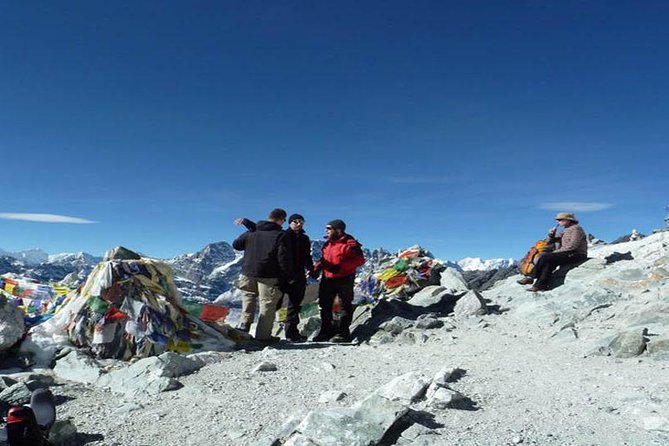
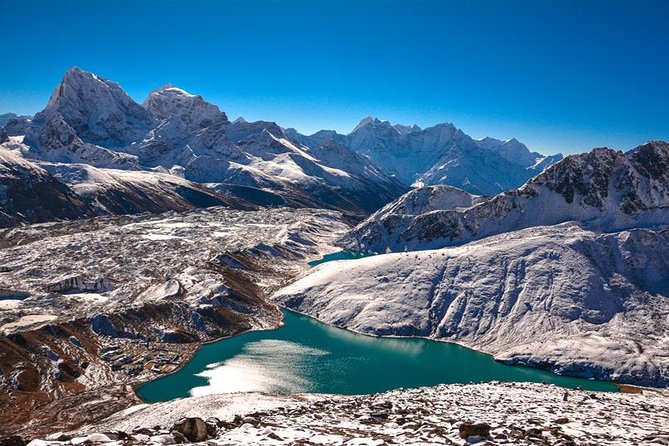
You hike to Kalapatthar and then trek to Pheriche. Kalapatthar is your “big viewpoint” day, and it is usually the kind of climb that tests your stamina more than your knees.
Then you descend toward Pheriche, which helps you recover for the long return days. This balance, a high push followed by a descent, is exactly what your body needs after the EBC day effort.
Day 10: Return trek to Namche Bazaar, retracing the trail
You trek back to Namche Bazaar, retracing the same trail. Retracing can be a comfort because the route is familiar. You also get repeated chances to practice what you learned about pace and hydration earlier in the trek.
The drawback: downhill can still be tough on your legs. Rocky descents can feel like a workout even when the elevation pressure is less intense than earlier days.
Day 11: Namche to Lukla, finishing the walking portion
You trek back to Lukla. At this point, your confidence is higher, and your routines are set. You also know how to manage your energy better.
Still, don’t assume fatigue is gone. Many people feel the finish line stress, especially after a few days in thin air.
Day 12: Fly back and transfer to your hotel in Kathmandu
You fly back from Lukla and then do a transfer to your hotel in Kathmandu. This is the easy day. Not necessarily the comfortable one, but logistically it is straightforward: you exit the mountain, then return to real beds.
Altitude and safety: how to make the “fit traveler” requirement work for you
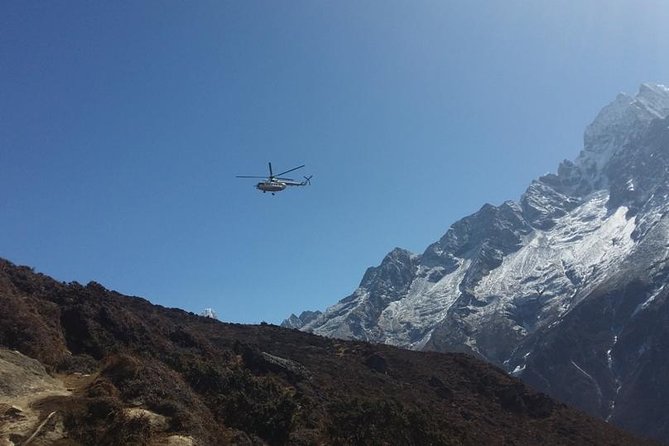
This trek is described as ideal for fit travelers who have prepared for high-altitude trekking. That is not marketing fluff. Altitude is the main test.
Here is how I suggest you handle it, so the plan actually works in real life:
- Treat acclimatization days like part of the training, not bonus sightseeing. Namche and Dingboche are built for a reason.
- Keep your effort steady on long uphill days, especially the rocky climb to Namche.
- If you feel symptoms of altitude issues, do not push through because you feel guilty. Use the guidance of your leader to adjust. In the feedback for this trek, people specifically praised guides who respond fast when altitude complications show up, including leaders who changed the itinerary to keep people safe.
The tour also says it operates in all weather conditions. That is good for reliability, but it also means you must dress appropriately. Cold, wind, and sudden weather shifts are part of the deal in the higher Himalaya.
Guides and support in real life: why you feel cared for
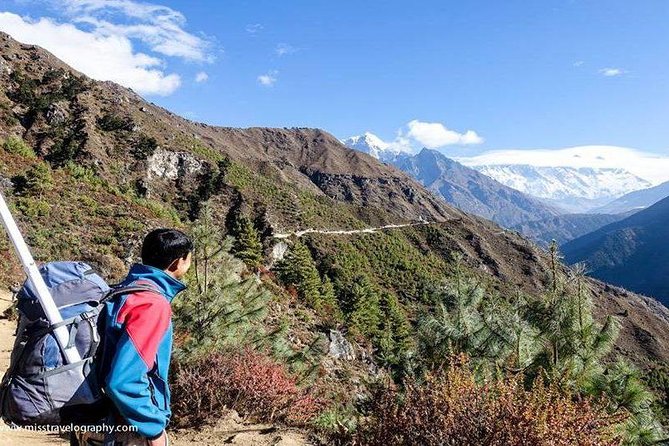
One of the strongest themes in the stories tied to this trek is the human support. People repeatedly credit their leaders for being responsive, organized, and calm, especially when travel logistics around Lukla get chaotic.
I like that this tour leans into guidance as a core feature, not an add-on. Your guide is the person helping you:
- keep the group moving at a safe pace
- manage acclimatization days
- adjust plans if someone needs to go slower
- handle practical choices like where to stay and what to eat
There are also specific examples in feedback tied to guide performance. Names like Nima and Madan show up often in accounts of encouragement and staying on track. Manoj is mentioned in a story where altitude complications required an itinerary change. People also praised Madhav for smooth organization and leaders like Pralhad and Manu for supportive, motivating leadership. That kind of pattern matters: Base Camp is hard enough. You want a guide who helps you keep it safe and emotionally steady too.
If you are celebrating something, this matters even more. One story included a guide preparing a birthday cake. That may not be guaranteed for your dates, but it signals the team knows how to make the trek feel personal.
Practical packing and planning you should not skip
You cannot “wing it” on this route. The weather changes, the nights get cold, and the days can feel long even when the schedule looks reasonable on paper.
Plan for these practical items based on the tour details:
- You have meals included (breakfast, lunch, dinner listed for 11 days each), but you should still bring your own comfort snacks for energy gaps.
- Dietary requirements should be shared at booking, so the team can prepare appropriately.
- Your passport details are required at booking (name, number, expiry, country). Start gathering that early.
- Bring layers for all-weather conditions, since the tour operates in all weather and tells you to dress appropriately.
- The tour includes a mobile ticket, so you should have your phone charged and usable for travel days.
On logistics, note these two facts:
- Pickup is offered, and you also get a transfer back to your Kathmandu hotel at the end.
- The start time is early at 5:15 am, so plan your Kathmandu sleep the night before accordingly.
Porter and tipping are not included. That means you need to decide how you want to carry your own load. If you carry everything yourself, pack lighter than you think. If you plan to use a porter, budget for it ahead so you are not negotiating at the last minute.
Should you book this Everest Base Camp trek?
Book it if you want a guided trek where major logistics are handled for you, especially Lukla flights, permits, and most of your daily food and lodging. This is also a good fit if you take altitude seriously and you like a plan that includes real acclimatization stops, not just a straight line to the finish.
I would think twice if you are unsure about your high-altitude readiness. This trek is for fit travelers who have prepared, and the mountain will punish impatience. It also does not include a porter, so you need to be honest about how much weight you can carry comfortably for 12 days.
If you want Everest Base Camp with a small group, a clear plan, and strong guide support that can adapt when altitude gets tricky, this is a sensible choice. And if you go in with patience, you will get the reward people chase: that moment when the biggest goal in the world stops being a dream and becomes a place you can stand close to.
FAQ
How long is the Everest Base Camp trek?
The trek lasts 12 days (approx.).
What time does the tour start?
The meeting point start time is 5:15 am.
Are round-trip flights included?
Yes. Round-trip flights from Kathmandu to Lukla are included.
Are meals and accommodation included during the trek?
Yes. Accommodation and meals on the trek are included, with 11 breakfasts, 11 lunches, and 11 dinners listed.
Are trekking permits arranged for you?
Yes. Trekking permits will be arranged for you.
What is not included in the price?
Not included are travel insurance, personal expenses, porter, and tipping.
What is the cancellation refund window?
You can cancel up to 6 days in advance for a partial refund. For a 50% refund, cancel 2 to 6 full days before the start time. If you cancel less than 2 full days before the start time, the amount you paid will not be refunded.
Latest Kathmandu write-ups
- 10 days Annapurna Base Camp Trek★ 5.0 · 5 reviews
- Visit Swayambhunath and Bauddhanath Stupa with Guide★ 5.0 · 5 reviews
- Langtang Trek from Kathmandu 7 Days★ 5.0 · 5 reviews
- 7 Day Kathmandu Pokhara Tour★ 4.5 · 5 reviews
- Island Peak Climbing with Everest Base Camp★ 5.0 · 5 reviews
- Chandragiri Hill Cable Car Tour with Hotel Transfers from Kathmandu★ 4.5 · 5 reviews
- Everest Mountain Flight★ 5.0 · 5 reviews
- Kathmandu city day tour (4 world heritage sites)★ 5.0 · 5 reviews
Everest Base Camp Trek, compared.
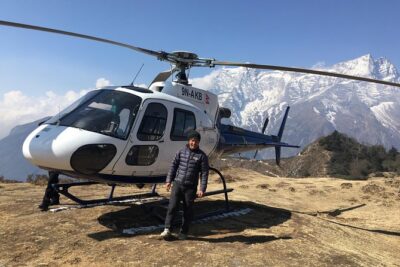
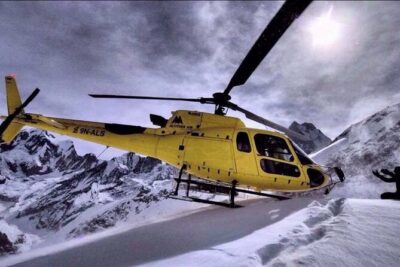
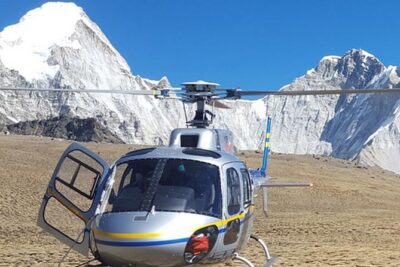
Everest Base Camp Helicopter Tour landing at Everest View Hotel
Read our review →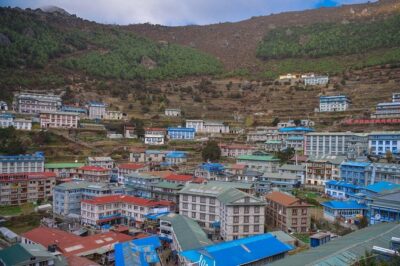
Everest Base Camp Helicopter Tour landing at Hotel Everest View
Read our review →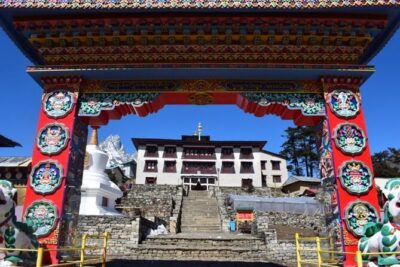
Browse the lists this tour appears in