
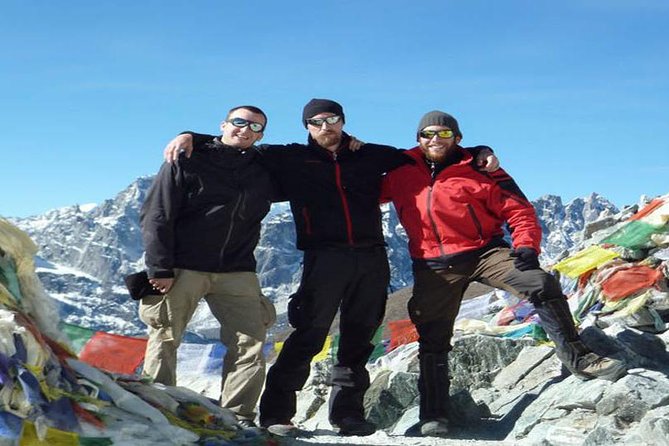
Reviewed · EVEREST BASE CAMP TREK
Everest Base Camp Trek
Everest Base Camp is interesting because it mixes high-altitude effort with real-world logistics: flights, a route through Sherpa villages, and a slow build to big viewpoints. This trek is built for stress-free walking, with a licensed English-speaking guide and porters managing the heavy stuff so you can focus on your breathing and your steps. You also get that classic Khumbu feel, from Lukla’s famous airstrip to acclimatization hikes around 3,000 to 5,000 meters.
Two things I particularly like: first, the amount of planning you do not have to do. You get accommodation, meals, and key cold-weather gear (including a down jacket and sleeping bag), plus paperwork like TIMS and the national park permit. Second, the pacing is designed around rest and acclimatization days instead of pushing hard every single day, with options like Khumjung and Khunde during one of the breaks.
One consideration: the trek is physically demanding at altitude, and the Lukla flights can be weather sensitive. Even with buffers in Kathmandu, you should be ready for a schedule that depends on mountain conditions.
Key things to know before you go
- Lukla flight setup, including a right-side seat tip for Kathmandu to Lukla and return day views
- Porters + a guide who organizes the rest, so you are not juggling gear, menus, and logistics
- Acclimatization built in twice, including a hike to about 5,000 meters
- Cold-weather gear included, specifically a down jacket, four-season sleeping bag, and duffel bag
- Permits and TIMS handled, including the Everest National Park Entry Permit
- A Kathmandu buffer day to reduce stress if flight weather causes delays
Entering the Everest route via Kathmandu and Lukla
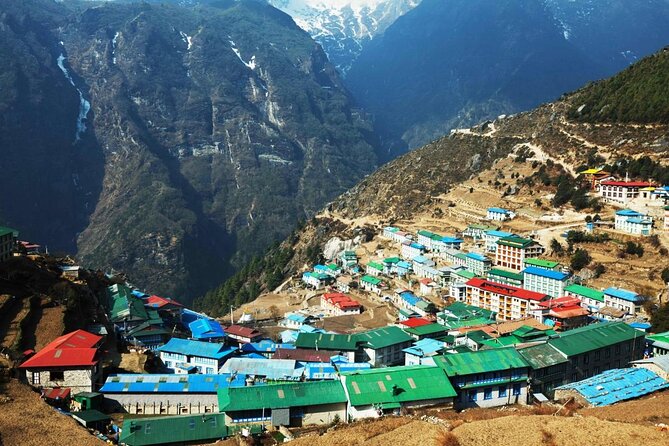
Day 1 starts in Kathmandu, with an airport representative holding a name card and a private vehicle transfer to your hotel. That sounds basic, but on a trek like this, first-day calm matters. After travel, you want your check-in done fast and your questions answered clearly, not handled through guesswork.
Day 2 is where the Everest region starts to feel real. You fly from Kathmandu to Lukla in about 30 minutes, then begin walking from there toward Phakding (around a 4-hour trek time). Lukla is known for being a nerve-jolting airport. In a trip like this, the goal is to keep your day simple: land, get oriented, and start with a gentle rhythm. The itinerary description also nudges you toward timing, like hoping to get your preferred seat for views on flight days.
I also like that this trek sets you up with a guide and porters from the start, not just after you are already tired. That means if anything feels confusing, you are not solving it alone. Many people talk about guides like Lok and Khila as the kind who handle details and keep you on a realistic pace. When altitude gets hard later, calm guidance early becomes even more important.
More ways to walk to Everest Base Camp:
- Everest Base Camp Trek – 14 Days
★ 5.0 · 1,499 reviews - Everest Base Camp Trek
★ 5.0 · 842 reviews - Everest Base Camp Helicopter Tour landing at Everest View Hotel
★ 5.0 · 668 reviews
The trekking support that changes your whole experience
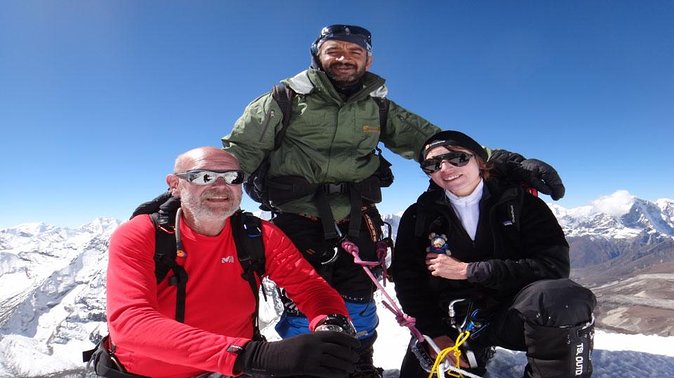
This is not a lightweight trek. The big value here is that you are not carrying the expedition math in your head.
Included support covers:
- a government licensed, English-speaking trekking guide
- strong Sherpa helpers (porters) with meals, accommodation, salary, and insurance
- an assistant guide for groups over 6 people
- a comprehensive first aid kit carried by the guide
What this means for you in real life: your legs do not have to power a heavy pack. Your pace is also easier to manage, because you are not trying to compensate for load, slipping balance, or constantly stopping to reorganize gear.
Then there is the gear you are given: a down jacket, a four seasonal sleeping bag, and a duffel bag. The duffel is returned after the trip. This is the kind of detail that saves money and packing pain. You can show up with normal layers and focus on what you truly need for walking comfort, like shoes and day-to-day base layers, rather than buying expensive cold-weather gear that might sit unused for years.
One more small but meaningful point: you get the paperwork handled, including the TIMS registration card and the Everest National Park Entry Permit. That cuts out a lot of hassle and reduces the chance of arriving and finding you are missing something.
Day-by-day on the trail, from Monjo to Kyanjuma
Once you leave Lukla behind, the route starts with gentle climbing before you reach Monjo. You stop for lunch in Jorsalle, then continue toward Hilary Bridge through pine forests. That section is a nice change of pace after the flight day. Pine forests also tend to soften the temperature and make early trekking feel less exposed.
The stop areas matter because they break the days into manageable chunks. The trail segment described for Day 3 includes bridges and forest walking, then more steeper movement after crossing. That pattern is common on this route, and it is exactly why guidance and pacing are useful.
Day 4 is a real win: a rest and acclimatization day. The itinerary lists options such as Khumjung and Khunde hike, an Everest View Hotel hike, a Thame hike, or a National Park option. You do not have to do the same hike as your group every time, and that flexibility can help if you feel strong or if your body asks for something easier.
On Day 5 you ascend toward the national park headquarters and continue on a gentle trail to Kyanjuma. There may be a tea break, then you descend to Phungi Thanga for lunch and cross the Dudh Koshi River. Rivers on trek days are more than scenic. Crossings help break up the work of climbing and offer a mental reset before the next push.
If you want a practical takeaway, it is this: when the itinerary includes options and tea breaks, it is not filler. It is a built-in buffer that helps you stay consistent without sprinting.
Sherpa culture at Pangboche and a higher acclimatization hike
Day 6 follows the Imja Khola to Pangboche (around 3,930 meters). Pangboche is known in this region as a base for climbers and a community tied to Sherpa life. The itinerary highlights that it is home to many renowned Everest climbers and that it is a Sherpa village. Even if you only have a short time there, it helps you connect the dots between the Everest dream and the people who live with that reality every day.
Expect more open mountain views here. The trekking rhythm shifts a bit too. Once you are higher, every extra minute at slower speed pays off. That is also why porters help: you can keep your breathing steady and not rush just because you feel behind.
Day 7 is another rest and acclimatization day, with a day hike toward Nagarkhang Peak at around 5,000 meters. Even without reaching any summit fantasy, the altitude gain is the point. This kind of hike is about helping your body adapt and about giving you a chance to experience big Himalayan views without making it a full-on all-day suffering contest.
When people talk about the strongest guides, a common theme is safety and pacing. Trips led by guides like Khila are described as especially safety focused and attentive, with an individual approach. On a route with altitude swings, that kind of decision-making is what keeps the trek enjoyable instead of stressful.
More to compare around Kathmandu
- Private Kathmandu Sightseeing Tour | UNESCO World Heritage sites
★ 5.0 · 756 reviews - Kathmandu: 7 UNESCO Sites with Lunch
★ 4.8 · 744 reviews - Half day cooking class in Thamel kathmandu
★ 5.0 · 607 reviews - Everest Base Camp Trekking
★ 5.0 · 485 reviews
Approaching the high zone: Dughla, glaciers, and low-oxygen patience
Day 8 moves you closer to Everest Base Camp country. You follow a ridge above Pheriche village until reaching Dughla. There is a quick lunch in Dughla before a steep climb toward Dughla pass, as described in the itinerary.
This is where you start feeling the altitude more clearly. The days are still doable, but the effort is different. Your steps might feel the same length, but it takes more breath and less speed. In my view, the best mindset here is patient and consistent, not heroic.
Day 9 is described as a mix of easier glacier walking and then harder sections when you ascend over glaciers. It also explicitly notes low oxygen levels and that crossing glaciers gives you a glimpse of Everest region views. This day can feel like a mental test because you are balancing concentration (footing, pacing) with fatigue.
A practical note for you: if you feel any dizziness or headache, treat it as a warning. The trek’s value is that your guide is there to manage risk and keep you on a pace that matches your condition. Porters handling gear also reduces the risk of you rushing or losing stability.
Kalapatthar sunrise: the viewpoint day that earns its reputation
Day 10 is an early morning hike to Kalatthar, before sunrise. The itinerary calls it difficult, but worth it. Kalapatthar is famous because it offers an iconic viewpoint over the Khumbu valley and towering peaks.
This is the payoff day for many people, but it also needs the right energy plan. Early starts often mean you are trekking in colder air, with less daylight support for footing. The included sleeping bag and down jacket do their job here, not just for sleeping but for comfort during pre-sunrise movement.
Day 11 transitions you through Debuche and Tengboche villages before descending to Phungi Tenga for lunch. After that lunch, you ascend back toward Kyanjuma. This is a day that mixes village life, river country, and walking changes in elevation. It is also a good reminder that the Everest story is not only about high points. It is also about the rhythm of these towns along the route.
You are building your tolerance with each switchback day. By now, a steady pace is your friend.
The return days: descending, ending at Lukla, then flying home
Day 12 is a steep descent to Jorsalle village, then continuing further to Phakding for lunch. The itinerary notes that you are coming toward the end of the trek, and once you reach Lukla the walking portion is concluded. You then shift into the final travel mode.
I like that the last walking days are not portrayed as a constant grind upward. Descent days can still be tough on knees, but they often feel more manageable than additional altitude gain.
Day 13 brings the adventurous flight back to Kathmandu from Lukla. There is a tip to sit on the right side for some beautiful views. That is exactly the kind of practical detail that makes the flight feel like part of the journey rather than just a transfer.
Day 14 is a free day in Kathmandu and also serves as a weather buffer. The itinerary explicitly says Lukla flights often face weather issues and flight cancellations or delays, and this day is used on potential problems. You also get shopping time. That balance matters. After days at high altitude, you want to decompress somewhere comfortable, even if that comfort is just getting a hot meal and walking around without trekking poles.
Day 15 ends with a drive to the airport about 3 hours before your flight time. The itinerary notes the airport is small with one terminal, which is useful to know because it keeps you from overthinking timing.
Price and value: what the $1,408 buys you, and what it does not
At $1,408 per person for about 15 days, the big value is that a lot of the logistical heavy lifting is included. You are paying for:
- domestic Kathmandu to Lukla and back flights (it specifies including tickets for the guide)
- the guide, porters, assistant guide if needed, and their support (including insurance for porters)
- accommodation, meals, and key cold-weather gear like the down jacket and sleeping bag
- Everest National Park Entry Permit and TIMS registration
- a first aid kit carried by the guide
- transfers in Kathmandu using a private vehicle
What is not included is also important. You still need to budget for international airfare, Nepal visa fees, travel and medical insurance, and emergency evacuation. You will also pay personal expenses like hot showers, bar and beverage bills, telephone, laundry, and little comforts that add up fast.
In my opinion, this price makes sense if you want a guided experience where the route administration is handled and your job is to hike. If you already own the right winter gear and prefer to handle every permit step yourself, you might be able to do it cheaper. But you would spend time managing the very things this trip is designed to take off your plate.
Who this trek suits best, and who should rethink it
This trek fits you best if you have moderate physical fitness and you want a supported route with private small group service and a consistent pace. The itinerary and inclusions are clearly built for people who value structure: acclimatization days, guide support, porters, and gear provided.
It is less ideal if you want full independence, or if you are the type who hates being on someone else’s schedule even when it is there for safety. Also, because Lukla flight timing is weather dependent, you should be comfortable with the idea of small itinerary shifts and that Kathmandu buffer day.
Should you book this Everest Base Camp trek?
I think this is a strong choice if you want Everest without the admin. The combination of licensed guide support, porters for your gear, included cold-weather gear, and key paperwork like TIMS and the park permit adds up to real value, not just marketing.
Also, guides named Lok and Khila come up repeatedly for taking care of details, keeping safety front and center, and adjusting the pace to individuals. That matters more than most people expect, especially on altitude days like the acclimatization hikes and the Kalapatthar sunrise push.
If you can handle the physical side and you have the right attitude toward weather, this is the kind of trip that leaves you with the views and the story, not a headache about logistics.
FAQ
Is airport pickup and drop-off included?
Yes. The trip includes airport pickup and drop services on a private vehicle before and after the trek, and on the final day you are driven to the airport about 3 hours before your flight time.
Are flights to Lukla included?
Yes. Domestic airline tickets for Kathmandu to Lukla and back to Kathmandu are included, and the inclusions specify that this also covers the guide.
What trekking gear is included?
You get a down jacket, a four seasonal sleeping bag, and a duffel bag. The duffel bag is returned after the trip is completed.
Are meals included?
Yes. The package includes breakfast, lunch, and dinner during the trek (breakfast is listed for 14 mornings, lunch for 11 days, and dinner for 12 days).
Do I need to arrange permits or TIMS registration myself?
No. The itinerary includes the Everest National Park Entry Permit and TIMS registration card, plus necessary paper works and local taxes.
Who carries the gear?
Porters are included. The itinerary also notes that your guide organizes the rest, while porters carry your gear and support you along the way.
What fitness level do you need?
The trip says travelers should have a moderate physical fitness level.
What if weather affects Lukla flights, or I need to cancel?
Lukla flights can have weather issues, and the itinerary includes a Kathmandu free day intended for potential delays or cancellations. The experience requires good weather, and if it is canceled due to poor weather you are offered a different date or a full refund. You can cancel up to 6 days in advance for a full refund, with reduced refunds for cancellations closer to the start date, and no refund for cancellations less than 2 full days before start time.
Latest Kathmandu write-ups
- Langtang Valley Trek★ 5.0 · 3 reviews
- Khopra Danda Trek★ 5.0 · 3 reviews
- Langtang Valley Trek from Kathmandu★ 5.0 · 3 reviews
- 5 night / 6 days Kathmandu Nagarkot Chitwan Pokhara tour★ 5.0 · 3 reviews
- Nepal Highlights Tour: 5 Nights 6 Days Kathmandu & Pokhara Tour★ 5.0 · 3 reviews
- Kathmandu Valley Private Day Tour★ 5.0 · 3 reviews
- Conquer the Himalayas: The Ultimate 16-Day Annapurna Circuit Trek★ 3.5 · 3 reviews
- Kathmandu Heritage Day Tour★ 5.0 · 3 reviews
Everest Base Camp Trek, compared.
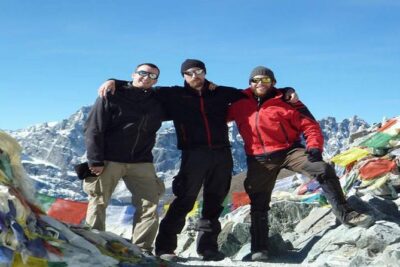

Everest Base Camp Helicopter Tour landing at Everest View Hotel
Read our review →
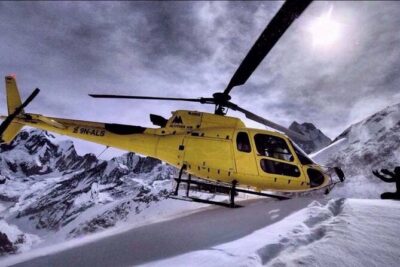
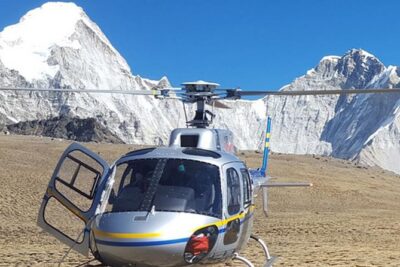
Everest Base Camp Helicopter Tour landing at Hotel Everest View
Read our review →
Browse the lists this tour appears in