
Reviewed · EVEREST BASE CAMP TREK
Everest Base Camp Trek and Kathmandu Tour: 15 Days
This is an appealing 15-day package because it links two things you normally do separately: a real taste of Kathmandu Valley UNESCO history, then a guided hike to the Kala Patthar area above Everest. I like that you don’t jump straight into trekking. You get temples, rituals, and orientation first, then the altitude story unfolds day by day.
One thing to think about: the trek timing depends on weather, especially the mountain flights and high-altitude visibility. You should also plan for extra costs not included in the headline price, like Kathmandu UNESCO entrance fees and your Nepal visa.
Key highlights to know before you go
- Kathmandu UNESCO sites on Day 1 to 2: Swayambhunath, Patan Durbar Square, Pashupatinath, and Boudhanath
- Licensed trek guide and organized support: government-licensed guide plus a porter plan for shared baggage
- Lukla flight included, with options: fly from Kathmandu or Ramechhap to Lukla and back
- Acclimatization built into the route: rest day at Namche before pushing higher
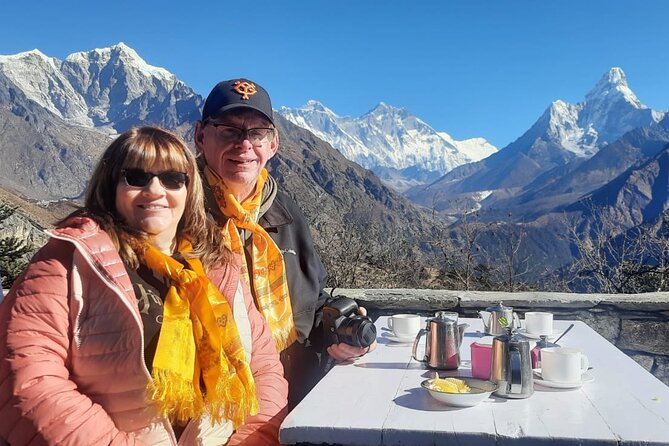
- Everest Base Camp plus Kala Patthar at 5,644m: with a sunrise option for golden mountain views
- Small group feel: maximum 15 travelers, which helps on crowded trails
Kathmandu first, so Everest hits harder
Your trip starts in Kathmandu with an airport arrival and a hotel drop-off. You land at Tribhuvan International Airport, get checked in, and have time to rest before you start moving around the city.
Day 2 is the Kathmandu Valley part of the program, and it matters more than a quick highlights tour. You visit Swayambhunath, also known as the Monkey Temple. Then you move through Patan Durbar Square, where you’ll see temples and monuments and get a feel for Patan’s reputation for fine arts.
After that comes Pashupatinath, dedicated to Lord Shiva, with the Bagmati River nearby. You can also witness the Bagmati riverbank cremation ceremony area in the general vicinity, which is a powerful reality check on how religious life and daily life overlap here. The day ends at Boudhanath Stupa, described as one of Nepal’s biggest Buddhist sites and the second biggest in the world.
Practical note: some Kathmandu entrances are listed as not included, so expect you might pay local site fees on the ground (and the tour price itself does not include all UNESCO entrance tickets). Still, this is one of the stronger ways to start, because you arrive with context, not jet lag plus confusion.
More ways to walk to Everest Base Camp:
- Everest Base Camp Trek – 14 Days
★ 5.0 · 1,499 reviews - Everest Base Camp Trek
★ 5.0 · 842 reviews - Everest Base Camp Helicopter Tour landing at Everest View Hotel
★ 5.0 · 668 reviews
The Lukla flight: short, scenic, and schedule-sensitive
On Day 3 you fly from Kathmandu or Ramechhap to Lukla, then start trekking. The flight time is listed as about 30 minutes, and the whole point is that you transfer from the lowlands to the Khumbu region quickly.
This part is famous for a roller-coaster feel and a dramatic landing. Even if you’ve taken mountain flights before, plan to treat this as a real event. If you’re prone to motion sickness, pack what works for you and take it seriously.
The tour includes the flight tickets for the out-and-back segments, which is a big value piece of the package. It also means you’re not scrambling for flights on your own, which can be stressful around Lukla.
One more thing to keep in mind: your success depends on weather. If clouds or fog roll in, flights can shift. The itinerary includes an early morning return flight to Kathmandu on Day 14, so you’ll want flexibility and an easy morning routine.
Trek start to Namche: woods, bridges, and first real views
After landing in Lukla, you trek toward Manjo, then continue to Namche Bazaar. This is the phase where your legs learn the rhythm, and your mind starts doing the math on altitude.
The route described for the day includes rhododendron, magnolia, and tall fir woods, plus bridge crossings. That variety helps because you’re not staring at the same view for hours. You’re also building gradually, which makes the next days more manageable.
Day 4 ends at Namche Bazaar, a key hub in the Everest region. Then Day 5 is your acclimatization day, and that’s not filler. You rest in Namche so your body gets used to the thinner air, which you’ll appreciate later when you’re walking uphill for hours at higher elevations.
This is also where a small-group tour helps. With a maximum of 15 travelers, you’re less likely to get lost in a giant pile on narrow stretches. You also tend to hear guide instructions clearly when the group gathers.
Namche to Tengboche: the climb feels steady, then purposeful
Day 6 takes you toward Tengboche, with a route described as easier until you reach Phunki, then a climb toward Tengboche village. This is a good day for people who want to feel progress without going straight to full suffering.
The program includes a visit to the famous Tengboche monastery. It’s not just a sightseeing stop. This is part of the Sherpa and Buddhist cultural fabric that shapes the Everest region. If you pay attention, you’ll notice how the trail connects mountain survival with community practice.
From a practical standpoint, mornings and afternoons can feel different here. You might start cool, then warm up as the sun hits. Keep your layers easy to manage because you’re climbing, then settling.
More to compare around Kathmandu
- Private Kathmandu Sightseeing Tour | UNESCO World Heritage sites
★ 5.0 · 756 reviews - Kathmandu: 7 UNESCO Sites with Lunch
★ 4.8 · 744 reviews - Half day cooking class in Thamel kathmandu
★ 5.0 · 607 reviews - Everest Base Camp Trekking
★ 5.0 · 485 reviews
Higher and harder: Dingboche and the approach to Lobuche
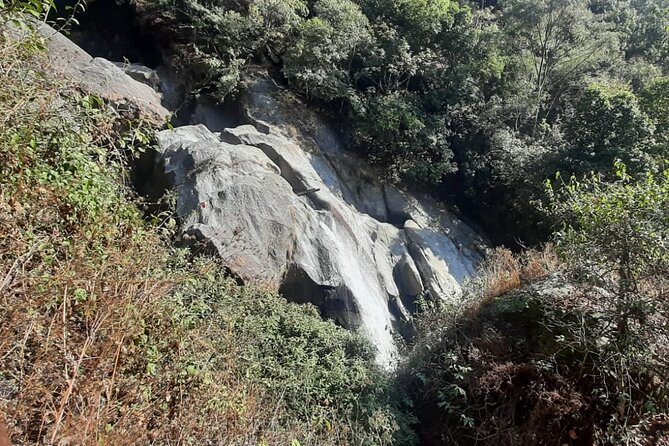
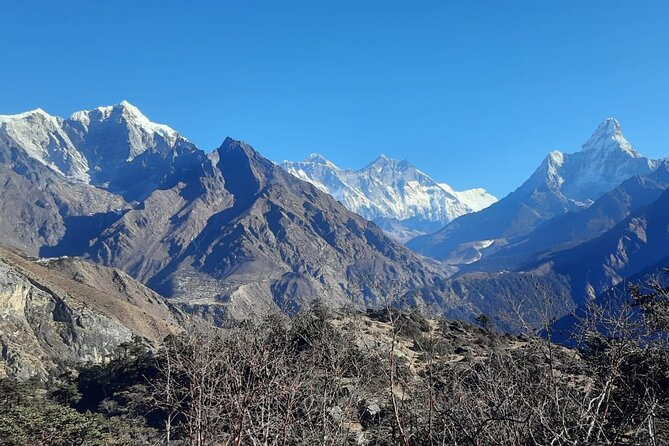
Day 7 moves you to Dingboche. The walk includes birch forests and rhododendron trees, and the views listed here are the ones you’ll remember: Mount Everest, Lhotse, and Ama Dablam.
The itinerary notes that you descend and pass through those forest sections, then reach Dingboche. Even when a day includes some descent, your body can still feel taxed because you’re already at higher altitude than before. That’s normal, and it’s exactly why acclimatization matters.
Day 8 takes you to Lobuche, and it’s flagged as more challenging from this point on. The route includes a hard, steep section to Dungla, then you reach the area where memorial stupas are visible. If you want a deeper meaning to the trip beyond the views, this is where the Everest story becomes personal and human.
Gorak Shep to Everest Base Camp: glacier path walking and rough ground
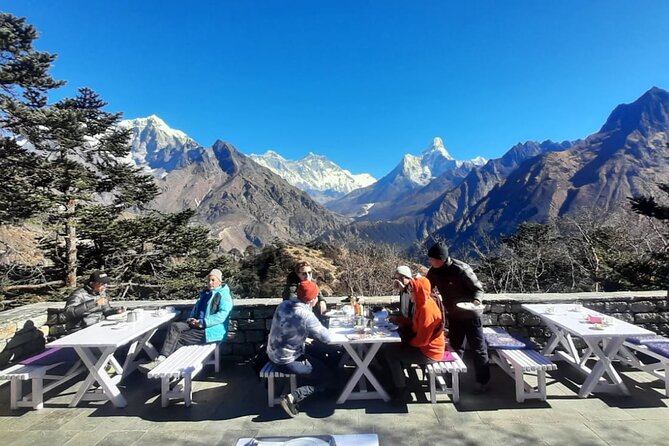
On Day 9 you reach Gorak Shep, and the trek continues with glacier path sections. The description mentions ascending and descending mostly on rough terrain, including meandering over uneven ground. This is the phase where “trek comfort” becomes “trek practicality.”
Day 10 includes the big milestone: Everest Base Camp. The route is described as a fairly steep trail but at a comfortable pace. As you go, you’ll also be working your way toward Kala Patthar in the same day, which is why this day often feels like a double push.
The viewpoints mentioned as you ascend include Lingtren, Khumbutse, and Changtse. Even if you’re not an expert at identifying peaks yet, the names help you learn what you’re looking at, which makes the scenery feel less random and more like a map.
Day 10 also lists an admission ticket as included. That’s useful, because permits and park-related access can add friction if you try to manage them alone.
Kala Patthar and sunrise: 5,644m, big light, and big effort
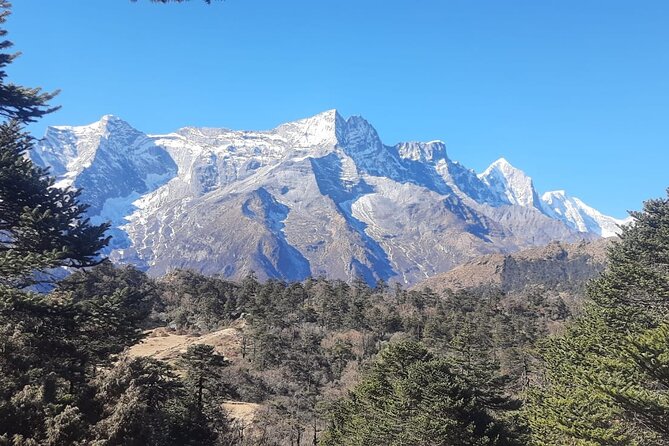
Day 11 is your sunrise option with a morning hike to Kala Patthar. The program description calls out the view of the sun rising behind the Everest massif, turning peaks golden. Sunrise at altitude can be cold enough to make you question every life choice you’ve ever made, but it’s also one of the most memorable visuals on the entire trek.
This is also where you learn a key trekking truth: the climb is usually easier than the wait. You hike up, get to a vantage point, and then you manage your breathing while you watch the light change. If you’re the kind of person who likes quiet moments, this part can feel surprisingly calm.
If you’re sensitive to cold, pack for it. Even if the sun comes up, wind and temperature can still bite at this elevation. This tour requires you to bring trekking equipment yourself, so make sure your cold-weather layer plan is solid.
The long return: Namche again, then Lukla, then Kathmandu
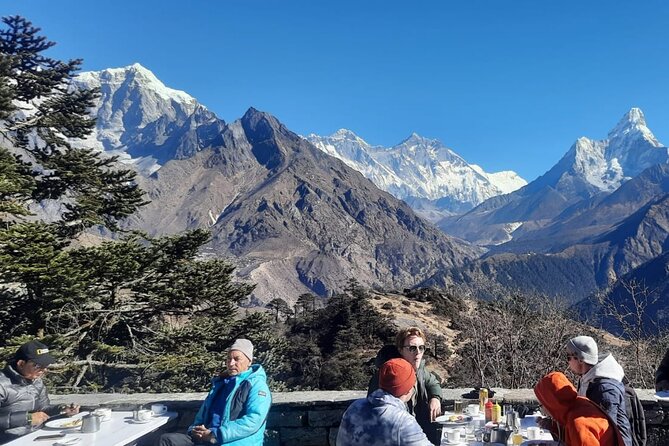
Day 12 is the return from the Everest Base Camp side toward Namche Bazaar. The itinerary notes you’ll lose nearly 2,000 feet in altitude, which helps your body. You still walk for hours, but the downward trend can feel like relief after the high-altitude grind.
There’s a bridge crossing over the Dudh Koshi River, and you descend through rhododendron areas. The return day is also where your legs start remembering old aches, so you’ll want to keep your pace controlled and avoid chasing people who feel faster than you.
Day 13 is the way back to Lukla. The route includes a rocky descent and multiple suspension bridges, then walking on a surfaced path. The itinerary calls out that the air feels warmer as you walk back to Lukla. That warmer air can be a huge morale boost.
Day 14 includes the early morning flight back to Kathmandu and a hotel escort. You also get a farewell dinner, then the rest of the day is free enough to explore around the city if you have energy.
Day 15 ends with a drop-off at the airport, with a reminder to get there at least 3 hours before your scheduled flight time. That’s the kind of detail that saves you from the last-minute stress that can ruin an otherwise great ending.
What you’re really paying for: $1,799 value check
At $1,799 per person, this package is priced like a managed, high-cost trek, not a DIY adventure. The big value is that major expenses are bundled into the price. You get airport arrival and departure support, the Everest National Park permit, and the flight tickets from Kathmandu or Ramechhap to Lukla and back.
You also get a government-licensed trek guide, plus porter support with a plan described as 1 porter for 2 guests to carry your baggage. You don’t have to lug everything yourself through the day-by-day stages.
On top of trekking support, you get 3 nights in Kathmandu with breakfast, plus a Kathmandu UNESCO World Heritage Sites tour, and meals during the trek (listed as dinner 11, breakfast 13, lunch 11). Even if meal counts sound confusing, the key point is simple: you’re not paying for every single meal and you’re not worrying about where to eat each day.
What’s not included is also clear:
- Travel insurance
- UNESCO entrance fees in Kathmandu listed as $20 per person
- Alcoholic beverages, and non-tea drinks outside the daily included tea
- Trekking equipment
- Nepal visa
So your real budget is price plus visa and travel insurance, plus that $20 per person UNESCO fee. If you plan like that, you won’t get surprised in Kathmandu.
The human part: guides and porters matter on Everest routes
High-altitude trekking is not just about fitness. It’s about logistics, decision-making, and pacing, especially when weather shifts.
In the experiences tied to this operator, an experienced guide named Mr. Rajan is specifically mentioned for making the trip memorable and smooth. That matters because a strong guide helps you move at a pace that matches your body, not someone else’s ego.
Porters are also part of the reason these trips feel manageable. In the feedback I saw, the porter support was described as kind and strong. Since the itinerary includes a porter plan (1 porter for 2 guests), you’ll likely carry less than you would on a solo trek, which can make the difference between finishing and limping.
Small group size up to 15 can also improve communication. In real mountain conditions, clarity is safety, and you want your group to stay together.
Who this trek suits best, and who should reconsider
This tour fits best if you want a guided Everest Base Camp experience with built-in acclimatization and organized support. The tour calls for moderate physical fitness, which fits most first-time trekkers who prepare and don’t try to sprint.
You’ll probably love it if you:
- Want Kathmandu culture before you start hiking
- Prefer a structured schedule over planning every day yourself
- Like the idea of reaching Kala Patthar at 5,644m
- Appreciate a small group and a licensed guide
You might reconsider if you:
- Don’t handle cold mornings well, since sunrise and high passes demand good layering
- Want full independence, because you’re joining a set plan with shared trekking days and group pacing
- Have limited flexibility for flight delays, since Lukla flights depend on conditions
Also, bring your own trekking equipment as the tour requires you to. If you show up unprepared, you can end up spending extra money or losing comfort day by day.
Should you book this Everest Base Camp and Kathmandu package?
I’d book this if you want a guided, well-supported Everest Base Camp trek that starts with meaningful Kathmandu time instead of a quick jet-lag scramble. The value is strongest when you factor in flights to and from Lukla, the park permit, the licensed guide, porter support, and the meals and Kathmandu hotel included.
Before you commit, do three practical checks:
- Be honest about your fitness for a moderate trek with higher-altitude days starting after Namche.
- Budget for the Kathmandu UNESCO entrance fees ($20 per person) and your Nepal visa, plus travel insurance.
- Pack like you’re doing sunrise trekking, because Kala Patthar is a cold-morning focus point.
If you do those things, you’re set up for the kind of trip where the last hard climb feels worth it, and the Kathmandu start gives your Everest story real grounding.
FAQ
What is included in the price for this Everest Base Camp and Kathmandu tour?
The price includes airport arrival and departure, the Everest National Park permit, flights from Kathmandu or Ramechhap to Lukla and return, a government-licensed trek guide, porter support (1 porter for 2 guests), 3 nights hotel in Kathmandu with breakfast, a Kathmandu UNESCO World Heritage Sites tour, and meals listed as dinner (11), breakfast (13), and lunch (11).
Are Kathmandu UNESCO entrance fees included?
No. Entrance fee for Kathmandu UNESCO World Heritage Sites is listed as $20.00 per person and is not included in the tour price.
How do the flights to Lukla work?
The itinerary includes flights from either Kathmandu or Ramechhap to Lukla, then a return flight back to Kathmandu early in the morning on Day 14.
Do I get porter support for my luggage?
Yes. The package includes porter support with a plan of 1 porter to carry baggage for 2 guests.
Do I need to be physically fit to join this trek?
Yes, the tour states travelers should have a moderate physical fitness level.
What trekking gear do I need to bring?
The tour notes that trekking equipment is not included, so you need to bring your own trekking equipment.
What happens if the trip is canceled due to weather or not enough travelers?
The experience requires good weather, so if it is canceled due to poor weather you’ll be offered a different date or a full refund. It also requires a minimum number of travelers, and if that minimum isn’t met you’ll be offered a different date or experience or a full refund.
Is the booking refundable if I cancel?
No. The experience is non-refundable and cannot be changed for any reason, and the amount you paid will not be refunded if you cancel or request an amendment.
Latest Kathmandu write-ups
- Langtang Valley Trek★ 5.0 · 3 reviews
- Khopra Danda Trek★ 5.0 · 3 reviews
- Langtang Valley Trek from Kathmandu★ 5.0 · 3 reviews
- 5 night / 6 days Kathmandu Nagarkot Chitwan Pokhara tour★ 5.0 · 3 reviews
- Nepal Highlights Tour: 5 Nights 6 Days Kathmandu & Pokhara Tour★ 5.0 · 3 reviews
- Kathmandu Valley Private Day Tour★ 5.0 · 3 reviews
- Kathmandu Heritage Day Tour★ 5.0 · 3 reviews
- Conquer the Himalayas: The Ultimate 16-Day Annapurna Circuit Trek★ 3.5 · 3 reviews
Everest Base Camp Trek, compared.



Everest Base Camp Helicopter Tour landing at Everest View Hotel
Read our review →



Everest Base Camp Helicopter Tour landing at Hotel Everest View
Read our review →
Browse the lists this tour appears in