
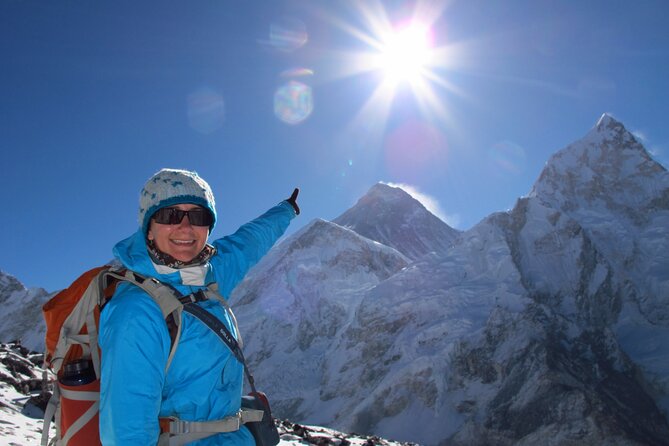
Reviewed · EVEREST BASE CAMP TREK
Everest base camp trek & Heli return
Everest Base Camp in just a week is the hook here, and the second big draw is the trade-off: you trek in, then you fly out by helicopter. This is a one-way trek plus one-way chopper flight plan that squeezes the classic Everest region experience into a tight schedule, starting with an early jump from Kathmandu to Lukla and ending with a return from Gorakshep to the capital.
Two things I really like about this setup are the included flights and logistics (Kathmandu to Lukla, and Gorakshep to Kathmandu), and the human side. Guides like Padam get called out for solid English and real know-how on the trail, while Kesh is described as quick, responsive, and easy to work with before and during the trip. One caution: with Himalayan flights, weather can force changes, so you’ll want a mindset that says flexible beats stubborn.
Key takeaways before you book
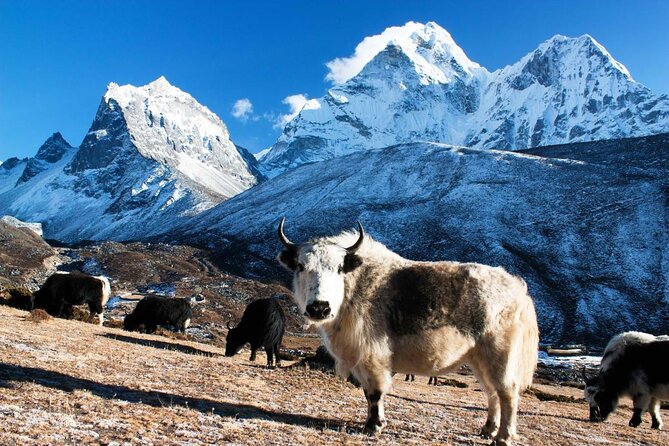
- Seven days, Everest Base Camp plus Kala Patthar, without spending a full two weeks on the standard back-and-forth trekking route.
- Flights are part of the package: Kathmandu to Lukla and a sharing helicopter return from Gorakshep.
- Tea house lodge nights are included, so you sleep in simple, high-altitude comfort rather than carrying a full setup.
- An English-speaking government-licensed trekking guide is built into the cost.
- Small group size (max 15), which usually means less chaos on narrow trails and in dining rooms.
- Weather can affect timing, and helicopter days in particular may require patience.
A one-week Everest Base Camp plan that still feels like Everest
If your “Everest dream” has a date attached to it, this kind of schedule can be perfect. You’re not just rushing to a photo stop, either. The route you take climbs through the Everest region’s core villages, where you’ll see how trekking culture, local life, and mountain scenery all mix.
The smart part is the split between trekking effort and flight comfort. You earn the altitude and views on the hiking days, then you give your legs a break on the way down. That trade is not just convenience, it’s also time management. You’re able to include a major viewpoint day, Kala Patthar, even with a short overall trip.
More ways to walk to Everest Base Camp:
- Everest Base Camp Trek – 14 Days
★ 5.0 · 1,499 reviews - Everest Base Camp Trek
★ 5.0 · 842 reviews - Everest Base Camp Helicopter Tour landing at Everest View Hotel
★ 5.0 · 668 reviews
Price and what you get for $3,195
At $3,195 per person, the price is not low. But when you look at what’s included, it’s less crazy than it first sounds. This cost covers the big-ticket travel pieces that many self-arranged trips struggle with:
- Kathmandu to Lukla flight
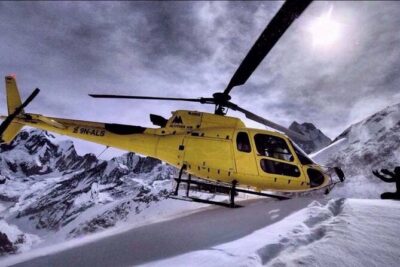
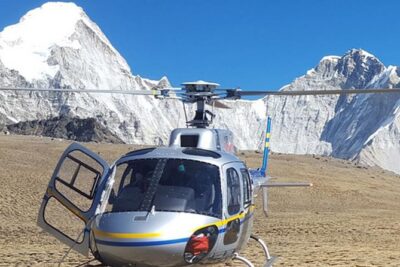
- Gorakshep to Kathmandu helicopter flight
- Airport transfers for the trek start and end
- Permits and entrance fees
- Tea house lodge accommodation
- A licensed English-speaking trekking guide and supporting staff
- Meals listed as 6 breakfasts, 6 lunches, 6 dinners
- Essential trek logistics like overnight stays and core ground handling
Where people get surprised on Everest is usually not the trail, it’s the “extras.” Here, items like battery charging, Wi-Fi, beverages, mineral water, and hot showers are called out as not included. That means you should budget for small daily add-ons, especially at higher altitudes where services cost more.
Also, this experience is non-refundable and cannot be changed for any reason. If your calendar is firm, that’s fine. If it’s not, I’d treat booking like it has a travel-weather risk attached.
Before you go: fitness, altitude, and the gear reality
The trip is described for moderate physical fitness. That’s useful language, but on Everest, moderation still has to mean disciplined. Most days involve several hours of uphill walking, and the air gets thinner fast as the altitude climbs.
Here’s the practical mindset I’d recommend:
- Plan for steady walking, not speed. You’ll go farther if you pace early.
- Expect early starts. Starting at 5:15 am for the Kathmandu meeting time sets the tone for long days.
- Keep your cold-weather layers ready. You’re moving from lower valleys up toward places above 5,000 meters.
Gear is partially on you. The tour lists personal trekking gear as not included, and personal expenses like water and charging are also not included. The good news is tea houses handle the basics like lodging, so your packing list can be simpler than a camping trek. Still, think about your water plan and charging strategy. Battery charging and Wi-Fi can become a daily decision up high.
Day 1: The Kathmandu to Lukla jump, then Phakding at 2,600 meters
The trip starts at the TIA Domestic Terminal parking lot in Kathmandu at 5:15 am, then you move into the morning flight to Lukla. From there, you hike to Phakding, around 2,600 meters, for roughly 3 to 4 hours.
This first walking day matters more than it sounds. It’s your body’s “wake up” phase. You’ll feel the legs work, but you’re not going straight to the big climbs yet. After arrival, you’ll settle into a tea house for the overnight.
What you’ll like: this is the day where the trek shifts from travel logistics to real trail life. You’ll see the Everest-region rhythm quickly, and it’s a nice place to start without wrecking yourself.
What to watch: if flights feel intense, remember you haven’t started trekking at altitude yet. Hydrate, eat, and keep your pace calm.
More to compare around Kathmandu
- Private Kathmandu Sightseeing Tour | UNESCO World Heritage sites
★ 5.0 · 756 reviews - Kathmandu: 7 UNESCO Sites with Lunch
★ 4.8 · 744 reviews - Half day cooking class in Thamel kathmandu
★ 5.0 · 607 reviews - Everest Base Camp Trekking
★ 5.0 · 485 reviews
Day 2: Namche Bazaar, the big acclimation town at 3,500 meters
Next is the climb from Phakding to Namche Bazaar (about 3,500 meters), a 4 to 5 hour trek, with time for exploration late in the afternoon.
Namche is more than a stop. It’s a high-altitude hub where you can get your bearings fast. You’ll likely want to take the afternoon easy, even if you feel good. The goal is to let your body adapt while still soaking in the area.
Why this day is valuable: it’s built for acclimatization without turning the trek into a slow crawl. You’re gaining altitude, but you’re also getting time in a town environment instead of just moving camp to camp.
Possible drawback: Namche can tempt you to overdo it. If you push too hard because you feel great, the next day can punish you.
Day 3: Tengboche at 3,870 meters, rhododendron forests and monastery vibes
From Namche, you head to Tengboche (about 3,870 meters), again around 4 to 5 hours. The route is described through rhododendron forests, past Mani walls and chortens, with panoramic Himalayan views along the way.
Tengboche is where many trekkers feel like the Everest story becomes real. You’re higher, colder, and surrounded by bigger scenery. Even if you’re focused on your own breathing and footing, the trail has a way of reminding you why this region pulls people back year after year.
What you’ll like: the mix of cultural markers (mani walls and chortens) with sweeping viewpoints keeps the day from becoming only “climb and suffer.”
What to watch: rhododendron season details aren’t specified, so conditions can vary. Plan for cold hands and slower walking on uneven ground.
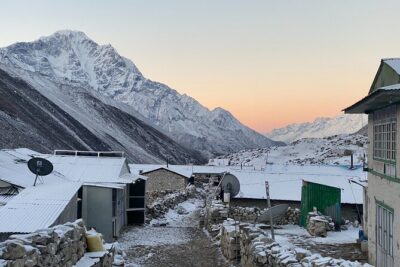
Day 4: Dingboche via Deboche and the Imja Khola bridge
This is one of the more interesting “transition” days. You trek from Tangboche down through Deboche, cross an exciting bridge over the Imja Khola, then continue on an ascent via Pangboche and Somare village to reach Dingboche for an overall 6 hour day.
That Imja Khola crossing is the kind of moment you remember because it breaks up the rhythm. For a few seconds you’re not thinking about altitude math, you’re thinking about the river below and the bridge under your feet.
Why it’s worth it: this day gives you variety. It’s not just straight uphill. You get descent, then rebuild your pace for the next climb.
Possible drawback: bridges and rocky trail edges can be slippery, especially with morning cold. Foot care matters.
Day 5: Lobuche at a higher level, with peak views getting serious
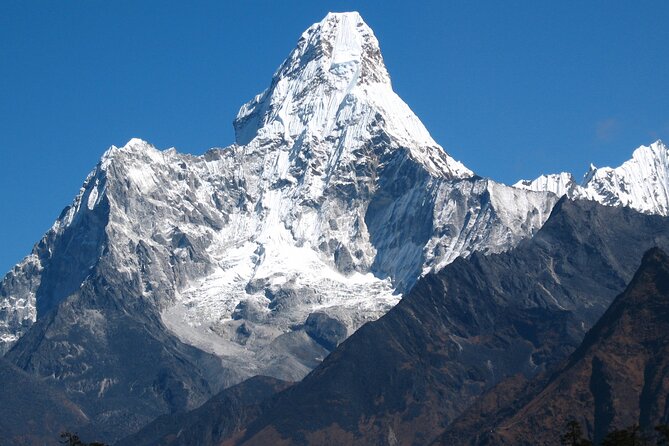
After breakfast, you trek to Lobuche in about 6 hours. Along the way, the views are described as fascinating, including Ama-dablam, Lhotse, Phortse peak, and Cholatse, until you reach Dughla, then continue on to Lobuche.
This is the day where the scenery starts feeling less like a “region” and more like a wall of big mountains surrounding you. It’s also where you start setting your body up for the Base Camp day.
What to like: Lobuche is positioned so that the next day’s effort has context. You’ll walk in feeling like you’re closing in, not just passing through.
What to watch: longer days at high altitude can drain you even if the hike is “only” a few hours. Eat on schedule, drink steadily, and keep your pace even.
Day 6: Gorakshep and Everest Base Camp, lunch above the clouds
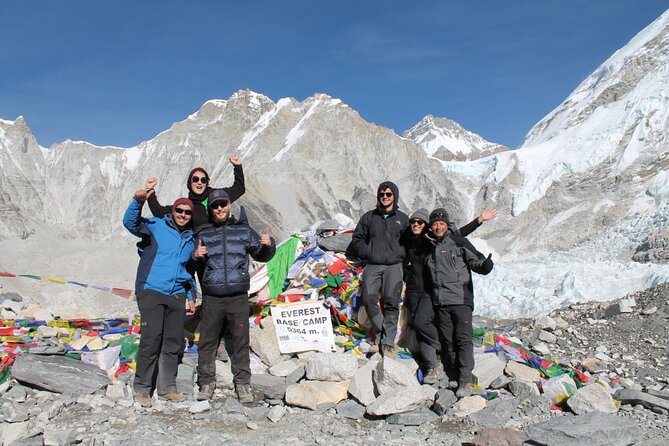
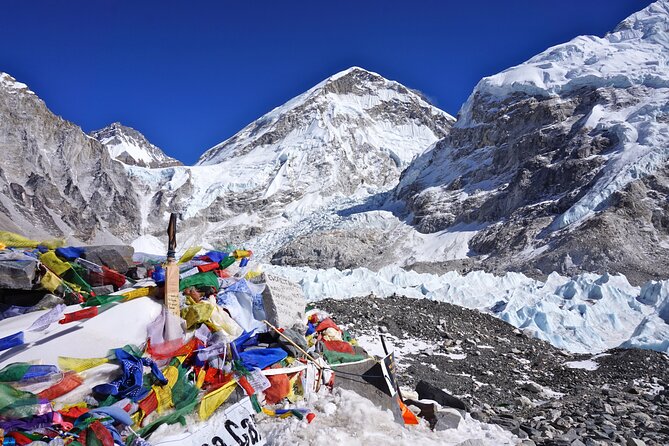
Today is the core achievement day. After breakfast, you trek to Everest Base Camp through Gorakshep. The overall hike is listed as 7 hours. You reach Gorakshep, have lunch, then continue onward to Everest Base Camp at 5,364 meters. After visiting base camp, you return to Gorakshep for overnight.
The structure is good. You’re not doing Base Camp on an empty stomach, and the lunch break at Gorakshep helps you manage the push.
Why this day matters: Everest Base Camp isn’t just a destination, it’s a feeling. Even without climbing anything yourself, being at that altitude changes how you experience the place. Your senses get sharper, and your breathing becomes the loudest sound.
Possible drawback: it’s a long day. You’ll be walking up and then walking back down in the same day. Keep your energy for the out-and-back movement, and don’t burn it all in the first half.
Day 7: Kala Patthar at 5,545 meters and the sharing helicopter back to Kathmandu
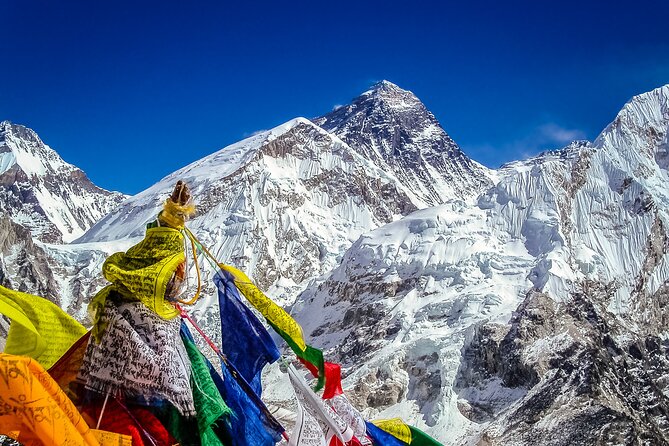
The final walking day starts early again: a trek to Kala Patthar (about 5,545 meters), described as the final destination. You’ll enjoy stunning views of Mount Everest and other Himalayas, then return to Gorakshep. After breakfast, you fly back to Kathmandu by helicopter.
This is the best kind of finish for a one-week schedule. Kala Patthar gives you a big panoramic payoff, and the helicopter return means you’re not spending your last hours fighting fatigue on foot.
What you’ll like: this day balances effort with reward. You do one more push to a viewpoint, then the trip turns into actual vacation mode.
What to watch: early morning cold at altitude can be harsh. Dress in layers and keep your gloves and hat usable, because you’ll likely want them.
Guides, communication, and why the human touch matters up high
In a trek this short, your guide becomes more than a person pointing the way. A good guide helps you pace, manage small problems, and handle the day’s surprises.
Here, two names come up strongly: Padam and Kesh. Padam is described as excellent, with years of experience in these mountains and good English for questions. Kesh is praised for strong communication, including being responsive on WhatsApp and making payment straightforward.
One small but meaningful example is that the crew reportedly helped find forgotten boots for someone in the group. That’s not a glamorous highlight, but it tells you the operation can respond when reality hits.
And yes, weather can bring delays. One account notes weather delays and that Kesh stayed in contact and available for changes. That matters because Everest travel is not always perfectly linear. You want someone ready to adjust.
Tea houses, included meals, and the costs you should plan for
Your overnight stays are tea house lodges, which is exactly what you want on a short schedule. Tea houses mean warm rooms where you can dry out a bit, eat, and sleep without carrying camping gear.
Meals are listed as included: 6 breakfasts, 6 lunches, and 6 dinners. That usually removes one of the biggest stress points on the trail, since food quality and availability can be a concern at altitude.
What’s not included is also clearly stated: battery charging, Wi-Fi, beverages, mineral water, and hot water shower. So plan on spending some money daily if you want convenience. If you’re trying to keep costs down, bring strategies: carry a power bank, limit charging sessions, and treat Wi-Fi as a bonus rather than a requirement.
Who this trek fits best
This is a great fit if you want:
- An Everest Base Camp trek in about a week
- A plan with major transport included (Lukla flight and helicopter return)
- A guided experience with an English-speaking, licensed guide
- A smaller group size, up to 15 travelers
It’s especially useful if you’re fit but not interested in turning your vacation into a long slog. The helicopter return is not just time saving. It changes how you feel on your last day, and that can be the difference between finishing strong and feeling cooked.
Should you book this Everest Base Camp plus helicopter return?
I’d lean toward booking if your schedule is tight and you want a guided, logistics-light route that still hits the major milestones: Namche Bazaar, Tengboche, Dingboche, Lobuche, Everest Base Camp, and Kala Patthar.
I’d hesitate only if you can’t handle flight uncertainty, because weather can affect timing. Also, since it’s non-refundable, make sure your calendar is truly firm before you pay.
If you go, go prepared for cold mornings, for the “slow pace wins” approach, and for small daily costs that are not included. Do that, and this one-week Everest plan can feel like you got the classic experience without stretching it into a second vacation.
FAQ
How long is the Everest Base Camp trek and heli return?
It’s listed as 7 days approximately, with the trek from Lukla up to Everest Base Camp and a helicopter return from Gorakshep to Kathmandu.
Where does the tour start in Kathmandu?
The meeting point is the TIA Domestic Terminal parking lot, Kathmandu 44600, Nepal.
What time does the tour start?
Start time is 5:15 am.
Is airport pickup included?
Yes. Airport transfers are included for pickup upon arrival and drop upon departure for the trek.
What flights are included?
You get a Kathmandu to Lukla flight ticket, and a Gorakshep to Kathmandu helicopter flight is included.
Are tea house lodge accommodations included?
Yes. Overnight accommodation at tea house lodges is included.
What meals are included?
The package includes 6 breakfasts, 6 lunches, and 6 dinners.
What is not included in the price?
Not included are your Kathmandu hotel before and after the trek, personal expenses (like battery charging, Wi-Fi, beverages, mineral water, and hot water shower), and travel insurance and emergency evacuation cost.
Is there a guide, and what language do they speak?
Yes. You have a trekking guide (English speaking government licence holder) included.
How many travelers are in a group?
The tour has a maximum of 15 travelers.
Latest Kathmandu write-ups
- Langtang Valley Trek★ 5.0 · 3 reviews
- Khopra Danda Trek★ 5.0 · 3 reviews
- Langtang Valley Trek from Kathmandu★ 5.0 · 3 reviews
- 5 night / 6 days Kathmandu Nagarkot Chitwan Pokhara tour★ 5.0 · 3 reviews
- Nepal Highlights Tour: 5 Nights 6 Days Kathmandu & Pokhara Tour★ 5.0 · 3 reviews
- Kathmandu Valley Private Day Tour★ 5.0 · 3 reviews
- Conquer the Himalayas: The Ultimate 16-Day Annapurna Circuit Trek★ 3.5 · 3 reviews
- Kathmandu Heritage Day Tour★ 5.0 · 3 reviews
Everest Base Camp Trek, compared.

Everest Base Camp Helicopter Tour landing at Everest View Hotel
Read our review →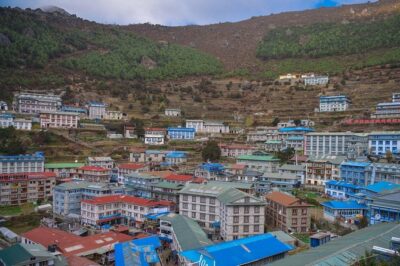
Everest Base Camp Helicopter Tour landing at Hotel Everest View
Read our review →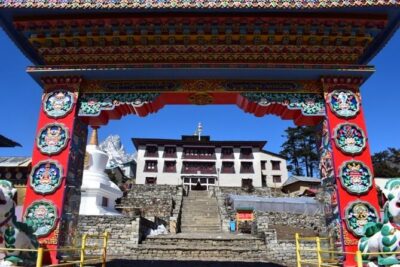
Browse the lists this tour appears in