
Reviewed · EVEREST BASE CAMP TREK
Everest Base Camp trek in 14 days
Everest Base Camp in 14 days is interesting because it takes you straight at the big goal, on the main Khumbu trekking corridor, with just enough built-in time to handle the altitude. I especially like the Lukla flight as a real-world kickoff, and the way the plan uses Namche acclimatization before you push higher. The one drawback to consider is simple: this is a serious walking itinerary, and you should expect the thin-air days to feel physically demanding even when you pace yourself.
You start with a day in Kathmandu to reset, then you jump into the mountains quickly. You’ll get big views, Sherpa towns, monastery stops, and that slow shift from comfortable trails to high-altitude terrain near Gorak Shep.
Key things I’d watch for before you go
- Lukla flight is the hinge of the whole trip, with weather the main factor in how smoothly it runs
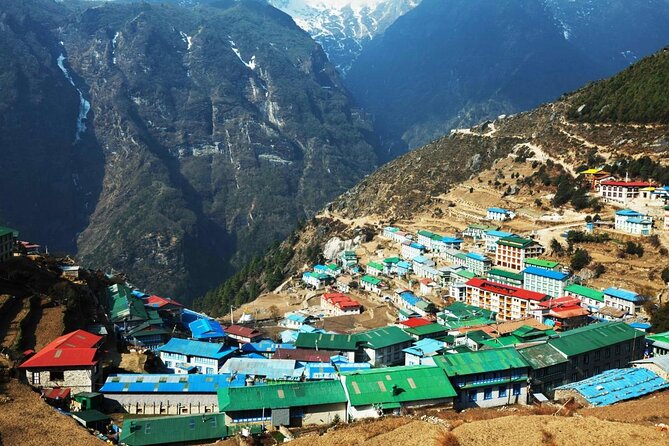
- Namche is your acclimatization anchor, not just a rest stop, and it sets your tone for the climb
- High points come with high effort, especially around Thukla to Memorial Park and the long day to Gorak Shep
- Kala Patthar is the optional flex, but it’s the one many people aim for for sunset views
- You’ll track altitude gain in steps, not in one giant leap, which helps more than you think
- Porters carry weight, but only within a shared limit, since porters are not included in the package
Everest Base Camp in 14 Days: What You’re Really Signing Up For
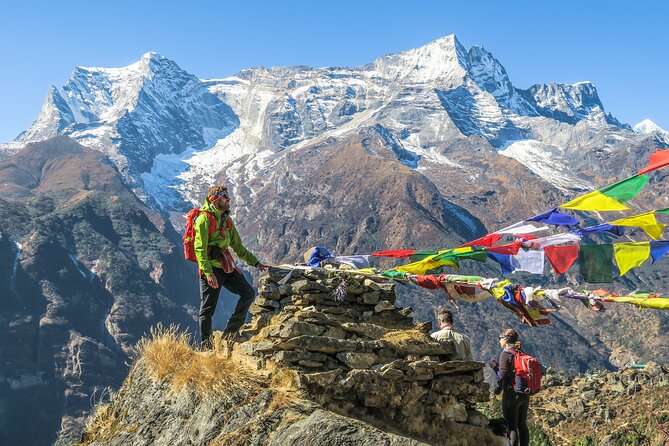
This trek is built around one mission: reaching Everest Base Camp and living through the classic route in the Khumbu. That means you’re not hopping around smaller side valleys. Instead, you’ll move up the familiar spine of Sherpa country, where daily life, prayer flags, and monastery lookouts show up constantly.
The pacing is traditional for a reason. You’ll climb, then you’ll spend time in places like Namche to let your body adjust. Even with that, you should still treat each high day as work, not a sightseeing stroll. The plan does a good job of spacing the effort so the trek feels like progress, not a constant grind.
Also, this isn’t a tour where your guide just points and moves on. The operator lists an English-speaking, government-licensed trek leader, and the experience notes highlight how much care goes into pacing and keeping you healthy. That matters on Everest routes where “push hard” is how people get in trouble.
More ways to walk to Everest Base Camp:
- Everest Base Camp Trek – 14 Days
★ 5.0 · 1,499 reviews - Everest Base Camp Trek
★ 5.0 · 842 reviews - Everest Base Camp Helicopter Tour landing at Everest View Hotel
★ 5.0 · 668 reviews
Kathmandu Arrival Day: Use It to Get Your Bearings
Day 1 is Kathmandu, and the value here is not fancy sightseeing. It’s logistics and reset. You land, meet the Asian Heritage Treks and Travels representative, and get transferred to your hotel by private vehicle.
On the way, you’ll get outside glimpses of major landmarks like Pashupatinath Temple, the Royal Palace Museum (Narayanhity), and the Garden of Dreams. Even from the roadside, these stops help you understand Nepal quickly: spiritual places, palace heritage, and a city that’s not afraid of contrast.
After you check in, you’ll get a plan discussion. This is where you should ask practical questions you’re afraid to ask. Things like your flight expectations, your personal walking pace, and what kind of weather changes you should plan for in the mountains. Then you’ll have time to explore nearby areas on your own.
Practical note: your hotel is Yatri Suites & Spa or similar (4 star) on breakfast basis for two nights total across the Kathmandu start and end. This is a nice buffer before and after the trekking reality.
The Lukla Flight: The Moment the Himalayas Take Over
On Day 2, you fly from Kathmandu to Lukla Airport. The itinerary describes this as one of the most exciting airports on earth, and that’s not hype. The flight is low enough and close enough that the views feel immediate. Everest can look like it’s getting bigger by the minute as you approach.
Right after you land, altitude hits fast. You might feel it even if you’re fit, just from being in the high mountain zone. That’s why the plan keeps Day 2 light: you have time to stroll around Lukla and get oriented. Lukla is also the starting point for hiking trips into the Everest region, so it’s a good first taste of the Khumbu rhythm.
If you’re the type who hates uncertainty, remember this: Lukla flights can be weather-sensitive. The itinerary later mentions that scheduled flight times can change due to conditions, so keep your head flexible.
Trek Day by Day: How the Route Builds You Up (Not Just Up)
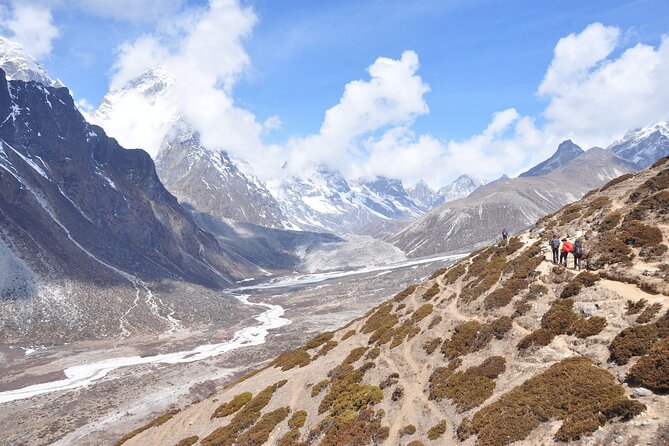
This trek runs along the classic corridor through Sherpa villages. You’ll pass suspension bridges, monasteries, and riverside trails, with the scenery gradually pushing you higher.
More to compare around Kathmandu
- Private Kathmandu Sightseeing Tour | UNESCO World Heritage sites
★ 5.0 · 756 reviews - Kathmandu: 7 UNESCO Sites with Lunch
★ 4.8 · 744 reviews - Half day cooking class in Thamel kathmandu
★ 5.0 · 607 reviews - Everest Base Camp Trekking
★ 5.0 · 485 reviews
Day 3: Dudh Koshi Valley, Forest Trails, and Mongo
You start trekking along the Dudh Koshi (Milky River). That river is a guide in its own way because you see it again and again as the trail follows its path. The route goes through rhododendron forest with evergreen oak scent, then climbs toward Mongo.
Crossing a suspension bridge and moving past Buddhist stupas gives you a real sense of how the trail and religion are braided together here. The day ends with time around Manjo village in the evening, so you’re not pushing all day into fatigue.
Day 4: Toward Namche Bazaar, First Real Altitude Stress
Day 4 heads to Namche Bazaar. The trail starts easier, then gradually steepens and gains altitude. The itinerary even calls out the shortness of breath you’ll want to treat gently. That’s good advice. Don’t force it.
You’ll get a first glimpse of Everest as you cross the Dudh Koshi, and you’ll stop for lunch around Manjo. Namche itself is a lively, high-altitude hub for the region. For many people, this is the first night where the mountain starts to feel close and serious.
Day 5: Namche Acclimatization and Sherpa Life
Day 5 is not about rushing onward. It’s about adjusting. Namche is sometimes called the Sherpa capital, and it’s exactly the kind of place where you can see how trekking, trade, and mountain culture meet.
If you want sunrise views, the plan encourages early starts. From around Sagarmatha National Park, you can look toward Everest, Thamserku, Ama Dablam, and more. It also describes the snowy peaks casting dramatic shadows on clouds, which is one of those details that makes the morning light feel different than anywhere else.
You’ll also get time to try classic food like salt-butter tea and champa (barley), plus the Saturday market if your day lines up with it. The point is simple: acclimatization works better when you can move calmly and eat well.
Day 6: Tengboche, With a Big Elevation Day
Day 6 takes you from Namche to Tengboche. This is flagged as one of the tougher elevation days, with about 4,000 feet (1,200 meters) of gain. That’s a real number. It will be harder than the days before it.
The payoff is views of the Everest mountain range from Tengboche. And because Tengboche is also known for monastery culture, it’s not just high altitude, it’s a high-altitude “stop and look” kind of day. Build in breaks, because your pace will matter more than your speed.
Day 7: Dingboche and the Ama Dablam Moment
You trek from Tengboche to Dingboche. The route passes through Pangboche, plus you’ll get the famous view of Ama Dablam along the way.
This day tends to feel like the landscape changes around you. River valleys, glacier river views below, and sharp peaks in the distance start to dominate your senses. It’s one of those days where you’ll feel the air thinner, but the scenery keeps you motivated.
Day 8: Lobuche and the Memorial Park Section
Day 8 moves you toward Everest Base Camp territory, and it’s described as the most difficult stretch of the trek, from Thukla to Memorial Park.
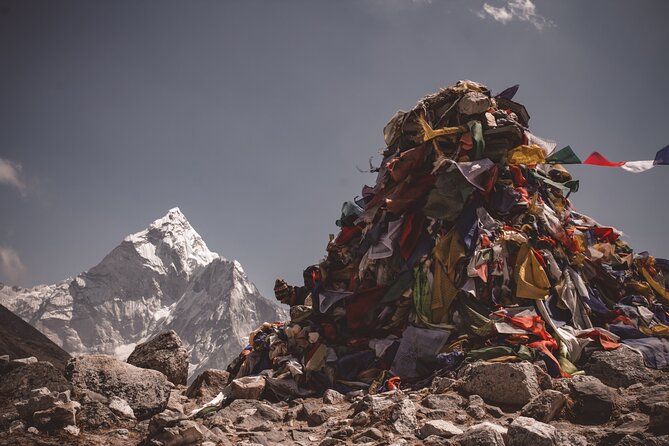
This is where the prayer flags and the “brave mountaineers” presence show up strongly. The route climbs through a more exposed, rugged feel. When you reach Lobuche, you’re staying at one of the higher villages on the EBC route. Nights up here can feel colder, and you’ll likely want to sleep smart and conserve energy.
Day 9: Gorak Shep and the Everest Lookout Vantage
Day 9 brings you to Gorakshep. The itinerary notes the trail can be sparse and snow may blanket it at this altitude, which makes traction and pacing extra important.
Once you arrive, the plan gives you rest time, and then it offers an optional push: Kala Patthar for a stunning sunset view if you have the energy. Many people treat Kala Patthar as the “I want one more view” decision. But the practical advice stays the same: altitude first, ego last.
Day 10: Kala Patthar, Then Everest Base Camp
Day 10 starts with Kala Patthar at 5,450 meters (Kala meaning black rock). Then you go on to Everest Base Camp.
The itinerary describes the view at EBC as raw and powerful, with the Everest and Khumbu Glacier Valley in sight. After that, you trek back down to Gorakshep to eat and sleep.
This day is often the emotional climax of the trek. It can also be physically intense, since you’re balancing a high viewpoint plus the base camp walk. If your breathing feels off, keep moving slowly and steadily. You’ll get there.
The Descent That Actually Helps You Recover
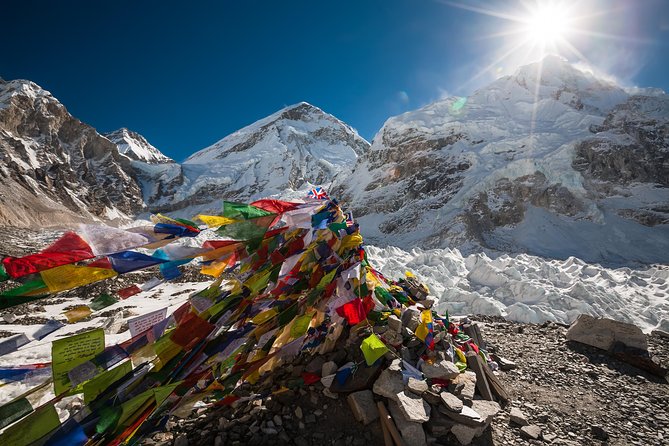
Going down isn’t just a victory lap. It’s where you either feel better or you get worn out by fatigue.
Day 11: Back to Namche, Prayer Wheels and Pine-Cedar Woods
Day 11 takes you from Lobuche back to Namche Bazaar. The route follows down to Dudh Kosi with water-driven prayer wheels, then continues through paths of pine and cedarwoods.
You also get visual drama: the Lhotse-Nuptse Wall peeking out as you trek. That kind of view matters on a descent day because it keeps the motivation up when your legs are tired.
Day 12: Chumoa Lunch, Phakding, and the Final Trail to Lukla
Day 12 goes back toward Lukla. You’ll cross Dudh Koshi again, pass additional prayer wheel sections, and follow the riverside until Phakding. The itinerary highlights Chumoa as a lunch stop, and it notes that by this stage you should not feel breathing difficulty.
Still, “should not” is not “won’t.” Treat any breath changes seriously, and slow down if you need to.
When the snowy peaks start to disappear in the distance, it’s a sign the most difficult part is behind you. That moment can feel almost unreal after days of fighting altitude.
Kathmandu Again: Rest, Reflect, and Fly Out Cleanly
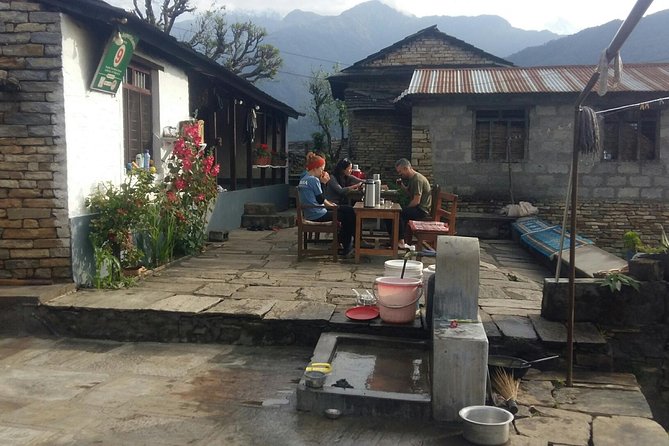
On Day 13, you return to Kathmandu with a flight that leaves before 10:00 am, but it can shift due to weather. Once you land, you’re transferred to your hotel and given the day off to rest and reflect.
Then Day 14 handles departure timing. You’ll be transferred to Tribhuvan International Airport about three hours before your flight and guided to check-in.
This structure is practical. You don’t need to cram sightseeing right after a high-altitude trek. You need sleep, food, and the chance to let your body come back to normal.
Price and Value: What $1,450.19 Covers, and What It Doesn’t
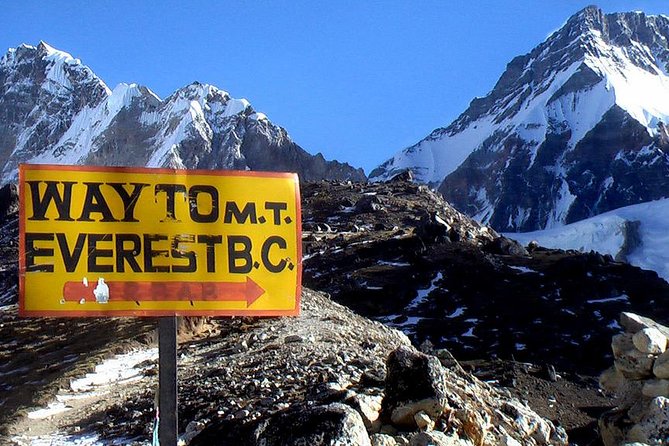
At $1,450.19 per person for a 14-day trek, you’re paying for a lot more than a route on a map.
Included highlights:
- Private vehicle land transfers in Kathmandu
- 2 nights in Kathmandu at a 4-star hotel (Yatri Suites & Spa or similar) on breakfast basis
- 11 nights in local lodges on room only basis during the trek
- Sagarmatha National Park permits and TIMS, plus other necessary permits
- Domestic flights Kathmandu to Lukla and Lukla to Kathmandu
- An experienced, English-speaking, government-licensed trek leader
- All government and local taxes
- Breakfast (2)
Not included (and worth planning for):
- Meals and drinks during the trek
- Tipping (tips)
- Donations at schools or monasteries
- International flights
- Upgrades to hotel rooms or services if you want them
- Personal expenses like hot water and drinking water, phone, laundry
- Emergency rescue evacuation insurance
- Porters (with the note that one porter can carry 20 kilo of luggage shared between clients)
Here’s the value take: the package reduces the big friction points. You don’t have to figure out permits, TIMS, domestic flights, or the core guiding team. That’s real money and real stress saved.
What you still need to budget is ongoing. Food on lodge treks is typically paid locally, plus you’ll probably want to manage bottled water costs and hot drinks. If you’re debating porters, know they’re not included, so build that into your plan if you want lighter loads.
Group Size, Pace, and Who This Trek Fits
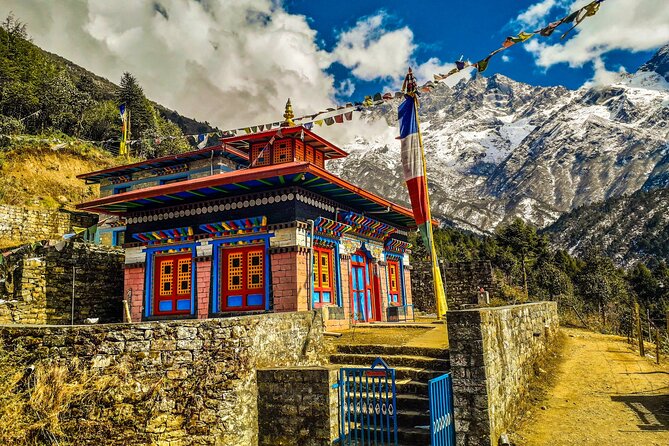
The group is limited to a maximum of 12 travelers. That’s a sweet size for EBC treks because it’s big enough for companionship and comfort, but small enough for your guide to manage pacing.
The fitness level guidance is “moderate physical fitness.” But read that carefully. It doesn’t mean the trek is easy. It means you don’t need to be a mountaineer to do it, as long as you can handle lots of walking and altitude variability.
If you’re a first-time trekker, the plan can work well because it builds acclimatization into the schedule. The care around pacing is also supported by the experience notes, including praise for guides who keep you moving at the right speed for your body.
What I’d Ask Before You Book (So You Feel Confident)
If you want this to go smoothly, I’d message the operator before you pay and ask:
- How they manage weather-driven flight changes to Lukla and back
- How the trek leader plans walking days when someone feels the altitude
- Whether you should plan for a porter given your luggage and comfort
- Your options for hotel room upgrades, since those are not included
Also, double-check your passport details are correct. The itinerary says you must provide passport name, number, expiry, and country at booking.
Should You Book This Everest Base Camp Trek?
I’d book it if your top priority is reaching Everest Base Camp on the classic route, with a structured plan that includes acclimatization and a licensed, English-speaking leader. The itinerary also seems set up to protect your energy, with rest and pacing built into the schedule rather than added on as an afterthought.
I’d hesitate if you hate walking days and want a “mostly easy” experience, or if you’re not comfortable budgeting for meals and tipping on top of the trek price. And if you’re sensitive to altitude, make sure you’re honest about your fitness and breathing, because the plan is demanding even when it’s well paced.
If you go in with realistic expectations, this is the kind of trek that turns a dream into a memory you’ll carry for a long time. The mountains are the headline, but the calm, step-by-step progression is what makes the story end well.
FAQ
What is the trek duration?
The experience runs for approximately 14 days.
Where does the trek start?
It starts in Kathmandu, Nepal, with a meeting time of 8:30 am.
Does the price include flights?
Yes. Domestic flights from Kathmandu to Lukla and back to Kathmandu are included.
Are permits included?
Yes. The package includes Sagarmatha National Park permits, TIMS, and other necessary permits.
How many nights are spent trekking?
The itinerary includes 11 nights on the trek in local lodges, plus 2 nights in Kathmandu at a 4-star hotel (or similar).
What about meals and drinks?
Meals and drinks are not included in the package price. Breakfast is included (2 breakfasts total), but other meals are paid separately.
Is a porter included?
Porters are not included. The information provided notes that one porter can carry up to 20 kilo of luggage and share between clients.
How large is the group?
The tour has a maximum of 12 travelers.
Is an emergency rescue evacuation insurance included?
No. Emergency rescue evacuation insurance of any kind is not included.
Are there any required travel documents?
Yes. You must provide your passport name, number, expiry, and country at the time of booking for all participants.
Latest Kathmandu write-ups
- Langtang Valley Trek★ 5.0 · 3 reviews
- Khopra Danda Trek★ 5.0 · 3 reviews
- Langtang Valley Trek from Kathmandu★ 5.0 · 3 reviews
- 5 night / 6 days Kathmandu Nagarkot Chitwan Pokhara tour★ 5.0 · 3 reviews
- Nepal Highlights Tour: 5 Nights 6 Days Kathmandu & Pokhara Tour★ 5.0 · 3 reviews
- Kathmandu Valley Private Day Tour★ 5.0 · 3 reviews
- Kathmandu Heritage Day Tour★ 5.0 · 3 reviews
- Conquer the Himalayas: The Ultimate 16-Day Annapurna Circuit Trek★ 3.5 · 3 reviews
Everest Base Camp Trek, compared.



Everest Base Camp Helicopter Tour landing at Everest View Hotel
Read our review →



Everest Base Camp Helicopter Tour landing at Hotel Everest View
Read our review →
Browse the lists this tour appears in