
Reviewed · EVEREST BASE CAMP TREK
Everest Base Camp Trekking – 16 Days
Everest Base Camp is interesting because it’s not just a hike toward a famous mountain. You’re walking through living Sherpa villages, then stepping into a world where the ice is the main character. I like how the trip pairs 30-minute Lukla flights with real trekking days, so you actually spend your energy on the mountain. I also like the way the high point is built around Kalapatthar’s close Everest panorama.
One consideration: a porter is not included for caring luggage. That means you’ll want to pack smart and be ready to carry your own day-to-day load, or budget extra if you decide you want help with weight.
Key Highlights You’ll Feel on Day 1
- Lukla quick hop: a short flight from Kathmandu gets you into the trekking world fast
- Namche acclimatization structure: rest day in Namche so you can breathe better later
- Monastery stops at Tyangboche: real time with Buddhist prayer life in the Everest region
- Base Camp day payoff: long approach days set you up for the Big Goal moment
- Kalapatthar above 5,545 m: early climb for overwhelming close views of Everest-area giants
- Extra Kathmandu buffer if Lukla is weathered out: Day 15 exists specifically to protect your schedule
From Tribhuvan Airport to Trek Rhythm: Getting Ready in Kathmandu
Your experience starts in Kathmandu with a pickup at Tribhuvan Airport. Day 1 is for adjusting after travel and getting your bearings with the rest of the group, then settling into a Nepalese dinner with local cultural programs. It’s a gentle start. You’re not thrown straight into altitude math.
Day 2 adds a grounding cultural block at Kathmandu Durbar Square for about two hours. Admission for this is listed as not included, so check the current cost if you care about museum-style entry. This day also functions as your mental warmup for the trek. You’ll see heritage details and street life, then shift gears to your gear check and packing habits.
One smart reality here: you’ll be glad you planned a full preparation day before you fly to Lukla. The schedule gives you time to sort what you’ll use, what you’ll carry, and what you can leave behind.
More ways to walk to Everest Base Camp:
- Everest Base Camp Trek – 14 Days
★ 5.0 · 1,499 reviews - Everest Base Camp Trek
★ 5.0 · 842 reviews - Everest Base Camp Helicopter Tour landing at Everest View Hotel
★ 5.0 · 668 reviews
Lukla Flight and the Descent-First Trick to Phakding
On Day 3 you’ll take a short flight, about 30 minutes, from Kathmandu to Lukla. From the air, you get those mountain textures and big sky views that make the Everest region feel real. Then the trekking begins with a move to Phakding, which is a classic early rhythm builder.
Why this matters: your first trekking day is not trying to destroy you. It’s about letting your legs find their pace while you’re already surrounded by the kind of scenery people dream about. Expect plenty of stops for photos, but also remember you’re earning that later Kalapatthar view.
The main practical tip I’d give you here is to keep your daypack light. With no included porter for luggage, your load strategy can make or break your comfort.
Namche Bazaar: Acclimatization With Real Sherpa Life
Day 4 is all about moving into Namche Bazaar, the Sherpa town that functions as the gateway for Everest-area treks. The route runs through tall pines and rhododendron trees, and you’ll feel the environment change as the valley opens up. Then you arrive into a lively base town where you can finally stop walking and just take in the mountain dominance.
You’ll overnight at Namche in a cozy lodge setup. This is where the trek shifts from countryside hiking to high-altitude village life. You’ll notice how often people talk about weather, trails, and heights. It’s not hype. It’s daily survival talk.
Day 5 is an actual rest day for acclimatization. That means you’re not forced into big mileage on a breathing-limited schedule. Instead, you can hike around Namche, visit a museum, and generally soak up snow-capped peak views at a lower stress pace. If you get tempted to overdo it, don’t. This is the trek. Not a race.
Tyangboche Monastery Day: Spiritual Stops With Big Mountain Backdrops
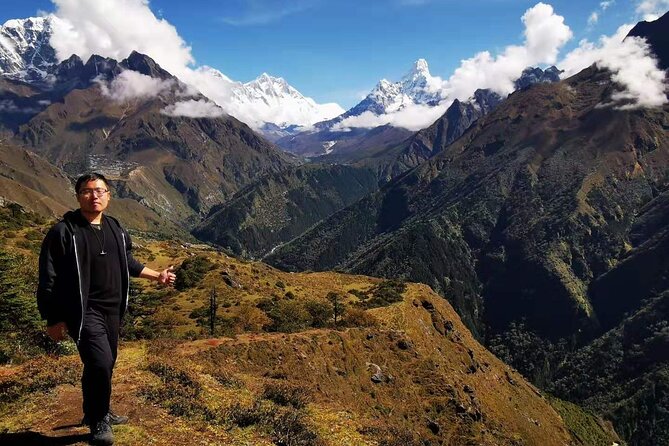
Day 6 moves you toward Tyangboche (Tengboche), and the monastery visit is a highlight if you like cultural moments that aren’t staged. You’ll pass through mountain views and Sherpa landscapes, then arrive to see monks and priests during religious activities. That’s the key difference versus just looking at buildings. You’re observing lived practice.
Admission to Tyangboche is listed as not included, so plan for that if it matters to you. Still, even if you only watch from the edges, it’s one of those stops where the mountain views feel tied to the people who live there.
You’ll overnight at Tyangboche area. This is also a day where cold and altitude can start feeling sharper. Your best move is to keep your pace steady and let the guide manage spacing on the trail.
More to compare around Kathmandu
- Private Kathmandu Sightseeing Tour | UNESCO World Heritage sites
★ 5.0 · 756 reviews - Kathmandu: 7 UNESCO Sites with Lunch
★ 4.8 · 744 reviews - Half day cooking class in Thamel kathmandu
★ 5.0 · 607 reviews - Everest Base Camp Trekking
★ 5.0 · 485 reviews
Dingboche Rest Day: Where the Trek Starts Testing Patience
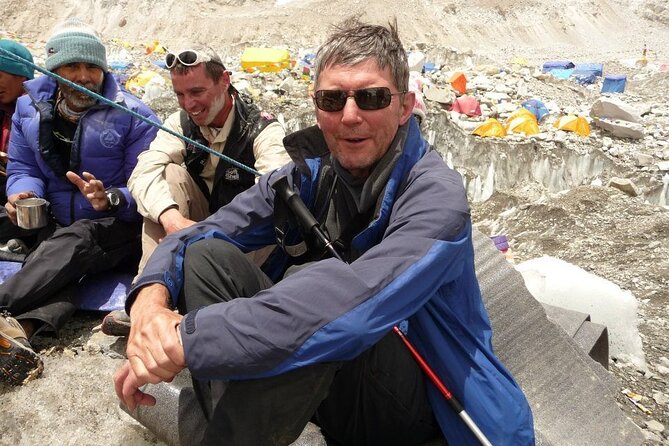
Day 7 brings you to Dingboche, passing villages like Pangboche and Deoboche along the way. This is a good day for slow enjoyment. You’re walking through settlements, not just through scenery.
Day 8 is another acclimatization rest day. You’ll stroll around Dingboche and enjoy surrounding views. This is a pattern on this trek: you move, then you breathe better for the next push. That’s not just good planning. It’s the difference between having fun at altitude and feeling wrecked.
If you’re the type who hates downtime, you can still use this day smartly. Take short walks, hydrate consistently, and watch how your body reacts. A rest day is not wasted time here. It’s investment.
Lobuche and Thugla: The Glacier Melt Reality Check
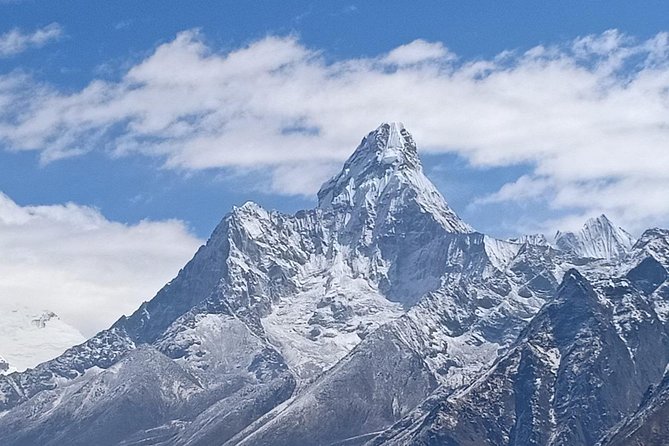
Day 9 moves you toward Lobuche, with a route above Pheriche valley. You’ll see peaks like Cholatse and Taboche along the way, which helps make the hike feel like more than a slog. Then the trail reaches Thugla, where Khumbu glacier melts into a raging river.
That detail sticks with me. It’s a reminder that this is not a frozen postcard. Water is moving, ice is shifting, and weather can change fast. You’ll feel the environment turning more stark as you go.
Then you overnight in Lobuche with views of Lobuche East and West. Days are getting longer, air is getting thinner, and you’re now in the zone where your pace and clothing choices matter a lot.
Everest Base Camp Day: The Long Push, Then the Moment
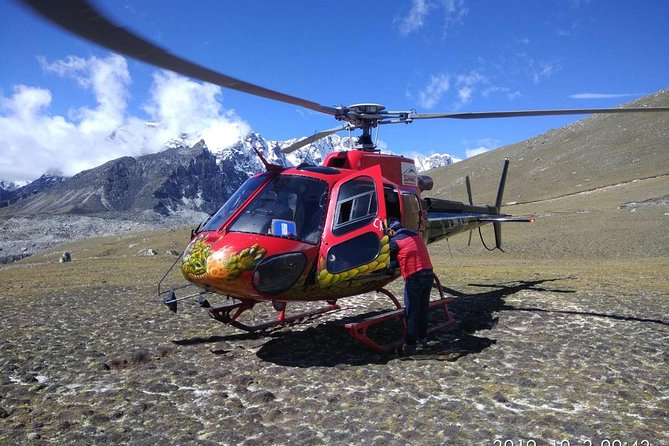
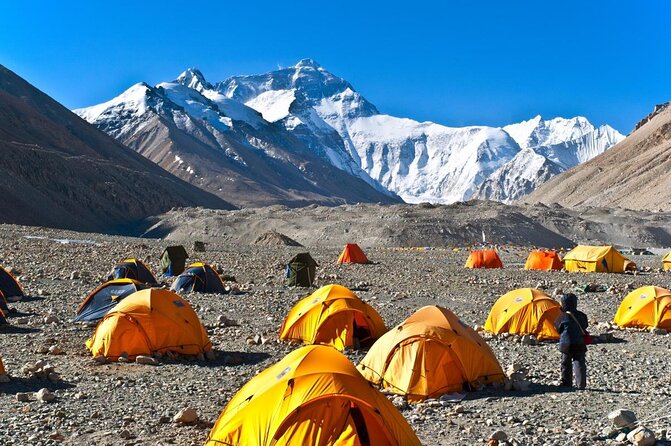
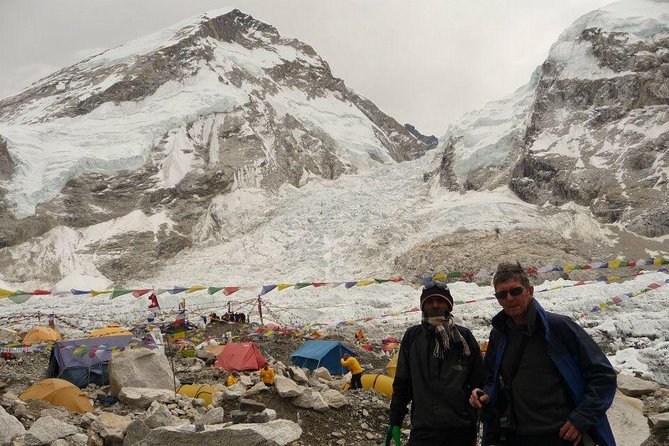
Day 10 is a long walk to Everest Base Camp, the obvious highlight. You’ll get sweeping views of giants like Mt. Everest, Nuptse, Lhotse, and Pumori, then you’ll return to Gorakshep for overnight.
This is where planning pays off. The earlier days, with their acclimatization blocks, set up your ability to actually enjoy the base camp moment instead of just reaching it exhausted. Still, it’s long. You should treat it as your endurance test, not as a casual stroll.
When you reach base camp, take a few minutes to stop fighting the wind and just look. The scale hits you differently after days of walking through valleys and villages.
Kalapatthar Above 5,545 m: The Big View That Earns Its Early Start
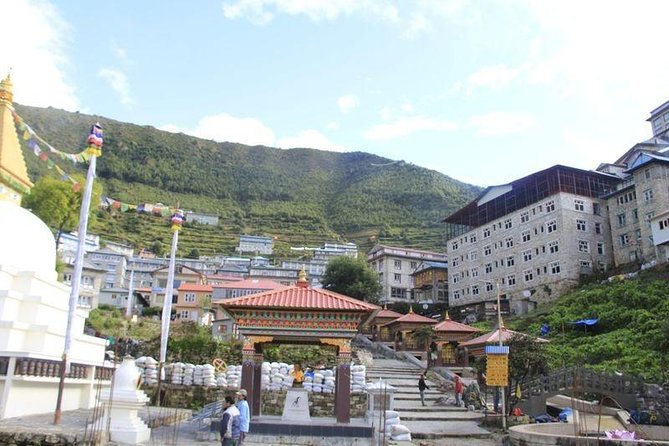
Day 11 starts early, climbing to the top of a rocky hill above 5,545 m. It’s described as the highest spot of the adventure, and the reward is an overwhelming panorama of surrounding peaks with close views of Everest and Mt. Pumori. Then you descend back toward Gorakshep for breakfast, and continue down to Pheriche valley and onward to Pangboche village for overnight.
This day is the classic Everest-trek feeling: you work hard in dim light, then the world turns sharp and dramatic. If you’re worried about cold hands or stiff legs, this is where your preparation shows. Move steadily. Pause when needed. Don’t sprint the climb.
Also, note the emotional arc. After base camp, the trek doesn’t stop. You still push for Kalapatthar, then you start the long return. That sequence keeps the trip from feeling like one big photo session followed by an easy walk out.
Back Down Toward Namche: Thyangboche Again and a Final Mountain Town
Day 12 is an easy downhill but still long walk back to Namche Bazaar. You’ll go from Pangboche, climb to Tyangboche again with its colorful monastery, then continue onward toward Namche for the last overnight stops in the Khumbu area.
This “repeat place” effect is useful. Seeing Tyangboche twice helps you compare light, weather, and how your body feels by then. It’s also a practical reminder: you’ll be grateful for the downhill, but your legs can still complain because the distance adds up.
Day 13 then takes you from Namche back to Lukla, essentially retracing your launch point. By now you know the rhythm: quick rests, steady walking, and constant altitude awareness. You’ll feel a mix of relief and sadness. That’s normal.
Lukla to Kathmandu, Plus Day 15 as Your Flight Weather Insurance
Day 14 is your return flight from Lukla to Kathmandu, with a transfer to your hotel and the rest of the day for recovery. Day 15 is an added buffer day reserved in Kathmandu or across the whole program if flights are delayed due to bad or unfavorable weather at Lukla or earlier in the trip. That’s genuinely valuable, because Lukla can be weather-dependent.
You’re not just buying a trek. You’re buying a plan that respects reality. If the skies cooperate, you might use Day 15 as time to explore Kathmandu at a slow pace. If they don’t, you’re not stuck scrambling for solutions.
Day 16 ends with staff transferring you to Kathmandu international airport for your flight home or onward travel.
Price and Logistics: Is $2,350.34 Good Value Here?
At $2,350.34 per person for a 16-day Everest Base Camp trek, the value question comes down to what’s included and what you still have to manage yourself.
Included items that carry real weight:
- Round-trip flights between Kathmandu and Lukla
- Accommodation as per the itinerary
- Professional guide with salary and insurance, plus an assistant guide if group size is more than 6
- National park fees
- Necessary trekking equipment during the trek (with the need to return it after)
- Transport by private vehicle and local taxes
- Meals listed as breakfast (15), lunch (11), dinner (11)
Not included items that you should plan for:
- Porter service for caring luggage
- Alcohol and extra personal purchases like souvenir photos
- WiFi, battery charging, and shower access in the high Himalayas
- Admission tickets for some cultural stops, like Kathmandu Durbar Square and Tyangboche monastery
So is it a fair deal? For me, the most convincing part is the logistics coverage. You’re not piecing together permits, park fees, and flight timing yourself. You’re also getting guide support plus insurance built in.
Where you can improve your cost outcome is personal strategy. Pack lighter so you can manage without a porter. If you want a porter anyway, treat it as an optional upgrade rather than a surprise expense.
The Human Factor: Why These Guides Matter on Everest Terrain
The strongest praise in the available feedback is about the people running the trek. Names that show up repeatedly are Dhruba and Sajjan for Kathmandu-side organization and airport pickup, and Prakash and Shiva for the trekking experience itself.
You can read that as simple happiness, but there’s practical value too. A flexible, responsive guide matters when your day has to adjust for conditions. Even a small trail change can affect your energy and morale at altitude.
If your group is small, you’ll also benefit from the private-tour setup. The trip is described as private, with a maximum of 15 people per booking. That usually makes it easier for your guide to manage pacing and spacing on narrow trails.
Should You Book This Everest Base Camp Trek?
Book it if:
- You want a structured 16-day plan with acclimatization rest days built in
- You care about cultural stops like Kathmandu Durbar Square and Tyangboche monastery, not only summit-style goals
- You’d rather trust the logistics for Lukla flights, park fees, and guide coordination
- You like the sound of a trip where the guide can keep things running smoothly, and where people like Prakash and Shiva are repeatedly credited for that experience
Skip or rethink if:
- You strongly prefer having someone else carry your luggage, because a porter is not included
- You have medical limitations, since the trek is not recommended for people with heart complaints or serious medical conditions, and it’s also not recommended for pregnant travelers
- You know you can’t handle early starts and long days at altitude
If you’re moderately fit and you plan your packing and pacing well, this is the kind of Everest Base Camp trip that gets you to the core moments without turning the journey into chaos. And when the views hit, you’ll understand why people come back.
FAQ
Where is the meeting point for this trek?
The start point is Tribhuvan Airport in Kathmandu, Nepal. You’re picked up by the tour staff and transferred to your hotel on the first day.
Are flights included, and how do you get to the trek start?
Yes. The tour includes round-trip flights. You fly from Kathmandu to Lukla (about 30 minutes) to begin trekking, then fly back to Kathmandu from Lukla later in the program.
What meals are included during the trek?
Meals are included as listed in the tour details: breakfast (15), lunch (11), and dinner (11), following the itinerary schedule.
Is a porter included for luggage?
No. A porter for caring luggage is not included. You’ll need to carry your own day-to-day load unless you arrange additional help.
Do you include park fees and guided permissions for the route?
Yes. National park fees and local taxes are included, along with a professional guide (and assistant guide if group size is more than 6).
What if Lukla flights are delayed due to weather?
An extra day is reserved in Kathmandu (Day 15) in case of flight problems due to bad or unfavorable weather at Lukla or earlier in the trip.
Latest Kathmandu write-ups
- Langtang Valley Trek★ 5.0 · 3 reviews
- Khopra Danda Trek★ 5.0 · 3 reviews
- Langtang Valley Trek from Kathmandu★ 5.0 · 3 reviews
- 5 night / 6 days Kathmandu Nagarkot Chitwan Pokhara tour★ 5.0 · 3 reviews
- Nepal Highlights Tour: 5 Nights 6 Days Kathmandu & Pokhara Tour★ 5.0 · 3 reviews
- Kathmandu Valley Private Day Tour★ 5.0 · 3 reviews
- Conquer the Himalayas: The Ultimate 16-Day Annapurna Circuit Trek★ 3.5 · 3 reviews
- Kathmandu Heritage Day Tour★ 5.0 · 3 reviews
Everest Base Camp Trek, compared.



Everest Base Camp Helicopter Tour landing at Everest View Hotel
Read our review →


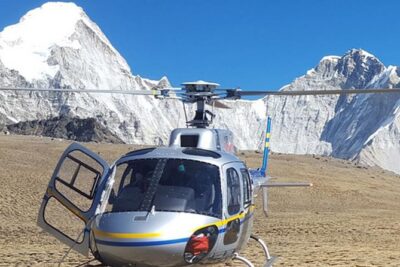
Everest Base Camp Helicopter Tour landing at Hotel Everest View
Read our review →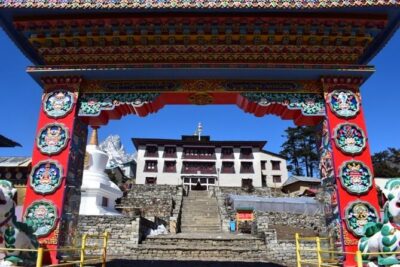
Browse the lists this tour appears in