
Reviewed · EVEREST BASE CAMP TREK
Everest Base Camp Trekking
If you want Everest without spending months on permits, timing, and local contacts, this kind of Everest Base Camp trek hits the sweet spot. You get a structured plan that covers the big moving parts, so your job is mostly to show up and get yourself in trek shape.
I especially like that permits and fees are included, along with tea house lodging and meals during the trek. I also like the human factor: you’ll be with an English-speaking guide the whole way, plus a porter setup designed to keep loads reasonable. The one drawback to consider is that this is a serious high-altitude hike where your fit level matters, and optional upgrades like hot showers, wifi, and battery charging are not part of the package.
Key Highlights I’d Block Time For
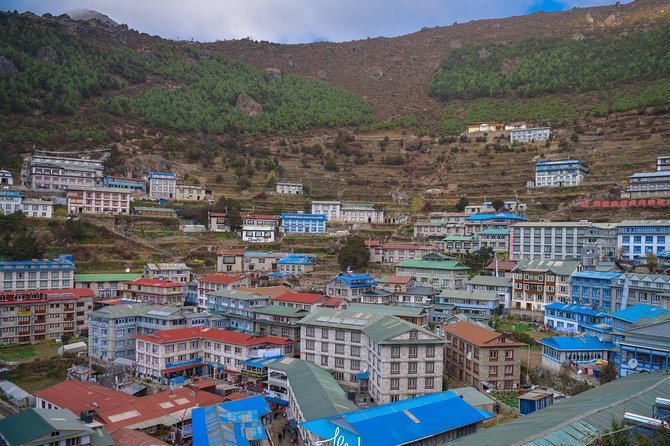
- Namche Bazaar and Sherpa culture right in the middle of the adventure, not as an afterthought
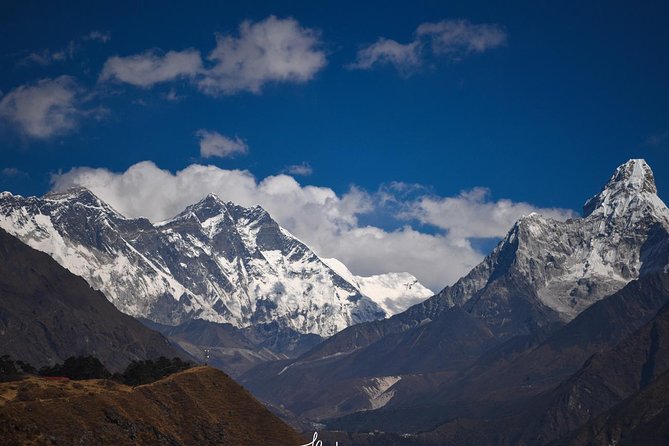
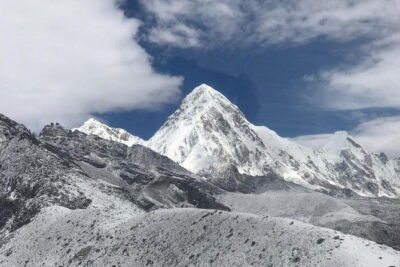
- Views of the Himalaya above 8,000m from along the route
- Kala Patthar plus Everest Base Camp on the same overall journey
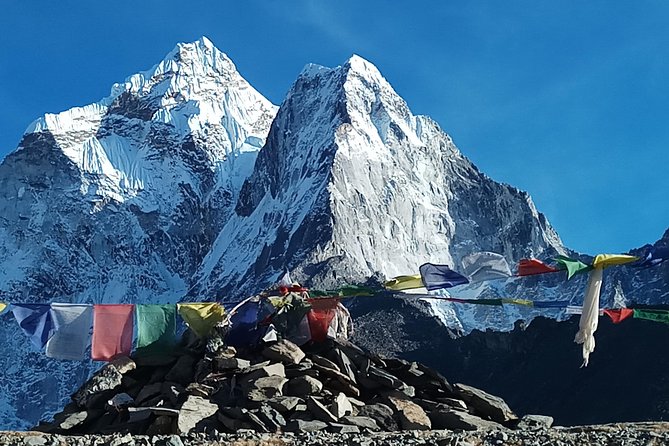
- Tengboche Monastery and prayer rituals, a cultural stop with big atmosphere
- Lukla flight thrills included, plus transport via Ramechhap
- Support that includes a porter ratio (2 trekkers per porter) to help with day-to-day comfort
What This Everest Base Camp Trek Does Well (and What It Means for You)
This trek is built for people who want Everest Base Camp, not a part-time job planning logistics. The operator handles the permits, national park fees, and the trekking paperwork, and it bundles core travel pieces like the round-trip flights between Kathmandu and Lukla, plus domestic airport transfers in Kathmandu. That matters because Everest-area permits and timing can feel like a maze once you start digging.
On the ground, the trip is paced around a tea house style route with 11 nights of basic accommodation during trekking and breakfast, lunch, and dinner while you’re on the trail. That’s a big practical win for your budget and mental load. You can also request a few key items like a sleeping bag, duffel bag, and a down jacket, which helps if you’re traveling light or renting gear at home feels risky.
Do note what’s not included. Kathmandu nights are not included, and you should plan on paying for meals in Kathmandu. Also, this package includes insurance, but emergency evacuation and helicopter costs are not covered as part of the listed inclusions. That doesn’t make the trek “unsafe,” it just means you should be honest about what kind of extra coverage you might want for personal risk.
More ways to walk to Everest Base Camp:
- Everest Base Camp Trek – 14 Days
★ 5.0 · 1,499 reviews - Everest Base Camp Trek
★ 5.0 · 842 reviews - Everest Base Camp Helicopter Tour landing at Everest View Hotel
★ 5.0 · 668 reviews
The “Route of Everest” Feeling, From Namche to the Big Views
The early part of this journey quickly places you in the Everest orbit. You start in Thamel, Kathmandu at 6:15 am, and then the trekking rhythm begins once you’re out on the route. The first named stop-style highlight is Namche Bazaar, the high-altitude market that’s known for trade, tea house life, and watching local life move.
From there, the itinerary builds toward the big elevation moments. You’ll pass through sections that emphasize the scenery of the world’s highest zone, including panoramic mountain views above 8,000m. This is not the kind of trek where you only see a few postcard frames. The route is designed so that each day tends to “pay you back” with views and cultural contact.
You also follow the path of major mountaineering history, specifically the route associated with Sir Edmund Hillary and Tenzing Norgay Sherpa. Even when you know the names already, walking their general footsteps gives you a stronger sense of place. It helps the experience feel grounded in human effort, not just altitude and photos.
A good caution: higher elevations mean you should take acclimatization seriously. Your guide will manage the schedule, but you still need to listen to your body, move steadily, and don’t treat altitude like a checkbox.
Sherpa Culture and Tengboche Monastery, Not Just Scenery
One of the most memorable things about Everest treks is that you’re not only walking through nature. You’re stepping into Sherpa culture and everyday mountain life. This trek explicitly calls out that you’ll learn about Sherpa lifestyle as you go, not just pass through villages on the way to a viewpoint.
A standout cultural moment is Tengboche Monastery. The itinerary notes a chance to seek blessings from a monk and to explore the monastery itself. That kind of moment tends to slow people down in a good way. It shifts the trek from exercise into experience.
If you care about the human side of the Khumbu region, this is where it shows. You get context for how religion, community, and mountain travel connect, and it also gives you a mental reset during the grindier days.
Practical note: monasteries often have dress expectations. Bring layers and keep your behavior respectful in and around sacred areas. Even if you’re moving quickly, it’s worth acting like you’re visiting a real place, not a photo set.
The Days That Lead to Base Camp (and the Stops That Make It Special)
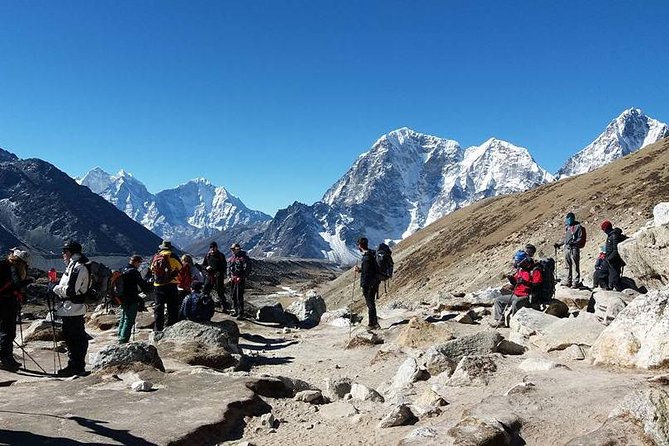
The trek is built around reaching Everest Base Camp and pairing it with a high-viewpoint day. Your guide meets you at the meeting point and then accompanies you throughout, explaining the cultural and natural values of what you’re seeing. That’s important because Everest-area landscapes can feel generic if no one explains what you’re looking at. With a guide, the same trail starts to feel readable.
Along the way, you’ll get a chance to follow a classic “big scenery” arc that culminates at base camp. When you finally set foot at the world’s popular Everest Base Camp, it’s usually not just the achievement. It’s also the atmosphere, the sense of scale, and realizing how far you had to travel for this one point on the map.
The itinerary also highlights:
- Everest Base Camp viewpoint time (your major landing moment)
- Kalapatther, known for close, dramatic views of Everest from a famous viewpoint
- A chance to visit the memorial hill of the deceased climbers
That memorial stop is worth taking seriously. It can feel heavy, but it adds honesty. Everest isn’t just spectacle. It’s also a place where risk is real, and people pay the cost.
Then there’s the Khumbu glacier mention. Even if you’re not a glaciology nerd, seeing glacier terrain changes how you understand the mountains. It’s one thing to look at peaks from a distance and another to understand the cold, slow machinery of ice.
More to compare around Kathmandu
- Private Kathmandu Sightseeing Tour | UNESCO World Heritage sites
★ 5.0 · 756 reviews - Kathmandu: 7 UNESCO Sites with Lunch
★ 4.8 · 744 reviews - Half day cooking class in Thamel kathmandu
★ 5.0 · 607 reviews - Everest Base Camp Trekking
★ 5.0 · 485 reviews
The Lukla Flight Factor, and Why Transportation Planning Matters
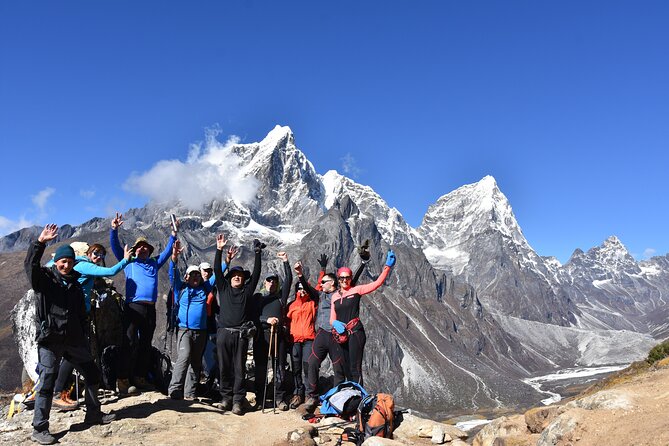
This package includes thrilling Lukla flights as part of the itinerary and covers the airfare in this pattern: Kathmandu (Ramechhap) to Lukla, then Lukla back to Kathmandu (Ramechhap). That’s a key value piece. Lukla flights are a known moving part, and when they’re included in a well-run plan, it reduces a lot of uncertainty for you.
The itinerary also includes domestic airport pickup and drop facilities in Kathmandu. That helps you start smoothly, especially since you’re beginning at Thamel. If you’ve ever tried to coordinate airports in a new city while jet-lagged, you know why this matters.
One consideration, based on how flight-based treks typically work: weather can affect small airports. This tour lists an insurance option as included, but it does not spell out flight-change handling details here. So I’d go in expecting that the team may have to manage timing when skies get tricky.
If you get nervous about air legs, focus on the bigger goal: the flights are part of the reason people fall in love with this region. You’re trading comfort for access, and that trade is usually worth it for Everest Base Camp.
Accommodation, Meals, Gear, and What You Should Pack Anyway
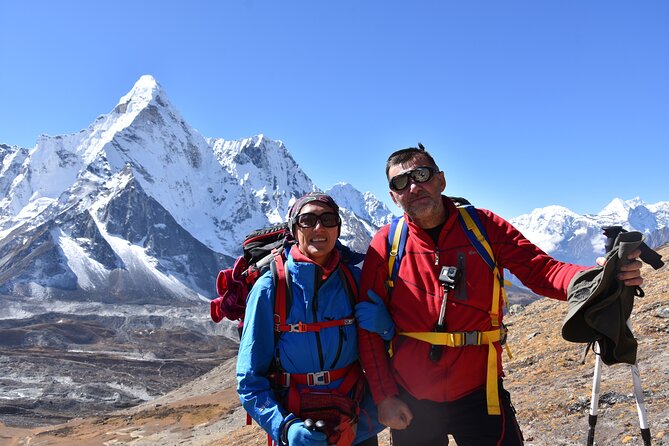
During the trek, you’ll have basic tea house accommodation for 11 nights, plus breakfast, lunch, and dinner. “Basic” is the right word here. Tea houses are functional, not luxurious. Plan for simple rooms, shared spaces, and the reality that you’re living at the mercy of what the mountains provide.
Food is included only during trekking, not in Kathmandu. That’s normal for most trekking packages, but it does mean you should budget for meals during your Kathmandu stay. If you want a vegetarian diet, there is a vegetarian option available when you book.
Gear support is helpful. You can request a sleeping bag, duffel bag, and down jacket. That’s especially useful if you’re traveling from abroad and don’t want to carry bulky items.
Still, don’t assume gear needs are fully solved. Hot showers, hot water, battery charging, and wifi are listed as not included. You should plan on charging where you can, saving your phone for photos and navigation, and carrying power banks if you’re the type who needs connectivity. Even if you don’t care about wifi, a dead phone near the top of a cold trail is just not fun.
Guides, Porters, and the Human Service That Gets Praise
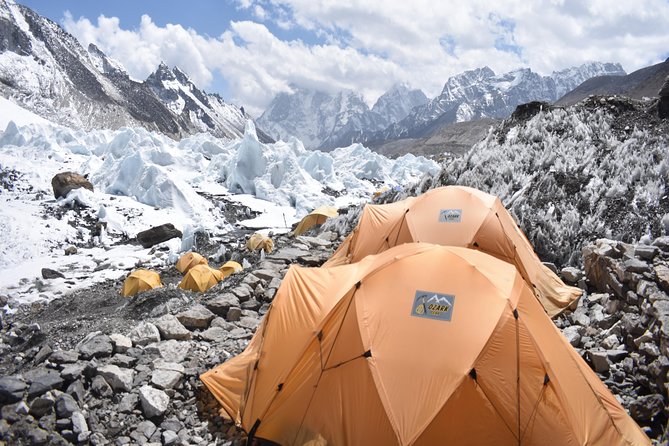
The reviews you provided underline one thing again and again: the people make the trek. The guide support is core to the program, not an add-on. You travel with an accredited, government-licensed English-speaking trekking guide, and there are porters with a listed ratio of 2 trekkers to 1 porter. That ratio can make a noticeable difference on long, high-altitude days.
You also get help that goes beyond just walking pace. The trip includes insurance and support for the guide and porters, and the operator provides food and accommodation to those staff members as part of the package. That’s a good sign for stability because it reduces the chance that a team is scrambling for basics while you’re hiking.
Specific guide and staff names came up in reviews. People praised guide Ram Dhakal for looking after the group throughout the journey. Others highlighted communication with the manager Nadin, and a guide named Dillip received strong praise for handling the trek well, especially for solo trekkers tackling a bucket list goal. When you see multiple reviews praising different staff members, it’s usually a sign the company is managing training and service quality, not just luck.
Price and Value: What You Pay For, and What You Still Own
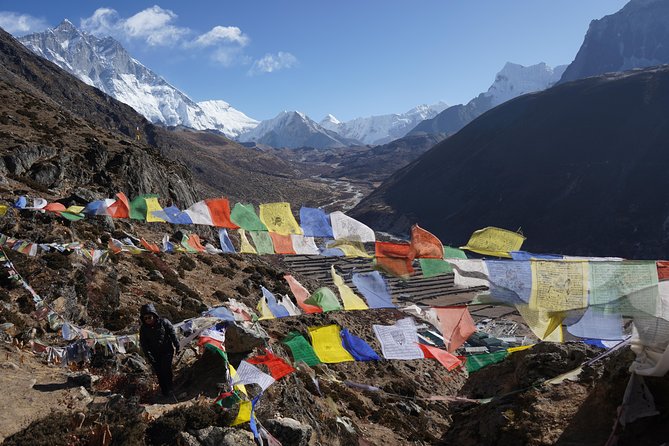
The price is $1,350 per person for an approximate 12-day trek, including major items like:
- Permits and fees (national park, VDC, TIMS, and applicable taxes)
- Tea house accommodation during trekking
- Meals while trekking (breakfast, lunch, dinner)
- Flights between Kathmandu (Ramechhap) and Lukla (round-trip)
- Guide and porter support, including the listed porter ratio
- Insurance coverage as part of the package
- Airport pickup and drop facilities in Kathmandu
- Trek maps and trekking certificates
So you’re not just paying for the hike. You’re paying for a managed flow of permissions, people, and logistics in a region where those things can take serious time to organize.
What you still pay for:
- Kathmandu meals, since only trekking meals are included
- Accommodation in Kathmandu, which is not included
- Personal trekking equipment
- Hot shower and charging conveniences during trekking
- Personal nature expenses like drinks and laundry
- And importantly, emergency evacuation expenses if something happens
My practical take: this price looks fair for what’s included, especially because permits and core meals and flights are bundled. But it’s only a true bargain if you’re comfortable with the tea house style level of comfort and you’re willing to bring smart personal items and plan on personal spending for snacks and convenience.
Also, the group size is listed as maximum 15 travelers. That tends to feel more personal than huge groups, and it usually helps with pacing and communication.
Who Should Book This Everest Base Camp Trek (and Who Should Rethink It)
This tour makes the most sense if you want:
- A guided experience where logistics and permits are handled for you
- A solid structure for reaching Everest Base Camp and getting to Kalapatther
- A culture-forward trek with Sherpa lifestyle context and Tengboche Monastery
- Tea house trekking with meals included, so you don’t have to micromanage snacks and meals every day
It might be less ideal if:
- You need lots of creature comforts like wifi and charging every day
- You’re unwilling to do high-altitude walking and would rather keep it gentler
- You expect Kathmandu lodging to be included (it is not)
- You’re not comfortable arranging personal safety coverage beyond what’s listed
The tour explicitly states travelers should have strong physical fitness. That’s not marketing fluff. Everest-area treks are physically demanding. If you’re unsure, train more than you think you need, and consider speaking with a medical professional if you have any concerns about altitude.
Should You Book It, or Look Elsewhere?
If your goal is Everest Base Camp and you want a plan that handles the big moving parts, I’d say this is a strong option. The biggest reason: you’re buying simplicity and accountability, with permits, tea house stays, meals, guide and porter support, and Lukla flights built in. Add the fact that multiple reviews praise the guides and communication, including Ram Dhakal, manager Nadin, and Dillip, and you get a picture of service that’s more than just paperwork.
Go for it if you’re ready for tea house basics, you can handle the altitude walking, and you want real cultural stops like Tengboche. Consider budgeting extra for Kathmandu comfort and planning for personal safety coverage, especially around evacuation.
If you’re on the fence because of timing, the trek lists free cancellation up to 24 hours in advance for a full refund. That flexibility can help you lock in a plan without feeling trapped.
FAQ
FAQ
Where is the trek start and end point?
The start is Thamel, Kathmandu 44600, Nepal, and the activity ends back at the same meeting point.
What time does the tour start?
Start time is 6:15 am.
How long is the Everest Base Camp trek?
It is listed as 12 days approximately.
What is included in the tour price?
Included items include 11 nights basic tea house accommodation during trekking, breakfast, lunch, and dinner during trekking, airfare Kathmandu (Ramechhap)-Lukla-Kathmandu (Ramechhap), a licensed English speaking trekking guide and porter support, insurance, national park and permit fees, a trekking map, and trekking certificates.
Are airport transfers included in Kathmandu?
Yes, domestic airport pickup and drop facilities in Kathmandu are included.
Do I need to arrange permits and park fees?
No. National Park fees, VDC fees, TIMS fees, and other applicable taxes are included.
Is accommodation in Kathmandu included?
No. Accommodation in Kathmandu is not included, and meals in Kathmandu are also not included.
What about vegetarian food?
A vegetarian option is available, and you should advise at the time of booking.
Do they provide gear?
Sleeping bag, duffel bags, and a down jacket can be provided upon request during trekking.
Is emergency evacuation included?
Emergency evacuation expenses are not included, and personal insurance is also not included for medical, accidental, or rescue costs such as helicopter.
Latest Kathmandu write-ups
- Langtang Valley Trek★ 5.0 · 3 reviews
- Khopra Danda Trek★ 5.0 · 3 reviews
- Langtang Valley Trek from Kathmandu★ 5.0 · 3 reviews
- 5 night / 6 days Kathmandu Nagarkot Chitwan Pokhara tour★ 5.0 · 3 reviews
- Nepal Highlights Tour: 5 Nights 6 Days Kathmandu & Pokhara Tour★ 5.0 · 3 reviews
- Kathmandu Valley Private Day Tour★ 5.0 · 3 reviews
- Conquer the Himalayas: The Ultimate 16-Day Annapurna Circuit Trek★ 3.5 · 3 reviews
- Kathmandu Heritage Day Tour★ 5.0 · 3 reviews
Everest Base Camp Trek, compared.

Everest Base Camp Helicopter Tour landing at Everest View Hotel
Read our review →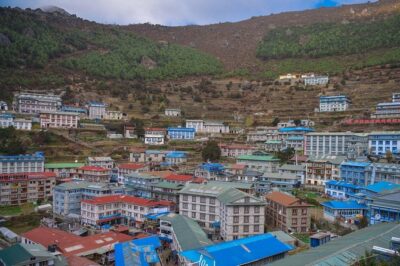
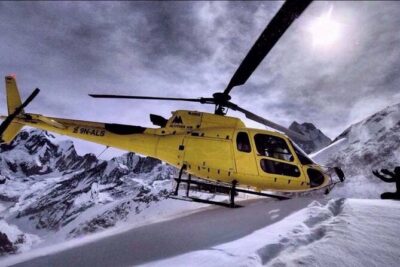
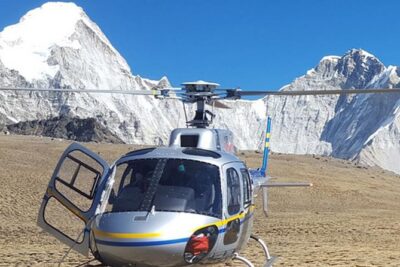
Everest Base Camp Helicopter Tour landing at Hotel Everest View
Read our review →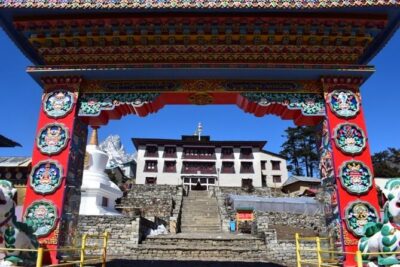
Browse the lists this tour appears in