
Reviewed · EVEREST BASE CAMP TREK
Everest Base camp Trekking
Everest Base Camp trekking stays interesting because you trade Kathmandu bus fumes for Sherpa villages, then you climb day by day toward the roof of the world. I love the Kathmandu pickup and welcome dinner setup, which makes day one feel organized instead of chaotic. I also love that a government license holder professional guide leads the group, and you might get someone like Raju keeping the pace sensible.
The main consideration is altitude. Even with acclimatization days in Namche Bazaar and Dingboche, cold, thin air, and slow effort are part of the deal, so you need moderate fitness and patience.
Key things I’d spotlight before you go
- Small group size (max 10): easier movement, fewer coordination headaches, and more personal attention.
- Acclimatization built in: Namche and Dingboche stopovers help you climb smarter, not faster.
- Tea-house nights on a BB plan: comfortable enough for the route, with breakfasts included while meals and drinks are on you.
- A real guiding team: licensed guide support plus included guide staffing details like food, accommodation, salary, insurance, and equipment.
- Service with names attached: people in the crew you might meet include Dipendra (Dip), Deep, Raju, DB, Kumar, and porter Yambo.
Everest Base Camp Trek: the real appeal of going all in
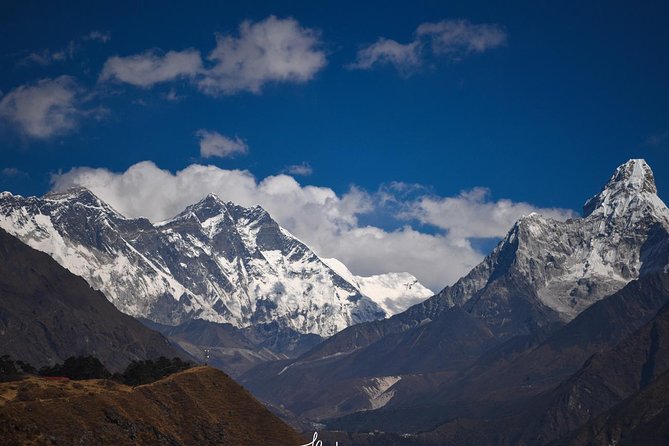
Everest Base Camp is famous for a reason. You get the big, cinematic Everest view moments, but the trek wins because it’s paced like a human journey, not a speedrun. One day you’re walking past terraced fields and Sherpa bazaars, the next you’re breathing noticeably thinner air while the mountains get louder in your head.
What you’re buying here is a guided, structured climb with built-in rest days. That matters on this route, because the most common mistake is going too hard too early. The trek also runs through Sagarmatha National Park, so it’s not only about Everest photos, it’s also about spending time in a protected high-mountain environment.
And yes, the route is popular. That also means you’ll find plenty of tea houses and fellow trekkers, so you’re never totally on your own. Still, popularity does not make the challenge easy, so plan your mindset like you’re doing an expedition, not a casual hike.
More ways to walk to Everest Base Camp:
- Everest Base Camp Trek – 14 Days
★ 5.0 · 1,499 reviews - Everest Base Camp Trek
★ 5.0 · 842 reviews - Everest Base Camp Helicopter Tour landing at Everest View Hotel
★ 5.0 · 668 reviews
Kathmandu day one: pickup, hotel base, and a clear game plan
You arrive in Kathmandu at about 1,300 m, then you get picked up from Tribhuvan International Airport and transferred to your hotel. In the afternoon, there’s a trip discussion with trek leaders, so you can ask practical questions before you start climbing. There’s also a welcome dinner at a typical Nepali restaurant with cultural shows, which is a nice way to start in a relaxed setting after travel.
This matters because Kathmandu can feel like controlled chaos. The more your logistics are sorted up front, the more you can focus on the one thing you can control, your early preparation.
From what I’ve seen in this company’s approach, the owner team is active and reachable before the trek starts. People mention pre-booking conversations with Deep, plus ongoing support from Dipendra (Dip). If you’re the type who likes answers written down and confirmed, this kind of hands-on style tends to reduce stress fast.
Day 2 to Phakding: the Lukla jump-off and why the first steps count
Day 02 includes the flight from Kathmandu to Lukla, then you trek onward to Phakding. You’ll be moving from Lukla downrange into a walking day that’s about 8 km and roughly 3 to 4 hours, with a destination around 2,651 m.
This first trek leg is your warm-up for how the Khumbu route works. You’re usually still feeling energetic, but you’re also learning how quickly the altitude can turn “easy” into “effort.” Keep your pace steady, drink water, and avoid the urge to show off on day one.
A key practical point: on this route, your “fitness” is not only lungs, it’s also legs and rhythm. The best mornings feel like consistent steps and controlled breathing, not heroic climbs.
Phakding to Namche Bazaar: the climb that sets your tempo
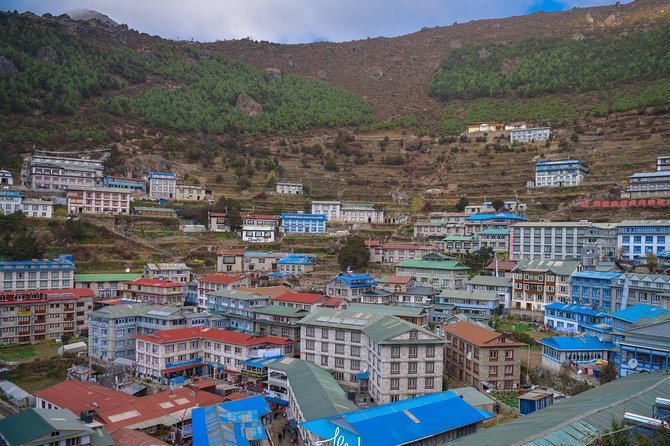
On Day 03 you trek from Phakding to Namche Bazaar, about 11 km and 5 to 6 hours, landing around 3,438 m. Namche is a major hub in the Khumbu region, so you get a real shift in energy and services as altitude increases.
By the time you arrive, you’re not just arriving in a town. You’re arriving in the high-altitude version of civilization, with tea houses, shops, and a pace that makes more sense. Namche is where you start feeling the thin air in day-to-day tasks, like carrying your pack to lunch.
Also, it’s a good place to notice your body’s signals. If you’re getting headaches or your appetite is weird, that’s a clue to slow down even more, not to push through and hope.
More to compare around Kathmandu
- Private Kathmandu Sightseeing Tour | UNESCO World Heritage sites
★ 5.0 · 756 reviews - Kathmandu: 7 UNESCO Sites with Lunch
★ 4.8 · 744 reviews - Half day cooking class in Thamel kathmandu
★ 5.0 · 607 reviews - Everest Base Camp Trekking
★ 5.0 · 485 reviews
Namche acclimatization day: rest that actually has a purpose
Day 04 is an acclimatization day in Namche Bazaar. This is one of the smartest parts of the trek plan because it gives your body time to adjust to the climb without stacking another long hiking day on top.
Acclimatization days can feel like “wasted time” if you’re impatient. But on an Everest Base Camp trek, time is what saves you. The goal is to keep your ascent gradual, so your body can catch up to the altitude you’re already living at.
This stop also helps you mentally. You can check gear, organize what you’ll carry, and learn how cold nights are when you’re sleeping at elevation. Your energy often rebounds on day 4 once you stop thinking every day must be a big push.
Namche to Tengboche: monasteries and a more spiritual walking rhythm
Day 05 takes you from Namche to Tengboche, about 10 km and 5 to 6 hours, with Tengboche around 3,870 m. Tengboche is known for its Buddhist monastery setting, and the route through here often feels calmer than the big climb days.
This is a good day to savor the culture as much as the views. You pass through Sherpa villages and Buddhist sites, so you get a sense of how mountain life actually works, not just how it looks in photos.
Practically, it’s still strenuous. Don’t let the cultural highlights trick you into forgetting your pacing. Keep moving steadily, take breaks when you need them, and treat the day like a controlled effort session.
Tengboche to Dingboche: where altitude becomes real work
Day 06 moves you to Dingboche, trekking around 9 km and 5 to 6 hours. You’ll reach about 4,360 m, and this is where you may feel your breathing working harder even on steady sections.
Dingboche is also where the trek’s altitude logic becomes very clear. The route is still manageable, but it’s no longer about “can I do this?” It becomes “can I do this at the right effort level?”
You’ll likely notice that your legs take longer to warm up, and small tasks like washing up feel slower. That’s normal here. What matters is you keep your hydration and eat enough to function, even if your appetite isn’t perfect.
Dingboche acclimatization: the second big safety valve
Day 07 is another acclimatization day, this time in Dingboche. On Everest Base Camp treks, this second rest day is a big part of staying functional for the higher altitudes that come next.
If you’ve ever rushed your way through a mountain trip, this is your chance to do it smarter. Use the day to rest, take short walks only if you feel good, and focus on sleep quality. Cold temperatures also matter more at this elevation, so getting your night routine right can make the next day feel easier.
This is also a great time to ask your guide questions about how you’re feeling. With a licensed guide and a small group, you should be able to discuss your plan without feeling rushed or ignored.
Dingboche to Lobuche: short distance, high consequence
Day 08 takes you from Dingboche to Lobuche, about 7 km and around 5 to 6 hours, reaching roughly 4,940 m. The distance is shorter than some earlier days, but the time can still stretch because altitude makes everything slower.
This day is often where people realize that “short trek” does not mean “easy trek.” The climb and the air pressure can turn what looks like a manageable hike into a long, careful slog.
If you’re conserving energy, this is a good place to do it. The goal is to arrive feeling like tomorrow is possible, not like you already used up all your strength today.
Lobuche to Gorak Shep and Everest Base Camp: the part you came for
Day 09 takes you from Lobuche to Gorak Shep, with an elevation around 5,170 m. You’ll then continue to visit Everest Base Camp in the higher region.
Even without getting lost in numbers, this is the emotional center of the trek. The world’s highest mountain becomes more than a concept, and your effort starts to feel worth it in a very tangible way.
At these altitudes, movement requires more thought. Your breathing changes, your pace drops, and it’s easy to get cold. Stay focused on your rhythm and listen to your guide. If you feel off, you don’t win by pushing harder, you win by staying safe.
Tea houses, sleeping bag and down jacket rentals, and the BB reality
The trek includes 10 nights of accommodation in tea houses with a bed and breakfast plan. That means you’ll get a place to sleep and breakfast, but meals and drinks are not included.
This setup is common on the Everest trail and usually works well. Tea houses are basic but functional, and you’re not spending energy worrying about where you’ll sleep each night. Still, because dinners are not included, you’ll want to keep some budget for food beyond breakfast.
The package also includes a sleeping bag and a down jacket on rent. For many people, that’s a big value point, because buying suitable gear for one trip can get expensive. Even so, this is a good reminder to confirm sizing and condition before you start, since the cold can be unforgiving.
Sagarmatha National Park and Sherpa culture: more than a photo stop
You pass through Sherpa villages and bazaars, along with Buddhist monasteries and white river scenery during the trek. You also spend time inside Sagarmatha National Park, which adds a nature angle beyond just the Everest storyline.
This is where the trek becomes culturally grounded. Sherpa life is not a backdrop, it’s the rhythm of daily walking, trading, building, and caring for a mountain-powered community.
You’ll also see rare plants, animals, and birds if you’re lucky and observant, especially around different elevations where the environment shifts. The guide can help you notice what’s worth looking at, even if you’re mainly focused on getting through the day.
Price and value: what $1,340 covers, and what can add up
The price is $1,340 per person for an approximately 14-day trek, with a small-group cap of 10 people. That’s not cheap, but it’s also not unusual for a guided Everest Base Camp trip, especially when you factor in guide staffing and equipment support.
Here’s the value math based on what’s included:
- 10 tea-house nights with bed and breakfast
- sleeping bag and down jacket rental
- national park fees and local taxes
- licensed government guide, with the guide’s food, accommodation, salary, insurance, and equipment covered
- hotel pickup and drop-off
- mobile ticket
What can cost extra:
- meals and drinks (outside breakfast)
- travel insurance (required)
- Nepal visa fees
- tips to guide and staff
- if you need a non-English speaking guide, there is an added $250 per group extra cost
Also note the maximum age is 10 years, and the minimum age is 10. If you’re planning with a child, double-check whether the group pace and altitude days match what you want.
Service style that keeps the trek feeling manageable
One of the most praised parts of this company is how responsive and supportive the owner and leaders seem to be. People talk about meeting Dipendra (Dip) in Kathmandu, getting help before the trek starts, and having the team manage details both during the walk and after.
You may also meet guides such as DB, Raju, or Kumar, and porters like Yambo, depending on your dates. When a group is small and the guiding team is steady, you usually get fewer surprises, smoother decision-making, and better handling of small problems that happen at altitude.
That attention is not only about comfort. On Everest routes, small issues can become big issues. If your guide is watching your pace, your hydration, and how you’re adapting, you’re more likely to finish feeling proud instead of wrecked.
Who should book this Everest Base Camp trek
This trek fits best if you want the classic Everest experience with structured acclimatization and a guide-led plan. If you like clear schedules, tea-house trekking, and a small group experience, you’ll probably feel comfortable with how it’s set up.
It may not be a great match if you want a lightweight, no-guidance hike. This route runs on altitude planning and pacing, and you’re required to have travel insurance that covers medical expenses including emergency evacuation.
This is also best for people with moderate physical fitness. If you’ve never hiked hills for several days in a row, you might want to train first and build confidence with a few long walks close to home.
Should you book this Everest Base Camp trek?
If your top priority is a guided, organized Everest Base Camp experience with acclimatization days and a small group, I’d say it’s a solid choice. The included support for the licensed guide, tea-house nights, and rented sleeping bag plus down jacket makes the package feel more “handled” than DIY.
Before you book, do a quick reality check:
- Can you handle cold and slow effort at altitude?
- Do you have travel insurance that includes medical and emergency evacuation?
- Have you budgeted for meals and drinks beyond breakfast, plus visa fees and tips?
If you answer yes to those, you’re likely to get the kind of trek that leaves you thinking about the mountains long after your socks dry out.
FAQ
What is included in the Everest Base Camp trekking package?
The package includes 10 nights of tea house accommodation on a bed and breakfast plan, a sleeping bag and down jacket rental, national park fees and local taxes, a government licensed professional guide with his food, accommodation, salary, insurance, and equipment covered during the trekking period, and hotel pickup and drop-off.
Are meals and drinks included?
No. Meals and drinks are not included. The tea house accommodation is listed as bed and breakfast, so breakfast is included, but you’ll need to cover the rest separately.
Do I need travel insurance?
Yes. Travel insurance that covers medical expenses, including emergency evacuation, is required to participate. You must show proof of insurance to the tour leader on the first day.
How many people are in the group?
This tour has a maximum of 10 travelers.
Is there an extra cost for a non-English speaking guide?
Yes. There is an extra cost of USD 250 per group if you need to hire a guide who is different than English speaking.
What if I need to cancel?
You can cancel for free up to 24 hours in advance for a full refund. If you cancel less than 24 hours before the experience starts, the amount paid is not refunded.
Latest Kathmandu write-ups
- Langtang Valley Trek★ 5.0 · 3 reviews
- Langtang Valley Trek from Kathmandu★ 5.0 · 3 reviews
- Khopra Danda Trek★ 5.0 · 3 reviews
- 5 night / 6 days Kathmandu Nagarkot Chitwan Pokhara tour★ 5.0 · 3 reviews
- Nepal Highlights Tour: 5 Nights 6 Days Kathmandu & Pokhara Tour★ 5.0 · 3 reviews
- Kathmandu Valley Private Day Tour★ 5.0 · 3 reviews
- Kathmandu Heritage Day Tour★ 5.0 · 3 reviews
- Conquer the Himalayas: The Ultimate 16-Day Annapurna Circuit Trek★ 3.5 · 3 reviews
Everest Base Camp Trek, compared.



Everest Base Camp Helicopter Tour landing at Everest View Hotel
Read our review →


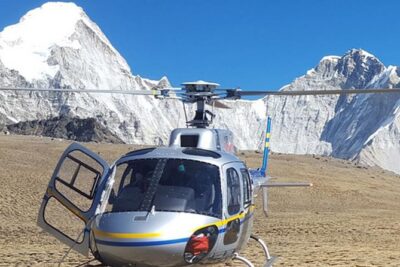
Everest Base Camp Helicopter Tour landing at Hotel Everest View
Read our review →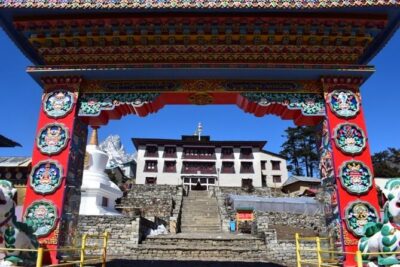
Browse the lists this tour appears in