
Reviewed · EVEREST BASE CAMP TREK
From Kathmandu: 12-Day Everest Base Camp Guided Trekking
Everest Base Camp sounds famous for a reason, but what makes this trek especially interesting is the mix of big-gauge scenery and real trail rhythm. You start with the classic early flight to Lukla, then work your way through Sherpa towns, viewpoints, and high-altitude tea house life until you reach Everest Base Camp and the photo powerhouse at Kala Patthar.
Two things I like a lot here. First, you get real guidance from an English-speaking team, including named guides like Padam, Nishan, and Rohan, plus support that helped travelers feel safe even in tougher December conditions. Second, the trip is built around smart timing for altitude, including acclimatization stops in Namche Bazar and Dingboche instead of pushing too hard too fast.
One possible drawback to plan for: it is a lodge-based trek in cold season conditions, with nights at altitude that can feel rough, especially in December. Also, meals are not included, so you need to budget day-to-day while you’re up high.
Key Things That Make This Everest Base Camp Trek Work
- Experienced English guides who adjust the trek to you, based on how you’re doing that day
- Small group size (up to 15) so you are not stuck in a moving crowd all day
- Altitude plan with acclimatization days in Namche Bazar and Dingboche
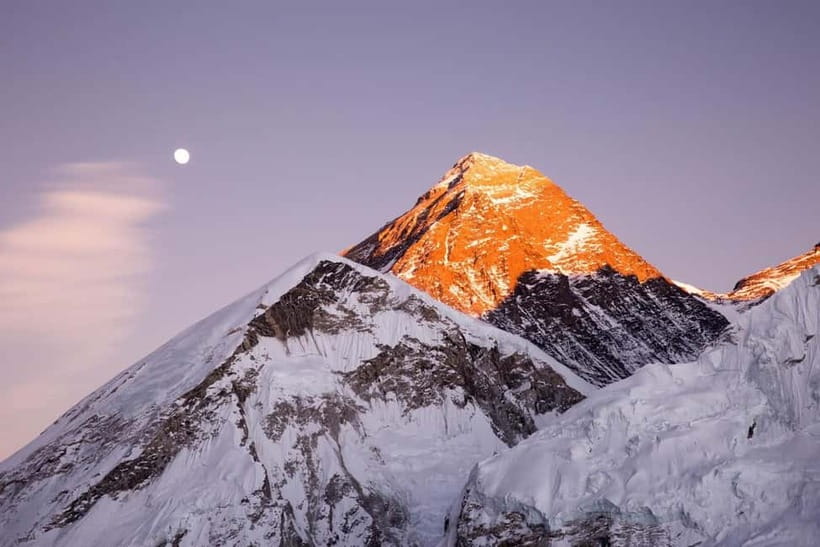
- Everest Base Camp plus Kala Patthar for the two best viewpoint moments
- Permits and Sagarmatha National Park fees included, plus TIMS card fees
- Lukla flights bookend the trek, with airport transfers from Kathmandu hotels
First Day Reality Check: Kathmandu to Lukla and Phakding
Your trek starts in Kathmandu with hotel pickup and a transfer to Tribhuvan International Airport. Then comes the early flight to Lukla. It’s quick, it feels a bit dramatic, and it instantly drops you into the Khumbu mindset: you’re on mountain time now.
Once you land in Lukla, you transfer to the start point and hike to Phakding. This is a good first stretch because it lets your legs wake up without asking for heroics. You’ll sleep in a tea house lodge, which is exactly what you want on day one. It sets expectations for the rest of the trek: simple rooms, basic comfort, and you eating what’s available where you are.
Practical note: this trip does not allow luggage or large bags. You’ll want to travel light from day one, using what the trek gives you (like the provided duffle bag if requested).
More ways to walk to Everest Base Camp:
- Everest Base Camp Helicopter Tour landing at Everest View Hotel
★ 5.0 · 668 reviews - Gokyo to Everest Base Camp Trek
★ 5.0 · 113 reviews - Everest Base Camp Trek
★ 5.0 · 97 reviews
Day 2 to Namche Bazar: The Trail Gains Altitude Fast
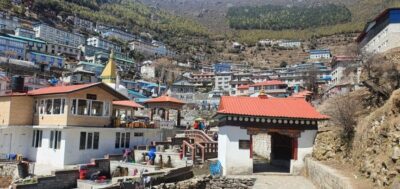
Day two is the push from Phakding to Namche Bazar, which sits at about 3,440 meters. Namche is where the trek starts to feel like the real Khumbu, not just a hike through valleys. You get views that make you slow down, even if your legs want to move faster.
You stay overnight in Namche Bazar, again in tea house style lodging. This matters because you’re not sleeping at random roadside spots. You’re in a town that caters to trekkers, so your day is easier to manage and you can find what you need for the next day.
Day 3 Acclimatization in Namche: One Day You Will Thank Yourself For
Instead of marching higher immediately, you get a rest day in Namche Bazar to acclimatize. This is one of the best parts of the overall structure. At altitude, the difference between a smart plan and a rushed plan is how you feel, not just where you sleep.
On paper it’s a rest day. In real life it becomes a chance to get your bearings, walk a little if you feel good, and steady your breathing. You also get a second overnight in Namche, giving your body time to adjust before you hit higher villages.
Day 4 to Tyangboche: Viewpoints and the Rhododendron Season Feel
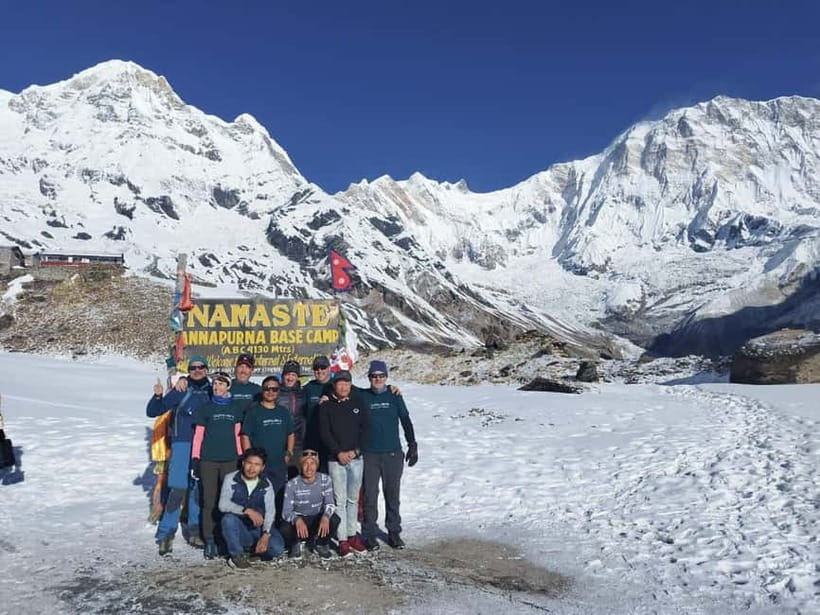
Day four hikes to Tyangboche, at roughly 3,867 meters. This is a classic stretch for people who want a mix of effort and payoff. You’re higher, the air is thinner, and the scenery starts to look more “Himalaya” and less like a foothills hike.
On day five you’ll leave Tyangboche and move through areas that can feel especially atmospheric in season, including rhododendron forest scenery. You’ll cross a suspension bridge over the Imja Khola, and then head toward Minlinggo as the valley opens up under major peaks.
The trail is never only about distance. It’s about moments: bridges, turns in the trail, and sudden views when the weather cooperates.
More to compare around Kathmandu
- Kathmandu: 7 UNESCO Sites with Lunch
★ 4.8 · 744 reviews - Kathmandu: Local Women-Led Nepali Cooking & Momo Class
★ 4.9 · 360 reviews - Manaslu Circuit Trek
★ 5.0 · 292 reviews - Kathmandu: Food and Drink Walking Tour
★ 4.9 · 292 reviews
Dingboche Day 5 and Day 6: Ama Dablam Country and Another Altitude Buffer
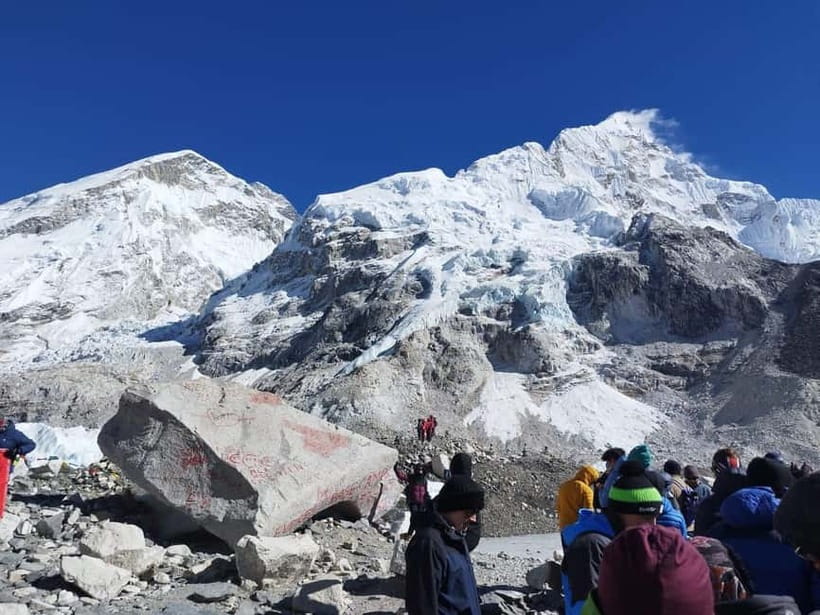
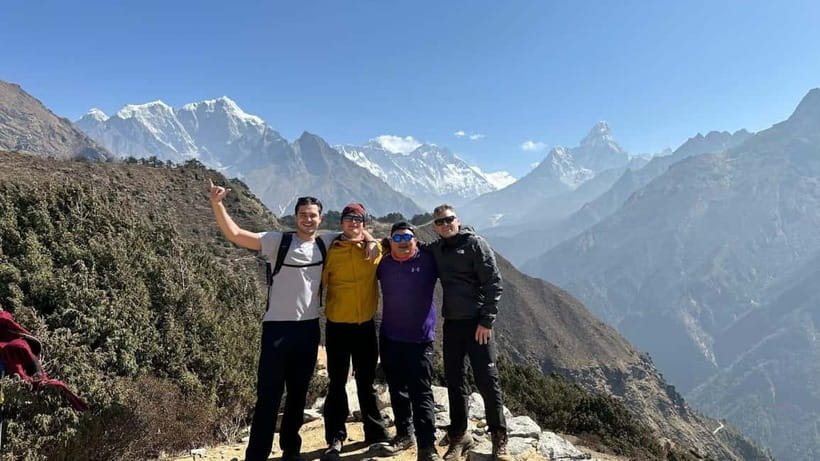
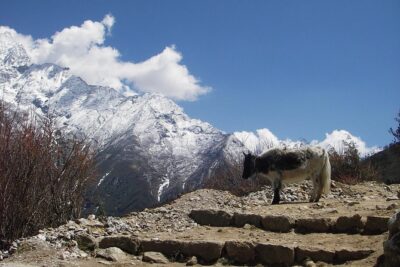
By the time you reach the Dingboche area (about 4,260 meters), you’re deep into the zone where mountains dominate your day. This stretch routes you under the big names you came for, including Ama Dablam, Nuptse, and Lhotse.
You spend the night in Dingboche, then take another acclimatization day there. This second slow day is not wasted time. It helps your body handle the move toward higher places like Lobuche and the final push to Gorakshep.
I also like that the guide is there to keep you practical. In real mountain trekking, “how fast” is usually the biggest mistake people make. Having a leader who watches how you’re doing and adjusts keeps this experience from turning into a grind.
Day 7 to Lobuche: Getting Close, Then Staying Focused
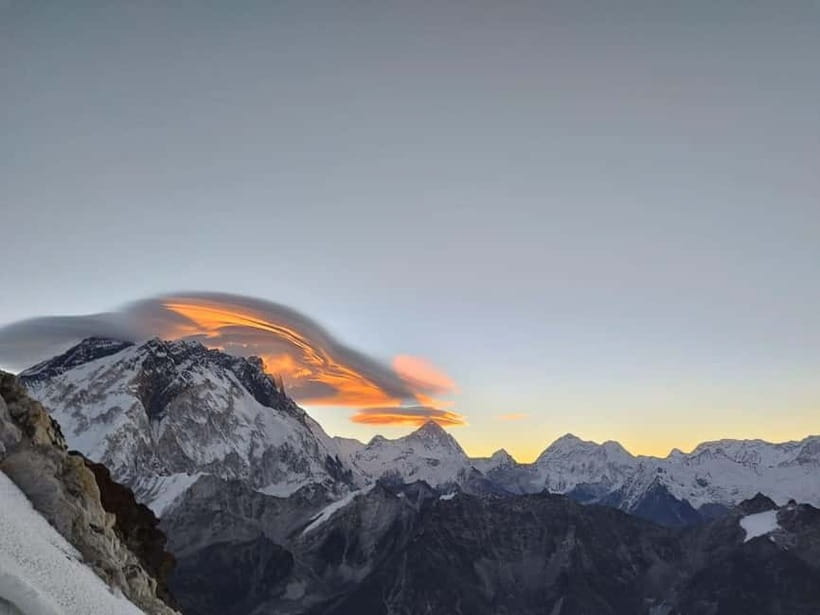
Day seven is a hike from Dingboche to Lobuche, with a schedule that includes a stop for lunch in Dugla. Lobuche sits at about 4,930 meters, so you’re climbing into a zone where breath control starts to matter more than just leg strength. Plan on a steady pace, not a sprint.
Again, you sleep in tea house lodging. At these altitudes, the “where you stay” is part of the whole system. It’s not luxury, but it’s functional, and it keeps you on the organized path toward Everest Base Camp.
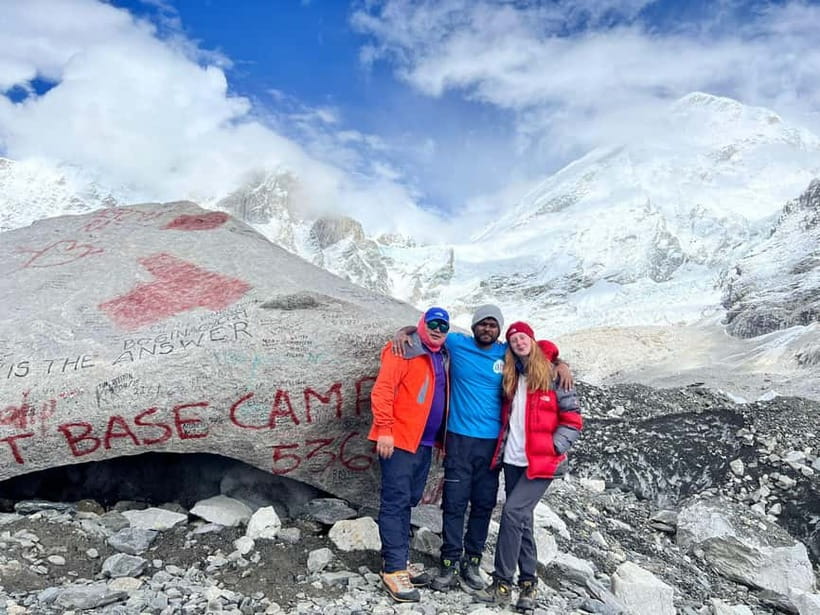
Day 8 to Everest Base Camp: Gorakshep to 5,364 Meters
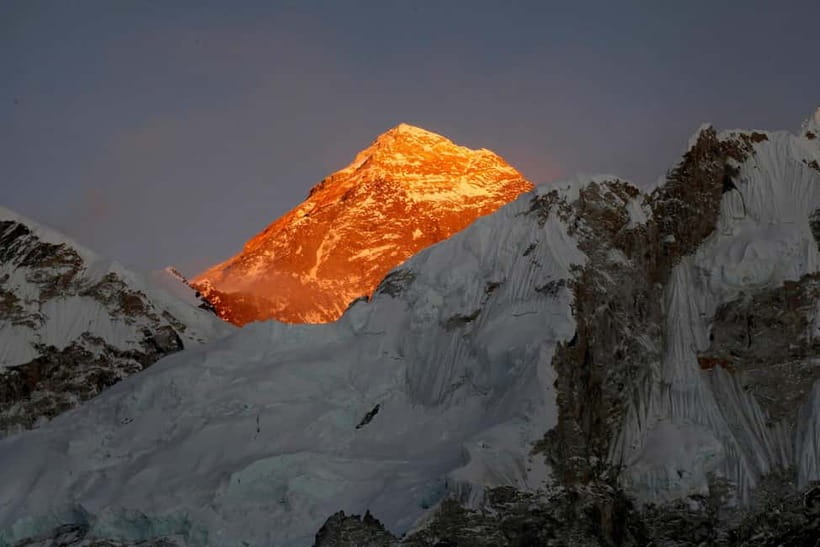
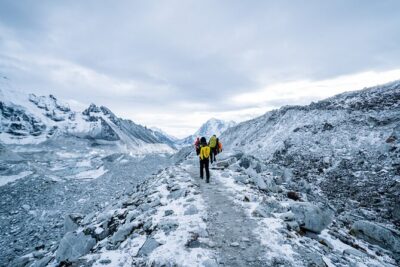
Day eight is one of the most satisfying segments of the whole trip. After breakfast in Lobuche, you trek toward Everest Base Camp via Gorakshep. You’ll follow rocky paths with views that can feel intense, including the Khumbu glacier.
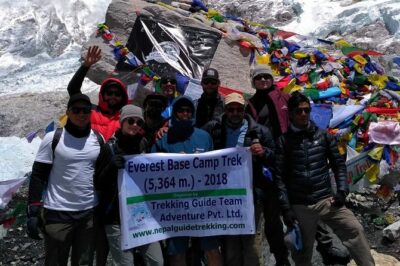
Everest Base Camp sits at about 5,364 meters, so this isn’t “take a selfie and cruise.” It’s a high-altitude walk where the mountain can feel very close, sometimes bigger than your brain wants to process.
You then make your way back to Gorakshep to sleep. This matters because tomorrow’s viewpoint plan depends on how your body held up today. If you go too hard to reach Base Camp, you’ll feel it on the way to Kala Patthar.
Day 9 Kala Patthar: The Viewpoint That Makes the Hard Parts Feel Worth It
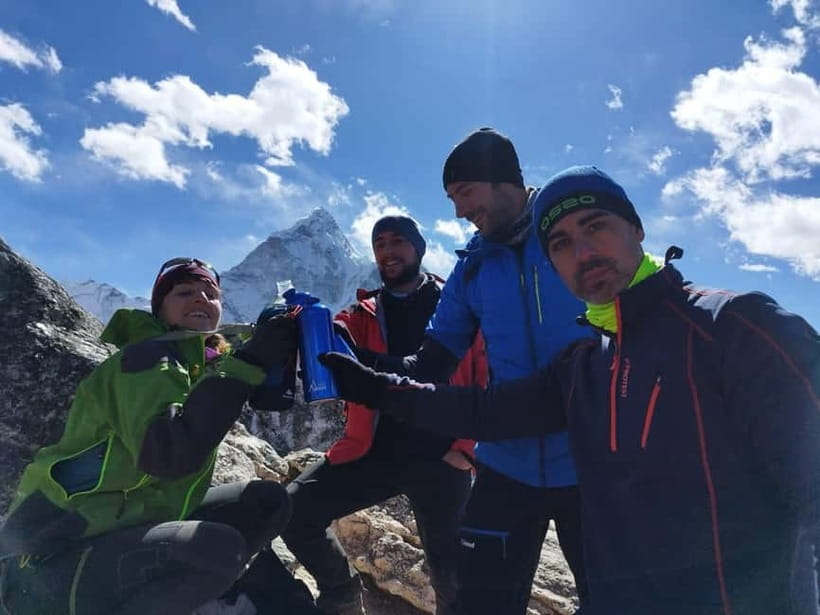
On day nine you hike from Gorakshep to Kala Patthar (about 5,545 meters) and then continue to Pheriche (around 4,243 meters). Kala Patthar is where the route turns into a true “wow” moment for most people.
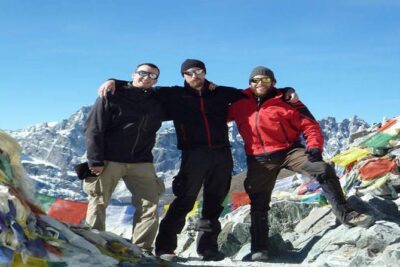
From this height, you’re chasing the classic panorama angle of Everest and the surrounding region. Even if you know the photos, this is still different in person. The air is thin, the light can be dramatic, and everything feels sharper.
Then you descend to Pheriche for your tea house night, which is a relief. The descent helps your body reset after a big summit-style day.
Day 10 to Day 11: The Descent Back Through Tyangboche and Namche
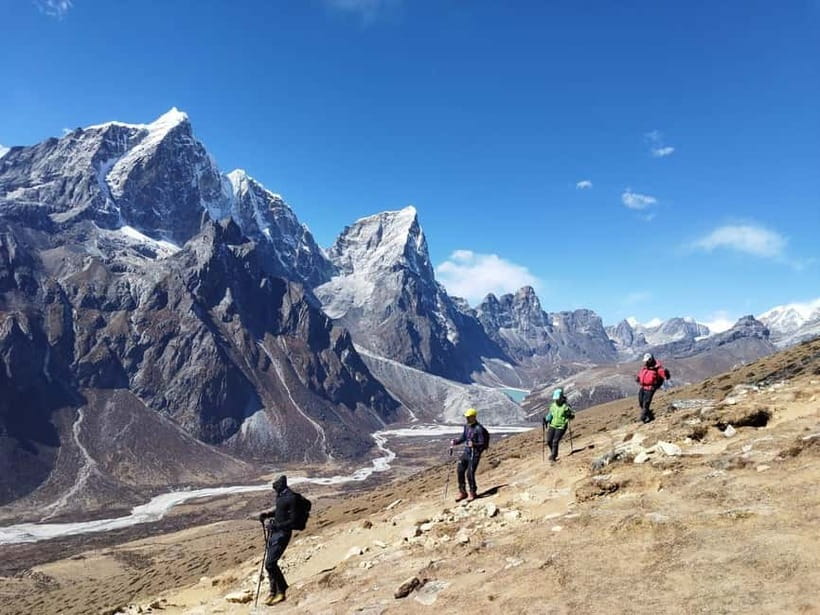
You start descending from day ten, heading from Pheriche toward Tyangboche and then continuing on toward Namche Bazar. You’ll spend the night in Namche again.
This part is about regaining normal hiking legs, but it’s also about staying careful. Descents can be tough on knees. The best guides keep the pace sane and remind you to place your steps like you mean it.
On day eleven, you continue the plan back to Lukla and spend your last night there. It’s a strange feeling. You’re relieved, but you’re also still processing what you’ve seen.
Day 12: The Scenic Flight Back to Kathmandu
Early morning you board your flight back to Kathmandu. Then you’ll be transferred to your hotel by the tour representative.
There’s also a real-world detail worth mentioning from the field: one traveler described a situation where their flight plan shifted to a helicopter due to weather, and it was handled professionally. Weather is always a factor in the Himalaya, but having a team that can adapt matters.
Guides and Guides Matter: Padam, Nishan, Rohan, and the Safety Factor
The strongest praise in the provided feedback centers on the human side of the trek. People called out guides like Padam, Nishan, and Rohan for being supportive, positive, and experienced in dangerous conditions.
One highlight that I think you’ll feel quickly on the trail is how guides influence pacing and decision-making. If you’re adjusting to altitude, a leader who stays attentive and keeps you safe changes the whole experience. A laughing group helps too, and multiple travelers noted a sense of humor even during hard moments.
There’s also an important behind-the-scenes role mentioned by travelers: a manager named Hari helped with preparation. That kind of support makes a difference before you even step into the mountains.
Price and Value: What You Pay For, What You Still Budget
The price is listed at $1,002 per person for a 12-day guided trek. That number matters, but what matters more is the breakdown of what’s included.
What’s included
- Airport pickup and drop-off in Kathmandu (hotel pickup is available in Kathmandu, Bhaktapur, and Lalitpur)
- Domestic return flights between Kathmandu and Lukla
- Tea house lodge accommodations during the trek
- English live guide, plus guide insurance, food, salary, and transportation details
- Sagarmatha National Park permit and fees, plus TIMS card fees
- Porter-related gear support if needed, like a jacket, sleeping bag, and duffle bag to use (if required/requested)
- Government taxes and official service charges
What’s not included
- Meals (breakfast, lunch, dinner during the trek)
- Porter service (available at extra cost, with 1 porter assisting up to 25 kg for up to 2 guests)
- Alcoholic and non-alcoholic drinks
- Hot showers and internet during the trek
- Travel insurance
So here’s the value read. You are paying for route organization, the higher costs tied to permits and flights, and for a guide team that handles the altitude schedule. You still need cash for meals and optional porter help, because you’re trekking in places where “included everything” isn’t realistic.
If you hate planning meals, factor in that you’ll be making choices at tea houses. If you love keeping things simple, consider using the provided gear options and, if your budget allows, think about whether a porter would reduce fatigue for you.
What to Pack, What Not to Bring, and Gear Reality
You just need a passport listed as required. Beyond that, the packing rules are clear: no luggage or large bags. Bring what you can comfortably carry and use the duffle bag system if the operator provides it for you.
You’re also told that a jacket and sleeping bag can be provided if requested/required. That’s a practical win for anyone arriving from a warm climate, or anyone who doesn’t want to haul winter gear across airports.
You should also expect limited comforts. Hot showers and internet are not included during the trek, so plan for clean-enough hiking rather than resort-style routines.
Who This Trek Fits Best, and Who Should Skip It
This itinerary is best for people who want a structured, guided Everest Base Camp trek with altitude pacing. It’s also a good fit if you like small groups and want the guide to keep things safe and moving at a human speed.
It is not suitable for:
- Pregnant women
- People with heart problems
- Wheelchair users
If you have any medical concerns, you should take them seriously. At high altitude, “I can do it” can turn into “I regret it” fast without the right health clearance.
Should You Book This 12-Day Everest Base Camp Trek?
Book it if you want an organized, small-group trek that pairs Everest Base Camp and Kala Patthar with an altitude schedule that includes extra days in Namche and Dingboche. The included permits, TIMS fees, tea house nights, and flight logistics are the kind of things that can turn a do-it-yourself plan into a headache.
Skip or reconsider if you are not comfortable paying extra for meals and if you are sensitive to cold, especially at night in the December season. Also, if you are considering carrying a lot yourself, weigh the optional porter support. The trek is doable, but it’s still high effort.
Most importantly, if safety and guidance are your top priorities, this one has a strong signal. Named guides like Padam, Nishan, and Rohan got consistent praise for keeping people safe and supported.
FAQ
What is the trek duration and total number of days?
The trip duration is 12 days, including travel between Kathmandu and Lukla and time for trekking and acclimatization.
Do I need permits for the trek?
Yes. The plan includes the Sagarmatha National Park entrance permit and fees, plus TIMS card fees.
What is the highest altitude on this trek?
The route reaches around 5,545 meters at Kala Patthar, and Everest Base Camp is listed at about 5,364 meters.
What kind of lodging will I have during the trek?
You stay in lodges or tea houses during the trek.
Are meals included?
Standard meals (breakfast, lunch, dinner) during the trek are not included.
Will I have a guide, and what language?
Yes. You get a live English tour guide.
Is there a group size limit?
Yes. The group is limited to 15 participants.
How do I get to the trek start area?
You fly from Kathmandu to Lukla, then travel onward to the first trekking stages. You also fly back to Kathmandu at the end of the trek.
Can I bring large luggage?
No. Luggage or large bags are not allowed. You should plan to travel light and use the duffle bag system if provided.
Latest Kathmandu write-ups
- 16 Days Island Peak Climbing With Everest Base Camp Private Trip★ 5.0 · 3 reviews
- 15 Days Round Annapurna Trek with Poon Hill from Pokhara★ 5.0 · 5 reviews
- Private Nepal round trip including Ghorepani Poonhill trek★ 5.0 · 3 reviews
- Everest Base Camp Trekking 16 Days★ 4.0 · 7 reviews
- 14 Days Luxury Annapurna Base Camp Trek★ 5.0 · 6 reviews
- Everest Base Camp Trek★ 5.0 · 32 reviews
- Everest Base Camp Trek★ 5.0 · 87 reviews
- Everest Base Camp Trek★ 5.0 · 97 reviews
Everest Base Camp Trek, compared.
Everest Base Camp Helicopter Tour landing at Everest View Hotel
Read our review →
Everest Base Camp Trek 12 Days – Best Himalayan Adventure
Read our review →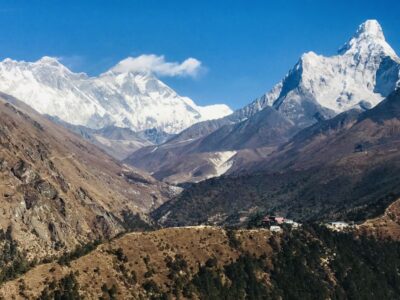
14-Day Everest Base Camp with Kala Patthar Trek
Read our review →Browse the lists this tour appears in