
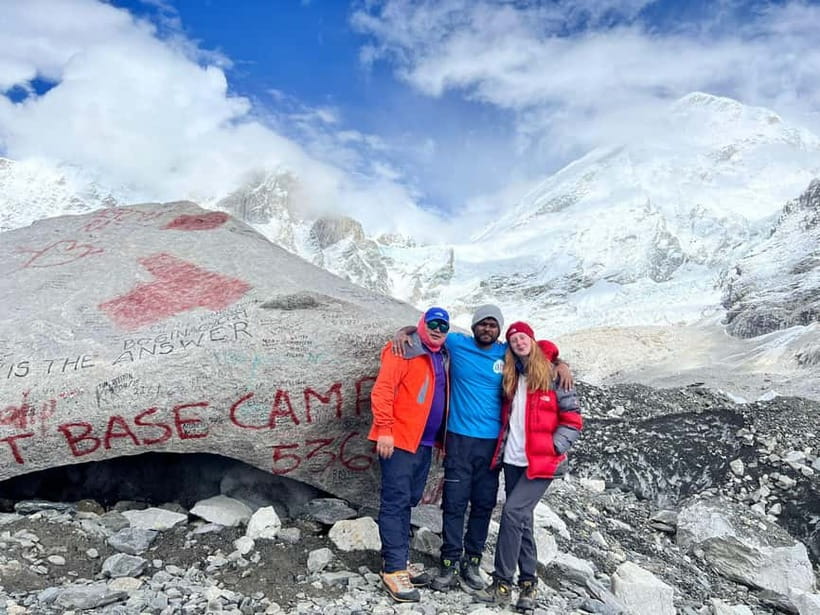
Reviewed · EVEREST BASE CAMP TREK
From Kathmandu: 12-Day Everest Base Camp Guided Trekking
What makes this trek so compelling is the way it stitches together classic Everest landmarks with real acclimatization time, instead of rushing straight to the top. You get the big-name moments, like Everest Base Camp and Kala Patthar, but you also spend days in towns like Namche Bazar and Dingboche where your body can catch up.
I especially like the small group pace (limited to 15 people) with an English-speaking guide who can keep the plan moving when conditions change. And I like that you are not left to figure out permits and logistics alone, since paperwork, national park entry, and the TIMS card are handled.
The main drawback is simple: you are still hiking at high altitude for days, including nights above 4,000 meters. If you have a heart condition, are pregnant, or expect an easy walk, this route will likely feel like a lot.
Key Things You’ll Notice Right Away
- Lukla first, Phakding next, so you start with a real trek day after the early flight.
- Two acclimatization breaks in Namche Bazar and Dingboche, not just a single rest stop.
- Rhododendron forest and the Imja Khola suspension bridge make Day 5 more interesting than a simple grind.
- Everest Base Camp via Gorakshep sets you up for the big summit-like viewpoint at Kala Patthar.
- Guides who handle altitude and emergencies fast are a major part of the value here.
- Tea house nights keep things simple, but standard meals are not included.
Kathmandu to Lukla: the start of your Everest Base Camp story
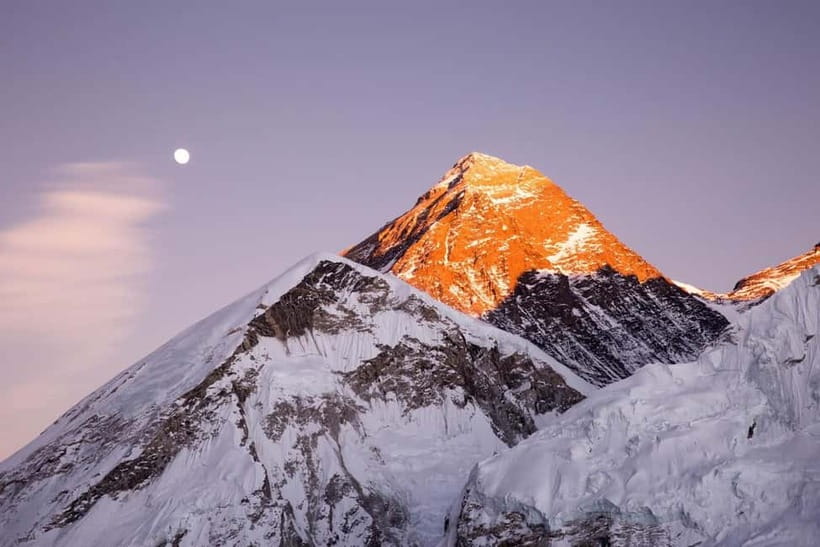
This trip begins with pickup from your Kathmandu hotel, plus the domestic hop to Lukla. It’s a smart way to enter the Khumbu without spending days getting there overland. Then, you transfer to the trailhead and begin walking toward Phakding the same day.
Day 1 matters more than it looks. You’re fresh enough to get into rhythm, and you learn how the trek really works, tea house to tea house, with a guide who keeps the pacing sane. Also, the group size is capped at 15, which usually means more conversation, less chaos, and fewer constant bottlenecks on the trail.
One small but important note: you cannot bring large luggage. If you are used to dragging everything with you, plan to pack light and use the duffle setup that the tour provides when needed.
More ways to walk to Everest Base Camp:
- Everest Base Camp Helicopter Tour landing at Everest View Hotel
★ 5.0 · 668 reviews - Gokyo to Everest Base Camp Trek
★ 5.0 · 113 reviews - Everest Base Camp Trek
★ 5.0 · 97 reviews
Phakding to Namche Bazar: altitude climbs, but you still get a base
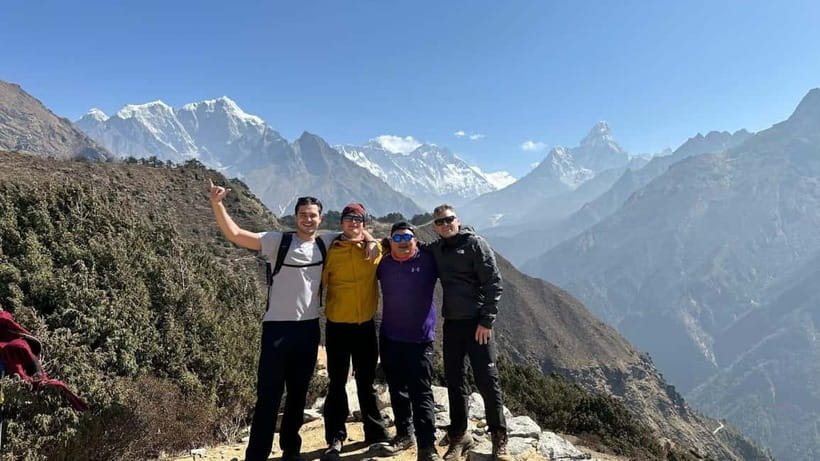
On Day 2, you hike from Phakding to Namche Bazar, sitting at about 3,440 meters. This is where the trek starts to feel like it belongs to the Himalayas, not just a mountain hike. Namche has shops, cafés, and that busy trekking-town energy, which can be comforting when you are adjusting to altitude.
You’re also building a pattern: walk, arrive, rest, eat, sleep. At this stage, you are learning what your body does when the air thins. If you try to sprint the acclimatization, you will pay for it later, so this day is about steady effort.
And yes, you’ll be staying overnight in Namche, which sets up the next day’s acclimatization plan.
Namche Bazar rest day: the part that often makes or breaks the trek
Day 3 is a rest day in Namche Bazar. Instead of forcing more altitude gain, you use the time to acclimatize and relax. You get a second overnight in town, which is one reason people feel better by the time they reach higher elevations later.
I like rest days like this because they do not just help your body. They also help your mind. You stop thinking about the itinerary as a checklist and start thinking about the trail as something you can actually enjoy.
If you’ve ever had altitude issues on fast trips, this built-in pause is a major quality-of-life feature.
Tyangboche at 3,867 m: rhododendron country and big views ahead
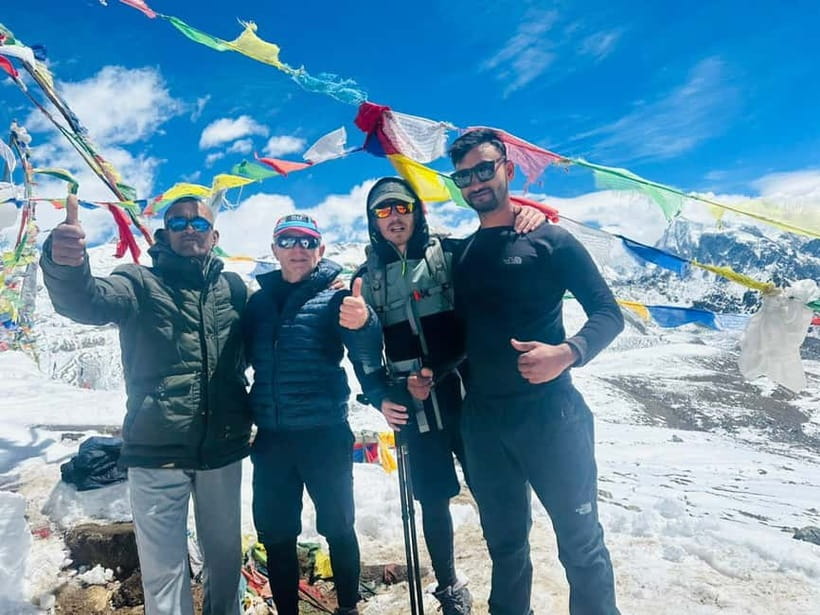
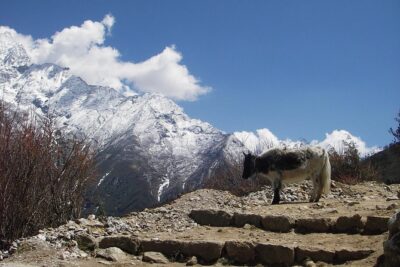
On Day 4, you head from Namche Bazar to Tyangboche, around 3,867 meters. Tyangboche is a classic stop where you feel the scenery tighten, and the air gets sharper. This day is also where your hiking gear stops feeling optional.
Day 4 is not just a waypoint. It’s an emotional one. You start to sense how the Khumbu villages sit tucked into steep terrain, and how the mountains dominate the weather and the light.
Overnight in Tyangboche gives you a chance to settle in, check your pack for anything you’ll need in the higher stretch, and adjust to the colder nights.
More to compare around Kathmandu
- Kathmandu: 7 UNESCO Sites with Lunch
★ 4.8 · 744 reviews - Kathmandu: Local Women-Led Nepali Cooking & Momo Class
★ 4.9 · 360 reviews - Manaslu Circuit Trek
★ 5.0 · 292 reviews - Kathmandu: Food and Drink Walking Tour
★ 4.9 · 292 reviews
Day 5’s change of scenery: rhododendron, Imja Khola, and Dingboche’s doorstep
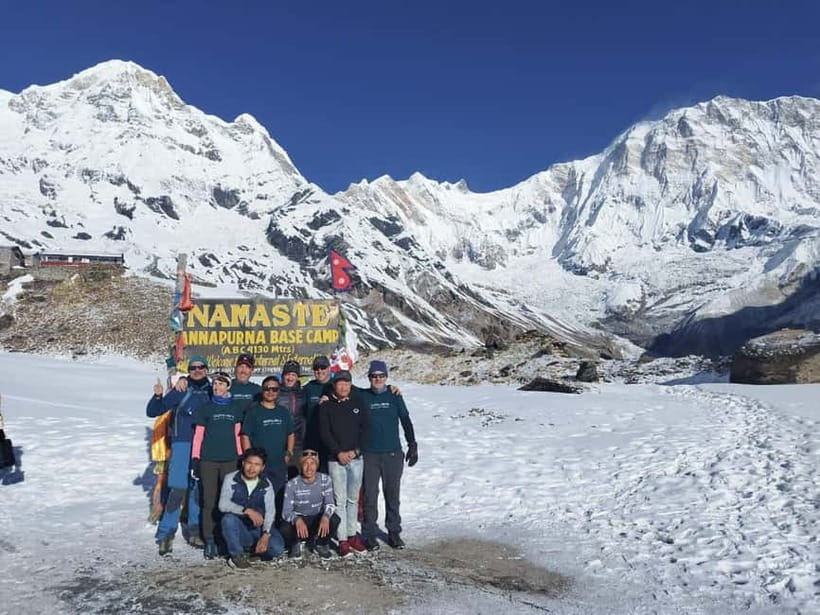
Day 5 is a longer, more scenic progression: Tyangboche to Dingboche (about 4,260 meters). You pass through rhododendron forest, cross the suspension bridge at Imja Khola, and walk through the Imjatse Valley beneath famous peaks including Ama Dablam, Nuptse, and Lhotse.
This is one of the most satisfying days to walk, partly because the trail has variety. Rhododendron forest means more texture and color along the path. A suspension bridge means you get that classic trekking moment where the trail sways a bit and your guide keeps the group calm and spaced.
You’ll also notice something practical: as altitude rises, everything becomes a little slower. That’s normal. The guide’s job is to pace you so you arrive feeling tired, not wrecked.
Dingboche acclimatization day: how you survive the Lobuche push
Day 6 adds another acclimatization day in Dingboche, with an overnight at the same tea house zone. This second acclimatization break is key before you go to higher altitudes. It gives your body time to adjust while you still keep moving at a manageable pace.
If you’re wondering why this trek does not rush, this is the answer. The route is built around giving you a fighting chance to enjoy Everest Base Camp instead of just surviving it.
Dingboche to Lobuche: the high-zone grind starts
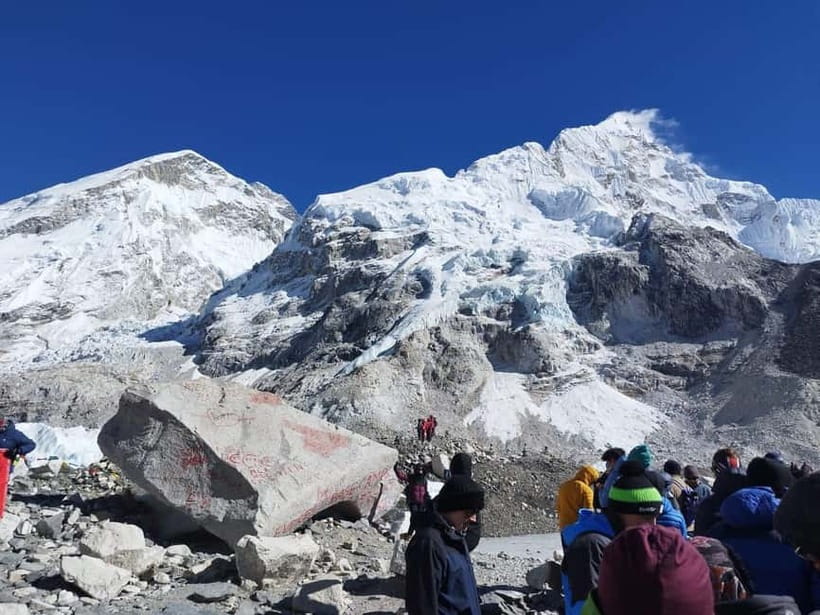
Day 7 goes from Dingboche to Lobuche, about 4,930 meters. The hike time listed is around 5.5 hours, with lunch in Dugla along the way. When you reach Lobuche, you are clearly in the higher trekking zone, where the air feels thinner and the cold starts biting earlier.
This part of the trek is where your pace really matters. You cannot manage altitude with willpower alone. A good guide helps you use effort efficiently, keeping breathing steady and stopping before exhaustion turns into breathlessness.
Overnight in Lobuche is also a mental checkpoint. You’re closer to the big targets, but you still have a few days to earn them.
Everest Base Camp via Gorakshep: the day you’ll remember
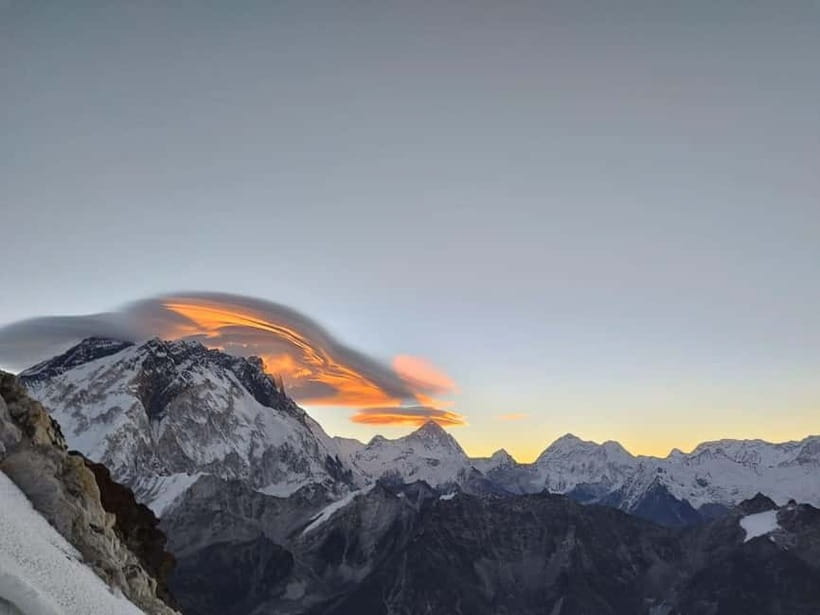
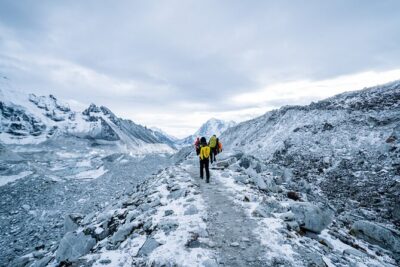
Day 8 is the standout for most people. You leave Lobuche after breakfast and trek to Everest Base Camp via Gorakshep. This is described as one of the most rewarding sections, and it makes sense: you’re climbing along rocky paths with big glacier views, and the scenery feels more dramatic the higher you go.
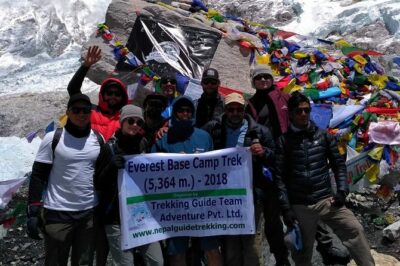
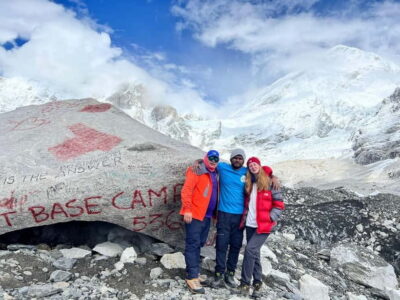
You visit Everest Base Camp, at about 5,364 meters. Then you return to Gorakshep for the night. That back-and-forth day is tiring, but it is also the classic Everest rhythm: push up, hit the goal, then recover at a nearby base.
A practical takeaway: Gorakshep nights are cold. Even if you are physically okay, expect discomfort. This is where the trek’s cold-weather support can matter.
Kala Patthar at 5,545 m: the viewpoint that earns its reputation
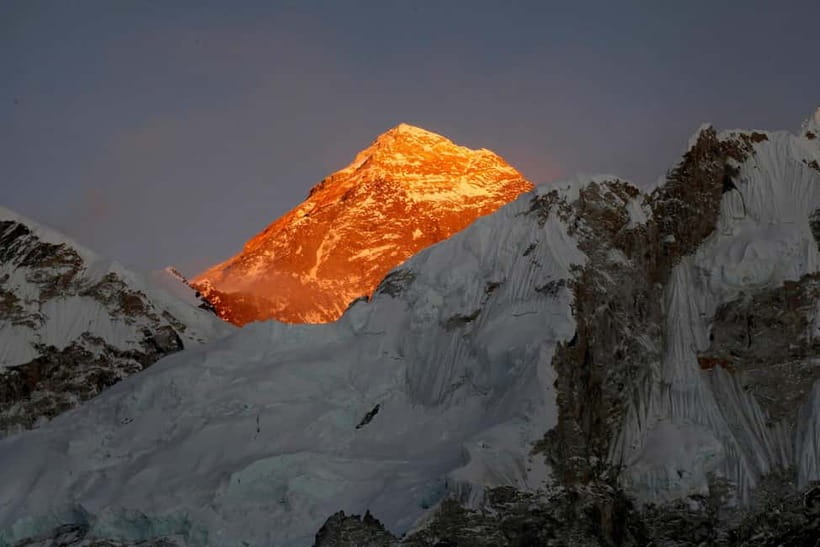
Day 9 is where you go for the famous views. You hike from Gorakshep to Kala Patthar at around 5,545 meters, then continue to Pheriche (about 4,243 meters) for overnight.
Kala Patthar is the kind of place where you get a high-altitude payoff. You’ll be working hard, but the payoff is the view, and the fact that you reached a real altitude milestone.
Then you go down to Pheriche, which is a relief. Even though it’s still high, dropping helps your body recover from the day of maximum effort.
The return to Namche and the Lukla home stretch
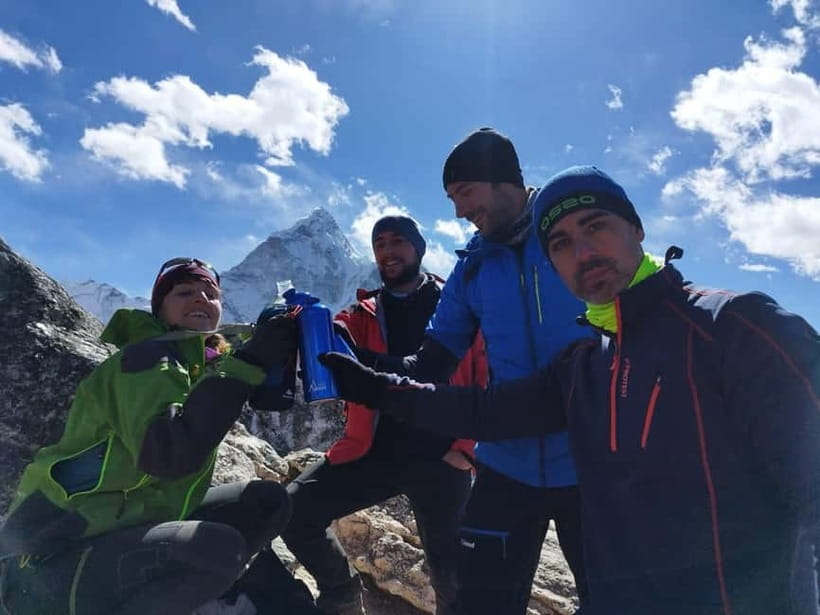
Day 10 starts descent from Pheriche to Tyangboche and then continues to Namche Bazaar for another overnight (back at about 3,440 meters). This is a big day, but it’s also psychologically helpful because it feels like you’re moving away from the highest cold zones.
Day 11 takes you from Namche Bazaar back to Lukla, ending with one more overnight in Lukla. At that point, you are in recovery mode, but you’re also thinking about the flight back.
Day 12 is an early morning scenic flight to Kathmandu, followed by hotel transfer. It’s a clean wrap-up: one last push to Lukla, then back to city comfort.
Guides and safety: the human value you can feel on the trail
The strongest praise across accounts of this trek is the guide experience. I’d treat this as a serious selling point. One report highlights a guide named Padam as amazing, with strong care and a 10 out of 10 experience. Another names Nabaraj Sigdel and praises his experience and punctual, caring approach.
What I like most, though, is the operational side of care. There’s an example where the operator helped quickly when timing or weather required change, including assistance organized by someone named Dipendra, plus even a helicopter arrangement to pick the group up the next day after reaching Everest Base Camp. That’s the kind of flexibility that matters when you are far from help.
Guides also help with altitude awareness. One account emphasizes that the guide watched for when medical help might be necessary and that the company took steps promptly if evacuation or medical support was needed. That kind of monitoring turns safety from a vague promise into something you can actually benefit from.
Tea houses, sleeping setup, and what you really carry
This trek is based on lodges and tea houses for overnight stays. That usually means simple rooms, basic bedding, and meals you’ll pay for separately. Standard meals (breakfast, lunch, dinner) are not included in the price, and hot showers and internet are also not included.
On the cold side, the trip includes jacket, sleeping bag, and a duffle bag to use if required or requested. That can take pressure off your packing. If you’re the type who overpacks just in case, this support can help you travel lighter.
Porter service is optional, and it costs extra. The setup listed is one porter who can assist up to 25 kg for two guests. If you want to hike more comfortably, this is worth considering, especially if you tend to carry extra layers or gear.
Price and value: what $1,020 covers, and what it doesn’t
At $1,020 per person, you’re paying for more than the right to walk in the Himalayas. This price includes airport pickup and drop-off, all necessary paperwork, and the national park permits and fees, plus the TIMS card fees. You also get the return Kathmandu to Lukla domestic flight, domestic airport transfers, and lodge accommodations on the trek.
You also get a guide, and that guide is included in the cost in a concrete way: salary, food, drinks, accommodation, transportation, and insurance for the guide. That matters because it usually means the operation is built around having a real person lead and manage the trek.
What you do pay extra for:
- Standard meals during the trek
- Alcoholic and non-alcoholic drinks
- Hot showers and internet (not included)
- Travel insurance (not included)
- Porter service (optional)
So the value equation comes down to this: if you want a guided, permit-handled Everest Base Camp route with small group control and real support on altitude and logistics, you’re paying for peace of mind. If you already have your own gear and a strong budget for meals and drinks, you can keep costs predictable. If you want all meals included, you’ll need to add that into your planning.
Who should book this Everest Base Camp trek?
This trek fits best if you want:
- A structured route with acclimatization days in Namche Bazar and Dingboche
- An English-speaking guide and a small group setting
- Tea house trekking with high-altitude highlights like Everest Base Camp and Kala Patthar
It’s not suitable for people with heart problems, pregnant women, or wheelchair users, based on the trip’s own suitability notes. If you’re nervous about high altitude, it’s worth thinking carefully, even with acclimatization built in.
Pace is another factor. The schedule includes several days of rising altitude and at least one longer push to the high zone. You do get rest and recovery days, but this is still a real trekking itinerary.
Should you book it?
If you like your Everest trekking with a guide, permits handled, and extra time to acclimatize, I think this is a strong option. The best reason to book is the combination of key Everest milestones and a team that can respond when conditions change, backed by guide names like Padam, Dipendra’s operational support, and Nabaraj Sigdel’s praised care.
Only don’t book if you’re expecting a low-effort trip or if altitude is a concern you cannot manage. Also, plan for extra spending on meals and drinks since those are not included.
FAQ
What does the $1,020 price include?
It includes airport pickup and drop-off in Kathmandu and the return domestic flight between Kathmandu and Lukla, plus domestic airport transfers. It also covers all necessary paperwork, national park entry permits, Sagarmatha National Park fees, TIMS card fees, and accommodations in lodges or tea houses during the trek. You also get an experienced English-speaking guide, and the cost covers the guide’s salary, food, drinks, accommodation, transportation, and insurance. Jacket, sleeping bag, and a duffle bag are included to use if required or requested, and all government taxes and service charges are covered.
Are meals included, and is there internet or hot showers?
Standard meals during the trek are not included, so you will pay for breakfast, lunch, and dinner as you go. Hot showers and internet are also not included during the trek.
Do I need a porter, and how much can one carry?
Porter carrying is not included, but it is available for an additional cost. The arrangement listed is that one porter can assist up to 25 kg for up to 2 guests.
What altitude do you reach on the trek?
You will sleep at multiple high points, including Namche Bazar at 3,440 meters, Tyangboche at 3,867 meters, Dingboche at 4,260 meters, Lobuche at 4,930 meters, and Pheriche at 4,243 meters. The trek also reaches Everest Base Camp at 5,364 meters and includes Kala Patthar at about 5,545 meters.
What do I need to bring, and what is not allowed?
You need to bring your passport. Luggage or large bags are not allowed.
Is travel insurance included?
No. Travel insurance is not included.
What is the cancellation policy?
You can cancel up to 24 hours in advance for a full refund.
Latest Kathmandu write-ups
- 16 Days Island Peak Climbing With Everest Base Camp Private Trip★ 5.0 · 3 reviews
- 15 Days Round Annapurna Trek with Poon Hill from Pokhara★ 5.0 · 5 reviews
- Private Nepal round trip including Ghorepani Poonhill trek★ 5.0 · 3 reviews
- Everest Base Camp Trekking 16 Days★ 4.0 · 7 reviews
- 14 Days Luxury Annapurna Base Camp Trek★ 5.0 · 6 reviews
- Everest Base Camp Trek★ 5.0 · 32 reviews
- Everest Base Camp Trek★ 5.0 · 87 reviews
- Everest Base Camp Trek★ 5.0 · 97 reviews
Everest Base Camp Trek, compared.
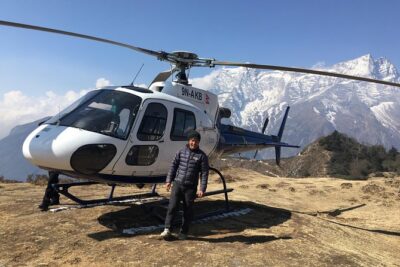
Everest Base Camp Helicopter Tour landing at Everest View Hotel
Read our review →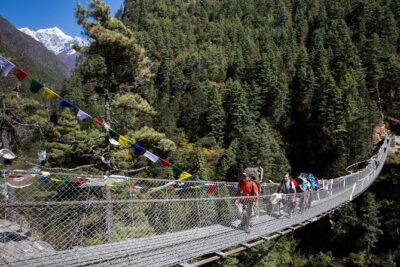
Everest Base Camp Trek 12 Days – Best Himalayan Adventure
Read our review →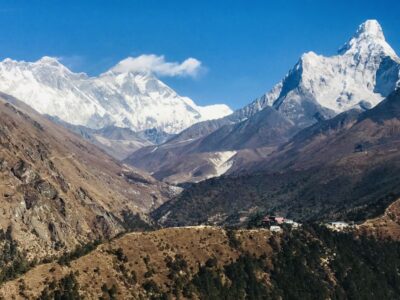
Browse the lists this tour appears in