Reviewed · GUIDED
Guided Everest expedition 2024- Nepal side
Everest on the Nepal side is interesting in a very specific way: you start with Sherpa culture and high-altitude trekking, then you settle into base camp life before the long, slow climb for the 8848m summit. You also get that classic sense of drama built into the itinerary, including the sunset viewpoint from Kalapathar.
What I like most is how much support is built into the plan. You’re traveling with an experienced Sherpa team and you have key climb logistics included, like oxygen supply with masks and regulators, plus fixed ropes and main rope for the mountain work.
One drawback to consider is the total commitment, and the price. At $42,000 per person for a roughly 60-day expedition, this is not a casual “big trip” anymore. You also need strong fitness because the whole schedule is built around acclimatization and the realities of high altitude.
Key things to know before you go
- Nepal south-side Everest permit to the top is included, so the expedition is set up as a true summit attempt, not just a base camp trek
- Lukla round flight is included, plus 50kg cargo space for one climber, which cuts down on pre-trip logistics
- Oxygen and climbing ropes are part of the package, including 6 bottles (20 liters) with masks and regulators
- Full-board lodge trekking to Everest BC means fewer meals and camp decisions you have to manage yourself
- Base camp setup is handled for you with tents and BC dining, shower, store, toilet, and basic setup items
- Small group size (max 15) helps keep the experience more controlled during a crowded, demanding route
A 60-day Everest plan from Kathmandu, paced for altitude
This Nepal-side Everest expedition runs about 60 days, starting with arrival in Kathmandu and ending with your final departure from the airport. The long duration matters because Everest is not a one-week sprint. Your body needs time to adjust to higher air pressure, colder nights, and the way exertion feels when oxygen drops.
You also get a small-group setup, capped at 15 travelers, which tends to feel calmer on the trekking days compared with very large groups. The pace is still hard, but at least your schedule is clear and the mountain plan is continuous, not stop-and-start.
More to compare around Kathmandu
- Everest Base Camp Trek – 14 Days
★ 5.0 · 1,499 reviews - Everest Base Camp Trek
★ 5.0 · 842 reviews - Private Kathmandu Sightseeing Tour | UNESCO World Heritage sites
★ 5.0 · 756 reviews
Kathmandu prep days: hotel comfort, expedition planning, and official briefing
You begin in Kathmandu with transfer to your hotel and four nights of 5-star accommodations with bed and breakfast. That comfort is not a luxury detail. After flights, meetings, and gear checks, a solid bed and a predictable routine help you stay sharp when the mountain routine begins.
On the next day, the itinerary calls for preparing the expedition at the hotel. Then you do a briefing in the tourism department. That matters because Everest logistics require paperwork and permissions, and you want your team to have everything aligned before you leave the city.
Two important practical notes: lunch and dinner in Kathmandu are not included, and personal climbing gear is not included. So while the hotel is comfortable, you still need to budget for your daily meals and bring or arrange the equipment you’re responsible for.
Lukla flight and the first trekking day to Phakding
On day 4, you fly from Kathmandu to Lukla and then trek to Phakding by lodge. This is a classic “you just stepped into the mountains” moment. Lukla flights and trekking are the gateway, and the included flight helps you avoid a big planning headache before you’re carrying altitude fatigue.
The package includes Kathmandu-Lukla-Kathmandu flights with 50kg cargo for one climber. That’s a real value piece because it’s not just “transport,” it’s space for the heavy stuff you need to operate at altitude.
Phakding is your first elevation adjustment phase in the trekking portion, so you’ll likely feel the cold early and notice that walking requires steadier pacing than at home. The win here is that you’re not thrown into a brutal day one hike. You’re building rhythm.
Namche Bazaar at 3440m, then a true acclimatization day
Day 5 takes you from Phakding to Namche Bazaar (3440m). Then day 6 is an acclimatization day with day hiking. This is where the expedition earns its name, because acclimatization days are not filler. They reduce the chance your climb turns into a medical problem.
Namche is a key altitude checkpoint. You’re high enough that every extra burst of effort costs more, and you start learning what “easy pace” actually means. The benefit of a structured itinerary is that you’re not guessing your way through acclimatization.
Your team also includes a dedicated climbing Sherpa guide setup. Even if you feel physically strong, high altitude punishes sloppy pacing. Having a guide and support system helps you keep your effort consistent during the most sensitive part of the climb build-up.
A different sort of day out of Kathmandu:
- Kathmandu: 7 UNESCO Sites with Lunch
★ 4.8 · 744 reviews - Everest Base Camp Helicopter Tour landing at Everest View Hotel
★ 5.0 · 668 reviews - Half day cooking class in Thamel kathmandu
★ 5.0 · 607 reviews - Everest Base Camp Trekking
★ 5.0 · 485 reviews
Thyangboche and Pheriche: going higher, staying calm
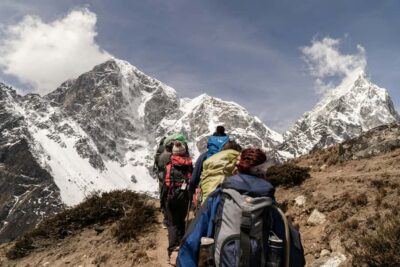
Day 7 treks from Namche Bazaar to Thyangboche at 3800m. Day 8 goes to Pheriche at 4243m. This section is about gradual elevation gain with enough structure that you keep moving upward without rushing.
Higher altitude comes with practical changes: colder hands, slower recovery, and a heavier feeling in your legs. You don’t have to invent a new climbing mindset. Just treat each day like a steady job you’re doing, not a personal fitness contest.
Also, note that your trekking is full board with lodge stays on these days. Full board means fewer decisions and fewer surprises about meals, which matters when you’re trying to conserve energy and keep sleep quality stable.
Lobuche and Everest Base Camp: the long build meets real mountain work
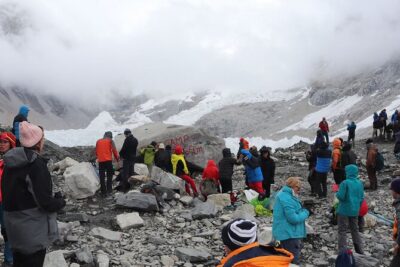
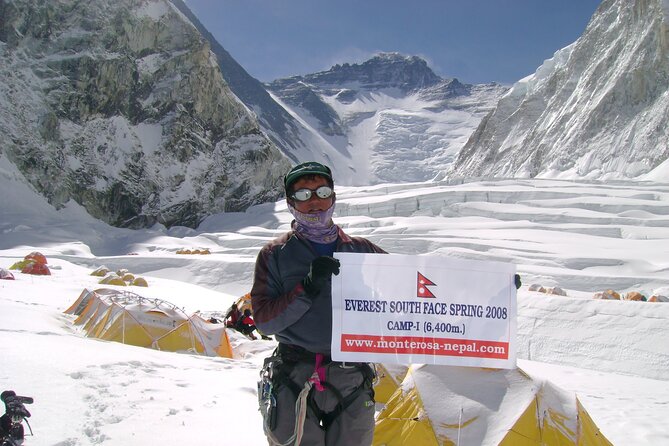
Day 9 takes you from Pheriche to Lobuche at 4930m. Day 10 moves from Lobuche to Everest Base Camp at about 5360m, where you camp. This is a big change. Up to this point, you’ve been trekking and adjusting. Now you’re reaching the staging area for the summit push.
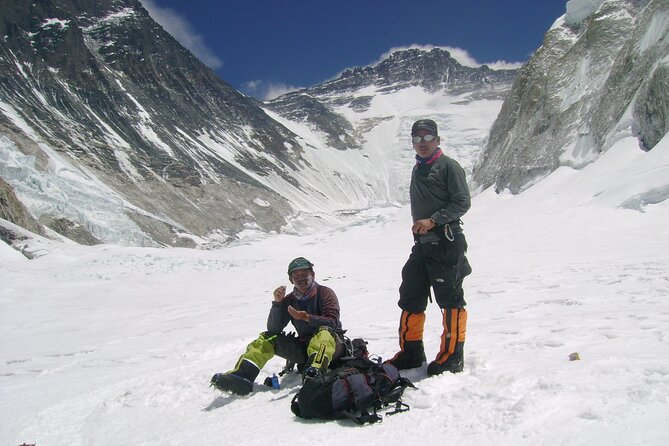
At Everest BC, the expedition includes a lot of base camp support items: dining, shower, store tent, toilet tent, and basic furniture like table and chair. There’s also an included tent arrangement for a north face style in Everest base camp.
Two setup details you should care about: fixed rope charges and main rope climbing are included for Everest. And the plan includes climbing high food plus a cooking pot, gas, and stove above base camp. That’s practical, because warm food and real fuel planning help keep your body working during long waits and cold hours.
The summit window: April 17 to May 31 on Everest (8848m)
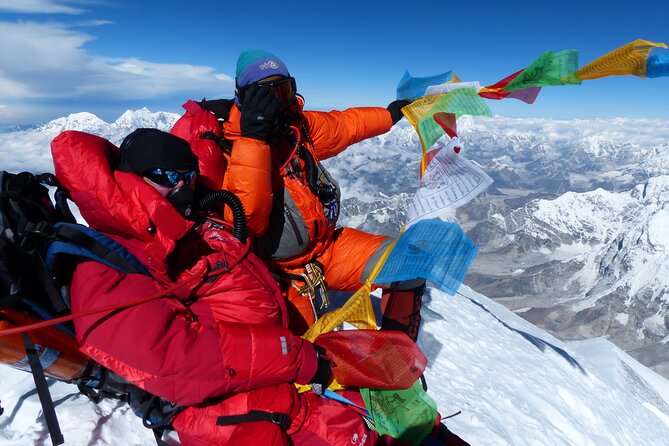
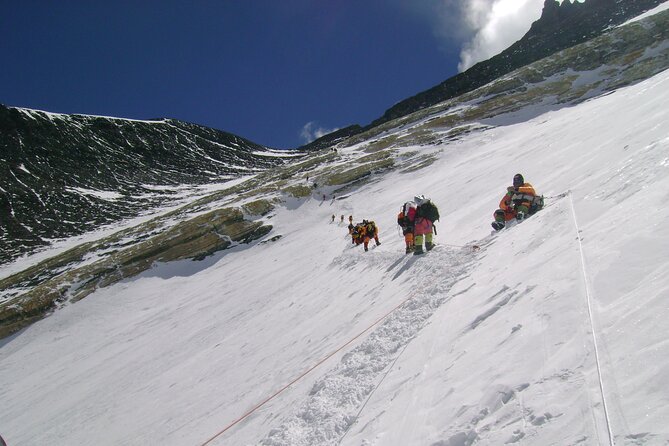
From day 11 to day 55, the itinerary schedules climbing on Everest, aiming for the summit at 8848m. The dates suggest a long window rather than a single day push, which is how these missions usually stay realistic. Weather, route conditions, and team timing all affect when you’re able to move.
What’s included for the climb portion is substantial. You get:
- oxygen (6 bottles of 20 liters) with mask and regulator
- high altitude cooking supplies above base camp
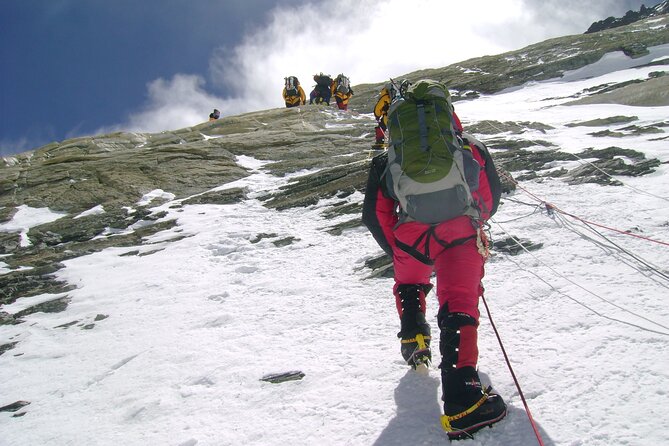
- fixed rope and main rope support for the climbing section
- a dedicated Sherpa guide arrangement for the climber
You also have the summit permit included for the south side, stated as allowing climbing permit until the top. That’s huge for value because Everest permits are not cheap, and you don’t want any last-minute permit issues when your body is already committed.
During the summit phase, your job is mainly focus and consistency. The air will be extremely thin, effort will feel wrong, and your team schedule will likely dictate the rhythm. The best way to “win” this stage is to follow instructions quickly, keep your energy stable, and respect rest.
Descent days: Everest Base Camp back to Pheriche, Namche, Lukla, Kathmandu
After the climbing window, day 56 treks from Everest Base Camp to Pheriche by lodge. Day 57 goes Pheriche to Namche Bazaar. Day 58 brings you Namche to Lukla at about 2800m, then day 59 is your flight to Kathmandu.
This part is often emotionally mixed. Relief is real, but so is leg fatigue, because descent still stresses knees and feet. The good news is your expedition is structured and supported. Your route is pre-set, and you’re not guessing how to move down safely while you’re tired.
Also, your flights are included again, and day 60 is transfer to the airport for your final departure. Having that end-to-end plan helps you avoid the common stress of trying to piece together transport right after an extreme physical effort.
What $42,000 buys you, and what it doesn’t
At $42,000 per person for a roughly 60-day, summit-focused Everest expedition, the price tag is big. But it’s not just “a fancy trek.” A lot of major costs are embedded in the package.
Here’s what’s included that drives value:
- Everest permit for the south side to the summit
- Kathmandu-Lukla-Kathmandu flights, including 50kg cargo
- full-board lodge trekking from Lukla through Everest Base Camp period
- one climber to one climbing Sherpa guide setup, plus the broader Sherpa team
- oxygen system (6 bottles with masks and regulators)
- climbing high food and cooking setup above base camp
- ropes (fixed rope and main rope) and ice falls charge
- base camp dining and sanitation basics, plus tent support
What is not included is just as important for your budget:
- lunch and dinner in Kathmandu
- personal climbing gear
- life and medical insurance
- emergency evacuation (helicopter)
- bar and beverage bills
- personal expenses
- a summit bonus for the guide (listed as USD 1800)
- BC staff tips per climber (listed as USD 200)
- helicopter charter if required
If you want a clean decision, treat the package price as the mountain and logistics backbone, then plan your personal budget around gear, insurance, meals in Kathmandu, and the listed bonuses and tips.
Service quality on this Everest-style yatra, based on real team behavior
The best sign of a strong expedition team is not just equipment. It’s how people act when conditions get slow, cold, and stressful.
From Monterosa experiences, I like what the reviews describe about honesty and hard work. People specifically call out good guides and porters, and the food quality, including hot water and snacks during the hike phases. They also mention oxygen being carried with bulky cylinders and that first aid kits were on hand, not as an afterthought.
Two names come up in those Monterosa trip stories: Gabesh ji and guide Raju. Even though those were described in a Kailash trip context, the point for you is consistent: the company approach seems to focus on staying close to the group and keeping basics covered, which is the kind of behavior that matters when altitude makes everything harder.
For Everest, that human element is not sentimental. If your team is responsive and practical, you spend less time worrying and more time focusing on your body and your steps.
Who this Everest expedition suits best
This is aimed at strong climbers and people who accept that acclimatization and the summit window are part of the deal. The program explicitly expects strong physical fitness.
You’ll likely be a good fit if you:
- have serious high-altitude climbing experience or training
- want an organized, guided summit attempt with oxygen, rope support, and base camp logistics handled
- prefer smaller-group pacing and clear scheduling over improvising
- can handle budgeting beyond the sticker price, especially gear, insurance, and listed bonuses
If you’re looking for a cultural trip with light trekking, this is not that. Everest is a full-spectrum endurance challenge, and the itinerary is built around a top-to-bottom expedition structure.
Should you book this 2024 Nepal-side Everest expedition?
Book it if you want a true summit attempt plan with major climb necessities included, and you’re ready to commit to 60 days, big altitude exposure, and a high cost that reflects permits, logistics, oxygen, and Sherpa support. The included oxygen, fixed rope and main rope, plus the structured trekking to Everest BC, are the strongest indicators that this is set up for climber execution.
Hold off if you’re still building your fitness base, you don’t have the personal climbing gear covered, or you’re not comfortable budgeting for insurance, Kathmandu meals, and the stated guide and staff bonuses. Everest doesn’t allow “almost ready” to work well.
If you’re confident on all of that, this expedition looks like a serious, tightly supported way to chase the summit dream from the Nepal side.
FAQ
Where does the Everest expedition start?
The start is at Tribhuvan Airport in Kathmandu, Nepal, with a transfer to your hotel. Pickup is also offered.
How long is the expedition?
The duration is listed as about 60 days.
What is included for flights to and from Lukla?
Kathmandu to Lukla and back to Kathmandu flights are included, with 50kg cargo included for one climber.
Is oxygen included for the climb?
Yes. The package includes 6 bottles of oxygen (20 liters each) with a mask and regulator.
Are climbing permits included?
Yes. Climbing permit for Everest 8848m on the south side up to the top is included.
What about base camp support and gear on-site?
In Everest Base Camp, you get a tent for one climber and base camp facilities such as dining, shower, store tent, toilet tent, and basic furniture. Climbing high food, cooking pot, gas, and stove above base camp are also included.
What is the cancellation policy?
You can cancel for a full refund if you cancel at least 24 hours before the experience start time. Free cancellation is listed, and cut-off times are based on local time.
Latest Kathmandu write-ups
- Langtang Valley Trek★ 5.0 · 3 reviews
- Langtang Valley Trek from Kathmandu★ 5.0 · 3 reviews
- Khopra Danda Trek★ 5.0 · 3 reviews
- 5 night / 6 days Kathmandu Nagarkot Chitwan Pokhara tour★ 5.0 · 3 reviews
- Nepal Highlights Tour: 5 Nights 6 Days Kathmandu & Pokhara Tour★ 5.0 · 3 reviews
- Kathmandu Valley Private Day Tour★ 5.0 · 3 reviews
- Conquer the Himalayas: The Ultimate 16-Day Annapurna Circuit Trek★ 3.5 · 3 reviews
- Kathmandu Heritage Day Tour★ 5.0 · 3 reviews
Guided, compared.