
Reviewed · EVEREST BASE CAMP TREK
Kathmandu: 14-Day Everest Base Camp with Kala Patthar Trek
This kind of trek is interesting because you are basically walking into the shadow of the highest mountain on Earth, then earning one of the most talked-about viewpoints in the Himalaya. I love the Sherpa heartland around Namche Bazaar, and I also love the classic climb up to Kala Patthar, where the whole Everest range tends to look close enough to touch. The main drawback to know up front is the weather and flight reality around Lukla, which can force schedule changes.
You start in Kathmandu, then jump to Lukla by flight, and the trek builds step by step with real acclimatization days. If your guide is strong on route timing and pacing, the whole trip feels organized, not rushed. Still, this is high altitude trekking, so it is not a fit if you have heart issues, mobility limits, or if you are pregnant.
Key highlights worth your attention
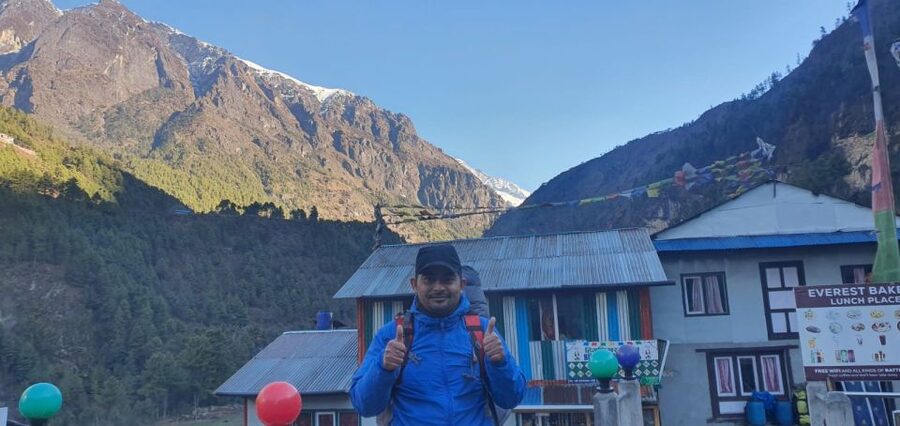
- Lukla flight to kick off the trek, including the famed runway at 2,850 meters
- Namche Bazaar time for acclimatization plus an optional 2 to 3 hour excursion
- Day-by-day altitude management with rest stops at Namche and Dingboche
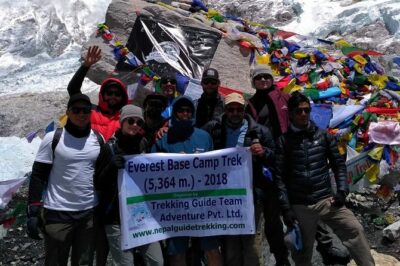
- Everest Base Camp visit at 5,364 meters, with a hike up to the camp area from Gorak Shep
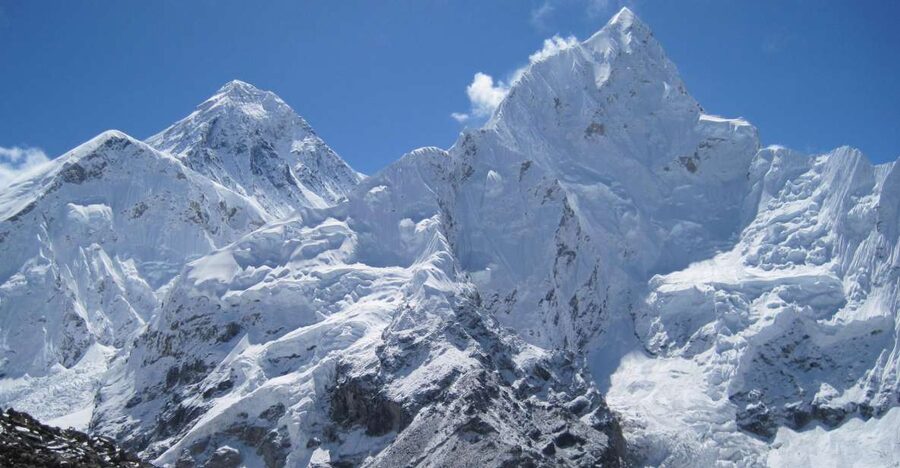
- Kala Patthar summit hike to 5,545 meters, for wide Everest, Lhotse, Nuptse, and Ama Dablam views
- English-speaking guidance and local support, with real-world help from named staff like Hari and Anjan in past trips
Kathmandu to Lukla: the fast jump into the Khumbu
Most Everest journeys start with the same question: how do you get from normal life to trekking at 5,000 meters without spending days on slow approaches? Here, you do it with a flight from Kathmandu to Lukla, around 2,850 meters. It is a big moment, because Lukla is known for a very intense airstrip, and your whole trek energy starts there.
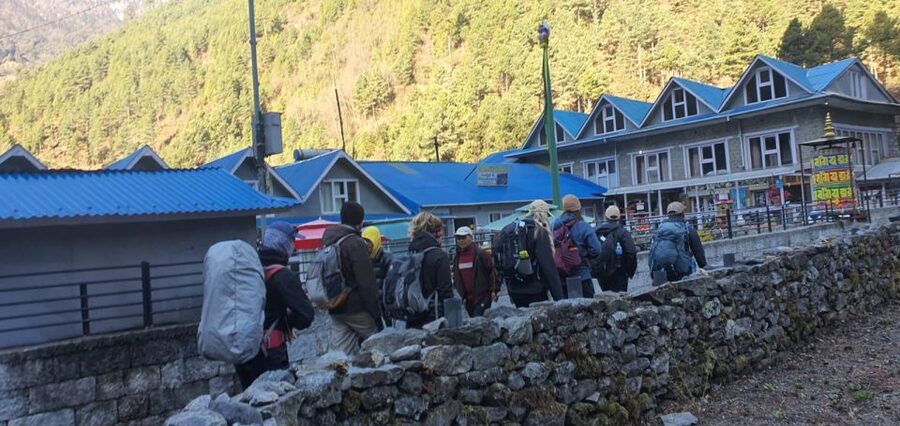
From Tribhuvan International Airport, you get met by your tour representative and transferred to your Kathmandu hotel. The next day is when the trek really begins in earnest: you fly to Lukla, then start walking toward Phakding, roughly 4 to 5 hours. That first day is your “move your legs, not your ego” stage. You’re not trying to set records. You’re getting your body used to trekking with weight and starting to breathe a little differently at altitude.
Why this is valuable: the Lukla flight compresses time. That matters because the Everest region rewards smart timing. If you are more days-on-the-trail than planned, fatigue piles up. If you are too conservative and start too late, weather around Lukla can also become a factor. This itinerary tries to balance both.
More ways to walk to Everest Base Camp:
- Everest Base Camp Helicopter Tour landing at Everest View Hotel
★ 5.0 · 668 reviews - Gokyo to Everest Base Camp Trek
★ 5.0 · 113 reviews - Everest Base Camp Trek
★ 5.0 · 97 reviews
Phakding and the walk toward Namche Bazaar
After Lukla, the trail drops you into the rhythm of the Khumbu. The route to Phakding is about 2,640 meters, and it sets the tone: stone paths, river valleys, and the steady shift from lower air into something thinner. You’ll sleep in a lodge, then you do another day of walking to Namche Bazaar.
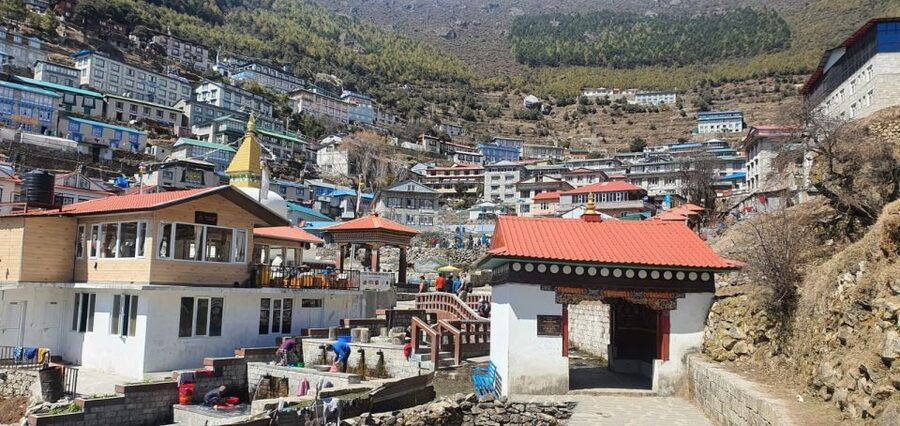
The Phakding to Namche Bazaar section is typically 6 to 7 hours, climbing up to around 3,440 meters. This is where you feel the altitude more clearly than on the flats. It is also where you start getting the Sherpa town vibe: tea houses, prayer flags, and the sense that people here build their lives around mountains.
What you’ll likely like: Namche is not just a stop on the way. It is the kind of place where you can take a breath, look around, and understand how Everest tourism and Sherpa culture connect. You’re also setting yourself up for a crucial acclimatization pause.
Namche Bazaar acclimatization day: why you rest here
On the next day, you do a rest and acclimatization block at Namche Bazaar, around 3,440 meters. The plan includes a 2 to 3 hour excursion. That sounds simple, but it is the right kind of simple. You move at altitude without overdoing it. You give your body time to adjust to thinner air before you go higher.
This is one of the best parts of the trek to take seriously, even if you feel good. The high point for this journey is not just Everest Base Camp. It is the entire chain of days that bring you there, including the jump into higher camps like Dingboche, then the push to Lobuche and beyond.
A practical note: if you treat the acclimatization day like a sightseeing day with zero thought, you can sabotage the next steps. If you treat it like a controlled effort day, your legs usually feel better later and your breathing tends to be more manageable.
Tengboche to Dingboche: monasteries, big views, and slow altitude gains
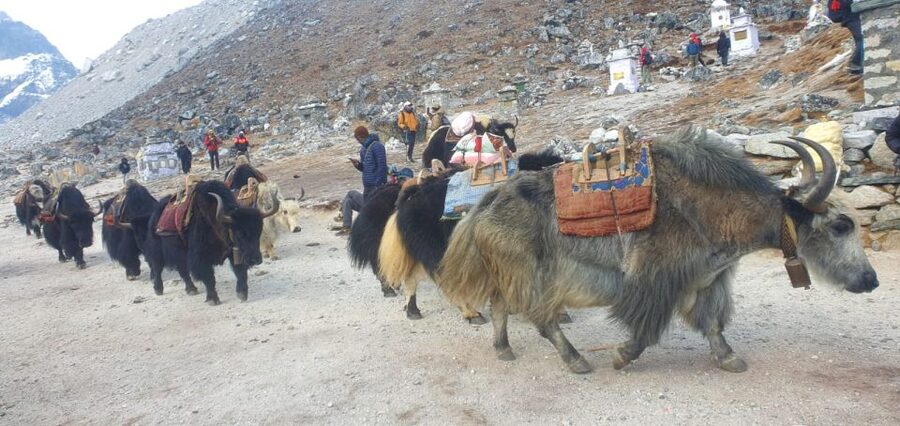
Once Namche is behind you, the trek climbs again. You head to Tengboche, around 3,870 meters, taking about 5 to 6 hours. Tengboche is a classic point on this route, and it’s also a mental turning point. You’re higher, the air is thinner, and the views start becoming more dramatic, including the Everest region peaks on clearer days.
The next major leg runs from Tengboche to Dingboche, about 4,410 meters, again roughly 5 to 6 hours. If you’ve been enjoying the cultural side of the trek, this is where it shifts even more toward the mountain experience. You’re walking through a high valley world, where every step feels like it counts.
Then comes another acclimatization moment, at Dingboche. You stay put on the next day to let your body catch up. After that, you move toward Lobuche, around 4,940 meters, and the trek starts feeling like it is truly heading for the Everest high country.
This is the part of the trip where strong guidance matters. A good guide helps you keep a steady pace, encourages slow breathing, and knows how to manage the day’s effort so you don’t burn matches too early.
More to compare around Kathmandu
- Kathmandu: 7 UNESCO Sites with Lunch
★ 4.8 · 744 reviews - Kathmandu: Local Women-Led Nepali Cooking & Momo Class
★ 4.9 · 360 reviews - Manaslu Circuit Trek
★ 5.0 · 292 reviews - Kathmandu: Food and Drink Walking Tour
★ 4.9 · 292 reviews
Lobuche, Gorak Shep, and Everest Base Camp at 5,364 meters
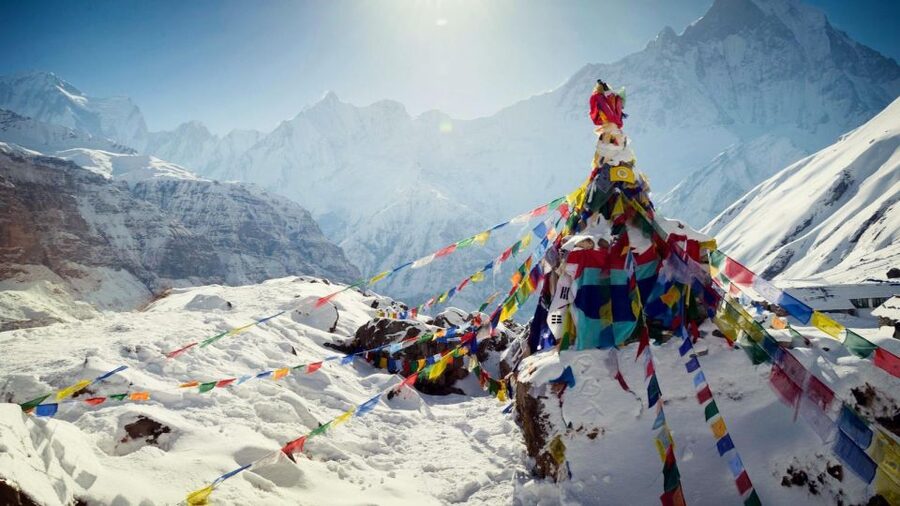
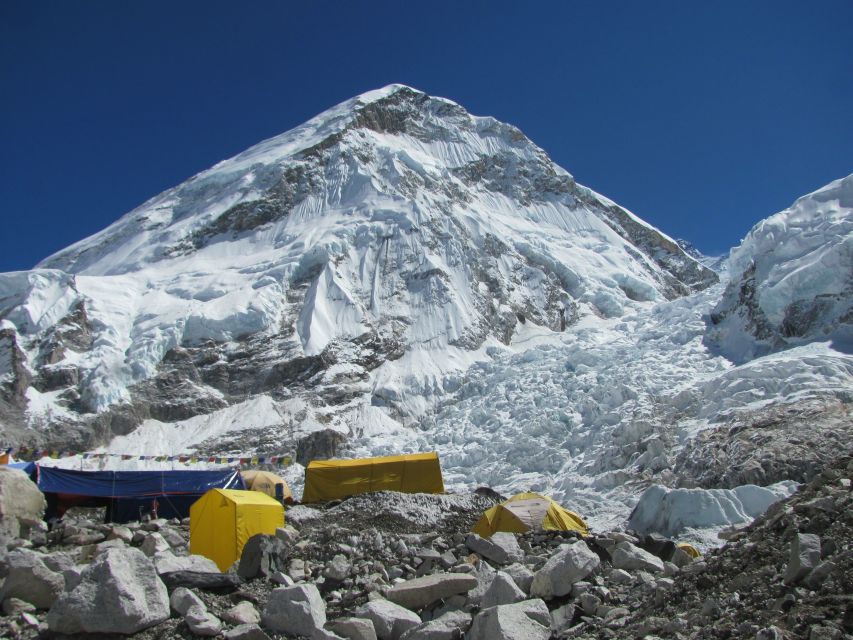
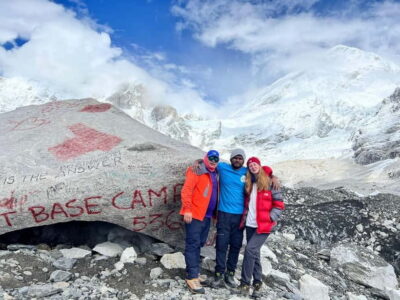
From Lobuche, the route continues toward the highest practical overnight zone on this trek, Gorak Shep, around 5,170 meters. On this day, you also hike up to Everest Base Camp, at 5,364 meters, then return to Gorak Shep.
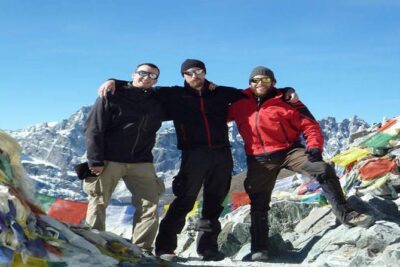
This is where the trek goes from “hard journey” into “I cannot believe this is happening.” Even if you have seen pictures before, the scale in person is different. Base Camp is not the summit, but it is still the big moment. You’re standing in the Everest logistics world, with the sense that expeditions and Sherpa work are centered here.
Why this step is worth the effort: it’s the closest you’ll get to the Everest goal without needing technical climbing. It also gives you a tangible sense of distance. Lhotse and Nuptse often show up in the same frame, and if the day is clear, you can connect the dots between ridges and peaks.
One thing to plan for: the day feels longer than the hours suggest because at altitude, it is not about speed. It’s about pacing, staying warm, and not rushing down a trail that can feel relentless when the air is thin.
Kala Patthar at 5,545 meters: the viewpoint day that earns everything
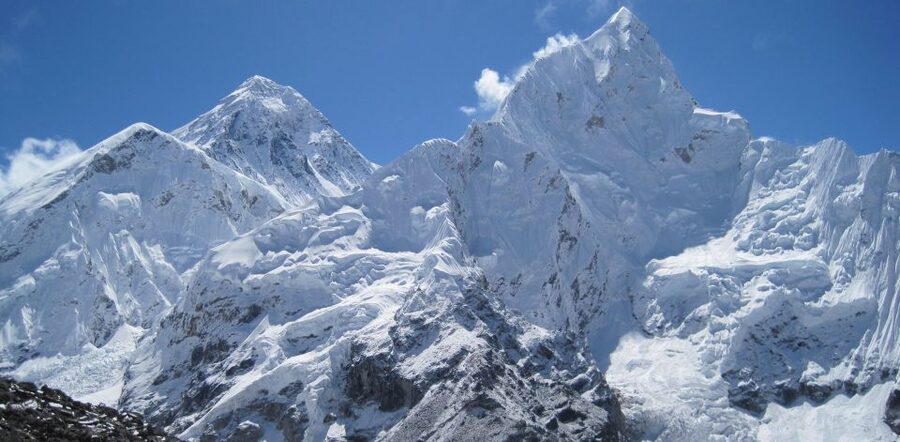
If you want one day that helps justify the whole itinerary, it is the Kala Patthar hike to 5,545 meters. You start from the high area, then climb to the viewpoint where the Everest massif often feels shockingly close.
This is where you typically get wide, high-angle views of the Everest range, including Everest, Lhotse, Nuptse, and Ama Dablam, depending on weather and visibility. The reason this matters is not just the view itself. It is the feeling that you climbed above the camp zone to see the bigger picture.
After Kala Patthar, you descend to Pheriche, around 4,371 meters. That drop matters. It helps your body recover for the final stretch down to lower elevations, where it becomes much easier to sleep and breathe normally-ish again.
Then you continue descending for the next few days and return to Kathmandu around day 13, with a final evening before departure the next day.
Tea houses and your trek comfort: what you should expect
This trek uses lodges or tea houses during the route, with 2 nights standard accommodation in Kathmandu and breakfast included there. During the trek, breakfast, lunch, and dinner are not included in the package price, so you plan on paying for meals directly in the tea houses.
What I like about this approach is that you get flexibility. If you feel hungry early, you can eat early. If you need a slower morning, you can keep it low pressure and adjust. You still have a structured itinerary, but your daily food choices remain yours.
You’re also provided with gear to use if needed: a jacket, a sleeping bag, and a duffle bag. That can be a big value, especially if you don’t own proper cold-weather items. Still, I’d treat it as a helpful baseline, not a reason to underpack. Temperatures up high can surprise you, even if you start the day in warm layers.
On showers: hot showers during the trek are listed as not included. So think simple when it comes to washing and focus on staying dry and warm.
Packing list that keeps you sane at altitude
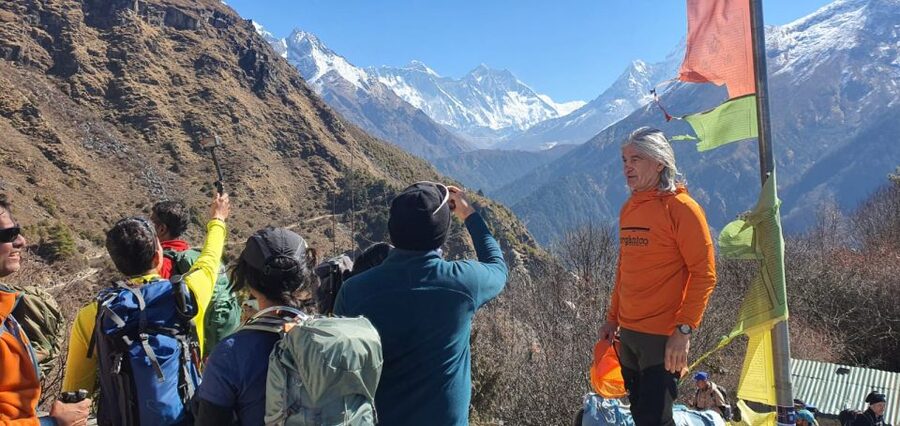
Based on the trek guidance, bring the essentials that keep you comfortable on cold, sunny, and dusty days:
- Sunglasses and a hat
- Sunscreen
- Hiking shoes and trekking socks
- Long pants and shorts
- T-shirts (you are advised to bring 2)
- Insect repellent, including mosquito repellent
- Toilet paper
- Simple clothing you can layer without drama
Here’s the practical twist: in the Everest region, you sweat in the daytime, then cool off quickly when you stop. Layers and sun protection are not optional extras. They are your comfort system.
Guide support, English communication, and how real problems get handled
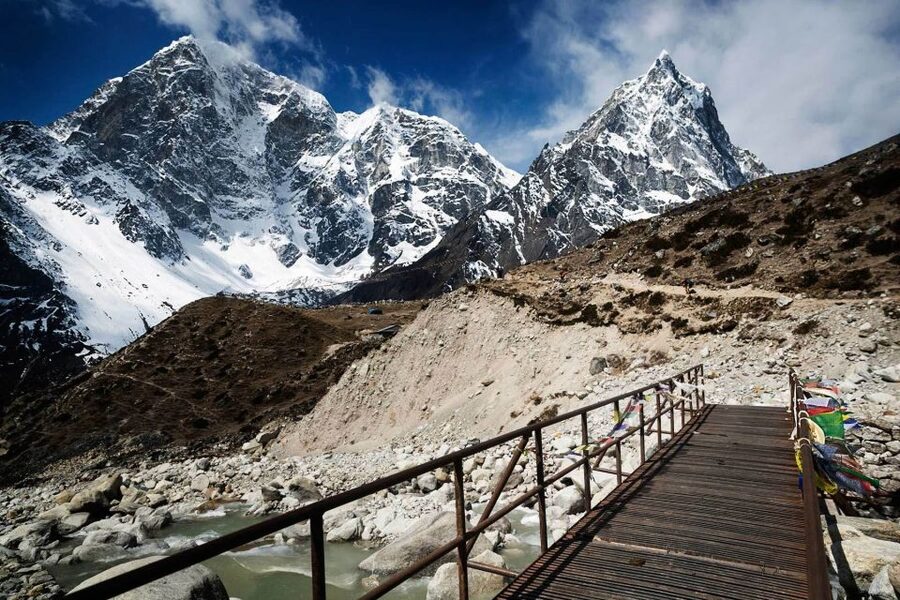
The tour includes an experienced, helpful, friendly guide who speaks English. It also covers support for your guide and porter, including salary, food, drinks, accommodation, transportation, and insurance. That matters because altitude trekking is not just about walking, it’s about managing risk and making smart calls.
You should also understand the porter piece. Porters are listed as not included, at a ratio of 1 porter for 2 people. So you’ll want to confirm exactly how porter arrangements work for your group and what you pay if porters are required.
One reason this trek can feel smooth is contingency planning. In a past trip, an organizer named Hari was reachable and a guide named Anjan handled coordination and safety with a very attentive style. In another situation where Lukla flights were disrupted, the team tried for multiple days, and when the plan had to pivot, you continued with the same guide, Padam, on an alternative base camp trek even during rainy conditions. That tells you something important: this is not a trip where you should expect everything to go perfectly by the book. It’s a trip where good local support helps you keep moving.
Price and value: is $1,296 per person fair for Everest Base Camp time?
At $1,296 per person for 14 days, this is not a bargain, but it also isn’t “pay for nothing.” The value comes from the stuff that usually costs money or planning headaches:
- Round-trip flights between Kathmandu and Lukla are included
- Kathmandu hotel nights with breakfast are included (2 nights)
- Domestic airport transfers are included
- Lodges/tea houses during the trek are included
- Guides support and their logistics are covered
- Sagarmatha National Park entry permits and fees are included
- Paperwork for permits is handled
- Gear to use is included if you need it (jacket, sleeping bag, duffle)
What you still have to pay for yourself: trek meals during the route, and meals and drinks in Kathmandu, plus any alcoholic and non-alcoholic drinks. Hot showers are not included during the trek. You also need valid travel insurance with medical evacuation in case of emergency.
So the pricing question becomes: do you want someone to handle the permit paperwork, flights, route structure, and daily logistics? If yes, this looks like solid value for the Everest Base Camp and Kala Patthar experience.
Who should book this Everest Base Camp and Kala Patthar trek?
This is best for people who want the Everest story in full context: Sherpa culture, acclimatization days that actually help, classic viewpoints, and a structured plan that gets you to Everest Base Camp and up to Kala Patthar.
It is not suitable for pregnant women, people with heart problems, or anyone with mobility impairments. If you have questions about your health and altitude, ask before committing, and make sure your travel insurance is truly altitude-friendly.
If you enjoy hiking but want guided support, this fits well. If you hate any schedule at all, you may find the acclimatization rhythm feels too deliberate. If you are a flexible person who understands weather can move travel plans, you’ll likely feel more comfortable here.
Should you book this trek?
I think you should book if you want an organized, English-guided Everest Base Camp trek that takes acclimatization seriously and includes the big logistics like permits and the Lukla flight. You’ll get the cultural stops in Sherpa country, plus the view payoff at Kala Patthar.
Skip it, or at least ask tough questions, if your health situation is high-risk, you cannot manage steep days at altitude, or you cannot handle the possibility of flight disruptions around Lukla. Also check porter expectations for your exact group, since porter details are listed separately.
If you want Everest, with structure, with a guide who can keep things steady, this is the kind of trek that earns its reputation.
Latest Kathmandu write-ups
- 16 Days Island Peak Climbing With Everest Base Camp Private Trip★ 5.0 · 3 reviews
- 15 Days Round Annapurna Trek with Poon Hill from Pokhara★ 5.0 · 5 reviews
- Private Nepal round trip including Ghorepani Poonhill trek★ 5.0 · 3 reviews
- Everest Base Camp Trekking 16 Days★ 4.0 · 7 reviews
- 14 Days Luxury Annapurna Base Camp Trek★ 5.0 · 6 reviews
- Everest Base Camp Trek★ 5.0 · 32 reviews
- Everest Base Camp Trek★ 5.0 · 87 reviews
- Everest Base Camp Trek★ 5.0 · 97 reviews
Everest Base Camp Trek, compared.
Everest Base Camp Helicopter Tour landing at Everest View Hotel
Read our review →
Everest Base Camp Trek 12 Days – Best Himalayan Adventure
Read our review →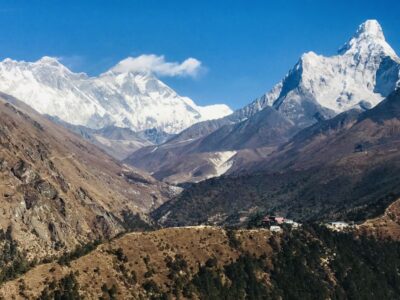
Browse the lists this tour appears in