
Reviewed · MOMO MAKING CLASSES
Kathmandu: Momo Making Class with a Local Chef
A momo class in Kathmandu is interesting because it turns a street-food favorite into real technique you can repeat at home. You’re not just watching, you’re working the dough, shaping dumplings, and seeing how the whole process comes together in one session in Thamel.
I like that this is a small group class limited to 8 participants, so you get real attention while you fold. I also like that you learn with authentic momo ingredients you can recognize, like flour, water, vegetables, and common seasonings, plus optional ground meat depending on the setup.
One thing to consider is the class is only 1 hour, so you will move fast. You’ll leave with a satisfying tasting and a working process, but not with weeks of practice.
Key highlights worth knowing
- Small group of up to 8 means less waiting and more hands-on help
- English instruction so you can ask questions clearly while you cook
- Hands-on from dough to dumplings to cooking rather than a quick demo
- Authentic ingredients used in momo prep, including flour, water, vegetables, and spices
- You eat the momos you make, usually with dipping sauces or sides
Arriving At Nepal Cooking School in Thamel, Paknjaol Marg
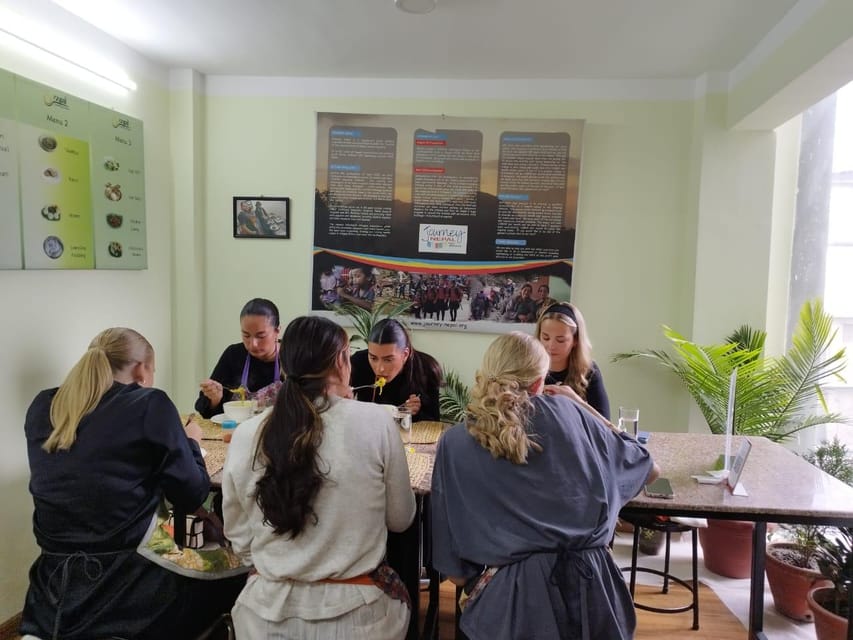
This class starts in Thamel, in the Nepal Cooking School building. The meeting point is on Paknjaol Marg, opposite the Ganesh Temple, and it is in the building of a place called Third floor, delicious pizza. It’s the kind of place where a quick check of the address and floor makes your life easier, especially if you are arriving on foot in the middle of Thamel traffic and crowds.
You’ll typically get oriented right away once you reach the room. Expect a practical setup, not a formal restaurant scene. Since you are going to handle dough and filling, you’ll want to step in ready to work, not just watch.
More Momo Making Classes in Kathmandu:
- Kathmandu: Local Women-Led Nepali Cooking & Momo Class
★ 4.9 · 360 reviews - Kathmandu: Traditional Momo Making Class & Pickup
★ 4.8 · 60 reviews - Kathmandu: Local Women-Lead Nepali Cooking & Momo Class
★ 4.9 · 45 reviews
The 1-Hour Flow: Dough, Filling, Folding, Cooking, Tasting
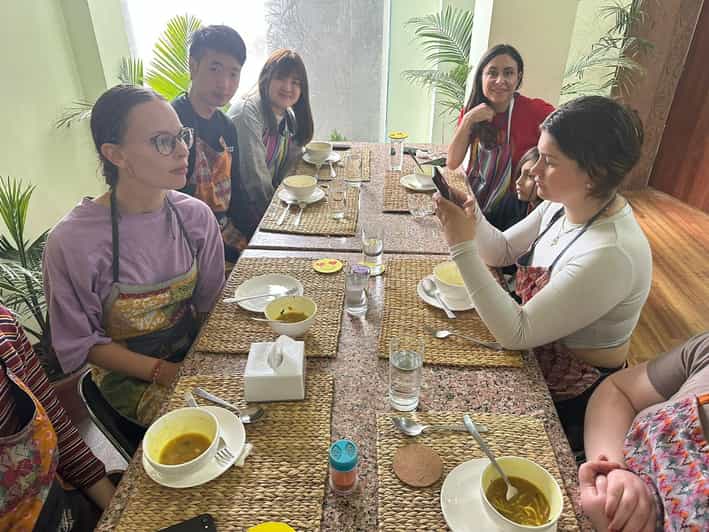
The whole experience is built as a single, tight loop of making. The class is designed to cover the full sequence: dough, filling, shaping, cooking, then eating. Since the duration is 1 hour, the tempo is brisk. That is not a negative, it just means you should arrive on time and stay present.
You’ll meet the experienced chef or instructor and get an outline of what you will do. The instructor speaks English, which matters more than people think in a cooking class. You want to understand the small decisions, like dough texture and how to seal dumplings, because those steps affect the final bite.
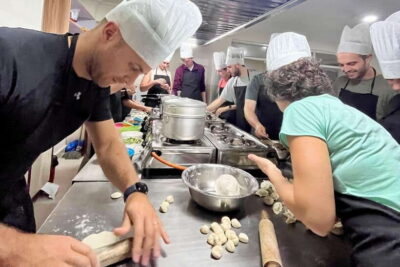
A nice detail here is the class size cap of 8 participants. When you are learning folding, it helps to have someone correct your hand position or explain a small fix before you shape the next batch.
Mixing Momo Dough: Where Texture Starts
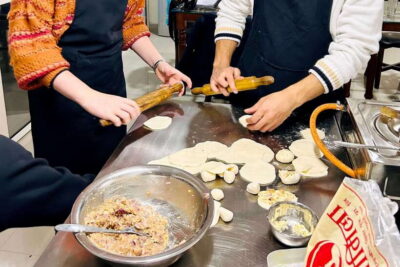
Your hands start working immediately with the dough. You’ll mix the dough using the kind of ingredients that show up in momo preparation: flour and water. This step is where the class gives you something useful beyond the meal. Once you understand how dough should feel, you get a repeatable foundation.
Here’s what to keep in mind while you’re mixing:
- Follow the instructor’s guidance on consistency, not just the amounts.
- If the dough looks too dry or too sticky, you’ll typically adjust during the process.
- Give yourself a moment to get comfortable before you start kneading, because your hands will be the tool.
You might not leave with a perfect, home-tested dough like you’d get from hours of practice. But you will learn what “good enough to shape” looks like, and that is the real win in a short class.
Filling Choices: Meat, Vegetables, and Seasonings
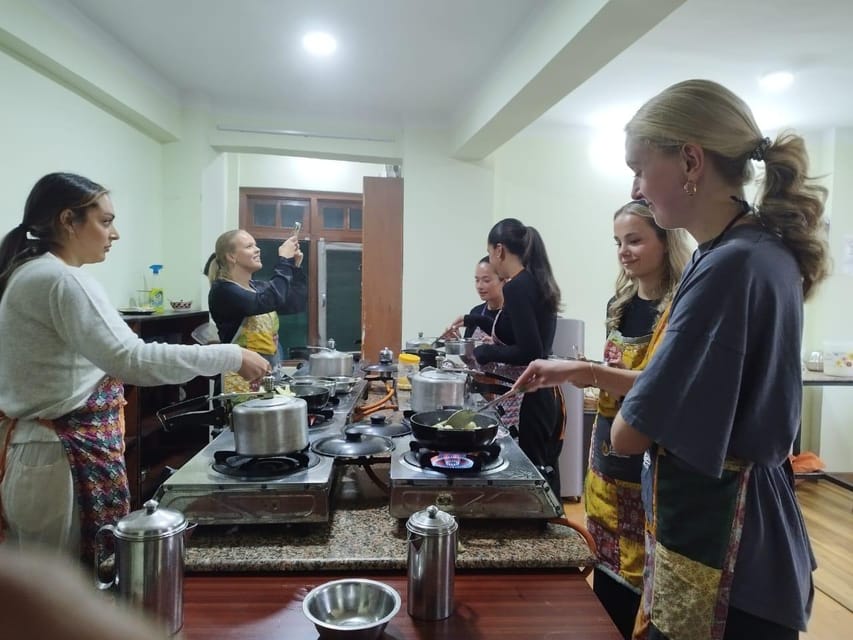
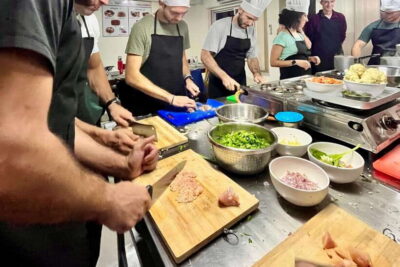
Next comes the filling, and this is where momo personality shows up. You’ll work with ingredients commonly used in the region: vegetables, spices and seasonings, and ground meat if the class setup includes a non-vegetarian option.
Even if you’re not trying to cook the same exact filling again, you’ll learn the method. The instructor will guide how to combine ingredients so the filling behaves well when you fold it. If the filling is too wet, it can make sealing harder. If it’s too dry, it can feel stiff. This is the point where you learn why seasoning and balance matter for dumplings, not just flavor but structure.
Pay attention to how the instructor handles portions too. In momo shaping, the amount of filling per dumpling affects whether it seals cleanly or bursts during cooking.
More to compare around Kathmandu
- Kathmandu: Local Lead Nepali Cooking & Momo Making Class
★ 4.9 · 40 reviews - Knife Khukuri Making Workshop
★ 4.9 · 38 reviews - Kathmandu: Wood Carving Workshop with Local Artisan (Thamel)
★ 4.9 · 17 reviews - Kathmandu: Women-Led Cooking Class & Momo Making-Local Taste
★ 4.8 · 15 reviews
Shaping Dumplings: Folding Skills You Can Reuse
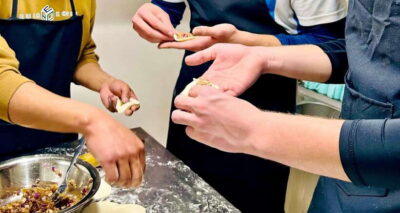
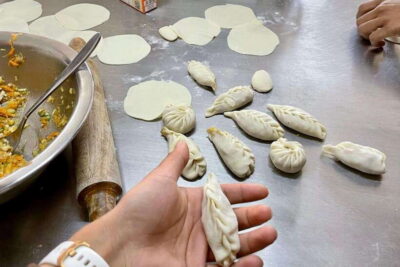
Shaping momos is the part where your patience gets tested, then rewarded. You’ll fold and shape each dumpling after portioning the filling into dough. This is hands-on learning at its best. You’ll feel the difference between a quick fold that might leak and a tighter seal that holds during cooking.
What I like about this stage is that it is teachable. You don’t need fancy kitchen skills. You need clear steps and quick feedback. With a class capped at 8 participants, you’re more likely to get that feedback before your shaping habits lock in.
A practical tip: go slow enough to fold cleanly, but not so slow that you fall behind. The class timing is tight. If you mess up one, keep going. Cooking is forgiving when you understand the process.
Cooking the Momos: From Raw to Dinner
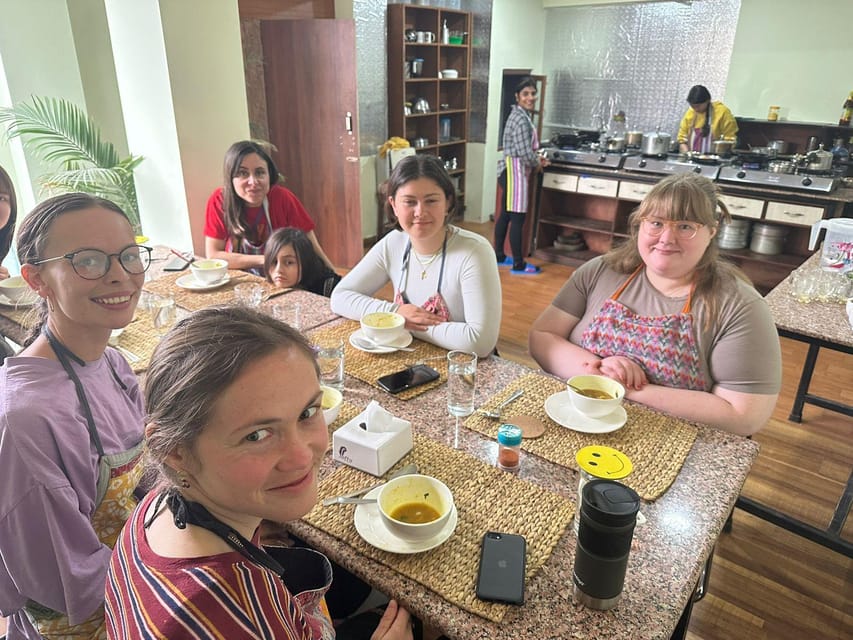
Once your momos are shaped, you’ll move into the cooking step. Cooking method details aren’t specified in the info you provided, so focus on what you can control: keep your dumplings sealed, and follow the instructor’s guidance for doneness.
Even in a short class, the cooking step matters. It’s where you see whether your dough texture and filling mix were on track. When dumplings cook well, you get that satisfying bite where the wrapper doesn’t feel gummy, and the filling tastes cooked, not raw.
Since you’re learning from an English-speaking instructor, you can ask a direct question during the cooking phase. That is especially helpful if you’re unsure what the instructor is looking for.
Eating What You Made: Dipping Sauces and a Real Payoff
The session ends with a meal featuring the dumplings you have made. This is not just a snack break. It’s the payoff that makes the lesson stick in your mind.
Often, momos are served with dipping sauces or sides. Even if the exact pairings vary, the idea is consistent: you taste your dumplings as a finished dish and connect your technique to flavor.
One of the best bits here is how natural it feels to eat something you just made. In one verified 5 out of 5 review, Tizia from Germany highlighted that the cook explained a lot, was very helpful, and the momos tasted very good. That kind of feedback lines up with why the tasting is included. You get a win on the tongue, not just a win on the hands.
Who This Kathmandu Momo Class Fits Best
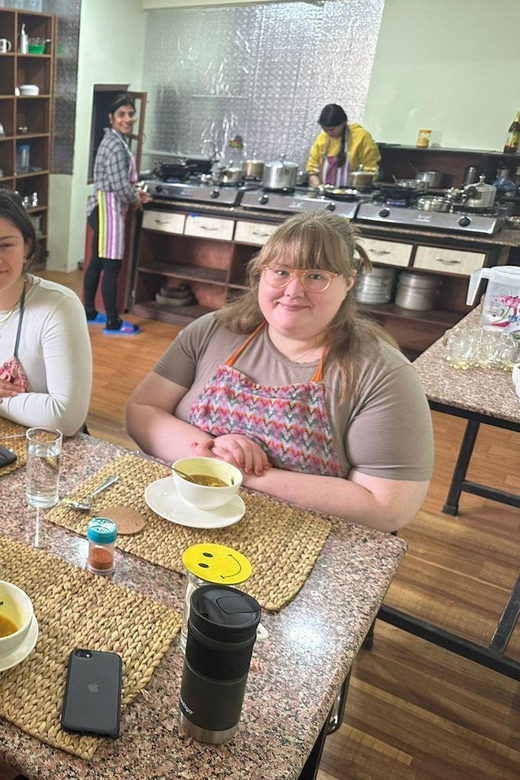
This class is a great choice if you want a practical food lesson without committing to half a day. It’s also ideal if you enjoy working with your hands and you like learning step-by-step.
You’ll especially enjoy this if:
- You’re in Thamel and want something hands-on that does not require leaving the area
- You like learning basic cooking technique you can repeat later
- You prefer small group attention while you practice folding
It may not be ideal if you want a slow, leisurely cooking experience. The 1-hour format moves quickly. Also, you should be ready for a hands-on mess, because you are actively preparing dough, filling, and dumplings.
If you have dietary needs, note that the class mentions ground meat if not vegetarian. Ask ahead so you understand how the filling will be handled for your preferences.
Price and Value: What You Actually Get in One Hour
Since exact pricing is not listed in the details you shared, I’m going to judge value by what is included. You get:
- A 1-hour momo making class
- An experienced chef or instructor (English)
- Ingredients for momo preparation
- An opportunity to taste your creations
That’s strong value for a short session because you’re paying for instruction, materials, and a meal, all in one go. The only real extra costs are on you: transportation to and from the class and personal expenses.
This is also why the small group matters. When you can practice instead of watch, the lesson has more payoff.
Should You Book This Kathmandu Momo Making Class?
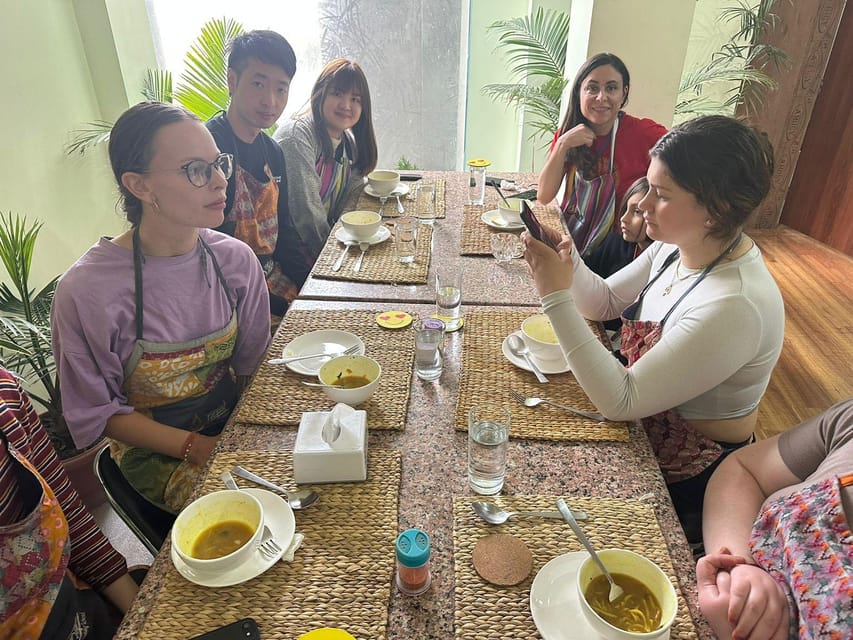
Book it if you want a focused, hands-on food experience in Kathmandu that ends with eating what you made. It is short, practical, and guided by an English-speaking instructor. With a small group up to 8 participants, you get the kind of attention that helps you learn folding without guessing.
Skip it if you hate messy tasks or you want a long, relaxed class with slow pacing. This is about doing, not lounging.
If you’re the type who loves learning how street food is made, this one deserves a spot on your Thamel schedule.
FAQ
Where is the meeting point for the momo class?
You meet at Paknjaol Marg, opposite the Ganesh Temple, in the building of delicious pizza, on the third floor.
How long is the Kathmandu momo making class?
The class is 1 hour.
Is the instructor English-speaking?
Yes, the instructor is listed as English.
What is included in the class?
The included parts are a 1-hour momo making class, an experienced chef or instructor, ingredients for momo preparation, and a chance to taste what you make.
What should I bring with me?
Bring comfortable clothes, clothes that can get dirty, and any ingredients they ask you to bring.
How big is the group?
The class is a small group limited to 8 participants.
Can I cancel and can I pay later?
There is free cancellation up to 24 hours in advance for a full refund. You can also reserve now and pay later to keep your plans flexible.
Latest Kathmandu write-ups
- 16 Days Island Peak Climbing With Everest Base Camp Private Trip★ 5.0 · 3 reviews
- 15 Days Round Annapurna Trek with Poon Hill from Pokhara★ 5.0 · 5 reviews
- Private Nepal round trip including Ghorepani Poonhill trek★ 5.0 · 3 reviews
- Everest Base Camp Trekking 16 Days★ 4.0 · 7 reviews
- 14 Days Luxury Annapurna Base Camp Trek★ 5.0 · 6 reviews
- Everest Base Camp Trek★ 5.0 · 32 reviews
- Everest Base Camp Trek★ 5.0 · 87 reviews
- Everest Base Camp Trek★ 5.0 · 97 reviews
Momo Making Classes, compared.
MoMo or Dal Bhat Cooking Class at Aama Kitchen in Pokhara
Read our review →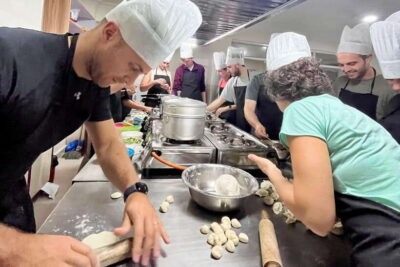
Browse the lists this tour appears in