
Reviewed · LANGTANG VALLEY TREK
Langtang Panorama Trek
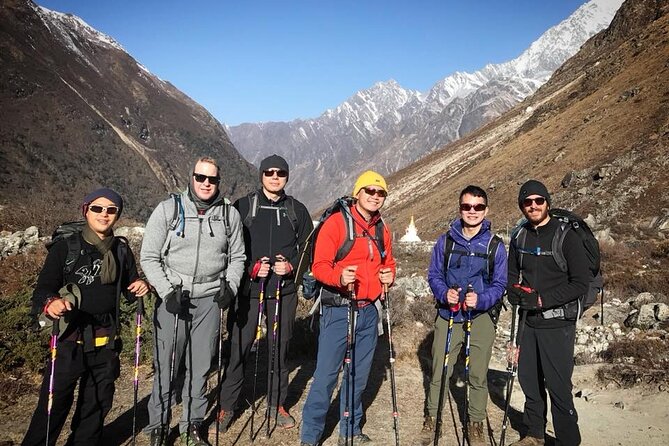
What makes the Langtang Panorama Trek interesting is the way it trades Kathmandu traffic for mountain quiet, fast. In about a day you are hiking through rhododendron forests and Tamang villages, then you are staring at the high country around Langtang Valley and Gosaikunda.
I love two things most. First, the trek gives you real viewpoint days, especially the climb up to Chorkari Ri. Second, the organization feels personal, with English-speaking guides and a setup run by Unique Path, where owner Babu and guides like Suresh and Damber have helped groups stay flexible and calm.
One possible drawback: it is not a walk in the park. You should expect long days and altitude pressure, especially once you are moving toward the 4600 m range and higher.
Key things that make this trek worth your time
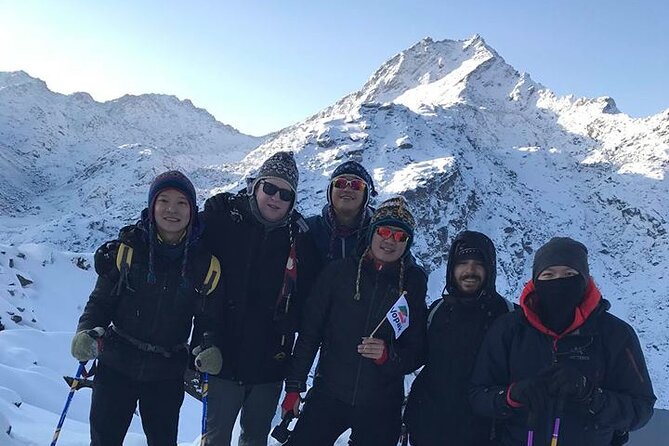
- A route built around panoramas, not just tea houses: you get viewpoint time at higher elevations.
- Forest hiking in classic Langtang country: rhododendron, oaks, magnolia, pines, firs, plus bamboo areas where a rare red panda is possible.
- High-altitude support that is more than vibes: an oxygen meter (pulse and oxygen saturation checks) and a first-aid kit come along.
- Small-group energy: the max group size is 25, and real trips can feel much smaller depending on bookings.
- Gosaikunda days with serious elevation: you visit the lake area and Lauribina pass on the long, high day.
- Flexibility when conditions change: when weather or a small problem hits, your guide can adjust the plan.
Langtang and Gosainkund: close enough to Kathmandu to feel doable
This trek sits just north of the Kathmandu valley rim, which matters more than it sounds. You spend less time chasing logistics and more time on trail. If you have limited vacation days, this route is a good way to get big-mountain trekking without going full expedition mode.
You also get a satisfying mix of Nepal you do not always see together. You will hike in shaded forests, walk through village life in the Langtang region, and then finish with the Gosainkund lake area at high elevation. It is the kind of trek where the scenery shifts in a way you can feel each day, not just at the top of a single mountain.
More of the Langtang valley:
- Langtang Valley Trek
★ 5.0 · 140 reviews - Langtang Valley Trek
★ 5.0 · 61 reviews - Langtang Valley Trek
★ 5.0 · 50 reviews
The real trekking profile: moderate, but don’t underestimate the long days
The trip is described as moderate with adventure. In practical terms, that means you will walk for hours each day, with some days running long, including the day that reaches Chorkari Ri (5050 m) and the day that tackles Gosainkund and Lauribina pass (4600 m).
If you are the type who gets nervous about big climbs, focus on stamina more than speed. The route includes up and down motion, including returning down toward Lama Hotel before going back up again. That pattern helps some people acclimate, but it still adds up physically.
Altitude is another consideration. You will go high enough that you should take it seriously, even if you feel fine early. The good part is you have altitude checks built in, including oxygen saturation monitoring, which helps you respond early rather than later.
Day 1 to 2: Kathmandu to Syabrubesi, then your first real hike
Day one is all about transition. You drive from Kathmandu to Syabrubesi (1610 m) by bus, around 7 hours, then sleep in a guest house. It is a long ride, but it sets you up for an early start the next day, instead of wasting your first morning on travel.
Day two moves from roads to trail fast. You trek from Syabrubesi to Lama Hotel (2480 m) over about 5.5 hours, with breakfast, lunch, and dinner included. Lama Hotel is your first altitude checkpoint on the route, and it helps your body settle in before you go higher.
This is the day where I suggest you keep your pace steady. You are not trying to win a race. You are teaching your breathing a new rhythm.
Day 3: Langtang Village brings you into the heart of the region
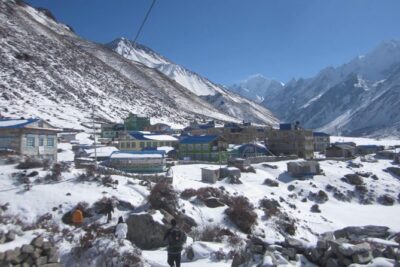
On day three you hike from Lama Hotel to Langtang Village (3541 m) for around 5 hours. This is where the trek starts to feel like it is truly inside Langtang country, not just approaching it.
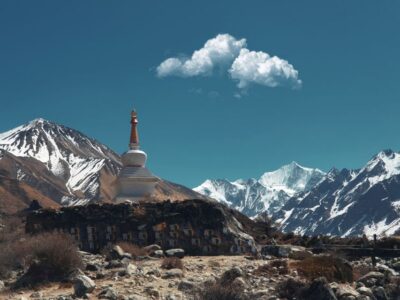
Village days have a special rhythm. The trail can be calmer, you get a chance to see how people live up in the mountains, and the views start to widen as you gain elevation. It is also a good day to slow down for photos and for the small details, like how the trail bends around homes and fields.
More to compare around Kathmandu
- Everest Base Camp Trek – 14 Days
★ 5.0 · 1,499 reviews - Everest Base Camp Trek
★ 5.0 · 842 reviews - Private Kathmandu Sightseeing Tour | UNESCO World Heritage sites
★ 5.0 · 756 reviews - Kathmandu: 7 UNESCO Sites with Lunch
★ 4.8 · 744 reviews
Day 4: Chorkari Ri panorama and Kyangjin Gompa, a long but rewarding push
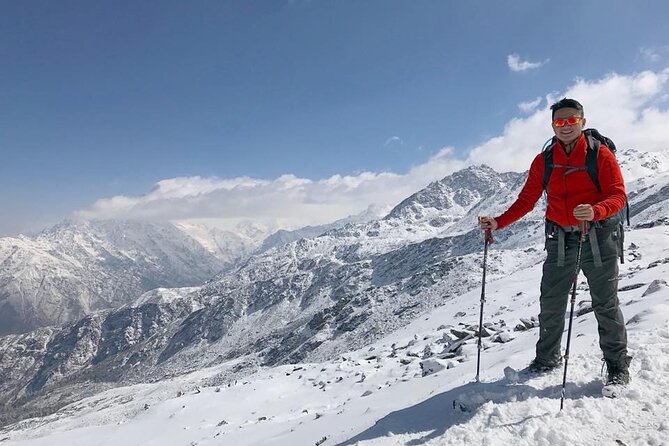
Day four is a big one. You trek from Langtang Village up to Chorkari Ri (5050 m) and then return to Kyangjin Gompa. Plan on about 7.5 hours walking.
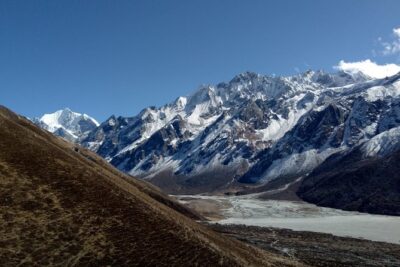
This is the kind of day where your reward is not only the height, it is the contrast. You start in the village area, you climb into a more open, high-elevation feel, and you come back down into a gompa setting. If you are hoping for a proper “I can see forever” moment, this is one of your main chances.
The long walk is the tradeoff. Bring your best walking socks, pace yourself, and be honest about energy. If you feel off, a good guide will help you make smart choices rather than forcing the summit-style goal.
Day 5 to 7: Down to Lama Hotel, then back up toward Thulo Syabru and Cholangpati
Day five takes you down to Lama Hotel (2480 m) for about 6 hours. That downhill day matters. It is not just “traveling,” it is giving your legs a chance to recover slightly before the next uphill push.
Day six is the start of the next climb, from Lama Hotel to Thulo Syabru (2200 m) in about 5.5 hours. The route shifts again in character, and the lower elevation gives you a sense of progress without immediately draining you.
Then day seven takes you from Thulo Syabru to Cholangpati (3680 m) over about 6 hours. Cholangpati is a high base point on this trek, and it sets you up for the peak-of-the-program day toward Gosainkund.
Day 8: Gosainkund and Lauribina pass, the toughest day on the clock
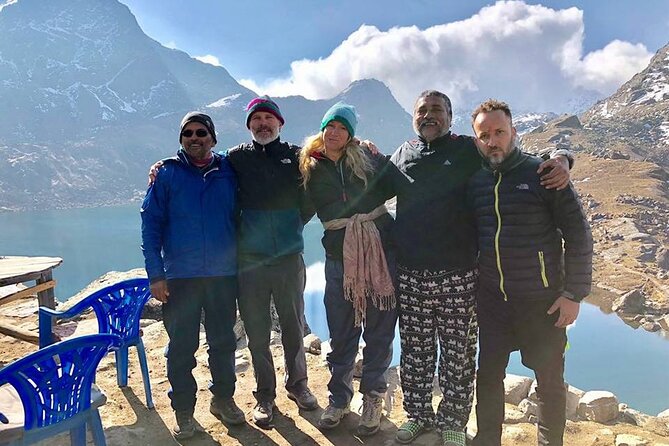
Day eight is your high-water mark in terms of elevation and time. You visit Gosaikunda and Lauribina pass (4600 m), then trek back down to Cholangpati. Expect about 7.5 hours walking.
The lake area is special because it changes how you experience the mountains. Instead of chasing views from a ridge, you are moving through a sacred high-elevation zone with water, pilgrims, and a different kind of quiet than the forest days. This is also the moment when the trek starts to feel more dramatic, because your body is already working at altitude.
Also, remember that the day is long. If weather turns, you will want your plan to stay grounded in how you feel, not just what the route says on paper.
Day 9 to 10: Dhunche exit, then back to Kathmandu
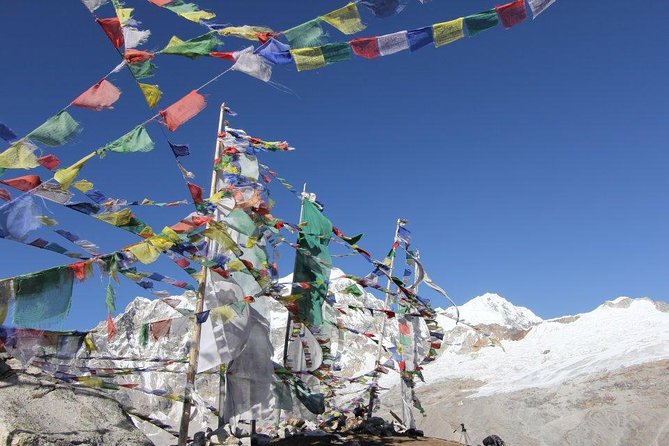
Day nine takes you down to Dhunche (around 4.5 hours walking), with an overnight guest house. This is the “you made it” day, the one where your muscles start thinking about showers and food that is not always as simple as you hoped.
Day ten is the return. You drive by bus to Kathmandu and transfer to your hotel, around 5.5 hours. In other words, you finish with transport that is straightforward rather than a second day of trekking.
Forests, bamboo groves, and the red panda chance
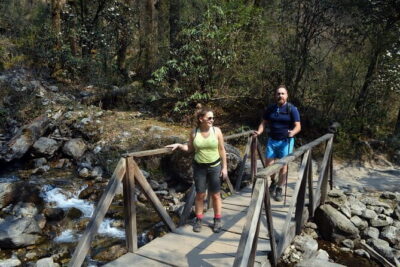
One of the best parts of this trek is the variety of natural settings. You will be walking through rhododendron trees, along with oaks, magnolia, pines, and firs. In some sections you pass bamboo groves, and the area is known for the elusive rare red panda.
I do not promise wildlife. Even with a guide who knows the terrain, animals are animals. But you should expect more than just “mountain path.” The plant life changes as you climb, and the forest shade can make hard days feel more manageable.
If you like photographing textures, not just sweeping views, this trek rewards you. Bark, leaves, and light under the canopy can be as memorable as the big panoramas.
Guides and organization: where quality shows up on real mountain days
The trek is led by an experienced, friendly, English-speaking guide. That matters because trekking is not only about knowing where to go. It is also about reading conditions, pacing the group, and making altitude decisions early.
In the feedback I saw, owner Babu and guides such as Suresh and Damber showed up as the calm center of the operation. People emphasized how organized the process was, from airport pickup and hotel coordination to getting you to the trail start and keeping everything running smoothly.
Another smart thing: the group can be small. One group of three trekkers worked with one guide, which tends to make the pace and plan more personal. You will still travel as a group, but you are less likely to feel like a number.
Weather and minor issues can force adjustments. On this route, I would plan mentally for flexibility, not stubbornness. A good guide will offer a worthwhile alternative if conditions make the original plan unsafe or uncomfortable.
Price and logistics: what you actually get for $755
At $755 per person, this trek is priced like a supported trekking package, not a bare-bones budget hike. The value comes from what is included on the trek and what reduces your personal risk.
Included items that make a real difference:
- Meals three times a day during the trekking days
- Twin sharing private rooms in trekking (guest houses)
- An experienced English-speaking guide
- Langtang National Park entry permits and TIMS
- First aid kit and oxygen meter checks (pulse and oxygen saturation)
- Sleeping bag and down jacket if you need them
- Travel and rescue arrangement that should be covered by your insurance company
- Trip map, plus a trekking cap and achievement certificate
What is not included, so you can budget:
- Meals and accommodation in Kathmandu
- Drinks in the mountain, including hot, cold, and alcoholic
- Personal equipment
- Travel and rescue insurance (you handle the policy with your insurer)
- Tips for trekking staff and driver
- Porter service
If you already own good trekking layers and you do not drink much, your extra costs can stay reasonable. If you do want porters and you will buy a lot of drinks, your final budget will creep upward. Still, you are paying for local transport, permits, guide time, and altitude safety gear, which are the costs people often underestimate when they plan a DIY trek.
What to pack, and how the provided gear changes your choices
The package includes four season sleeping bag and down jackets to use if necessary. That is helpful if you do not want to buy cold-weather gear before you travel. It also means you can travel lighter, especially if your airline has strict baggage limits.
What you still need to bring is personal equipment. The data does not list specifics, so use common sense here: good hiking boots or shoes, socks, a rain layer, and a warm hat. If you are prone to altitude headaches, bring what you typically rely on, and use the oxygen saturation checks to pace rather than push.
Also, budget for drinks. The trek includes meals, but drinks in the mountain are extra. If you want to avoid surprise costs, plan to treat drinks like a small splurge rather than a daily expectation.
Weather, pass days, and staying flexible without losing your trip
This trek requires good weather. If conditions are poor, the experience can be canceled and you should be offered a different date or a full refund. That is a big deal because it acknowledges that high elevation travel is not controllable.
On your side, you can do two helpful things. First, keep your schedule flexible in Kathmandu so you can adjust if needed. Second, be ready for plan tweaks on the trail. In past trips, a guide has suggested a worthwhile alternative when weather or an ankle injury changed the plan, and that kind of decision-making is exactly what you want in the mountains.
Who this trek suits best
This is a strong choice if you want a moderate, adventure-leaning trek with real high points and supportive logistics. It also fits a wide mix of travelers, including family groups, schools, college groups, and corporate groups, because the route is structured and guided.
It is best for you if:
- You can walk several hours a day comfortably
- You are okay with guest house style lodging
- You want a supported experience where permits, guide, and key safety tools are handled
It may be a tough fit if:
- You have limited tolerance for long walking days
- You worry a lot about altitude and want a purely low-elevation route
- You expect all drink costs to be included
Should you book the Langtang Panorama Trek?
I think you should book this trek if you want Langtang and Gosainkund in a way that feels structured, safe, and still outdoorsy. For the money, the big wins are the meals on trek, the English-speaking guide, the permits, and the oxygen saturation monitoring. Those details are not glamorous, but they matter when you are walking at altitude.
Book if you are comfortable with long days and you can pace yourself. Skip it if you want a short, easy hike or you are not willing to take altitude seriously, even with support.
If you do book, talk with your guide about your pace from day one. Then listen to what your body says, and let the plan serve you, not the other way around.
FAQ
How long is the Langtang Panorama Trek?
The trek runs for about 10 days, including driving days from Kathmandu to Syabrubesi and back to Kathmandu.
Is pickup included?
Pickup is offered. The trip also includes ground transportation as per the itinerary, including bus drives for the transfers.
What are the highest elevations on the route?
You reach Chorkari Ri at 5050 m and Lauribina pass at 4600 m during the trek.
Are meals included during the trekking days?
Yes. Meals are included three times a day during the trekking portion (breakfast, lunch, and dinner). Meals and accommodation in Kathmandu are not included.
What kind of lodging will I have on the trek?
You get twin sharing comfortable and clean private rooms in trekking guest houses, with overnight stays included according to the itinerary.
What trekking gear is provided?
The package includes a four season sleeping bag and down jackets to use for trekking if necessary.
Is there any altitude or medical support included?
Yes. The trip includes a first aid medical kit and an ox meter to check pulse, heart rate, and oxygen saturation at higher altitude.
What extra costs should I expect?
Drinks in the mountain are not included (hot, cold, and alcoholic). Personal equipment is not included, travel and rescue insurance is on you, and tipping is expected. Porter service is also not included.
Latest Kathmandu write-ups
- Langtang Valley Trek★ 5.0 · 3 reviews
- Khopra Danda Trek★ 5.0 · 3 reviews
- Langtang Valley Trek from Kathmandu★ 5.0 · 3 reviews
- 5 night / 6 days Kathmandu Nagarkot Chitwan Pokhara tour★ 5.0 · 3 reviews
- Nepal Highlights Tour: 5 Nights 6 Days Kathmandu & Pokhara Tour★ 5.0 · 3 reviews
- Kathmandu Valley Private Day Tour★ 5.0 · 3 reviews
- Conquer the Himalayas: The Ultimate 16-Day Annapurna Circuit Trek★ 3.5 · 3 reviews
- Kathmandu Heritage Day Tour★ 5.0 · 3 reviews
Langtang Valley Trek, compared.
7 Days Langtang Valley Private Trek From Kathmandu
Read our review →Browse the lists this tour appears in